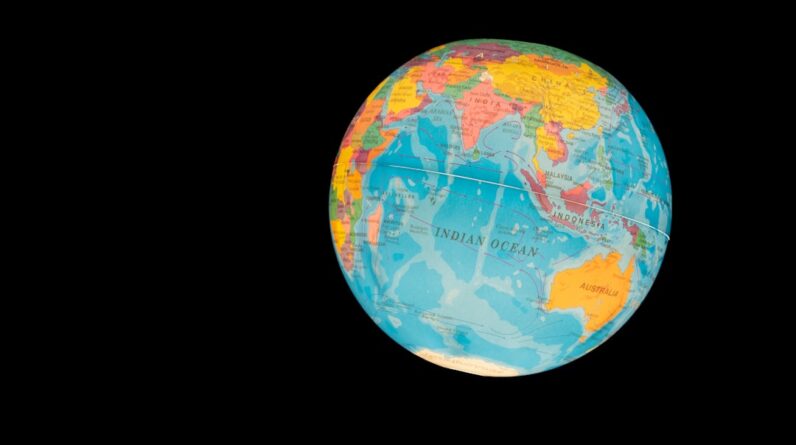
As you gaze out at the vast expanse of the ocean, you may not realize that beneath the surface lies a complex and delicate balance of life, heavily reliant on oxygen levels. The oceans cover more than 70% of the Earth’s surface and play a crucial role in regulating the planet’s climate and supporting diverse ecosystems. However, recent studies have shown that ocean oxygen levels are declining, a phenomenon that poses significant threats to marine life and, by extension, human existence.
Understanding the dynamics of ocean oxygen levels is essential for grasping the broader implications for our planet. The decline in oxygen levels, often referred to as “ocean deoxygenation,” is primarily driven by climate change, nutrient pollution, and other anthropogenic activities. As temperatures rise, the solubility of oxygen in seawater decreases, while increased nutrient runoff from agriculture leads to algal blooms that consume oxygen when they decompose.
This dual threat creates hypoxic zones—areas where oxygen levels are too low to support most marine life. As you delve deeper into this issue, you will uncover the intricate connections between ocean health and the well-being of all living organisms on Earth.
Key Takeaways
- Ocean oxygen levels are declining due to human activities and climate change, posing a threat to marine life and ecosystems.
- Decreased oxygen levels in the ocean can lead to habitat loss, reduced biodiversity, and increased vulnerability to diseases for marine organisms.
- Ecosystems such as coral reefs and seagrass beds are particularly sensitive to low oxygen levels, leading to negative impacts on their health and functioning.
- Fisheries may suffer from declining oxygen levels, affecting the distribution and abundance of fish and other marine species that are important for human consumption.
- Changes in ocean oxygen levels can also influence climate change by altering the production and consumption of greenhouse gases, such as carbon dioxide and methane.
Impact on Marine Life
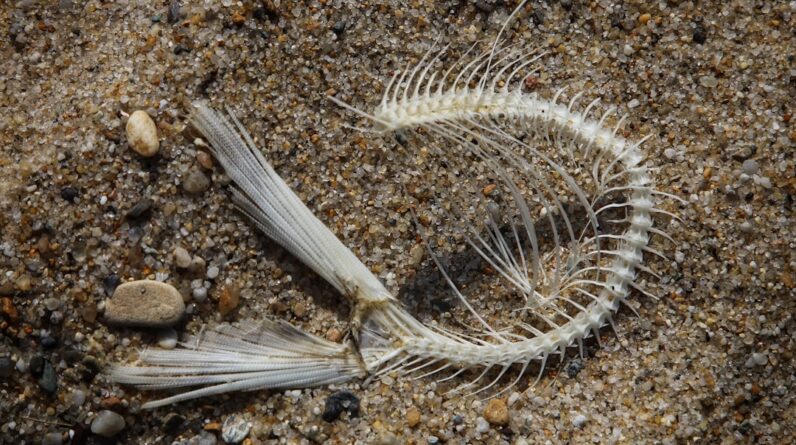
The impact of declining oxygen levels on marine life is profound and multifaceted. You may be surprised to learn that many marine species, including fish, crustaceans, and mollusks, rely on specific oxygen concentrations to thrive. When oxygen levels drop, these organisms experience stress, which can lead to reduced growth rates, reproductive failures, and even mortality.
For instance, species such as cod and flounder are particularly vulnerable to hypoxic conditions, which can disrupt their migratory patterns and feeding behaviors. Moreover, the effects of low oxygen extend beyond individual species; entire food webs can be disrupted. As you consider the implications of this phenomenon, think about how a decline in one species can ripple through the ecosystem.
Predators may struggle to find adequate food sources if their prey is affected by hypoxia. Additionally, the loss of biodiversity can weaken ecosystem resilience, making it harder for marine environments to recover from disturbances. The intricate relationships among species highlight the importance of maintaining healthy oxygen levels in our oceans.
Effects on Ecosystems
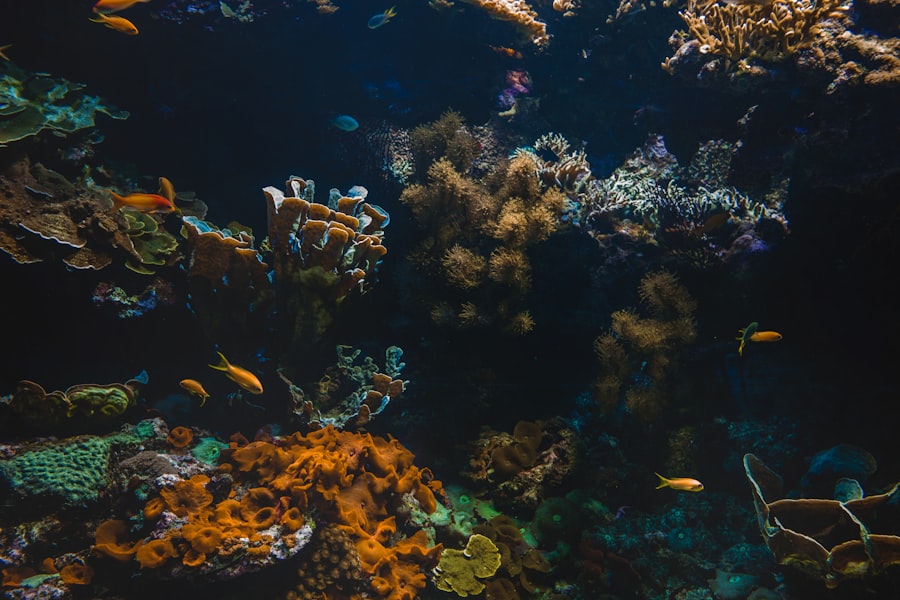
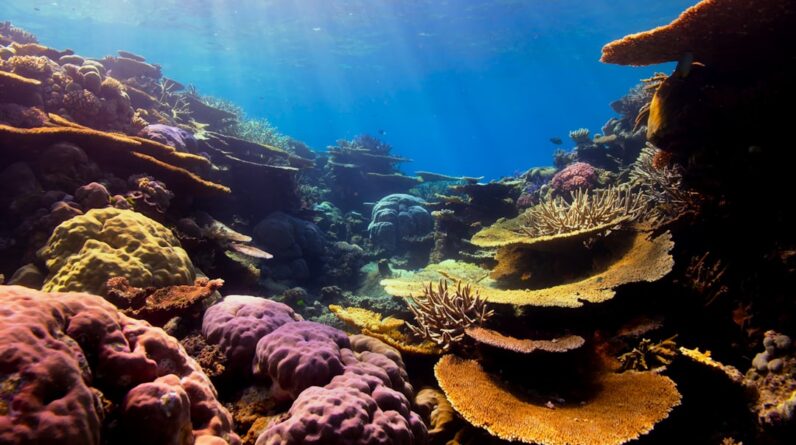
The ramifications of declining ocean oxygen levels extend into the very fabric of marine ecosystems. You might envision coral reefs as vibrant underwater cities teeming with life, but these ecosystems are particularly sensitive to changes in oxygen availability. Coral reefs rely on a delicate balance of nutrients and gases to thrive.
When oxygen levels drop, corals can become stressed, leading to bleaching events that compromise their health and survival. This not only affects the corals themselves but also the myriad species that depend on them for shelter and sustenance. In addition to coral reefs, other ecosystems such as estuaries and coastal waters are also at risk.
These areas serve as critical nurseries for many fish species and provide essential habitat for various marine organisms. As you reflect on the interconnectedness of these ecosystems, consider how declining oxygen levels can lead to shifts in species composition and abundance. The loss of keystone species can have cascading effects throughout the ecosystem, ultimately altering its structure and function.
Potential Consequences for Fisheries
The implications of declining ocean oxygen levels are particularly concerning for global fisheries. As you think about the millions of people who rely on fish as a primary source of protein, it becomes clear that any disruption in fish populations can have dire consequences for food security. Overfishing has already placed immense pressure on fish stocks; now, with declining oxygen levels compounding these challenges, the sustainability of fisheries is at risk.
Fisheries management must adapt to these changing conditions by incorporating oxygen dynamics into their assessments and strategies. You may wonder how this can be achieved. For instance, understanding which areas are most susceptible to hypoxia can help inform fishing regulations and seasonal closures.
Additionally, promoting sustainable fishing practices can alleviate some of the pressures on fish populations, allowing them to recover in areas where oxygen levels are low. The future of global fisheries hinges on our ability to address these challenges proactively.
Influence on Climate Change
The relationship between ocean oxygen levels and climate change is complex and bidirectional. As you explore this connection, consider how declining oxygen levels can exacerbate climate change effects while also being influenced by them. Warmer ocean temperatures lead to decreased oxygen solubility in water, creating a feedback loop that further intensifies deoxygenation.
This cycle not only threatens marine life but also contributes to the release of greenhouse gases from ocean sediments, further accelerating climate change. Moreover, healthy oceans play a vital role in carbon sequestration—absorbing carbon dioxide from the atmosphere and mitigating climate change impacts. When oxygen levels decline, the ability of oceans to sequester carbon diminishes, leading to higher atmospheric CO2 concentrations.
This interplay between ocean health and climate stability underscores the urgency of addressing both issues simultaneously. As you contemplate these interconnected challenges, it becomes evident that protecting ocean oxygen levels is essential for combating climate change.
Human Health Implications
The decline in ocean oxygen levels does not solely impact marine life; it also has significant implications for human health. You may not immediately connect ocean health with your well-being, but consider how much of our food supply comes from the sea. As fish populations decline due to hypoxia and other stressors, food security becomes a pressing concern.
Malnutrition and food scarcity can arise in communities that depend heavily on seafood for their dietary needs. Furthermore, the degradation of marine ecosystems can lead to increased harmful algal blooms, which produce toxins that contaminate seafood and pose health risks to humans. You might be surprised to learn that these toxins can cause a range of illnesses, from gastrointestinal issues to neurological disorders.
The interconnectedness of human health and ocean health highlights the need for comprehensive strategies that address both environmental sustainability and public health.
Strategies for Mitigation
Addressing the decline in ocean oxygen levels requires a multifaceted approach that involves collaboration among governments, scientists, industries, and communities. You may wonder what specific strategies can be implemented to mitigate this pressing issue. One effective approach is reducing nutrient pollution through improved agricultural practices and wastewater management.
By minimizing runoff from fertilizers and sewage into waterways, we can help prevent algal blooms that deplete oxygen levels. Additionally, promoting sustainable fishing practices is crucial for maintaining healthy fish populations and ecosystems. You might consider supporting local fisheries that prioritize responsible harvesting methods or advocating for policies that protect vulnerable marine habitats.
Furthermore, investing in research and monitoring programs can enhance our understanding of ocean dynamics and inform adaptive management strategies. By taking collective action now, we can work towards restoring balance in our oceans.
Conclusion and Future Outlook
As you reflect on the importance of ocean oxygen levels and their far-reaching implications for marine life, ecosystems, fisheries, climate change, and human health, it becomes clear that urgent action is needed. The challenges posed by declining oxygen levels are complex but not insurmountable. By fostering awareness and encouraging sustainable practices at individual and community levels, you can contribute to a healthier ocean.
Looking ahead, it is essential to remain vigilant in monitoring ocean conditions and advocating for policies that prioritize environmental sustainability. The future of our oceans—and ultimately our planet—depends on our collective efforts to address these challenges head-on. As you engage with this critical issue, remember that every action counts; together, we can work towards a more sustainable future for both marine life and humanity alike.
If ocean oxygen levels drop, it could have devastating effects on marine life and ecosystems. One way to combat this issue is by planting trees, which can help mitigate climate change and ultimately improve oxygen levels in the ocean. According to How Does Planting Trees Help Climate Change?, reforestation plays a crucial role in maintaining a healthy environment and preventing further oxygen depletion in the ocean. By stopping forest burning and saving trees and animals, as discussed in Stop Forest Burning: Save Trees and Animals, we can protect our planet and ensure a sustainable future for all living beings.
FAQs
What is ocean oxygen?
Ocean oxygen refers to the dissolved oxygen present in the water column of the ocean. It is essential for the survival of marine organisms and plays a crucial role in the ocean’s ecosystem.
Why are ocean oxygen levels important?
Ocean oxygen levels are important because they directly impact the survival and distribution of marine life. Many marine organisms, including fish, rely on oxygen for respiration, and changes in oxygen levels can lead to habitat loss and ecosystem disruption.
What causes a drop in ocean oxygen levels?
A drop in ocean oxygen levels can be caused by a variety of factors, including climate change, nutrient pollution, and natural processes such as upwelling and stratification. Climate change can lead to warmer ocean temperatures, which reduces the solubility of oxygen in water, while nutrient pollution can lead to algal blooms that consume oxygen during decomposition.
What are the potential consequences of a drop in ocean oxygen levels?
A drop in ocean oxygen levels can lead to a range of consequences, including the loss of habitat for marine organisms, changes in species distribution, and an increase in the occurrence of hypoxic (low oxygen) and anoxic (no oxygen) zones. This can result in the decline of fish stocks, disruptions to food webs, and overall ecosystem instability.
How can we mitigate a drop in ocean oxygen levels?
Mitigating a drop in ocean oxygen levels requires addressing the root causes, such as reducing greenhouse gas emissions to mitigate climate change, implementing measures to reduce nutrient pollution from sources such as agriculture and wastewater, and protecting and restoring coastal habitats that support oxygen-producing organisms. Additionally, monitoring and research efforts can help to better understand and address the issue.