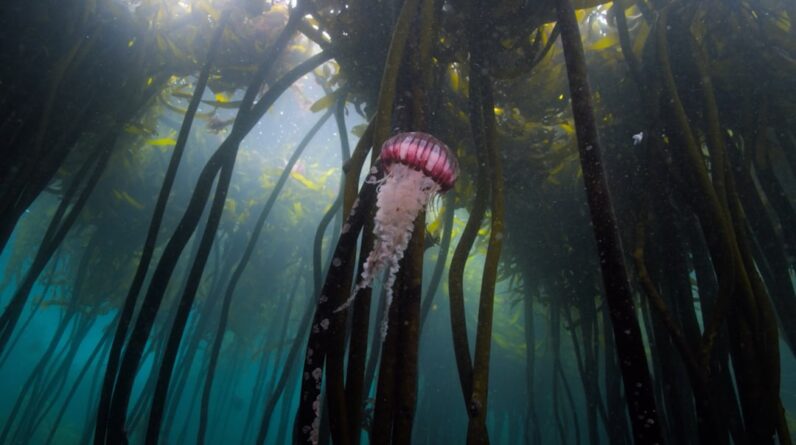
As you gaze out at the vast expanse of the ocean, it’s easy to forget that beneath the shimmering surface lies a world teetering on the brink of crisis. The oceans, which cover more than 70% of our planet, are not just beautiful; they are vital to life on Earth. They regulate climate, provide food, and support countless species.
However, the increasing amount of waste—particularly plastic—entering these waters poses a significant threat to marine ecosystems. You may not realize it, but every piece of plastic that you use and discard can eventually find its way into the ocean, contributing to a growing problem that affects not only marine life but also human health and economies. The impact of waste on the oceans is profound and multifaceted.
Marine animals often mistake plastic for food, leading to ingestion that can cause injury or death. Additionally, toxic chemicals from waste can leach into the water, disrupting the delicate balance of marine ecosystems. As you consider your own habits and their ripple effects, it becomes clear that individual actions can collectively lead to significant change.
Understanding this impact is the first step toward taking responsibility and making informed choices that contribute to ocean conservation.
Key Takeaways
- Waste has a significant impact on the oceans, leading to pollution and harm to marine life.
- Waste audits are crucial in identifying and reducing ocean pollution, as they help in understanding the types and sources of waste.
- Conducting a waste audit at home or in a business involves assessing the amount and types of waste generated, and finding ways to reduce and recycle it.
- Identifying problem areas and implementing solutions, such as reducing single-use plastics and promoting recycling, can help in reducing ocean pollution.
- Recycling and waste reduction play a vital role in protecting marine life and preserving the health of the oceans.
The Importance of Waste Audits in Reducing Ocean Pollution
Waste audits serve as a crucial tool in the fight against ocean pollution. By systematically evaluating the types and quantities of waste generated in your home or business, you can identify areas for improvement and implement effective strategies for reduction. This process not only helps you understand your waste footprint but also empowers you to make informed decisions about consumption and disposal.
When you take the time to conduct a waste audit, you gain valuable insights into your habits and their consequences, allowing you to take meaningful action toward reducing your impact on the oceans. Moreover, waste audits can reveal surprising statistics about your waste generation. You might discover that a significant portion of your waste is recyclable or compostable, which could lead to changes in how you manage your materials.
By recognizing these patterns, you can develop targeted strategies to minimize waste and promote sustainability. This proactive approach not only benefits the environment but also fosters a culture of responsibility and awareness within your community.
How to Conduct a Waste Audit in Your Home or Business

Conducting a waste audit may seem daunting at first, but it is a straightforward process that can yield significant benefits. Start by gathering all your waste materials over a specific period—typically one week is sufficient for a home audit. Separate your waste into categories such as recyclables, compostables, and landfill items.
As you sort through your trash, take note of the volume and types of materials you are discarding. This step will help you visualize the scale of your waste generation and identify areas where changes can be made. Once you have categorized your waste, analyze the data you’ve collected.
Look for trends or common items that appear frequently in your landfill category. Are there specific products that could be replaced with more sustainable alternatives? Perhaps you notice an abundance of single-use plastics or food packaging that could be minimized through bulk purchasing or reusable containers.
By identifying these patterns, you can create an actionable plan to reduce waste in your daily life or business operations.
Identifying Problem Areas and Implementing Solutions
After conducting your waste audit, it’s time to focus on identifying problem areas and implementing effective solutions. You may find that certain items dominate your landfill waste, such as plastic bags or disposable cutlery. Recognizing these patterns allows you to target specific behaviors or products for change.
For instance, if plastic bags are a significant contributor to your waste, consider investing in reusable bags for shopping trips. By making small adjustments in your daily routine, you can significantly reduce the amount of waste generated. In addition to personal changes, consider how your business operations might contribute to ocean pollution.
Are there opportunities to switch to eco-friendly packaging or reduce excess materials? Engaging employees in discussions about sustainability can foster a culture of environmental responsibility within your organization. By collectively identifying problem areas and brainstorming solutions, you can create a more sustainable workplace that aligns with ocean conservation efforts.
The Role of Recycling and Waste Reduction in Protecting Marine Life
Recycling and waste reduction play pivotal roles in protecting marine life from the devastating effects of pollution. When you recycle materials like plastic, glass, and paper, you help divert them from landfills and oceans alike. This process not only conserves natural resources but also reduces greenhouse gas emissions associated with manufacturing new products.
By actively participating in recycling programs and advocating for better recycling infrastructure in your community, you contribute to a healthier planet and cleaner oceans. Moreover, reducing waste at its source is equally important. By choosing products with minimal packaging or opting for reusable items, you can significantly decrease the amount of waste that ends up in landfills and oceans.
Every small action counts; when you make conscious choices about what you buy and how you dispose of it, you are taking a stand against ocean pollution. Your efforts can inspire others to follow suit, creating a ripple effect that amplifies the impact of individual actions on marine conservation.
Collaborating with Local Communities and Organizations for a Cleaner Ocean

Collaboration is key when it comes to tackling ocean pollution effectively. Engaging with local communities and organizations can amplify your efforts and create a more significant impact on ocean conservation. Consider joining or supporting local clean-up initiatives that focus on removing debris from beaches and waterways.
These events not only help clean up the environment but also raise awareness about the importance of keeping our oceans free from waste. Additionally, partnering with environmental organizations can provide valuable resources and support for your initiatives. Many organizations offer educational programs, workshops, and tools to help individuals and businesses reduce their waste footprint.
By working together with like-minded individuals and groups, you can share knowledge, strategies, and successes that inspire others to take action for cleaner oceans.
The Long-Term Benefits of Waste Audits for Ocean Conservation
The long-term benefits of conducting waste audits extend far beyond immediate waste reduction; they contribute significantly to ocean conservation efforts over time. By consistently evaluating your waste generation and implementing changes based on your findings, you create sustainable habits that can lead to lasting positive impacts on marine ecosystems. As more individuals and businesses adopt this practice, collective action can result in substantial reductions in ocean pollution.
Furthermore, waste audits foster a culture of accountability and awareness within communities. When people understand their waste generation patterns and their effects on the environment, they are more likely to advocate for policies that promote sustainability at local and national levels. This shift in mindset can lead to broader systemic changes that prioritize ocean health and conservation efforts.
Taking Action to Preserve Our Oceans through Waste Reduction
As you reflect on the information presented here, it becomes clear that each one of us has a role to play in preserving our oceans through effective waste reduction strategies. By understanding the impact of our actions on marine ecosystems and conducting regular waste audits, we can identify problem areas and implement meaningful solutions. The journey toward cleaner oceans begins with individual responsibility but flourishes through collaboration with communities and organizations dedicated to environmental stewardship.
Taking action today not only benefits our oceans but also ensures a healthier planet for future generations. As you make conscious choices about consumption and disposal, remember that every small effort contributes to a larger movement toward sustainability. Together, we can create a world where our oceans thrive—free from the burden of pollution—and where marine life flourishes for years to come.
If you’re interested in learning more about how reforestation can help the environment, check out the article How Does Reforestation Help the Environment? This article explores the benefits of planting trees and restoring forests to combat climate change and protect biodiversity. Just like conducting a waste audit can help save the seas, reforestation plays a crucial role in preserving our planet for future generations.
FAQs
What is a waste audit?
A waste audit is a systematic process of analyzing and quantifying the types and amounts of waste generated by an organization, household, or community. It involves sorting and categorizing waste to identify opportunities for waste reduction and recycling.
Why is a waste audit important?
A waste audit is important because it provides valuable insights into the composition of waste, which can help in identifying opportunities for waste reduction, recycling, and proper disposal. It also helps in raising awareness about the environmental impact of waste generation.
How can a waste audit help save the seas?
A waste audit can help save the seas by identifying and reducing the amount of waste that ends up in water bodies. By understanding the types of waste being generated, organizations and communities can implement strategies to prevent litter and pollution from reaching the oceans.
What are the steps involved in conducting a waste audit?
The steps involved in conducting a waste audit typically include planning and preparation, waste collection and sorting, data analysis, and the development of waste reduction and recycling strategies. It may also involve engaging stakeholders and raising awareness about waste management.
What are the benefits of conducting a waste audit?
Some of the benefits of conducting a waste audit include identifying cost-saving opportunities, reducing environmental impact, improving resource efficiency, and enhancing the overall sustainability of an organization or community. It also helps in promoting a culture of waste reduction and recycling.