Imagine stepping into a world where the vastness of the ocean is at your fingertips, where you can explore vibrant coral reefs, swim alongside majestic whales, and witness the intricate dance of marine life—all without getting wet. This is the promise of Virtual Reality (VR) Oceans, a groundbreaking technology that allows you to immerse yourself in the underwater realm like never before. As you don your VR headset, you are transported to a stunning digital ocean, where every detail is meticulously crafted to replicate the beauty and complexity of marine environments.
This innovative approach not only offers an exhilarating experience but also serves as a powerful tool for education and conservation. The advent of VR Oceans has opened up new avenues for understanding and appreciating the marine world. You can now engage with ecosystems that are often out of reach due to geographical or physical limitations.
Whether you are a student eager to learn about marine biology or an environmentalist passionate about ocean conservation, VR Oceans provides an accessible platform to explore the depths of the sea. By bridging the gap between technology and nature, this immersive experience fosters a deeper connection to the ocean and highlights the importance of preserving its delicate ecosystems.
Key Takeaways
- VR Oceans offers a new way to explore and experience marine ecosystems through virtual reality technology.
- Marine oxygen is crucial for the survival of marine life and understanding its importance is essential for conservation efforts.
- Virtual diving provides a unique and immersive experience of the ocean, allowing people to connect with marine life in a new way.
- VR Oceans can be a valuable tool for education and conservation, raising awareness about the impact of climate change on marine oxygen levels.
- The future of VR Oceans holds potential for further research and education, inspiring action for ocean conservation through immersive experiences.
The Importance of Marine Oxygen
As you delve deeper into the ocean’s mysteries, it becomes clear that one of the most critical elements sustaining marine life is oxygen. The ocean produces approximately half of the world’s oxygen through photosynthesis, primarily from phytoplankton, seaweed, and other aquatic plants. This vital process not only supports marine organisms but also plays a crucial role in maintaining the planet’s overall health.
Understanding the significance of marine oxygen is essential for appreciating the interconnectedness of life on Earth. You may be surprised to learn that the health of our oceans directly impacts air quality and climate stability. The oxygen generated by marine ecosystems helps regulate atmospheric conditions, making it essential for human survival.
As you explore VR Oceans, you can witness firsthand how these ecosystems function and contribute to global oxygen levels. This knowledge underscores the importance of protecting marine habitats, as their degradation could have far-reaching consequences for both marine life and humanity.
Exploring Marine Ecosystems Through VR
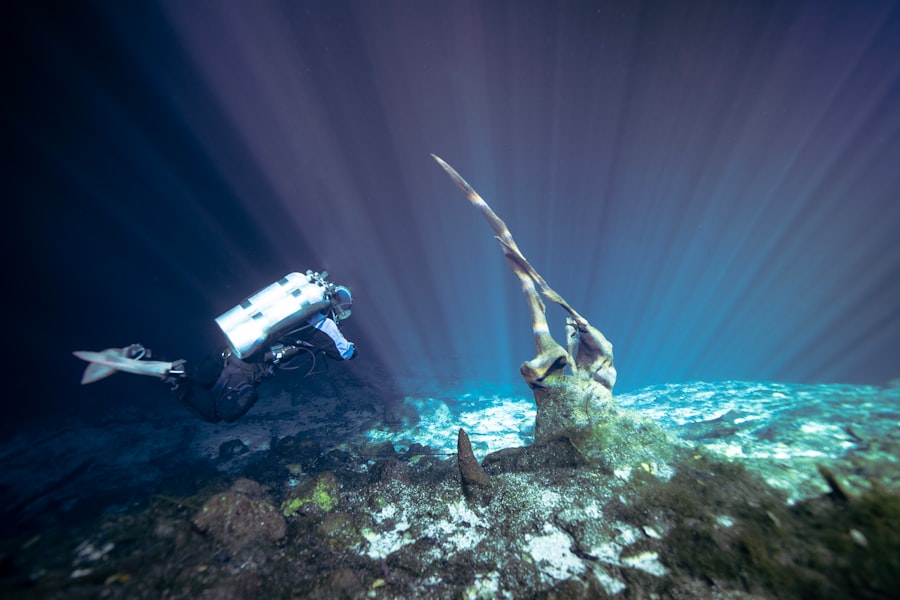
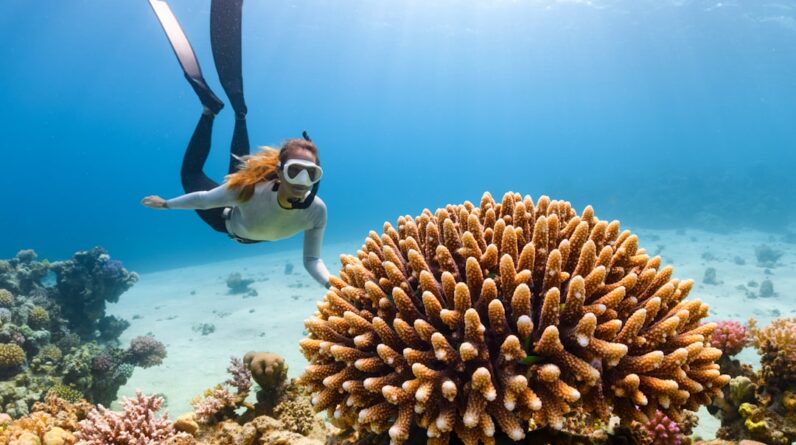
In the realm of VR Oceans, you have the unique opportunity to explore diverse marine ecosystems that are often hidden from view. From the vibrant colors of coral reefs teeming with life to the mysterious depths of the abyssal zone, each environment offers a wealth of knowledge waiting to be discovered. As you navigate through these digital landscapes, you can observe various species in their natural habitats, gaining insights into their behaviors and interactions.
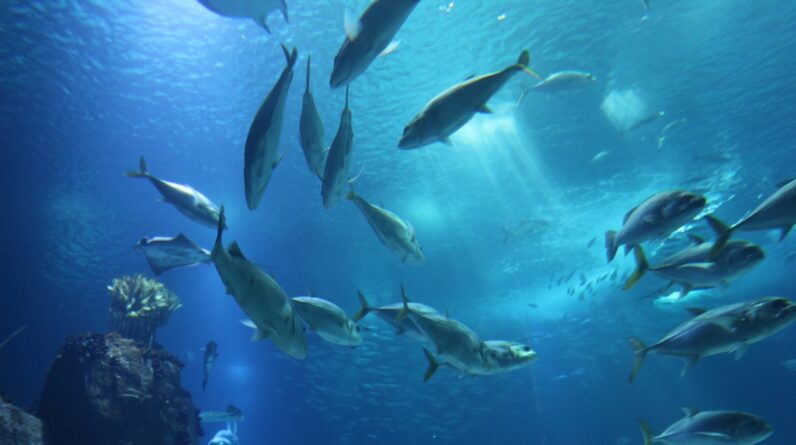
The immersive nature of VR allows you to experience these ecosystems in ways that traditional education methods cannot replicate. You can swim alongside schools of fish, observe the symbiotic relationships between species, and even witness the impact of human activities on these fragile environments. This firsthand experience fosters a sense of empathy and responsibility towards marine conservation, encouraging you to take action in protecting these vital ecosystems.
Virtual Diving: A New Way to Experience the Ocean
Virtual diving is revolutionizing how you experience the ocean. Gone are the days when diving required extensive training, expensive equipment, and travel to remote locations. With VR technology, you can dive into the depths of the ocean from the comfort of your home.
This accessibility opens up new possibilities for individuals who may not have had the opportunity to explore underwater environments otherwise. As you embark on your virtual diving adventures, you can choose from a variety of locations around the globe—each with its unique marine life and landscapes. Whether you’re exploring the Great Barrier Reef or navigating through shipwrecks in the Caribbean, each dive offers a chance to learn about different ecosystems and their inhabitants.
The thrill of virtual diving not only satisfies your curiosity but also instills a sense of wonder about the ocean’s beauty and fragility.
Understanding the Impact of Climate Change on Marine Oxygen Levels
As you immerse yourself in VR Oceans, it’s crucial to confront the pressing issue of climate change and its impact on marine oxygen levels. Rising sea temperatures, ocean acidification, and pollution are all contributing factors that threaten the delicate balance of marine ecosystems. You may find it alarming that these changes can lead to decreased oxygen production, which in turn affects marine life and biodiversity.
Through your virtual explorations, you can witness how climate change alters habitats and disrupts food chains. For instance, coral bleaching events caused by rising temperatures not only affect coral health but also diminish the oxygen produced by these vital organisms. By understanding these connections, you become more aware of the urgent need for action against climate change and its effects on our oceans.
VR Oceans: A Tool for Education and Conservation
VR Oceans serves as an invaluable tool for education and conservation efforts. As you engage with this technology, you gain access to a wealth of information about marine ecosystems, their inhabitants, and the challenges they face. Educational institutions are increasingly incorporating VR experiences into their curricula, allowing students to explore complex topics in an interactive manner that enhances learning retention.
Moreover, VR Oceans can play a pivotal role in conservation initiatives. By raising awareness about the importance of marine ecosystems and their vulnerability to human activities, this technology inspires individuals to take action. You may find yourself motivated to participate in beach clean-ups, support sustainable fishing practices, or advocate for policies that protect marine habitats.
The immersive experience provided by VR Oceans has the potential to transform passive observers into active participants in ocean conservation.
The Future of VR Oceans and Marine Oxygen Research
Looking ahead, the future of VR Oceans holds immense promise for advancing marine oxygen research and conservation efforts. As technology continues to evolve, so too will the capabilities of VR experiences. Enhanced graphics, improved interactivity, and real-time data integration will allow you to engage with marine environments in increasingly sophisticated ways.
Researchers are also beginning to utilize VR technology as a tool for studying marine ecosystems more effectively. By simulating various scenarios—such as changes in temperature or pollution levels—scientists can better understand how these factors impact marine oxygen production and overall ecosystem health. As you follow these developments, you’ll see how VR Oceans can contribute to more informed decision-making regarding ocean conservation strategies.
The Potential of VR to Inspire Action for Ocean Conservation
In conclusion, VR Oceans represents a remarkable intersection of technology and environmental awareness. As you explore this digital underwater world, you not only gain a deeper appreciation for marine ecosystems but also become empowered to advocate for their protection. The immersive experiences offered by VR have the potential to inspire action on a global scale, encouraging individuals from all walks of life to engage with ocean conservation efforts.
As we face unprecedented challenges related to climate change and environmental degradation, tools like VR Oceans will be essential in fostering a sense of responsibility towards our planet’s oceans. By harnessing the power of technology to educate and inspire, we can work together to ensure that future generations inherit a healthy and thriving ocean ecosystem. Your journey into VR Oceans is just beginning—embrace it as an opportunity to learn, connect, and take meaningful action for our blue planet.
VR Oceans: The Immersive Experiences Teaching Us About Marine Oxygen is a fascinating article that explores the innovative ways virtual reality is being used to educate people about the importance of marine oxygen. For more information on how trees can help save the environment, check out How Does Reforestation Help the Environment?. This article delves into the benefits of planting trees on a massive scale to prevent floods and protect our planet’s ecosystems. It’s a great read for anyone interested in learning more about the positive impact of reforestation on the environment.
FAQs
What is VR Oceans?
VR Oceans is a virtual reality experience that allows users to explore and learn about marine ecosystems and the importance of marine oxygen through immersive technology.
How does VR Oceans teach about marine oxygen?
VR Oceans uses immersive experiences to educate users about the role of marine oxygen in sustaining ocean life. Users can explore underwater environments and learn about the impact of marine oxygen levels on marine ecosystems.
What are the benefits of using VR Oceans for learning about marine oxygen?
VR Oceans provides a unique and engaging way for users to learn about marine oxygen and its importance. The immersive nature of the experience allows for a deeper understanding of marine ecosystems and the role of oxygen within them.
Who can benefit from using VR Oceans?
VR Oceans can be beneficial for a wide range of audiences, including students, educators, researchers, and anyone interested in learning about marine oxygen and its impact on marine life.
Are there any scientific studies supporting the effectiveness of VR Oceans for learning?
While specific studies on VR Oceans may vary, research has shown that virtual reality experiences can enhance learning and retention of information. The immersive nature of VR Oceans may provide a more impactful learning experience compared to traditional methods.