Global warming is a pressing issue that has garnered significant attention over the past few decades. As you delve into this topic, you will discover that it refers to the long-term increase in Earth’s average surface temperature due to human activities, primarily the burning of fossil fuels, deforestation, and industrial processes. These actions release greenhouse gases, such as carbon dioxide and methane, into the atmosphere, creating a thick layer that traps heat.
This phenomenon not only affects the climate but also has far-reaching consequences for ecosystems, human health, and global economies. Understanding global warming is crucial for you as an individual and as a member of society. The implications of this environmental crisis are profound, influencing everything from weather patterns to food production.
As you explore the various facets of global warming, you will come to appreciate the urgency of addressing this challenge. The scientific consensus is clear: if we do not take immediate and effective action to reduce greenhouse gas emissions, the consequences will be dire for future generations.
Key Takeaways
- Global warming is the long-term increase in Earth’s average surface temperature due to human activities, primarily the release of greenhouse gases.
- Rising temperatures and heatwaves are becoming more frequent and intense, leading to heat-related illnesses and deaths, especially in vulnerable populations.
- Melting ice caps and rising sea levels are causing coastal flooding, erosion, and the displacement of communities living in low-lying areas.
- Extreme weather events and natural disasters, such as hurricanes, wildfires, and droughts, are becoming more severe and frequent due to global warming.
- Global warming is leading to the loss of biodiversity, disruption of ecosystems, and threatening the availability of food and water resources, especially in developing countries.
Rising Temperatures and Heatwaves
One of the most noticeable effects of global warming is the rise in average temperatures across the globe. You may have already experienced this firsthand, with summers feeling hotter and winters becoming milder. The increase in temperature is not just a minor fluctuation; it represents a significant shift in our climate system.
According to climate scientists, the Earth’s average temperature has risen by approximately 1.2 degrees Celsius since the late 19th century, and this trend is expected to continue if current practices remain unchanged. Heatwaves have become more frequent and intense as a result of rising temperatures. You might recall instances where cities have issued heat advisories, urging residents to stay indoors during extreme heat events.
These prolonged periods of excessive heat can lead to serious health risks, including heat exhaustion and heatstroke. Moreover, they can strain energy resources as people turn to air conditioning for relief, leading to increased electricity demand and potential power outages. The impact of these heatwaves extends beyond personal discomfort; they can disrupt daily life, affect productivity, and even lead to increased mortality rates among vulnerable populations.
Melting Ice Caps and Rising Sea Levels
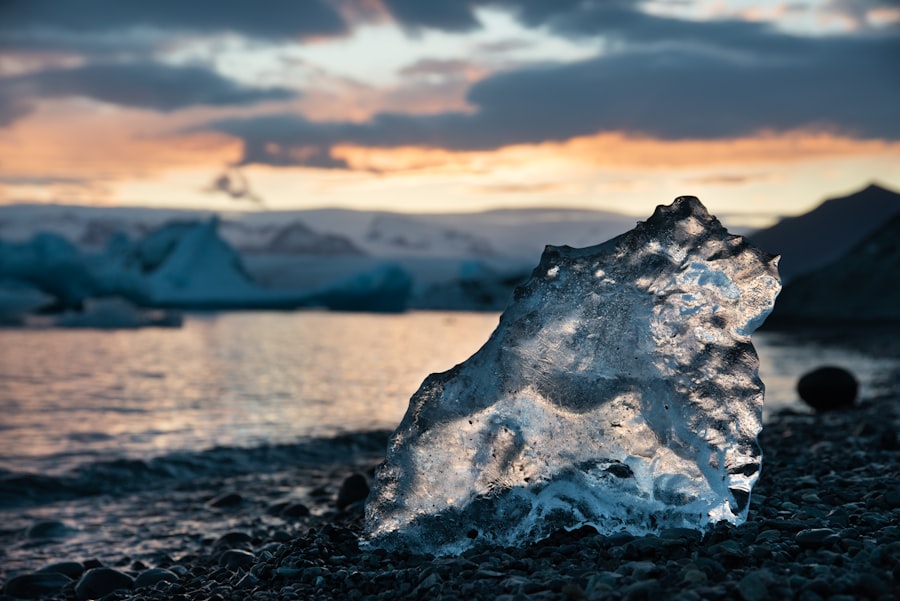
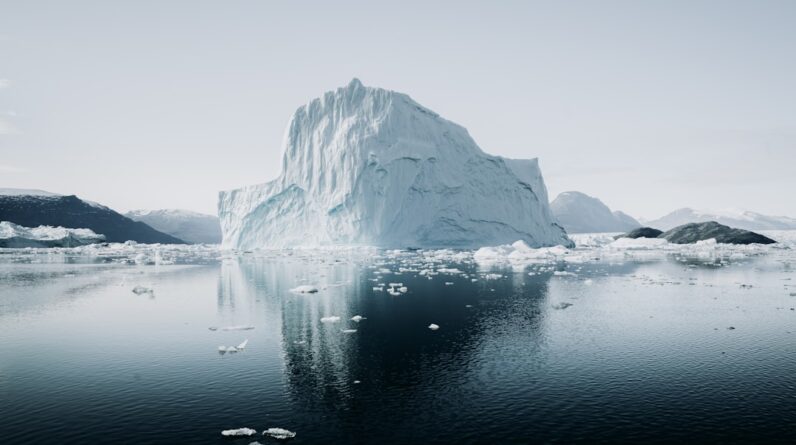
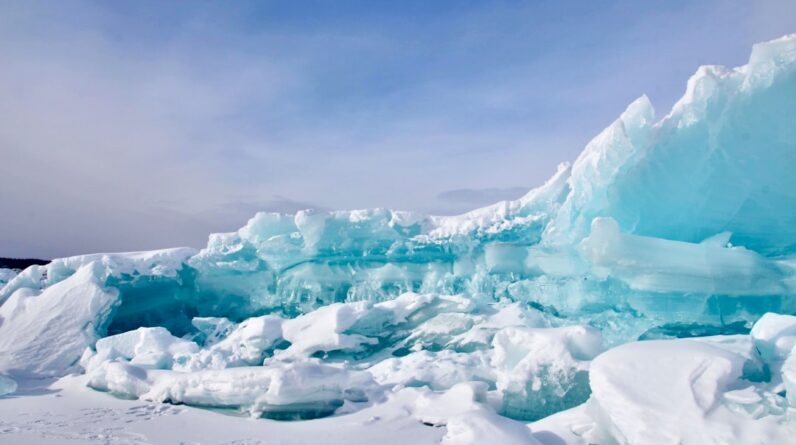
As global temperatures continue to rise, one of the most alarming consequences is the melting of ice caps and glaciers. You may have seen images of once-mighty glaciers retreating or heard reports about the alarming rate at which polar ice is disappearing. The Arctic region is particularly vulnerable, with scientists estimating that summer sea ice extent has declined by about 40% since the late 1970s.
This melting not only contributes to rising sea levels but also disrupts ecosystems that depend on stable ice conditions. Rising sea levels pose a significant threat to coastal communities around the world. As you consider the implications of this phenomenon, think about how many major cities are located near coastlines.
Places like Miami, New Orleans, and Jakarta are already experiencing flooding during high tides, a situation that is expected to worsen in the coming years. You may also be aware that entire island nations are at risk of disappearing beneath the waves if current trends continue. The displacement of populations due to rising sea levels could lead to humanitarian crises and increased geopolitical tensions as people are forced to migrate in search of safer ground.
Extreme Weather Events and Natural Disasters
Global warming is also linked to an increase in extreme weather events and natural disasters. You might have noticed that hurricanes seem to be more powerful and destructive than in previous decades. Warmer ocean temperatures fuel these storms, leading to increased rainfall and stronger winds.
The devastation caused by hurricanes can be catastrophic, resulting in loss of life, destruction of property, and long-term economic challenges for affected regions. In addition to hurricanes, other extreme weather events such as droughts, floods, and wildfires are becoming more common as a result of climate change. You may have seen news reports about wildfires raging through forests in California or Australia, fueled by dry conditions and high temperatures.
These disasters not only threaten human lives but also devastate wildlife habitats and contribute to further greenhouse gas emissions as trees that once absorbed carbon are lost. The cycle of destruction seems unending, highlighting the urgent need for comprehensive strategies to mitigate these risks.
Impacts on Ecosystems and Biodiversity
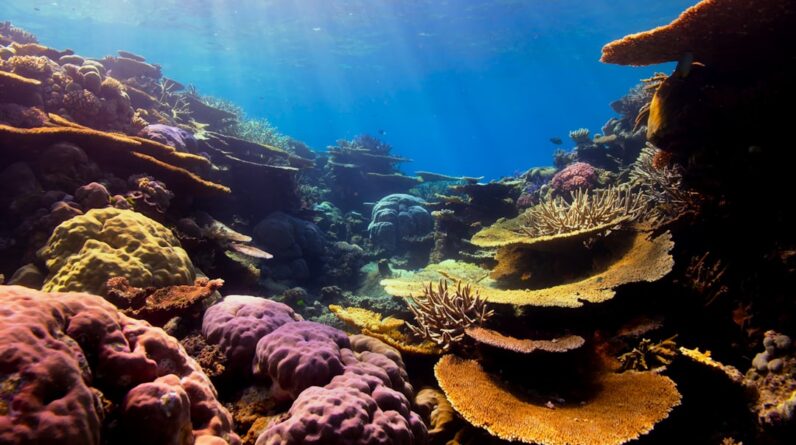
The effects of global warming extend beyond human society; they significantly impact ecosystems and biodiversity as well. As temperatures rise and weather patterns shift, many species struggle to adapt to their changing environments. You may have heard about coral bleaching events that occur when ocean temperatures rise too high for coral reefs to survive.
These vibrant ecosystems are home to countless marine species, and their decline threatens not only biodiversity but also the livelihoods of communities that depend on fishing and tourism. Moreover, shifting habitats can lead to species migration as animals search for more suitable climates. You might find it fascinating that some species are moving toward higher altitudes or latitudes in response to changing temperatures.
However, not all species can adapt quickly enough or find suitable new habitats, leading to increased extinction rates. The loss of biodiversity has profound implications for ecosystem services that humans rely on, such as pollination, clean water, and disease regulation. As you reflect on these changes, consider how interconnected our existence is with the natural world and the urgent need to protect it.
Threats to Agriculture and Food Security

Global warming poses significant threats to agriculture and food security worldwide. As you think about your own food sources, consider how climate change affects crop yields and livestock production. Changes in temperature and precipitation patterns can lead to reduced agricultural productivity, making it more challenging for farmers to grow sufficient food for a growing global population.
You may have noticed fluctuations in food prices or availability due to extreme weather events impacting harvests. Droughts can devastate crops, while excessive rainfall can lead to flooding and soil erosion. These challenges are compounded by pests and diseases that thrive in warmer conditions, further threatening food supplies.
As you contemplate these issues, consider how vulnerable communities—especially those in developing countries—are disproportionately affected by food insecurity resulting from climate change. The potential for increased hunger and malnutrition highlights the urgent need for sustainable agricultural practices that can withstand the impacts of a changing climate.
Health Impacts of Global Warming
The health impacts of global warming are becoming increasingly evident as climate change progresses. You may have experienced or heard about heat-related illnesses during extreme heat events or noticed an uptick in respiratory issues due to poor air quality exacerbated by wildfires or pollution from increased energy consumption. Vulnerable populations—such as the elderly, children, and those with pre-existing health conditions—are particularly at risk.
In addition to direct health effects, global warming can influence the spread of infectious diseases. Changes in temperature and precipitation patterns can create favorable conditions for disease-carrying vectors like mosquitoes and ticks to thrive in new regions. You might find it concerning that diseases such as malaria or dengue fever could expand their reach due to shifting climates.
As you consider these health implications, it becomes clear that addressing global warming is not just an environmental issue; it is fundamentally tied to public health and well-being.
Mitigation and Adaptation Strategies
As you reflect on the multifaceted challenges posed by global warming, it is essential to explore mitigation and adaptation strategies that can help address this crisis. Mitigation involves reducing greenhouse gas emissions through various means such as transitioning to renewable energy sources like solar or wind power, improving energy efficiency in buildings and transportation, and promoting sustainable land use practices. You may find it encouraging that many countries are setting ambitious targets for reducing emissions as part of international agreements like the Paris Accord.
Adaptation strategies are equally important as they focus on preparing for the impacts of climate change that are already occurring or inevitable. This could involve investing in resilient infrastructure that can withstand extreme weather events or implementing water management practices that conserve resources during droughts. As you consider your role in this effort, think about how individual actions—such as reducing waste, conserving energy, or supporting local agriculture—can contribute to broader societal changes.
In conclusion, global warming is a complex issue with far-reaching implications for our planet and future generations. By understanding its causes and effects, you can become an informed advocate for change in your community and beyond. Whether through personal choices or collective action, every effort counts in the fight against climate change.
In a related article, How Does Planting Trees Help Deforestation?, the importance of reforestation efforts in combating the environmental impacts of global warming is discussed. Planting trees not only helps to mitigate deforestation but also plays a crucial role in reducing carbon dioxide levels in the atmosphere. This article highlights the interconnectedness of planting trees and addressing climate change, emphasizing the need for sustainable practices to protect our planet’s future.
FAQs
What is global warming?
Global warming refers to the long-term increase in Earth’s average surface temperature due to human activities, primarily the release of greenhouse gases such as carbon dioxide and methane.
What are the environmental impacts of global warming?
Global warming has led to a range of environmental impacts, including rising sea levels, more frequent and severe heatwaves, changes in precipitation patterns, and disruptions to ecosystems and wildlife.
How does global warming affect sea levels?
Global warming causes thermal expansion of the oceans and the melting of polar ice caps and glaciers, leading to a rise in sea levels. This can result in coastal erosion, flooding, and the loss of habitat for marine and coastal species.
What are the effects of global warming on weather patterns?
Global warming can lead to changes in weather patterns, including more intense and frequent extreme weather events such as hurricanes, droughts, and heavy rainfall. These changes can have significant impacts on agriculture, water resources, and human communities.
How does global warming impact ecosystems and wildlife?
Global warming can disrupt ecosystems by altering the distribution and behavior of plant and animal species, leading to shifts in habitats and potential loss of biodiversity. It can also affect the timing of natural events such as flowering and migration, which can have cascading effects throughout ecosystems.
What are some solutions to mitigate the environmental impacts of global warming?
Solutions to mitigate the environmental impacts of global warming include reducing greenhouse gas emissions through the use of renewable energy sources, improving energy efficiency, protecting and restoring natural carbon sinks such as forests and wetlands, and adapting to the changes that are already occurring.