When you think about the air you breathe, it’s easy to overlook the vast oceans that play a crucial role in producing the oxygen essential for life on Earth. Approximately 50% to 80% of the oxygen in our atmosphere is generated by oceanic processes, primarily through photosynthesis. This staggering statistic underscores the oceans’ significance not just as a habitat for countless species, but also as a vital component of the global ecosystem.
The health of our planet is intricately linked to the health of its oceans, and understanding this connection is paramount for ensuring a sustainable future. The oceans act as a massive carbon sink, absorbing carbon dioxide from the atmosphere and mitigating climate change. However, their ability to produce oxygen is equally important.
As you delve deeper into the subject, you’ll discover that the intricate balance of marine ecosystems is essential for maintaining this oxygen production. The interplay between various marine organisms, nutrient cycles, and environmental conditions creates a dynamic system that supports life both in the water and on land. Recognizing the importance of oceanic oxygen production is the first step toward appreciating the delicate balance that sustains our planet.
Key Takeaways
- Oceanic oxygen production is crucial for supporting marine life and regulating the Earth’s climate.
- Phytoplankton play a key role in producing oxygen through photosynthesis in the ocean.
- Oceanic oxygen levels directly impact the health and survival of marine organisms, including fish and other sea creatures.
- The regulation of climate through oceanic oxygen production is essential for maintaining global temperature and weather patterns.
- Threats such as pollution, climate change, and overfishing pose significant risks to oceanic oxygen production and marine ecosystems.
The Role of Phytoplankton in Oxygen Production
Phytoplankton are microscopic organisms that float near the surface of the ocean, and they are often referred to as the “lungs of the Earth.” These tiny plants harness sunlight through photosynthesis, converting carbon dioxide and water into glucose and oxygen. As you explore their role in oxygen production, you’ll find that phytoplankton are responsible for producing an estimated 50% of the world’s oxygen supply. This remarkable capability makes them not only vital for marine ecosystems but also for terrestrial life.
The diversity of phytoplankton species contributes to their efficiency in oxygen production. Different types of phytoplankton thrive in various environmental conditions, from nutrient-rich coastal waters to the open ocean. This adaptability allows them to flourish in diverse habitats, ensuring a continuous supply of oxygen.
Moreover, phytoplankton form the foundation of the marine food web, supporting a myriad of marine life, from tiny zooplankton to large whales. By understanding their role in oxygen production, you can appreciate how these microscopic organisms are integral to both ocean health and global biodiversity.
The Impact of Oceanic Oxygen on Marine Life

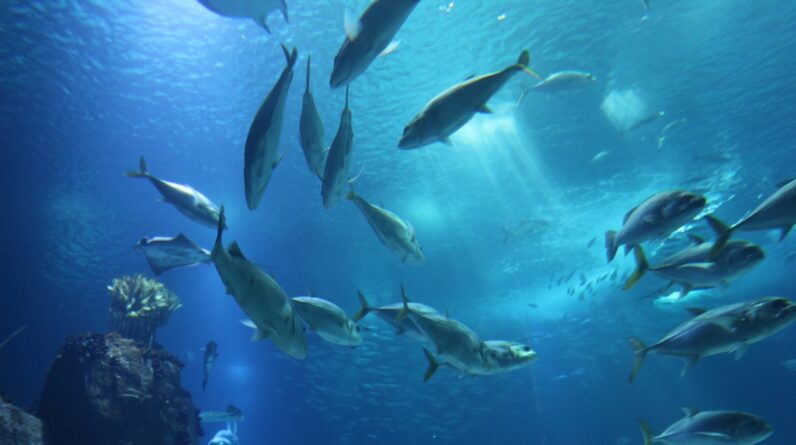
The oxygen produced by oceanic processes is not just a byproduct; it is a lifeline for marine organisms. As you consider the vast array of life forms inhabiting the oceans, it becomes clear that they all depend on dissolved oxygen for survival. Fish, crustaceans, and other marine animals rely on this oxygen to breathe and thrive.
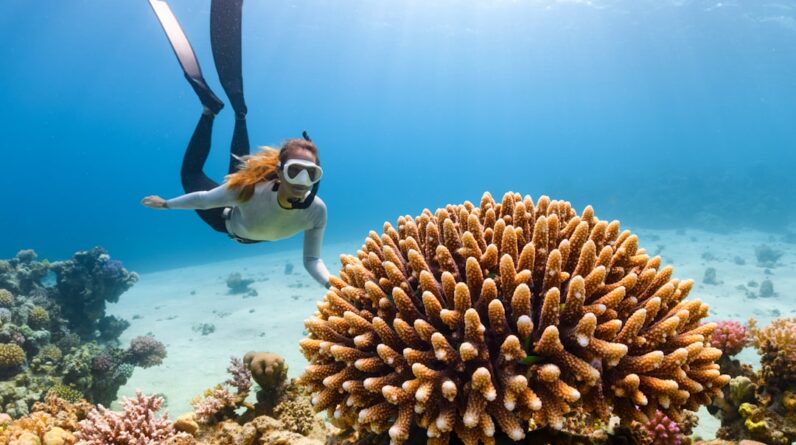
In fact, many species have adapted to specific oxygen levels in their habitats, making them particularly vulnerable to changes in oceanic conditions. When you observe coral reefs or kelp forests, you’ll notice that these ecosystems are teeming with life, all sustained by the oxygen produced by phytoplankton and other marine plants. Healthy oxygen levels support biodiversity and promote resilience within these ecosystems.
Conversely, when oxygen levels drop due to pollution or climate change, marine life suffers. Fish populations decline, and entire ecosystems can collapse, leading to significant ecological and economic consequences. Understanding this impact emphasizes the need for conservation efforts aimed at protecting oceanic oxygen production.
The Connection Between Oceanic Oxygen and Climate Regulation
The relationship between oceanic oxygen production and climate regulation is complex yet critical. As you explore this connection, you’ll find that healthy oceans play a significant role in regulating global temperatures and weather patterns. The oceans absorb vast amounts of carbon dioxide, which helps mitigate the greenhouse effect and stabilize climate conditions.
However, this process is intricately linked to oxygen production; when ocean health declines, so does its ability to sequester carbon effectively. Moreover, oceanic oxygen levels influence ocean circulation patterns, which are essential for distributing heat around the planet. As you consider the implications of declining oxygen levels, it becomes evident that this could disrupt weather patterns and lead to more extreme climate events.
The interconnectedness of ocean health and climate stability highlights the urgency of addressing threats to oceanic oxygen production. By safeguarding these vital processes, you contribute to a more stable climate for future generations.
Threats to Oceanic Oxygen Production
Despite its importance, oceanic oxygen production faces numerous threats that jeopardize its sustainability. One of the most pressing issues is nutrient pollution, primarily from agricultural runoff and wastewater discharge. When excess nutrients enter the ocean, they can lead to algal blooms that deplete oxygen levels in the water.
This phenomenon, known as hypoxia or “dead zones,” creates areas where marine life cannot survive due to insufficient oxygen. Climate change also poses a significant threat to oceanic oxygen production. Rising sea temperatures can alter phytoplankton distribution and productivity, while ocean acidification affects their ability to photosynthesize effectively.
As you consider these threats, it becomes clear that human activities are at the forefront of this crisis. Addressing these challenges requires a concerted effort from individuals, communities, and governments worldwide to implement sustainable practices that protect our oceans.
The Consequences of Declining Oceanic Oxygen Levels

The decline in oceanic oxygen levels has far-reaching consequences that extend beyond marine ecosystems. As you reflect on this issue, consider how reduced oxygen availability affects fish populations and other marine species. Over time, declining fish stocks can lead to economic hardships for communities that rely on fishing for their livelihoods.
Additionally, the loss of biodiversity can disrupt food webs and lead to cascading effects throughout marine ecosystems. Furthermore, declining oceanic oxygen levels can exacerbate climate change by reducing the oceans’ capacity to absorb carbon dioxide. This creates a feedback loop where increased atmospheric CO2 leads to further ocean degradation, ultimately threatening both marine life and human populations dependent on healthy oceans.
Understanding these consequences emphasizes the urgency of taking action to protect oceanic oxygen production and preserve the delicate balance of our planet’s ecosystems.
Efforts to Protect and Restore Oceanic Oxygen Production
In response to the threats facing oceanic oxygen production, various initiatives are underway aimed at protecting and restoring these vital processes. You may find it encouraging that organizations and governments are increasingly recognizing the importance of sustainable practices in agriculture and wastewater management. By reducing nutrient runoff into waterways, we can help mitigate algal blooms and promote healthier marine environments.
Additionally, conservation efforts focused on protecting critical habitats such as mangroves, seagrasses, and coral reefs play a crucial role in maintaining oceanic oxygen levels. These ecosystems not only support biodiversity but also enhance carbon sequestration capabilities. As you learn about these efforts, consider how individual actions—such as reducing plastic use or supporting sustainable seafood—can contribute to broader conservation goals.
Every small step counts in safeguarding our oceans for future generations.
The Future of Oceanic Oxygen Production and its Global Implications
Looking ahead, the future of oceanic oxygen production will depend on our collective actions today. As you contemplate this future, consider how advancements in technology and science can aid in monitoring and protecting ocean health. Innovative solutions such as remote sensing and artificial intelligence can help track changes in phytoplankton populations and assess overall ocean health more effectively.
Moreover, fostering international cooperation will be essential in addressing global challenges related to oceanic oxygen production. Climate change knows no borders; therefore, collaborative efforts among nations will be crucial in implementing policies that protect our oceans and promote sustainable practices worldwide. By prioritizing ocean health now, you contribute not only to preserving biodiversity but also to ensuring a stable climate for generations to come.
In conclusion, understanding the importance of oceanic oxygen production is vital for appreciating its role in sustaining life on Earth. From phytoplankton’s remarkable contributions to marine ecosystems’ health and climate regulation, every aspect is interconnected. By recognizing threats and supporting conservation efforts, you can play an active role in protecting this invaluable resource for future generations.
The future of our planet depends on it.
An interesting related article to The Ocean’s Oxygen Production: An Essential Global Resource discusses the importance of combatting global warming through massive tree planting. This article, found at https://livelifewithacause.org/combatting-global-warming-by-massive-tree-planting/, highlights how planting trees can help reduce carbon dioxide levels in the atmosphere and mitigate the effects of climate change. By reforesting areas and increasing the number of trees on our planet, we can create a healthier environment for all living beings.
FAQs
What is the importance of the ocean’s oxygen production?
The ocean’s oxygen production is essential for supporting marine life and maintaining the balance of the Earth’s atmosphere. It is estimated that the ocean produces at least 50% of the world’s oxygen.
How does the ocean produce oxygen?
The ocean produces oxygen through the process of photosynthesis carried out by marine plants, algae, and phytoplankton. These organisms use sunlight, carbon dioxide, and water to produce oxygen as a byproduct.
How does the ocean’s oxygen production impact the global environment?
The ocean’s oxygen production plays a crucial role in regulating the Earth’s climate and atmospheric composition. It also supports the health and biodiversity of marine ecosystems, which in turn affects the entire food chain and the livelihoods of millions of people who depend on the ocean for sustenance.
What are the threats to the ocean’s oxygen production?
Climate change, ocean acidification, pollution, and overfishing are some of the major threats to the ocean’s oxygen production. These factors can disrupt the balance of marine ecosystems, leading to a decline in oxygen production and the overall health of the ocean.
What can be done to protect the ocean’s oxygen production?
Efforts to mitigate climate change, reduce pollution, and establish marine protected areas are crucial for protecting the ocean’s oxygen production. Sustainable fishing practices and the conservation of marine habitats also play a key role in preserving the health of the ocean and its ability to produce oxygen.