As you gaze out at the vast expanse of the ocean, it’s easy to overlook the hidden dangers lurking beneath the surface. Ocean pollution is a pressing issue that affects marine life, ecosystems, and even human health. The introduction of harmful substances into the ocean, whether through industrial waste, agricultural runoff, or plastic debris, has far-reaching consequences.
You may not realize it, but every piece of plastic that ends up in the ocean can take hundreds of years to decompose, breaking down into microplastics that are ingested by marine creatures. This not only disrupts the food chain but also poses a risk to human health when these contaminated fish make their way onto your dinner plate. The impact of ocean pollution extends beyond just the immediate harm to marine life.
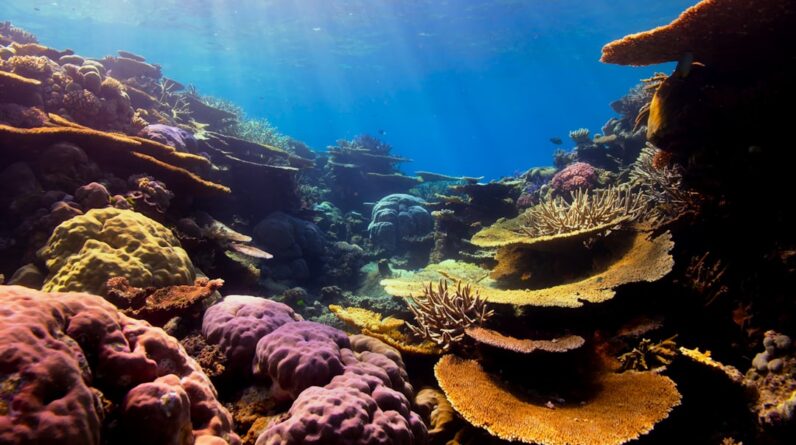
It affects coastal communities that rely on fishing and tourism for their livelihoods. When beaches are littered with trash and waters are polluted, fewer tourists visit, leading to economic decline. Additionally, the degradation of coral reefs and other vital ecosystems can result in the loss of biodiversity, which is essential for maintaining the balance of our planet.
Understanding these impacts is crucial for you as an individual; it empowers you to take action and make informed choices that contribute to a healthier ocean.
Key Takeaways
- Ocean pollution has a detrimental impact on marine life and ecosystems, leading to long-term environmental damage.
- Reducing single-use plastics by using reusable alternatives and recycling can significantly decrease plastic waste in the ocean.
- Proper disposal of hazardous waste, such as batteries and electronics, prevents toxic chemicals from leaching into the ocean.
- Supporting sustainable fishing practices, such as choosing certified sustainable seafood, helps protect marine biodiversity and ecosystems.
- Choosing eco-friendly cleaning products reduces the amount of harmful chemicals and toxins that end up in the ocean.
Simple Ways to Reduce Single-Use Plastics
Reducing your reliance on single-use plastics is one of the most effective ways you can combat ocean pollution. Start by making small changes in your daily routine. For instance, consider carrying a reusable water bottle instead of purchasing bottled water.
This simple switch not only reduces plastic waste but also saves you money in the long run. You might also want to invest in reusable shopping bags, which can significantly cut down on the number of plastic bags that end up in landfills and oceans. By incorporating these habits into your life, you are taking a stand against plastic pollution.
Another effective strategy is to be mindful of your food packaging choices. Opt for products with minimal or no plastic packaging whenever possible. You can support local farmers by shopping at farmers’ markets, where fresh produce is often sold without excessive packaging.
Additionally, consider bringing your own containers for bulk items or leftovers when dining out. These small yet impactful changes can create a ripple effect, inspiring those around you to follow suit and contribute to a collective effort in reducing plastic waste.
Proper Disposal of Hazardous Waste

Proper disposal of hazardous waste is essential for protecting both the environment and public health. You may not be aware that everyday items like batteries, paints, and certain cleaning products contain harmful chemicals that can leach into the soil and waterways if not disposed of correctly. It’s crucial for you to familiarize yourself with local regulations regarding hazardous waste disposal.
Many communities offer designated drop-off locations or special collection days for these materials, ensuring they are handled safely and responsibly. In addition to following local guidelines, you can also educate yourself about alternative products that are less harmful to the environment. For example, consider using non-toxic paints or biodegradable cleaning supplies that won’t contribute to pollution when disposed of.
By making informed choices about the products you use and how you dispose of them, you play a vital role in minimizing hazardous waste and protecting the delicate balance of our ecosystems.
Supporting Sustainable Fishing Practices
As a consumer, your choices have a significant impact on fishing practices and marine conservation efforts. Supporting sustainable fishing practices is one way you can contribute to healthier oceans. Look for seafood that has been certified by organizations such as the Marine Stewardship Council (MSC) or the Aquaculture Stewardship Council (ASC).
These certifications indicate that the seafood has been sourced responsibly, ensuring that fish populations remain stable and ecosystems are preserved. Moreover, consider diversifying your seafood consumption by trying lesser-known species that are abundant and sustainable. This not only helps reduce pressure on overfished species but also encourages a more balanced marine ecosystem.
By advocating for sustainable fishing practices through your purchasing decisions, you send a clear message to fisheries and markets about the importance of responsible sourcing and conservation efforts.
Choosing Eco-Friendly Cleaning Products
The cleaning products you use in your home can have a significant impact on both your health and the environment. Many conventional cleaning agents contain harsh chemicals that can pollute waterways when washed down the drain. By choosing eco-friendly cleaning products, you can minimize this impact while also creating a healthier living space for yourself and your family.
Look for products labeled as biodegradable or made from natural ingredients, which are less likely to harm aquatic life when they enter the water system. You might also consider making your own cleaning solutions using simple ingredients like vinegar, baking soda, and lemon juice. Not only are these alternatives effective at cleaning, but they are also safe for both your home and the environment.
By opting for eco-friendly cleaning products or DIY solutions, you contribute to reducing chemical runoff into oceans and waterways, promoting a cleaner planet for future generations.
Participating in Beach Clean-Up Efforts

One of the most direct ways you can make a difference in combating ocean pollution is by participating in beach clean-up efforts. These events not only help remove trash from our shores but also raise awareness about the importance of keeping our oceans clean. You can find local organizations or community groups that organize regular clean-ups, providing an opportunity for you to connect with like-minded individuals who share your passion for environmental conservation.
Participating in beach clean-ups can be a rewarding experience as you witness firsthand the impact of collective action. You may be surprised by the amount of debris collected during these events, which serves as a stark reminder of the ongoing pollution crisis facing our oceans. By dedicating just a few hours of your time to these efforts, you contribute to restoring natural habitats while inspiring others to take action as well.
Spreading Awareness and Educating Others
Spreading awareness about ocean pollution is crucial for fostering a culture of environmental responsibility within your community. You have the power to educate friends, family, and colleagues about the importance of protecting our oceans and the steps they can take to make a difference. Consider hosting informational sessions or workshops where you can share facts about ocean pollution and its effects on marine life and human health.
Social media is another powerful tool at your disposal for raising awareness. By sharing articles, infographics, or personal stories related to ocean conservation, you can reach a wider audience and inspire others to join the cause. Engaging in conversations about environmental issues not only helps inform others but also creates a sense of community around shared values and goals.
Advocating for Policy Changes
Advocating for policy changes is an essential step toward addressing ocean pollution on a larger scale. You can engage with local representatives or participate in campaigns that promote environmental legislation aimed at reducing plastic waste and protecting marine ecosystems. By voicing your concerns and supporting policies that prioritize sustainability, you contribute to creating systemic change that benefits both people and the planet.
Additionally, consider joining or supporting organizations dedicated to ocean conservation efforts. These groups often have established networks and resources that amplify your voice in advocating for policy changes at regional, national, or even global levels. By working together with others who share your passion for protecting our oceans, you can help drive meaningful change that addresses the root causes of ocean pollution.
In conclusion, understanding the impact of ocean pollution is just the beginning; it’s essential for you to take actionable steps toward creating a cleaner environment. From reducing single-use plastics to advocating for policy changes, every effort counts in preserving our oceans for future generations. By making informed choices and engaging with your community, you play a vital role in fostering a healthier planet—one small action at a time.
If you’re interested in learning more about how tree planting can impact the environment, check out the article Increased Tree Planting Will Unbalance the World’s Ecosystems. This article discusses the potential consequences of planting too many trees and how it can disrupt the delicate balance of ecosystems. It’s important to consider all aspects of environmental conservation when working towards a sustainable future.
FAQs
What is ocean pollution?
Ocean pollution refers to the contamination of the ocean with harmful or potentially harmful substances. This can include chemicals, plastics, sewage, and other waste products that are detrimental to marine life and ecosystems.
What are the main causes of ocean pollution?
The main causes of ocean pollution include plastic waste, industrial and agricultural runoff, oil spills, sewage and wastewater discharge, and atmospheric deposition of pollutants.
How does ocean pollution affect marine life?
Ocean pollution can have devastating effects on marine life, including entanglement in plastic debris, ingestion of toxic substances, habitat destruction, and disruption of the food chain. This can lead to declines in fish populations, harm to marine mammals and seabirds, and damage to coral reefs and other sensitive ecosystems.
What are some simple ways to prevent ocean pollution?
Simple ways to prevent ocean pollution include reducing the use of single-use plastics, properly disposing of waste, participating in beach clean-ups, supporting sustainable fishing practices, and reducing carbon emissions to mitigate climate change and ocean acidification.
How can individuals contribute to preventing ocean pollution?
Individuals can contribute to preventing ocean pollution by making conscious choices to reduce their plastic consumption, properly disposing of waste, supporting legislation and policies that protect the ocean, and educating others about the importance of ocean conservation.