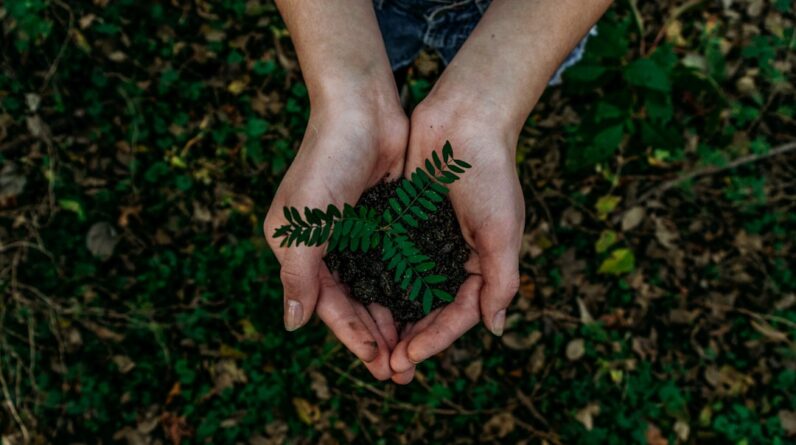
When you think about reforestation, it’s easy to envision large organizations or government initiatives taking the lead. However, the true backbone of successful reforestation efforts often lies within the community. Your involvement is crucial, as it not only brings local knowledge and resources to the table but also fosters a sense of responsibility and connection to the land.
Communities that actively participate in reforestation projects can tailor their efforts to meet specific environmental needs, ensuring that the right species are planted in the right places. This localized approach can significantly enhance the effectiveness of reforestation initiatives. Moreover, your participation in these efforts can create a ripple effect, inspiring others to join in.
When you see your neighbors planting trees or participating in clean-up drives, it can motivate you to take action as well. This collective enthusiasm can lead to a stronger community bond, as everyone works toward a common goal. By engaging in reforestation, you not only contribute to environmental restoration but also help cultivate a culture of sustainability and stewardship within your community.
Key Takeaways
- Community involvement is crucial for successful reforestation efforts
- Reforestation helps build stronger and greener communities
- Engaging and educating community members is key to reforestation success
- Collective action is powerful in driving reforestation projects
- Sustainable and resilient ecosystems can be created with community support
Building Stronger, Greener Communities Through Reforestation
Reforestation is more than just planting trees; it’s about building a stronger, greener community. When you engage in these efforts, you are actively participating in the creation of a healthier environment for yourself and future generations. Trees play a vital role in improving air quality, reducing urban heat, and providing habitats for wildlife.
By planting trees together, you are not only enhancing the aesthetic appeal of your neighborhood but also contributing to its ecological health. Additionally, reforestation can have significant social benefits. As you work alongside your neighbors, you forge connections and strengthen relationships.
This collaborative spirit can lead to increased community pride and a shared sense of purpose. You may find that working together on reforestation projects opens up avenues for further collaboration on other community issues, such as waste management or local food production. In this way, reforestation serves as a catalyst for broader community engagement and development.
Engaging and Educating Community Members About Reforestation
Education is a powerful tool when it comes to fostering community involvement in reforestation efforts. By engaging and educating community members about the importance of trees and forests, you can inspire a deeper understanding of environmental issues. Workshops, seminars, and hands-on activities can provide valuable information about the benefits of reforestation, such as carbon sequestration, biodiversity enhancement, and soil stabilization.
When you understand the science behind these processes, you are more likely to appreciate the significance of your contributions. Moreover, educational initiatives can empower individuals to take action beyond just planting trees. You can learn about sustainable practices that support reforestation, such as composting, water conservation, and native plant gardening.
By equipping yourself and your neighbors with this knowledge, you create a community that is not only invested in reforestation but also committed to long-term environmental stewardship. This education can lead to informed decision-making and inspire innovative solutions to local environmental challenges.
The Power of Collective Action in Reforestation Projects
Collective action is at the heart of successful reforestation projects. When you come together with others who share your passion for the environment, you amplify your impact. Each person brings unique skills and perspectives that can enhance the overall effectiveness of the initiative.
Whether it’s organizing tree-planting events, fundraising for supplies, or advocating for policy changes, your collective efforts can lead to significant outcomes that would be difficult to achieve alone. Furthermore, collective action fosters a sense of community ownership over the reforestation project. When you work together toward a common goal, you develop a shared commitment to its success.
This sense of ownership can motivate you and your fellow community members to maintain the newly planted trees and ensure their survival over time. By holding each other accountable and celebrating milestones together, you create a supportive environment that encourages ongoing participation in environmental initiatives.
Creating Sustainable and Resilient Ecosystems with Community Support
Sustainability is a key consideration in any reforestation effort. As you engage with your community in these projects, it’s essential to focus on creating ecosystems that are not only restored but also resilient to future challenges. This means selecting native species that are well-adapted to local conditions and can thrive without excessive human intervention.
Your involvement in choosing the right plants ensures that the ecosystem will be robust and self-sustaining. In addition to selecting appropriate species, community support plays a vital role in maintaining these ecosystems over time. You can establish monitoring programs where community members regularly check on the health of the newly planted areas.
This ongoing engagement helps identify potential issues early on, such as pest infestations or water shortages, allowing for timely interventions. By fostering a culture of care and vigilance within your community, you contribute to the long-term success of reforestation efforts.
Fostering a Sense of Ownership and Stewardship in Reforestation Initiatives
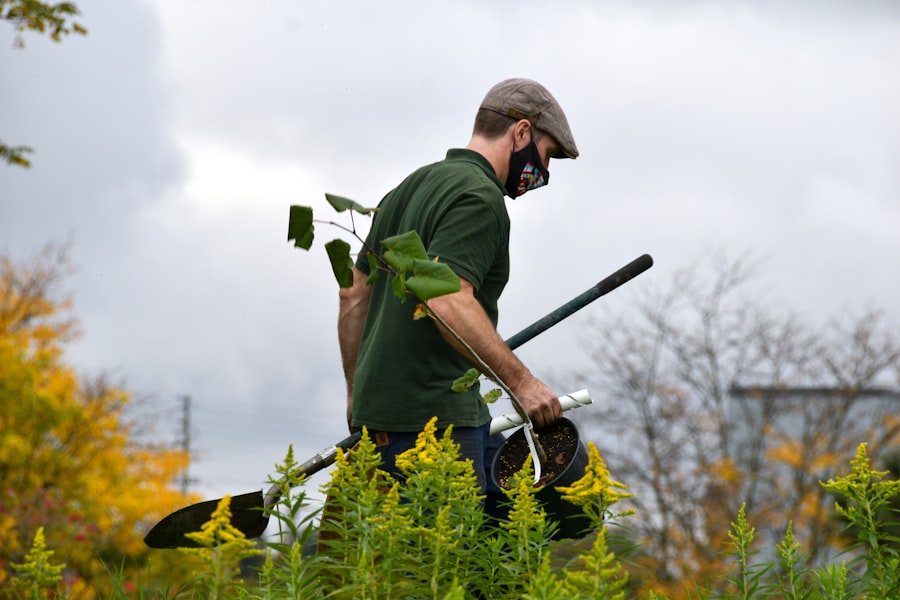
One of the most profound impacts of community involvement in reforestation is the sense of ownership and stewardship it cultivates among participants. When you plant a tree or nurture a sapling, you develop a personal connection to that living organism. This bond fosters a sense of responsibility for its growth and well-being.
As you watch your efforts flourish over time, you become more invested in the health of your local environment. This sense of stewardship extends beyond individual actions; it encourages collective responsibility within the community. You may find yourself advocating for policies that protect green spaces or participating in local environmental committees.
By taking ownership of reforestation initiatives, you empower yourself and others to become active participants in shaping the future of your community’s natural landscape. This shift from passive observer to engaged steward is crucial for fostering lasting change.
Celebrating the Successes and Impact of Community-led Reforestation Projects
Celebrating successes is an essential part of any community-led initiative, including reforestation projects. When you take the time to acknowledge milestones—whether it’s planting a certain number of trees or restoring a specific area—you reinforce the value of collective effort. Celebrations can take many forms: community gatherings, social media shout-outs, or even local festivals centered around environmental themes.
These events not only recognize hard work but also serve as powerful motivators for continued participation. Moreover, sharing success stories can inspire other communities to embark on their own reforestation journeys. When you highlight the positive impacts of your efforts—such as improved air quality or increased biodiversity—you provide tangible evidence that grassroots initiatives can lead to meaningful change.
By showcasing these achievements, you encourage others to believe in their ability to make a difference and foster a broader movement toward environmental restoration.
The Future of Reforestation: How Communities Can Lead the Way
As we look toward the future of reforestation, it’s clear that communities will play an increasingly vital role in shaping these efforts. Your unique insights into local ecosystems and cultural practices position you as key stakeholders in environmental restoration initiatives. By continuing to engage with one another and share knowledge, communities can develop innovative strategies that address both ecological needs and social challenges.
In this evolving landscape, technology will also play a significant role in enhancing community-led reforestation efforts. From mobile apps that track tree growth to online platforms for organizing events and sharing resources, digital tools can facilitate collaboration and streamline communication among community members. As you embrace these advancements while remaining grounded in local traditions and practices, you can lead the way toward a more sustainable future for both your community and the planet.
In conclusion, your involvement in reforestation efforts is not just beneficial; it is essential for creating thriving ecosystems and resilient communities. By engaging with your neighbors, educating yourselves about environmental issues, and celebrating successes together, you contribute to a movement that has far-reaching impacts on both local landscapes and global sustainability goals. The future is bright when communities unite for a common cause—together, you can lead the way toward a greener tomorrow.
In a related article on biodiversity reservoirs in healthy forests, the importance of reforestation in preserving diverse ecosystems is highlighted. This article delves into how planting trees can create habitats for a variety of plant and animal species, ultimately contributing to the overall health of our planet. It further emphasizes the crucial role that communities play in reforesting efforts and the positive impact their involvement can have on biodiversity conservation. By working together to plant trees and restore forests, communities can help combat climate change and deforestation while promoting a healthier environment for all.
FAQs
What is the role of community in reforesting our world?
Communities play a crucial role in reforesting our world by participating in tree planting initiatives, advocating for sustainable land use, and educating others about the importance of forests.
How can communities contribute to reforestation efforts?
Communities can contribute to reforestation efforts by organizing tree planting events, supporting local conservation projects, and promoting sustainable forestry practices.
Why is community involvement important in reforestation?
Community involvement is important in reforestation because it fosters a sense of ownership and responsibility for the environment, leading to more sustainable and long-term conservation efforts.
What are the benefits of community-led reforestation projects?
Community-led reforestation projects can lead to improved air and water quality, enhanced biodiversity, and increased resilience to climate change, while also fostering a sense of community pride and connection to nature.