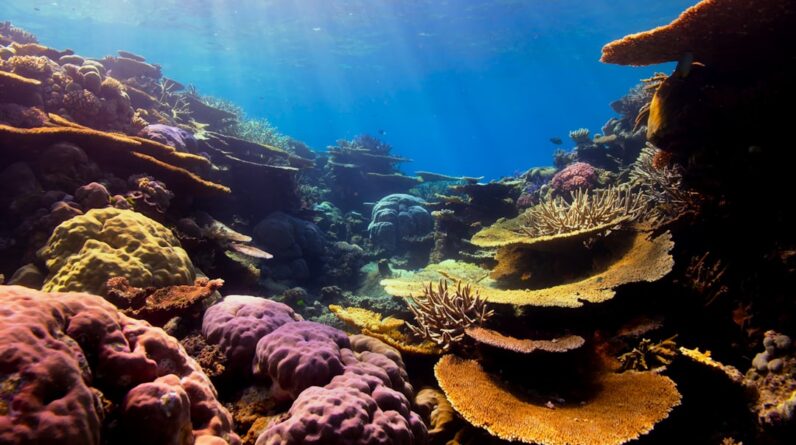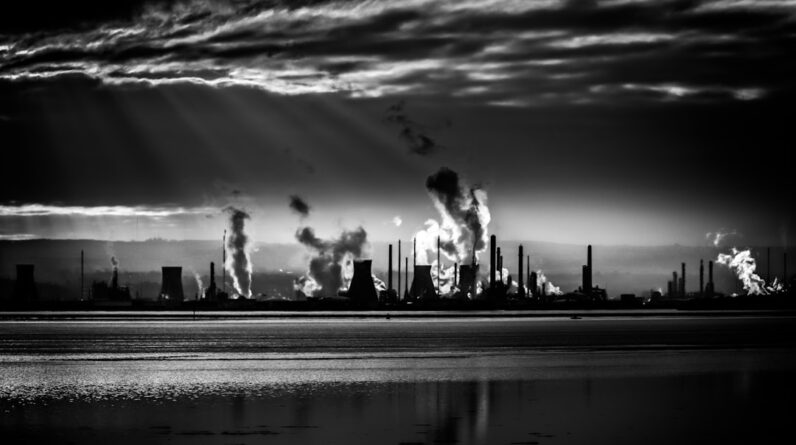
As you delve into the history of climate science, you will find that the early warnings from scientists were both profound and unsettling. In the latter half of the 20th century, researchers began to uncover the alarming effects of greenhouse gas emissions on the planet’s climate systems. The data was irrefutable: rising levels of carbon dioxide and other pollutants were leading to an increase in global temperatures.
You might recall hearing about the pivotal reports from organizations like the Intergovernmental Panel on Climate Change (IPCC), which synthesized decades of research and presented a stark picture of the future if action was not taken. These findings were not merely theoretical; they were backed by empirical evidence that indicated a clear trajectory toward catastrophic climate events. The implications of these discoveries were far-reaching.
You may have noticed how scientists warned of more frequent and severe weather events, rising sea levels, and the loss of biodiversity. These early warnings were not just academic; they were calls to action that resonated with environmentalists, policymakers, and concerned citizens alike. Yet, despite the clarity of the data, many in positions of power chose to ignore or downplay these warnings.
As you reflect on this period, it becomes evident that the scientific community was not only trying to inform the public but also urging governments and industries to take immediate steps to mitigate the impending crisis.
Key Takeaways
- Scientists have made alarming discoveries about the impact of climate change, including rising sea levels and extreme weather events.
- Fossil fuel companies have hindered progress by interfering with climate research and spreading misinformation about the effects of their industry.
- Political gridlock has made enacting climate policies challenging, with conflicting interests and lack of consensus on the best course of action.
- Misinformation and denial have played a significant role in shaping public perception of climate change, leading to skepticism and inaction.
- Global cooperation on climate change is complicated by conflicting national interests and the difficulty of reaching consensus on emissions reduction targets.
Industry Interference: How Fossil Fuel Companies Hindered Progress
As you explore the intersection of science and industry, it becomes clear that fossil fuel companies played a significant role in hindering progress on climate action. These corporations, driven by profit motives, often prioritized short-term gains over long-term sustainability. You might find it shocking to learn that many of these companies were aware of the detrimental effects of their products on the environment long before the public was informed.
Internal documents from major oil and gas companies revealed that they had conducted extensive research on climate change, yet they chose to suppress this information to protect their interests. The tactics employed by these companies were multifaceted. You may have encountered instances where they funded misinformation campaigns aimed at discrediting climate science and sowing doubt among the public.
By casting uncertainty on the validity of scientific findings, they effectively stalled meaningful policy discussions and delayed necessary regulatory changes. This interference not only undermined public trust in science but also created a significant barrier to progress in addressing climate change. As you consider the implications of this corporate influence, it becomes evident that the fight against climate change is not just a battle for environmental preservation but also a struggle against powerful economic interests.
Political Gridlock: The Challenges of Enacting Climate Policies
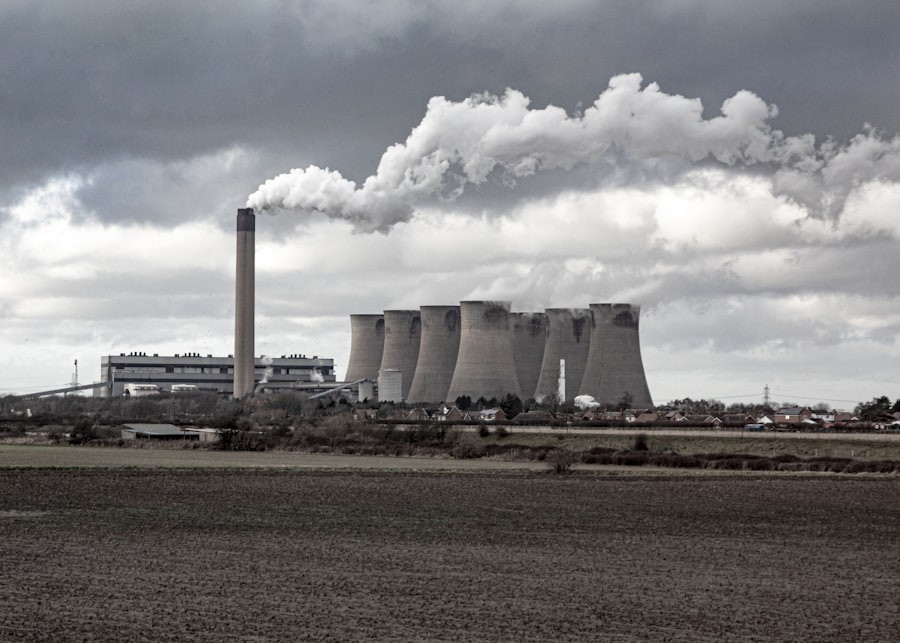
Navigating the political landscape surrounding climate change can be incredibly frustrating. You may have observed how political gridlock has stymied efforts to enact meaningful climate policies in various countries. The issue is often polarized, with differing opinions on the urgency and methods of addressing climate change.
This division can lead to legislative stalemates, where proposed policies are either watered down or completely blocked by opposing factions. As you analyze this situation, it becomes clear that achieving consensus on climate action is a complex challenge that requires collaboration across party lines. Moreover, you might find it disheartening to see how climate change is often relegated to a secondary issue in political discourse.
Economic concerns, national security, and other pressing matters frequently overshadow discussions about environmental policy. This lack of prioritization can lead to missed opportunities for proactive measures that could mitigate future crises. As you reflect on these challenges, it is essential to recognize that overcoming political gridlock will require not only strong leadership but also a mobilized electorate demanding action on climate issues.
Public Perception: The Role of Misinformation and Denial
Public perception plays a crucial role in shaping climate policy and action. You may have noticed how misinformation and denial have permeated discussions about climate change, creating confusion and skepticism among the general populace. This phenomenon is not merely a byproduct of ignorance; it is often fueled by deliberate campaigns designed to mislead and manipulate public opinion.
As you consider this aspect, it becomes evident that combating misinformation is essential for fostering a well-informed citizenry capable of advocating for effective climate solutions. The impact of denialism cannot be understated. You might find it alarming that a significant portion of the population remains unconvinced about the reality of climate change despite overwhelming scientific consensus.
This denial can stem from various factors, including ideological beliefs, economic interests, and social influences. As you engage with this topic, it is important to recognize that changing public perception requires more than just presenting facts; it necessitates effective communication strategies that resonate with people’s values and concerns. By addressing the root causes of misinformation and denial, you can contribute to a more informed dialogue about climate action.
International Negotiations: The Complications of Global Cooperation
When you turn your attention to international negotiations on climate change, you will encounter a complex web of interests and challenges. The global nature of climate change necessitates cooperation among nations, yet differing priorities often complicate these discussions. You may have observed how developed countries and developing nations frequently clash over responsibilities and resources in addressing climate issues.
This tension can hinder progress toward meaningful agreements, as each party seeks to protect its own interests while navigating the intricacies of global diplomacy. The Paris Agreement serves as a prime example of both progress and challenges in international negotiations. While it represents a significant step forward in uniting countries around common goals, you might find it frustrating that compliance and accountability mechanisms remain weak.
Many nations have made pledges to reduce emissions, but without stringent enforcement measures, these commitments can easily fall by the wayside. As you reflect on the complexities of global cooperation, it becomes clear that fostering trust and collaboration among nations is essential for achieving lasting solutions to climate change.
Economic Concerns: Balancing Environmental Action with Financial Stability
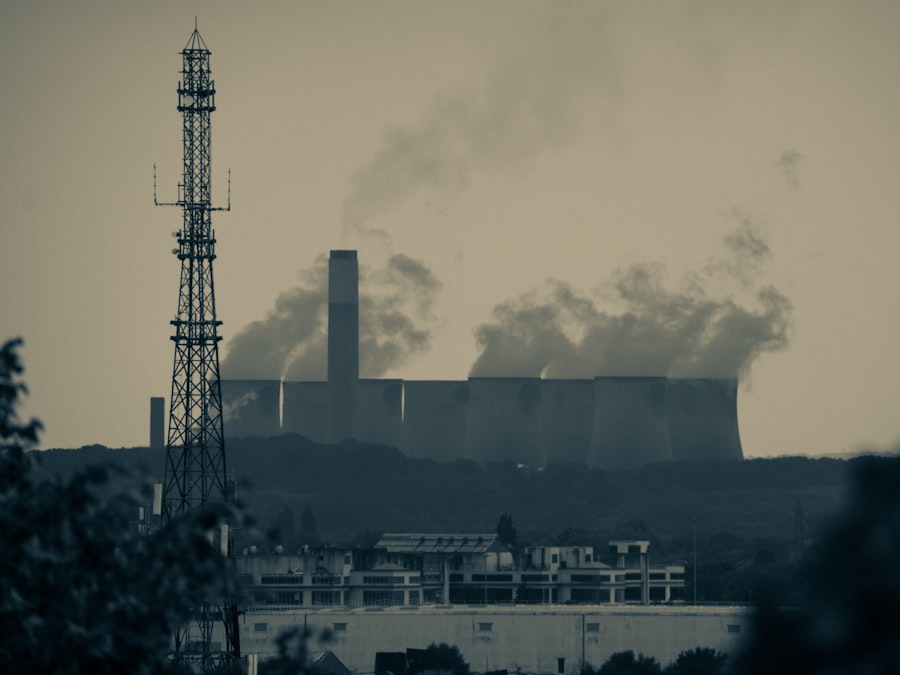
As you consider the economic implications of climate action, you may grapple with the delicate balance between environmental sustainability and financial stability. Many policymakers express concerns about the potential economic fallout from transitioning away from fossil fuels and implementing stringent environmental regulations. You might find it interesting that while some view climate action as a burden on economic growth, others argue that investing in sustainable practices can lead to new job opportunities and innovation.
The challenge lies in shifting perceptions about the relationship between economic growth and environmental responsibility. You may have encountered arguments suggesting that immediate action on climate change could disrupt industries reliant on fossil fuels, leading to job losses and economic instability. However, as you explore this topic further, you will discover numerous examples of successful transitions toward greener economies that have not only mitigated environmental damage but also stimulated economic growth.
By emphasizing the long-term benefits of sustainable practices, you can help foster a more nuanced understanding of how economic concerns can align with environmental goals.
Technological Advances: The Potential for Innovation in Climate Solutions
In your exploration of climate solutions, you will undoubtedly encounter a wealth of technological advances that hold promise for mitigating climate change. Innovations in renewable energy sources such as solar, wind, and hydroelectric power are transforming the energy landscape and reducing reliance on fossil fuels. You may find it inspiring to learn about breakthroughs in energy storage technologies that enhance the efficiency and reliability of renewable energy systems.
These advancements not only contribute to reducing greenhouse gas emissions but also create opportunities for economic growth in emerging industries. Moreover, you might be intrigued by developments in carbon capture and storage technologies that aim to reduce emissions from existing fossil fuel infrastructure. As you delve deeper into this realm, it becomes evident that technological innovation is a critical component of any comprehensive strategy to combat climate change.
However, it is essential to recognize that technology alone cannot solve the crisis; it must be accompanied by robust policy frameworks and societal commitment to sustainability. By advocating for investment in research and development, you can play a role in fostering an environment conducive to innovation in climate solutions.
The Road Ahead: Overcoming Barriers to Effective Climate Action
As you contemplate the future of climate action, it is crucial to acknowledge the barriers that must be overcome to achieve meaningful progress. The challenges are multifaceted—ranging from political gridlock and industry interference to public misinformation and international cooperation issues. However, as daunting as these obstacles may seem, there is also a growing movement advocating for change at all levels of society.
You may find hope in grassroots initiatives, community-led projects, and youth activism that are driving awareness and demanding accountability from leaders. To pave the road ahead, it is essential for individuals like yourself to engage actively in discussions about climate change and advocate for policies that prioritize sustainability. By educating yourself and others about the science behind climate change and its impacts, you can help counter misinformation and foster informed dialogue within your community.
Additionally, supporting organizations dedicated to environmental advocacy can amplify your voice in pushing for systemic changes needed to address this global crisis effectively. In conclusion, while the path toward effective climate action is fraught with challenges, your involvement can make a difference. By understanding the complexities surrounding climate change—from scientific discoveries to political dynamics—you can contribute to building a more sustainable future for generations to come.
In a related article on preventing floods by massive tree planting, the importance of trees in mitigating the effects of climate change is highlighted. Trees play a crucial role in absorbing excess water, reducing the risk of flooding in vulnerable areas. This article emphasizes the positive impact that tree planting can have on the environment and the importance of incorporating this strategy into climate action plans. It serves as a reminder of the potential benefits of proactive measures to address climate change, contrasting with the delays and setbacks discussed in “The Deadly Delay: How Climate Action Was Derailed for Decades.”
FAQs
What is the article “The Deadly Delay: How Climate Action Was Derailed for Decades” about?
The article discusses how climate action was delayed for decades due to various factors and the consequences of this delay on the environment and society.
What are some of the factors that contributed to the delay in climate action?
Some of the factors that contributed to the delay in climate action include political resistance, industry lobbying, misinformation campaigns, and a lack of global cooperation.
What are the consequences of the delay in climate action?
The consequences of the delay in climate action include worsening climate change impacts such as extreme weather events, sea level rise, loss of biodiversity, and threats to food and water security.
How has the delay in climate action affected vulnerable communities?
Vulnerable communities, including low-income populations and indigenous peoples, have been disproportionately affected by the delay in climate action, facing increased risks and challenges related to climate change impacts.
What are some potential solutions to address the delay in climate action?
Potential solutions to address the delay in climate action include implementing policies to reduce greenhouse gas emissions, transitioning to renewable energy sources, promoting sustainable practices, and increasing global cooperation on climate change mitigation and adaptation efforts.