As you delve into the intricate world of oceanic ecosystems, you may find yourself surprised by the alarming state of the ocean’s oxygen balance. The oceans, which cover over 70% of the Earth’s surface, are not just vast bodies of water; they are vital to sustaining life on our planet. They produce more than half of the oxygen we breathe, thanks to the photosynthetic activities of marine plants and phytoplankton.
However, recent studies indicate that the oxygen levels in our oceans are declining at an unprecedented rate. This decline poses a significant threat to marine life and, by extension, to human life. The current state of oceanic oxygen levels is a cause for concern.
Research shows that the ocean has lost approximately 2% of its oxygen content since the late 20th century, with projections suggesting that this trend could continue if no action is taken. Areas known as “dead zones,” where oxygen levels are so low that most marine life cannot survive, are becoming increasingly common. These zones are often found near coastal regions where nutrient runoff from agriculture and urban areas leads to algal blooms.
As these blooms die and decompose, they consume even more oxygen, creating a vicious cycle that further exacerbates the problem. Understanding this current state is crucial for anyone interested in marine conservation and the health of our planet.
Key Takeaways
- The ocean’s oxygen balance is currently in a state of decline, posing a threat to marine life and ecosystems.
- Factors contributing to this decline include climate change, nutrient pollution, and overfishing, among others.
- Potential solutions for restoring the ocean’s oxygen balance include reducing carbon emissions, controlling nutrient runoff, and implementing sustainable fishing practices.
- Marine conservation and protection play a crucial role in oxygen restoration efforts by preserving and restoring critical habitats and ecosystems.
- Addressing climate change is essential in oxygen restoration, as it directly impacts ocean temperatures and circulation patterns, affecting oxygen levels.
Factors Contributing to the Decline in Oceanic Oxygen Levels
You might wonder what exactly is driving this decline in oceanic oxygen levels. Several interrelated factors contribute to this pressing issue, with climate change being one of the most significant. As global temperatures rise, so do ocean temperatures.
Warmer water holds less oxygen than cooler water, leading to a natural decrease in available oxygen for marine organisms. This phenomenon is particularly concerning for species that rely on specific temperature ranges for survival and reproduction. Another critical factor is nutrient pollution, primarily from agricultural runoff and wastewater discharge.
When excess nutrients, such as nitrogen and phosphorus, enter the ocean, they stimulate excessive growth of phytoplankton. While these organisms are essential for oxygen production, their overabundance can lead to harmful algal blooms. When these blooms die off, they sink to the ocean floor and decompose, a process that consumes vast amounts of oxygen and creates hypoxic conditions.
This cycle not only threatens marine biodiversity but also disrupts entire ecosystems, making it imperative for you to understand these contributing factors if you wish to advocate for effective solutions.
Potential Solutions for Restoring the Ocean’s Oxygen Balance

As you consider the challenges posed by declining oceanic oxygen levels, it’s essential to explore potential solutions that could help restore this vital balance. One promising approach involves reducing nutrient pollution through better agricultural practices. Implementing sustainable farming techniques, such as crop rotation and cover cropping, can significantly decrease the amount of fertilizer runoff entering waterways.
Additionally, investing in advanced wastewater treatment technologies can help minimize nutrient discharge into coastal waters. Another solution lies in enhancing marine protected areas (MPAs). By designating specific regions of the ocean as protected zones, you can help create safe havens for marine life to thrive without the pressures of overfishing and habitat destruction.
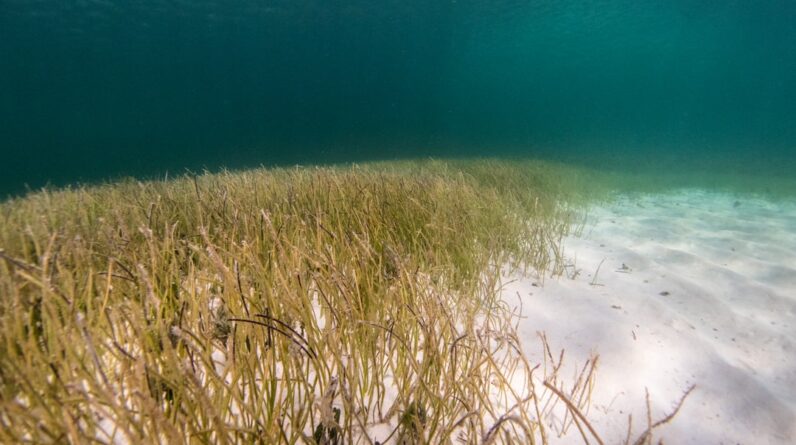
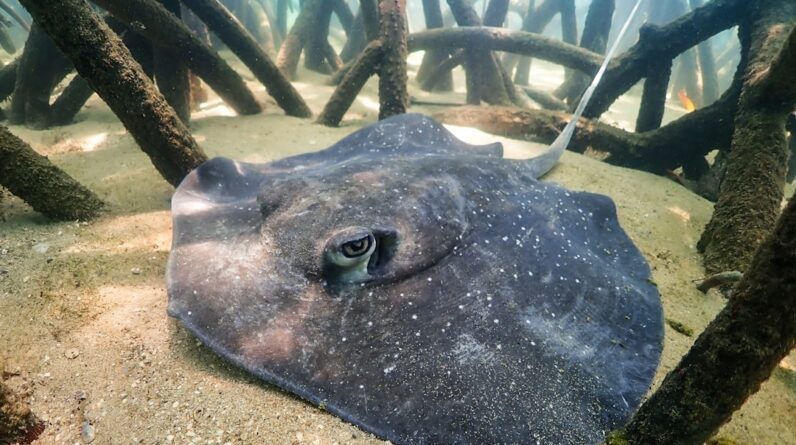
These areas can serve as critical refuges for species that are particularly vulnerable to low oxygen levels. Furthermore, restoring coastal ecosystems like mangroves and seagrasses can also play a vital role in improving oxygen levels. These habitats not only provide essential services such as carbon sequestration but also support diverse marine life, contributing to a healthier ocean overall.
The Role of Marine Conservation and Protection in Oxygen Restoration
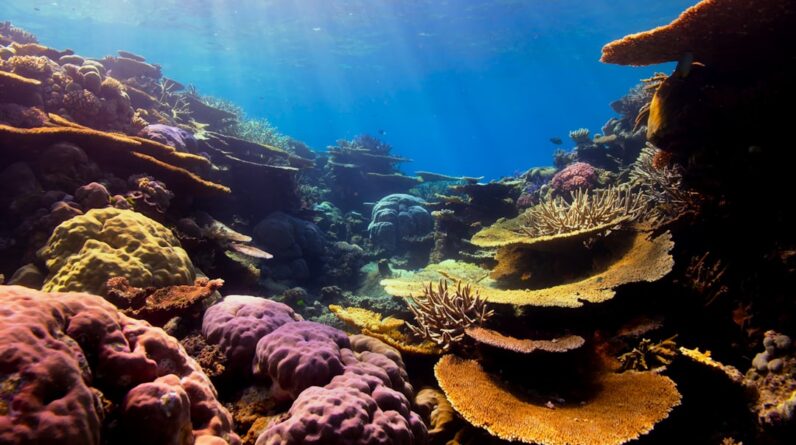
Marine conservation plays a pivotal role in addressing the decline in oceanic oxygen levels. As you engage with this topic, you may find it enlightening to consider how protecting marine biodiversity can lead to healthier ecosystems capable of producing more oxygen. Healthy coral reefs, for instance, support a myriad of marine species and contribute significantly to oxygen production through photosynthesis.
By prioritizing conservation efforts, you can help ensure that these vital ecosystems remain intact and functional. Moreover, community involvement in marine conservation initiatives can amplify your impact. Participating in beach clean-ups or advocating for policies that protect marine habitats can foster a sense of stewardship within your community.
When individuals come together to support conservation efforts, they create a collective force that can drive meaningful change. By raising awareness about the importance of marine protection and its direct link to oxygen restoration, you can inspire others to take action and contribute to a healthier ocean.
The Importance of Addressing Climate Change in Oxygen Restoration Efforts
As you explore solutions for restoring oceanic oxygen levels, it becomes increasingly clear that addressing climate change is paramount. The interconnectedness of climate change and ocean health cannot be overstated; rising temperatures not only affect oxygen solubility but also disrupt marine ecosystems in myriad ways. For instance, increased carbon dioxide levels lead to ocean acidification, which poses additional threats to marine life, particularly organisms with calcium carbonate shells or skeletons.
To effectively restore the ocean’s oxygen balance, you must advocate for comprehensive climate action at both local and global levels. Supporting policies aimed at reducing greenhouse gas emissions is crucial for mitigating climate change’s impact on oceans. Transitioning to renewable energy sources and promoting energy efficiency can significantly reduce your carbon footprint while contributing to a more sustainable future for our oceans.
By recognizing the importance of climate action in your efforts to restore oceanic oxygen levels, you position yourself as an informed advocate for both marine health and climate resilience.
The Impact of Oceanic Oxygen Restoration on Marine Life and Ecosystems

Restoring the ocean’s oxygen balance has far-reaching implications for marine life and ecosystems. As you consider the potential benefits of increased oxygen levels, envision vibrant coral reefs teeming with diverse fish species and thriving coastal habitats that support a multitude of organisms. Healthy oxygen levels are essential for maintaining biodiversity; many marine species depend on adequate oxygen supplies for survival, growth, and reproduction.
Moreover, restoring oxygen levels can enhance ecosystem resilience against environmental stressors such as climate change and pollution. When marine ecosystems are healthy and balanced, they are better equipped to withstand disturbances and recover from adverse events. This resilience is crucial not only for marine life but also for human communities that rely on these ecosystems for food security and economic stability.
By understanding the positive impact of oceanic oxygen restoration on marine life and ecosystems, you can appreciate the broader significance of your efforts in advocating for healthier oceans.
The Timeline and Feasibility of Restoring the Ocean’s Oxygen Balance
As you contemplate the feasibility of restoring the ocean’s oxygen balance, it’s essential to recognize that while challenges exist, progress is possible with concerted effort and commitment. The timeline for restoration varies depending on several factors, including the specific region being addressed and the extent of existing damage. In some areas, immediate actions such as reducing nutrient pollution can yield relatively quick results; however, more extensive restoration efforts may take years or even decades to fully realize their potential.
You should also consider that restoration is not a linear process; it requires ongoing monitoring and adaptive management strategies to ensure success. Engaging with scientists and conservationists who specialize in marine ecosystems can provide valuable insights into effective restoration practices tailored to specific conditions. By staying informed about advancements in marine science and restoration techniques, you can contribute meaningfully to discussions about timelines and feasibility while remaining optimistic about the potential for positive change.
Individual and Collective Actions to Support Oceanic Oxygen Restoration
Finally, as you reflect on your role in supporting oceanic oxygen restoration, consider both individual and collective actions that can make a difference. On a personal level, adopting sustainable practices in your daily life—such as reducing plastic use, conserving water, and supporting local seafood sources—can contribute to healthier oceans. Every small action counts; by making conscious choices that prioritize environmental sustainability, you set an example for others in your community.
Collectively, you can amplify your impact by joining or supporting organizations dedicated to marine conservation and restoration efforts. Participating in advocacy campaigns or volunteering for local initiatives can help raise awareness about the importance of ocean health and inspire others to take action. By fostering a sense of community around these issues, you create a powerful network of individuals committed to restoring the ocean’s oxygen balance.
Together, your collective efforts can lead to meaningful change that benefits not only marine life but also future generations who will inherit our planet’s oceans.
Can We Restore the Ocean’s Oxygen Balance in Our Lifetime? explores the urgent need to address the declining oxygen levels in the world’s oceans. A related article on increased tree planting unbalancing the world’s ecosystems sheds light on the interconnectedness of different ecosystems and the importance of finding sustainable solutions to environmental challenges. Both articles emphasize the critical role that individuals and communities play in preserving the health of our planet for future generations.
FAQs
What is the current status of the ocean’s oxygen balance?
The ocean’s oxygen balance is currently under threat due to factors such as climate change, pollution, and overfishing. These factors have led to a decline in oxygen levels in many parts of the ocean.
Why is it important to restore the ocean’s oxygen balance?
Restoring the ocean’s oxygen balance is crucial for the survival of marine life and the overall health of the ocean ecosystem. Oxygen is essential for the survival of fish, marine mammals, and other marine organisms.
What are some potential solutions for restoring the ocean’s oxygen balance?
Potential solutions for restoring the ocean’s oxygen balance include reducing carbon emissions to mitigate climate change, implementing sustainable fishing practices, and reducing pollution from sources such as agricultural runoff and industrial waste.
Is it possible to restore the ocean’s oxygen balance in our lifetime?
While the task of restoring the ocean’s oxygen balance is challenging, it is possible to make significant progress within our lifetime through concerted global efforts to address the root causes of oxygen depletion in the ocean.
What can individuals do to help restore the ocean’s oxygen balance?
Individuals can contribute to restoring the ocean’s oxygen balance by reducing their carbon footprint, supporting sustainable seafood practices, and advocating for policies that protect the ocean and its ecosystems.