
Healthy forests are vital to the well-being of our planet and all its inhabitants. They serve as the lungs of the Earth, producing oxygen and absorbing carbon dioxide, which is essential for maintaining a balanced atmosphere. When you think about forests, you might picture towering trees, vibrant wildlife, and lush undergrowth, but their significance extends far beyond their beauty.
They play a crucial role in regulating climate, supporting biodiversity, and providing resources that sustain human life. The intricate web of life that thrives within these ecosystems is a testament to their importance, as they offer habitats for countless species and contribute to the overall health of the environment. Moreover, healthy forests are essential for soil conservation and preventing erosion.
The roots of trees anchor the soil, reducing the risk of landslides and maintaining the integrity of the land. When you walk through a forest, you may notice how the ground is often covered with a rich layer of organic matter, which not only nourishes the plants but also helps retain moisture. This moisture retention is critical in areas prone to drought, as it ensures that both flora and fauna have access to the water they need to survive.
In essence, healthy forests are not just a resource; they are a foundation upon which ecosystems and human societies depend.
Key Takeaways
- Healthy forests are essential for maintaining a balanced ecosystem and providing numerous benefits to both the environment and human society.
- Forests play a crucial role in the water cycle by regulating water flow, reducing erosion, and maintaining water quality.
- Forests act as carbon sinks, absorbing and storing carbon dioxide from the atmosphere, thus helping to mitigate climate change.
- Biodiversity and ecosystem services provided by forests, such as pollination, nutrient cycling, and habitat for wildlife, are vital for the well-being of the planet.
- Threats to forest health, including deforestation, wildfires, and invasive species, pose significant challenges to the sustainability of forests and their ability to provide essential services.
The Role of Forests in Water Cycle
Forests play an indispensable role in the water cycle, acting as natural sponges that absorb rainfall and release moisture back into the atmosphere through a process known as transpiration. When you consider how much water is essential for life, it becomes clear that forests are integral to maintaining the balance of this precious resource. As trees absorb water from the soil, they release it into the air, contributing to cloud formation and precipitation.
This cycle not only supports the forest itself but also influences weather patterns in surrounding areas, ensuring that ecosystems remain hydrated and productive. Additionally, forests help regulate local climates by moderating temperatures and maintaining humidity levels. When you spend time in a forest, you may notice how the air feels cooler and more refreshing compared to urban environments.
This cooling effect is due to the shade provided by trees and their ability to release moisture into the air. Furthermore, forests act as natural filters for water, trapping pollutants and sediments before they can enter rivers and streams. This filtration process is crucial for maintaining clean water supplies for both wildlife and human populations.
By safeguarding water quality and availability, forests contribute significantly to the health of entire ecosystems.
Forests as Carbon Sinks

One of the most critical functions of forests is their ability to act as carbon sinks. Through photosynthesis, trees absorb carbon dioxide from the atmosphere and store it in their biomass—trunks, branches, leaves, and roots—as well as in the soil. This process is vital in combating climate change, as it helps reduce the concentration of greenhouse gases in the atmosphere.
When you think about climate change and its far-reaching impacts, it becomes evident that preserving healthy forests is one of the most effective strategies we have at our disposal. Moreover, the carbon storage capacity of forests varies depending on their type and age. Mature forests tend to store more carbon than younger ones due to their larger biomass.
This means that protecting existing forests and allowing them to thrive is essential for maximizing their carbon sequestration potential. You might be surprised to learn that deforestation not only releases stored carbon back into the atmosphere but also diminishes future carbon storage capabilities. Therefore, maintaining healthy forests is not just an environmental concern; it is a crucial component of global efforts to mitigate climate change.
Biodiversity and Ecosystem Services Provided by Forests
Forests are among the most biodiverse ecosystems on Earth, housing an incredible variety of plant and animal species. When you walk through a forest, you may encounter everything from towering trees to delicate ferns, vibrant flowers, and diverse wildlife. This rich biodiversity is essential for ecosystem resilience, allowing forests to adapt to changes such as climate fluctuations or disease outbreaks.
Each species plays a unique role in maintaining ecological balance, contributing to processes like pollination, seed dispersal, and nutrient cycling. In addition to supporting biodiversity, forests provide numerous ecosystem services that benefit humanity. These services include clean air and water, soil fertility, and natural resources such as timber and non-timber forest products like fruits, nuts, and medicinal plants.
When you consider how much we rely on these resources for our daily lives, it becomes clear that healthy forests are indispensable for our survival. Furthermore, forests offer recreational opportunities and cultural significance for many communities around the world. Whether it’s hiking through a serene woodland or participating in traditional practices tied to forest ecosystems, these experiences enrich our lives and foster a deeper connection with nature.
Threats to Forest Health
Despite their importance, forests face numerous threats that jeopardize their health and sustainability. Deforestation remains one of the most pressing issues, driven primarily by agricultural expansion, logging, and urban development. When you witness large swathes of forest being cleared for farmland or infrastructure projects, it can be disheartening to realize the long-term consequences of such actions.
Deforestation not only leads to habitat loss for countless species but also disrupts vital ecosystem services like carbon storage and water regulation. In addition to deforestation, climate change poses significant challenges to forest health. Rising temperatures and altered precipitation patterns can stress trees and make them more susceptible to pests and diseases.
You may have noticed how certain regions experience increased wildfires or insect infestations due to changing climatic conditions. These disturbances can have cascading effects on forest ecosystems, leading to further degradation and loss of biodiversity. Addressing these threats requires a concerted effort from individuals, communities, governments, and organizations worldwide.
Sustainable Forest Management
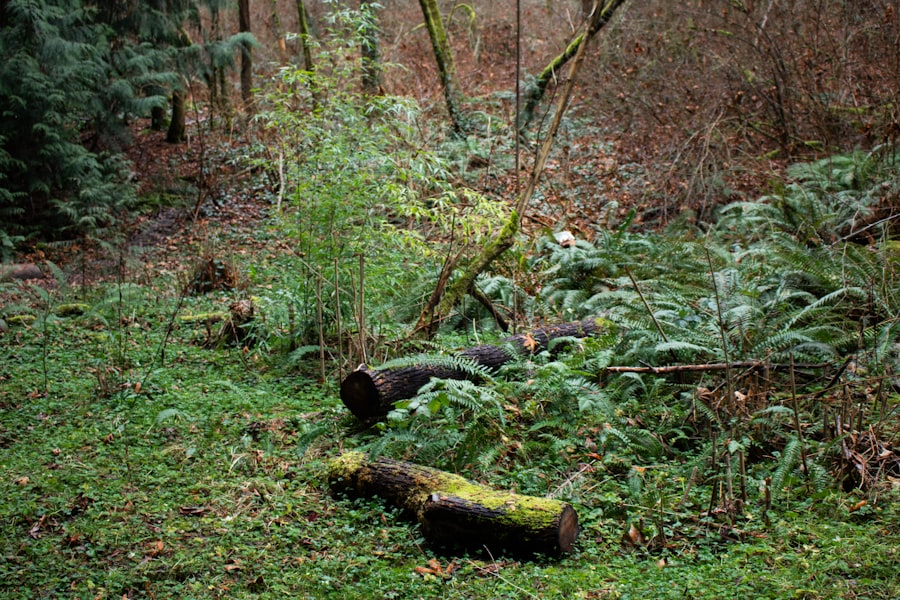
Sustainable forest management (SFM) offers a pathway to balance human needs with environmental conservation. It involves managing forest resources in a way that meets current demands without compromising the ability of future generations to meet their own needs. When you think about sustainable practices in forestry, consider how they encompass not only timber production but also biodiversity conservation, soil health, and community engagement.
By adopting SFM principles, you can help ensure that forests continue to thrive while providing essential resources. One key aspect of sustainable forest management is promoting responsible logging practices that minimize environmental impact. This includes selective logging techniques that allow for the regeneration of trees while preserving overall forest structure.
Additionally, SFM emphasizes reforestation efforts to restore degraded areas and enhance carbon sequestration capabilities. You might be surprised by how much positive change can occur when communities come together to plant trees or support local conservation initiatives. By participating in these efforts or advocating for sustainable policies, you contribute to a healthier planet.
The Connection Between Forests and Human Well-being
The connection between forests and human well-being is profound and multifaceted. Forests provide essential resources such as food, medicine, and materials for shelter and clothing. When you consider how many products we use daily—ranging from paper to furniture—it’s clear that our lives are intertwined with forest ecosystems.
Beyond material benefits, forests also offer psychological advantages; spending time in nature has been shown to reduce stress levels and improve mental health. You may have experienced this firsthand during a peaceful walk through a wooded area or while enjoying a picnic under a canopy of trees. Furthermore, forests hold cultural significance for many communities around the world.
Indigenous peoples often have deep-rooted connections to their ancestral lands, relying on forests for sustenance and spiritual practices. When you learn about these relationships, it becomes evident that protecting forests is not just an environmental issue but also a matter of social justice and cultural preservation. By advocating for policies that recognize the rights of indigenous communities and promote sustainable practices, you contribute to a more equitable future for both people and nature.
Actions to Protect and Restore Healthy Forests
Taking action to protect and restore healthy forests requires collective effort at various levels—individuals, communities, governments, and organizations all play crucial roles in this endeavor. As an individual, you can start by making conscious choices in your daily life: support sustainable products, reduce paper usage, or participate in local tree-planting initiatives. Every small action counts when it comes to fostering a culture of conservation.
On a larger scale, advocating for policies that prioritize forest protection is essential. You can engage with local representatives or join environmental organizations working towards sustainable forestry practices or reforestation projects. Additionally, raising awareness about the importance of healthy forests within your community can inspire others to take action as well.
By sharing knowledge about the benefits of forests and the threats they face, you contribute to a growing movement dedicated to preserving these vital ecosystems for generations to come. In conclusion, healthy forests are indispensable for maintaining ecological balance and supporting human well-being. Their role in the water cycle, carbon sequestration, biodiversity conservation, and provision of ecosystem services cannot be overstated.
However, threats such as deforestation and climate change pose significant challenges that require immediate attention. By embracing sustainable forest management practices and taking action at both individual and community levels, you can help protect and restore healthy forests—ensuring that they continue to thrive for future generations while enriching our lives today.
If you enjoyed reading about the importance of healthy forests in The Thirsty Planet’s Best Friend: A Healthy Forest, you may also be interested in learning more about the impact of increased tree planting on the world’s ecosystems. Check out this article to explore how planting more trees can have unintended consequences on the delicate balance of our planet’s ecosystems.
FAQs
What is a healthy forest?
A healthy forest is a forest ecosystem that is well-balanced and able to support a wide variety of plant and animal species. It has a diverse range of trees and other vegetation, as well as a healthy population of wildlife.
Why are healthy forests important for the planet?
Healthy forests play a crucial role in maintaining the Earth’s ecosystem. They help to regulate the climate, provide habitat for wildlife, purify the air and water, and support the livelihoods of millions of people around the world.
How do healthy forests help to combat climate change?
Healthy forests act as carbon sinks, absorbing carbon dioxide from the atmosphere and storing it in their trees and soil. This helps to reduce the amount of greenhouse gases in the atmosphere, which in turn helps to mitigate climate change.
What are some of the threats to healthy forests?
Some of the major threats to healthy forests include deforestation, illegal logging, wildfires, invasive species, and climate change. These factors can disrupt the delicate balance of forest ecosystems and lead to a decline in their health.
What can be done to protect and maintain healthy forests?
There are several measures that can be taken to protect and maintain healthy forests, including sustainable logging practices, reforestation efforts, conservation of wildlife habitats, and the implementation of policies to combat deforestation and illegal logging. Additionally, raising awareness about the importance of healthy forests and promoting responsible consumer choices can also help to support forest conservation efforts.