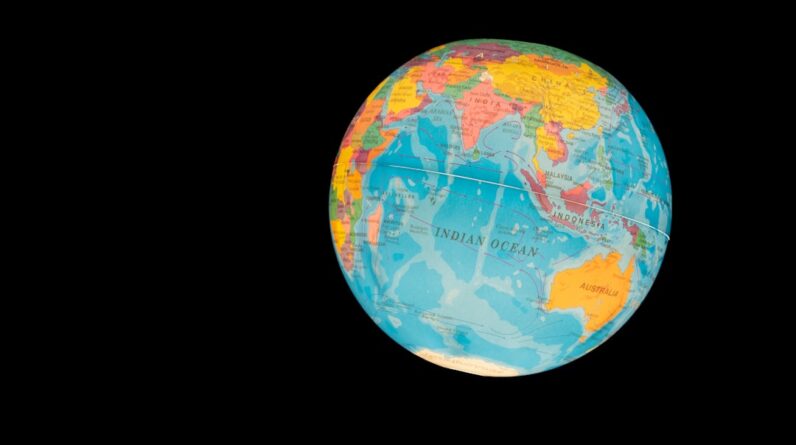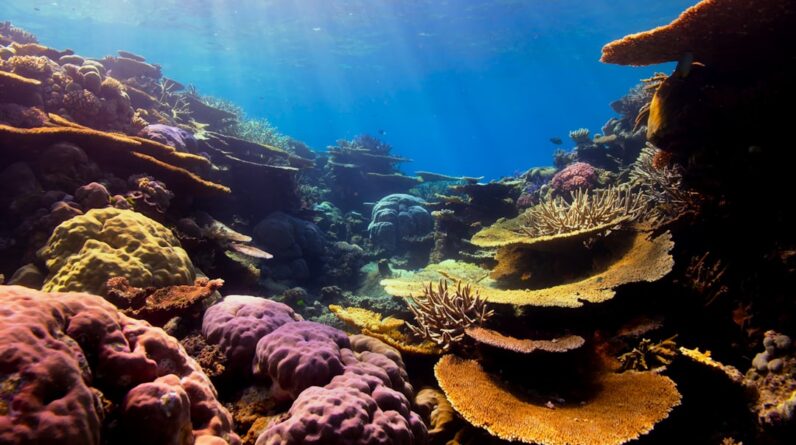
When you think about the air you breathe, it’s easy to overlook the vast oceans that play a crucial role in producing the oxygen essential for life on Earth. The oceans are not just a source of beauty and biodiversity; they are also a powerhouse of oxygen production, contributing nearly half of the oxygen in our atmosphere. This remarkable process is vital for sustaining life, not only for marine organisms but also for humans and terrestrial ecosystems.
As you delve deeper into the significance of oceanic oxygen production, you will come to appreciate how interconnected our planet’s systems truly are. The importance of oceanic oxygen production extends beyond mere numbers. It is a fundamental component of the Earth’s climate system, influencing weather patterns and regulating temperatures.
The oceans act as a carbon sink, absorbing carbon dioxide from the atmosphere and mitigating the effects of climate change. Without the oxygen generated by oceanic processes, life as you know it would be drastically different. Understanding this intricate relationship between the oceans and atmospheric oxygen can inspire you to take action in preserving these vital ecosystems.
Key Takeaways
- Oceanic oxygen production is crucial for maintaining the balance of oxygen in the atmosphere and supporting marine life.
- Phytoplankton play a key role in oceanic oxygen production through the process of photosynthesis.
- Climate change is impacting oceanic oxygen production through rising sea temperatures and ocean acidification.
- Oceanic oxygen production is closely linked to the health and survival of marine organisms and ecosystems.
- The decline in oceanic oxygen production can have negative effects on human health and the overall well-being of the planet.
How Oceanic Oxygen Production Works
Oceanic oxygen production is primarily driven by a process known as photosynthesis, which occurs in the upper layers of the ocean where sunlight penetrates. In this process, marine plants and microorganisms convert carbon dioxide and sunlight into organic matter while releasing oxygen as a byproduct. This natural phenomenon is not limited to large seaweeds or corals; it predominantly involves microscopic organisms known as phytoplankton.
These tiny powerhouses thrive in nutrient-rich waters and are responsible for producing a significant portion of the Earth’s oxygen. As you explore how this process works, you will discover that various factors influence the efficiency of oceanic oxygen production. Nutrient availability, water temperature, and light penetration all play critical roles in determining how much oxygen is generated.
For instance, areas with upwelling currents often experience higher nutrient concentrations, leading to increased phytoplankton growth and, consequently, more oxygen production. Understanding these dynamics can help you appreciate the delicate balance that sustains life in our oceans.
The Role of Phytoplankton in Oxygen Production

Phytoplankton are often referred to as the “lungs of the Earth” due to their immense contribution to global oxygen levels. These microscopic organisms are not only essential for oxygen production but also form the foundation of marine food webs. As you learn more about phytoplankton, you will realize that they come in various shapes and sizes, each playing a unique role in their ecosystems.
From diatoms to dinoflagellates, these organisms exhibit remarkable diversity and adaptability. The significance of phytoplankton extends beyond their role in oxygen production; they also influence global climate patterns. By absorbing carbon dioxide during photosynthesis, they help regulate atmospheric CO2 levels, thereby playing a part in climate stabilization.
Additionally, phytoplankton contribute to the ocean’s color and clarity, affecting light penetration and influencing other marine life forms. Recognizing the multifaceted roles of phytoplankton can deepen your understanding of their importance in maintaining ecological balance.
The Impact of Climate Change on Oceanic Oxygen Production
As you consider the future of oceanic oxygen production, it is impossible to ignore the profound impact of climate change on this vital process. Rising sea temperatures and increased ocean acidification pose significant threats to phytoplankton populations and their ability to produce oxygen. Warmer waters can lead to stratification, where layers of water become separated by temperature differences, limiting nutrient mixing and reducing phytoplankton growth.
This disruption can have cascading effects on marine ecosystems and the overall health of our oceans. Moreover, climate change can alter ocean currents and circulation patterns, further impacting nutrient distribution and availability for phytoplankton. As these changes unfold, you may witness shifts in marine biodiversity and productivity that could have far-reaching consequences for both marine life and human populations that rely on healthy oceans for food and livelihoods.
Understanding these challenges can empower you to advocate for policies aimed at mitigating climate change and protecting our oceans.
The Connection Between Oceanic Oxygen Production and Marine Life
The relationship between oceanic oxygen production and marine life is intricate and vital for maintaining healthy ecosystems. As you explore this connection, you will find that many marine species depend on the oxygen produced by phytoplankton for survival. Fish, crustaceans, and other marine organisms rely on dissolved oxygen in seawater to thrive.
A decline in oceanic oxygen levels can lead to hypoxic conditions—areas where oxygen is insufficient to support most marine life—resulting in dead zones that disrupt entire ecosystems. Additionally, the health of marine life is closely tied to the productivity of phytoplankton. Healthy phytoplankton populations support diverse food webs, providing nourishment for larger organisms up the chain.
When phytoplankton populations decline due to environmental stressors, such as pollution or climate change, it can lead to reduced fish stocks and diminished biodiversity. Recognizing this connection can inspire you to take action in protecting marine habitats and advocating for sustainable fishing practices.
The Significance of Oceanic Oxygen Production for Human Health

The implications of oceanic oxygen production extend beyond ecological concerns; they also have direct consequences for human health. As you consider your own well-being, it becomes clear that healthy oceans contribute to clean air and a stable climate—both essential for human survival. The oxygen produced by oceanic processes supports not only your respiratory needs but also plays a role in regulating atmospheric conditions that affect weather patterns and agricultural productivity.
Furthermore, healthy oceans provide a wealth of resources that contribute to human health, including seafood rich in omega-3 fatty acids and other essential nutrients. As fish populations decline due to overfishing or habitat degradation linked to reduced oxygen levels, your access to these vital food sources may be compromised. Understanding the interconnectedness of ocean health and human health can motivate you to engage in conservation efforts that protect both marine ecosystems and your own well-being.
Conservation Efforts to Protect Oceanic Oxygen Production
In light of the challenges facing oceanic oxygen production, various conservation efforts are underway to protect these vital ecosystems. As you explore these initiatives, you will find that they encompass a range of strategies aimed at preserving marine habitats and promoting sustainable practices. Marine protected areas (MPAs) are one such approach, providing safe havens for marine life while allowing ecosystems to recover from human impacts.
Additionally, efforts to reduce pollution—particularly nutrient runoff from agriculture—are crucial for maintaining healthy phytoplankton populations. By advocating for sustainable farming practices and supporting policies that limit chemical use, you can contribute to reducing nutrient loading in coastal waters. Engaging with local conservation organizations or participating in beach clean-ups can also make a tangible difference in protecting oceanic health.
Future Challenges and Opportunities for Oceanic Oxygen Production
Looking ahead, the future of oceanic oxygen production presents both challenges and opportunities that require your attention and action. Climate change remains a significant threat, but advancements in technology and science offer hope for mitigating its impacts on marine ecosystems. Innovative approaches such as carbon capture and storage could help reduce atmospheric CO2 levels while promoting healthier oceans.
Moreover, increased awareness about the importance of oceanic oxygen production has led to greater public engagement in conservation efforts. As more individuals recognize their role in protecting marine environments, collective action can drive meaningful change. By staying informed about ocean health issues and advocating for sustainable practices, you can contribute to a brighter future for both our oceans and the planet as a whole.
In conclusion, understanding the importance of oceanic oxygen production is essential for appreciating the intricate connections between marine ecosystems, human health, and climate stability. By recognizing your role in this complex web of life, you can take meaningful steps toward protecting our oceans for generations to come.
In a related article on how planting trees helps combat climate change, it is discussed how trees play a crucial role in absorbing carbon dioxide and releasing oxygen, similar to the ocean’s oxygen production. Both articles highlight the importance of preserving and restoring natural ecosystems to maintain a healthy balance in our environment. By understanding the interconnectedness of these systems, we can work towards a more sustainable future for our planet.
FAQs
What is the role of the ocean in oxygen production?
The ocean is a major contributor to the Earth’s oxygen production, as it is estimated to produce between 50-85% of the oxygen in the atmosphere through the process of photosynthesis by marine plants, algae, and phytoplankton.
How does the ocean produce oxygen?
Marine plants, algae, and phytoplankton in the ocean use sunlight, carbon dioxide, and water to produce oxygen through the process of photosynthesis. This oxygen is then released into the atmosphere.
Why is the ocean’s oxygen production important?
The ocean’s oxygen production is crucial for supporting life on Earth, as oxygen is essential for the survival of marine organisms and terrestrial organisms, including humans. It also plays a key role in regulating the Earth’s climate and atmospheric composition.
What are the threats to the ocean’s oxygen production?
The ocean’s oxygen production is threatened by factors such as climate change, ocean acidification, pollution, and habitat destruction. These factors can negatively impact the health and abundance of marine plants, algae, and phytoplankton, leading to a decrease in oxygen production.
How can we protect the ocean’s oxygen production?
Protecting the ocean’s oxygen production requires addressing the root causes of its decline, such as reducing carbon emissions, minimizing pollution, and conserving marine habitats. Additionally, sustainable management of marine resources and promoting ocean conservation efforts are essential for safeguarding the ocean’s oxygen production.