
Carbon sequestration plays a pivotal role in combating climate change, a pressing issue that affects every corner of the globe. As you may know, the accumulation of carbon dioxide (CO2) in the atmosphere is a significant contributor to global warming. By capturing and storing this greenhouse gas, carbon sequestration helps mitigate its impact, allowing for a more stable climate.
This process is not just a scientific endeavor; it is a necessity for the survival of ecosystems and human societies alike. You might find it interesting that natural processes, such as photosynthesis in plants, are already working to sequester carbon, but human activities have drastically outpaced these natural mechanisms. The urgency of implementing effective carbon sequestration strategies cannot be overstated.
As you consider the future of our planet, think about the implications of rising temperatures, extreme weather events, and shifting ecosystems. These changes threaten biodiversity and human livelihoods. By investing in carbon sequestration, you are not only addressing the symptoms of climate change but also tackling its root causes.
The importance of this approach lies in its dual capacity to reduce atmospheric CO2 levels while simultaneously promoting sustainable land use practices that can enhance biodiversity and improve soil health.
Key Takeaways
- Reforestation plays a crucial role in carbon sequestration, helping to mitigate climate change and its impacts.
- Carbon sequestration credits have the potential to incentivize reforestation efforts and promote sustainable land management practices.
- Technology plays a key role in monitoring and verifying carbon sequestration, ensuring transparency and accuracy in carbon offset projects.
- Reforestation presents both challenges and opportunities, including land availability, funding, and community engagement.
- Policy and regulatory considerations are essential for the successful implementation of carbon sequestration credits and reforestation initiatives.
Understanding Reforestation as a Carbon Sequestration Solution
Reforestation stands out as one of the most effective and natural methods for carbon sequestration. When you think about reforestation, envision the planting of trees in areas where forests have been depleted or destroyed. Trees absorb CO2 from the atmosphere during photosynthesis, storing carbon in their biomass and the soil.
This process not only helps to reduce greenhouse gas concentrations but also restores habitats for countless species, making it a win-win solution for both climate and biodiversity. As you delve deeper into reforestation, consider its multifaceted benefits. Beyond carbon capture, reforestation can improve air quality, enhance water cycles, and prevent soil erosion.
When you plant trees, you are also creating a more resilient ecosystem that can withstand climate-related stresses. Moreover, reforestation initiatives often engage local communities, providing them with economic opportunities through sustainable forestry practices and ecotourism. This community involvement is crucial; it ensures that reforestation efforts are not only environmentally sound but also socially equitable.
The Potential for Carbon Sequestration Credits

The concept of carbon sequestration credits has gained traction as a market-based approach to incentivize carbon capture efforts. When you participate in or support reforestation projects, you may be contributing to the generation of carbon credits. Each credit represents a metric ton of CO2 that has been sequestered or avoided from entering the atmosphere.
This system allows businesses and individuals to offset their carbon emissions by purchasing these credits, effectively creating a financial incentive for reforestation and other carbon capture initiatives. As you explore the potential of carbon credits, consider how they can drive investment in sustainable practices. Companies looking to meet their sustainability goals can invest in reforestation projects to balance their carbon footprint.
This not only helps them comply with regulatory requirements but also enhances their brand image among environmentally conscious consumers. The market for carbon credits is evolving rapidly, and as you engage with this space, you may find opportunities to support innovative projects that align with your values while contributing to global climate goals.
Challenges and Opportunities in Reforestation
While reforestation presents numerous benefits, it is not without its challenges. One significant hurdle is ensuring that reforestation efforts are ecologically appropriate and sustainable. As you consider supporting or participating in such initiatives, it is essential to recognize that not all tree-planting projects are created equal.
Planting non-native species or monocultures can lead to negative ecological consequences, such as reduced biodiversity and increased vulnerability to pests and diseases. Therefore, it is crucial to prioritize projects that focus on native species and restore natural ecosystems. Despite these challenges, there are abundant opportunities for innovation and collaboration in the realm of reforestation.
You might find it inspiring that many organizations are now employing advanced techniques such as drone technology for planting trees at scale or using data analytics to identify optimal planting sites. Additionally, community-driven reforestation projects can empower local populations, fostering stewardship of their natural resources while providing economic benefits. By supporting these initiatives, you can play a role in creating resilient ecosystems that contribute to long-term carbon sequestration.
The Role of Technology in Monitoring and Verifying Carbon Sequestration
In an era where technology permeates every aspect of our lives, its role in monitoring and verifying carbon sequestration cannot be overlooked. As you consider the complexities of measuring carbon storage in forests, think about how satellite imagery and remote sensing technologies can provide valuable data on forest health and growth rates. These tools enable researchers and project managers to track changes over time, ensuring that reforestation efforts are effective and transparent.
Moreover, advancements in blockchain technology are paving the way for more secure and verifiable carbon credit transactions. By utilizing decentralized ledgers, stakeholders can ensure that each carbon credit corresponds to a legitimate sequestration effort. This transparency builds trust among buyers and sellers in the carbon market, encouraging more investment in reforestation projects.
As you engage with these technological innovations, you may find yourself at the forefront of a movement that combines environmental stewardship with cutting-edge science.
The Economic and Environmental Benefits of Reforestation
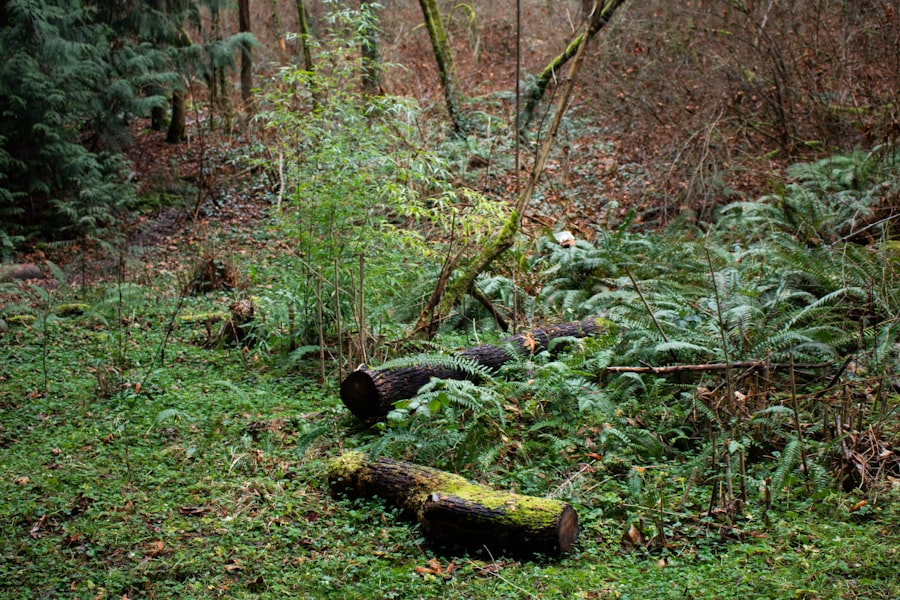
Reforestation offers a plethora of economic and environmental benefits that extend far beyond carbon sequestration alone. When you invest in tree planting initiatives, you are also contributing to job creation in rural areas where employment opportunities may be limited. Sustainable forestry practices can provide livelihoods for local communities while ensuring that forests continue to thrive for generations to come.
This economic aspect is vital; it fosters a sense of ownership among local populations who become stewards of their environment. From an environmental perspective, reforestation enhances biodiversity by providing habitats for various species. As you reflect on the interconnectedness of ecosystems, consider how healthy forests contribute to clean air and water while regulating local climates.
Additionally, reforested areas can act as buffers against natural disasters such as floods and landslides by stabilizing soil and absorbing excess rainfall. By supporting reforestation efforts, you are not only addressing climate change but also investing in the overall health of our planet.
Policy and Regulatory Considerations for Carbon Sequestration Credits
Navigating the landscape of policy and regulation surrounding carbon sequestration credits can be complex but essential for fostering effective reforestation initiatives. As you engage with this topic, consider how government policies can create incentives for businesses and individuals to invest in carbon capture projects. For instance, tax breaks or subsidies for companies that purchase carbon credits can stimulate demand and drive funding toward sustainable practices.
However, it is equally important to ensure that regulations are designed to prevent greenwashing—where companies falsely claim environmental benefits without making substantial changes to their practices. As you advocate for responsible policies, think about how transparency and accountability can be built into the carbon credit system. By supporting robust regulatory frameworks, you can help create an environment where genuine reforestation efforts thrive while holding stakeholders accountable for their commitments.
The Future of Carbon Sequestration Through Reforestation
Looking ahead, the future of carbon sequestration through reforestation appears promising yet requires collective action from individuals, businesses, and governments alike. As you contemplate your role in this movement, consider how your choices—whether through supporting sustainable products or participating in local tree-planting initiatives—can contribute to a larger impact on climate change mitigation. The integration of innovative technologies will likely play a crucial role in scaling up reforestation efforts globally.
As you stay informed about advancements in monitoring and verification methods, think about how these tools can enhance the credibility of carbon credits and attract more investment into sustainable practices. Ultimately, your engagement with reforestation initiatives can help shape a future where healthy forests thrive alongside vibrant communities—creating a legacy of resilience for generations to come. In conclusion, as you reflect on the importance of carbon sequestration through reforestation, remember that every action counts.
Whether it’s advocating for policy changes or participating in local projects, your involvement can make a difference in addressing one of the most pressing challenges of our time: climate change. Together, we can foster a sustainable future where both people and nature flourish.
If you are interested in learning more about the benefits of reforestation and how planting trees can help the environment, check out this insightful article How Does Planting Trees Help the Environment?. It delves into the positive impact that tree planting initiatives can have on combating climate change and promoting biodiversity. This article complements the discussion on carbon sequestration credits through reforestation by highlighting the broader environmental benefits of such projects.
FAQs
What is carbon sequestration?
Carbon sequestration is the process of capturing and storing carbon dioxide from the atmosphere in order to mitigate global climate change. This can be done through natural processes such as photosynthesis in plants, or through technological methods like carbon capture and storage.
What are reforestation carbon sequestration credits?
Reforestation carbon sequestration credits are financial incentives provided to individuals or organizations who engage in reforestation activities that result in the capture and storage of carbon dioxide from the atmosphere. These credits can be bought and sold on carbon markets as a way to offset carbon emissions.
How does reforestation contribute to carbon sequestration?
Reforestation contributes to carbon sequestration by planting trees and restoring forests, which act as natural carbon sinks. Trees absorb carbon dioxide from the atmosphere during photosynthesis and store it in their biomass and in the soil, effectively removing it from the atmosphere.
What are the benefits of reforestation carbon sequestration credits?
Reforestation carbon sequestration credits provide financial incentives for reforestation projects, which can help combat deforestation, restore ecosystems, and mitigate climate change. They also offer opportunities for businesses to offset their carbon emissions and demonstrate environmental stewardship.
Are there any challenges or limitations to reforestation carbon sequestration credits?
Challenges and limitations to reforestation carbon sequestration credits may include ensuring the permanence and additionality of carbon sequestration, as well as addressing issues related to land use, monitoring, and verification. Additionally, the effectiveness of reforestation projects in sequestering carbon may vary depending on factors such as tree species, location, and management practices.