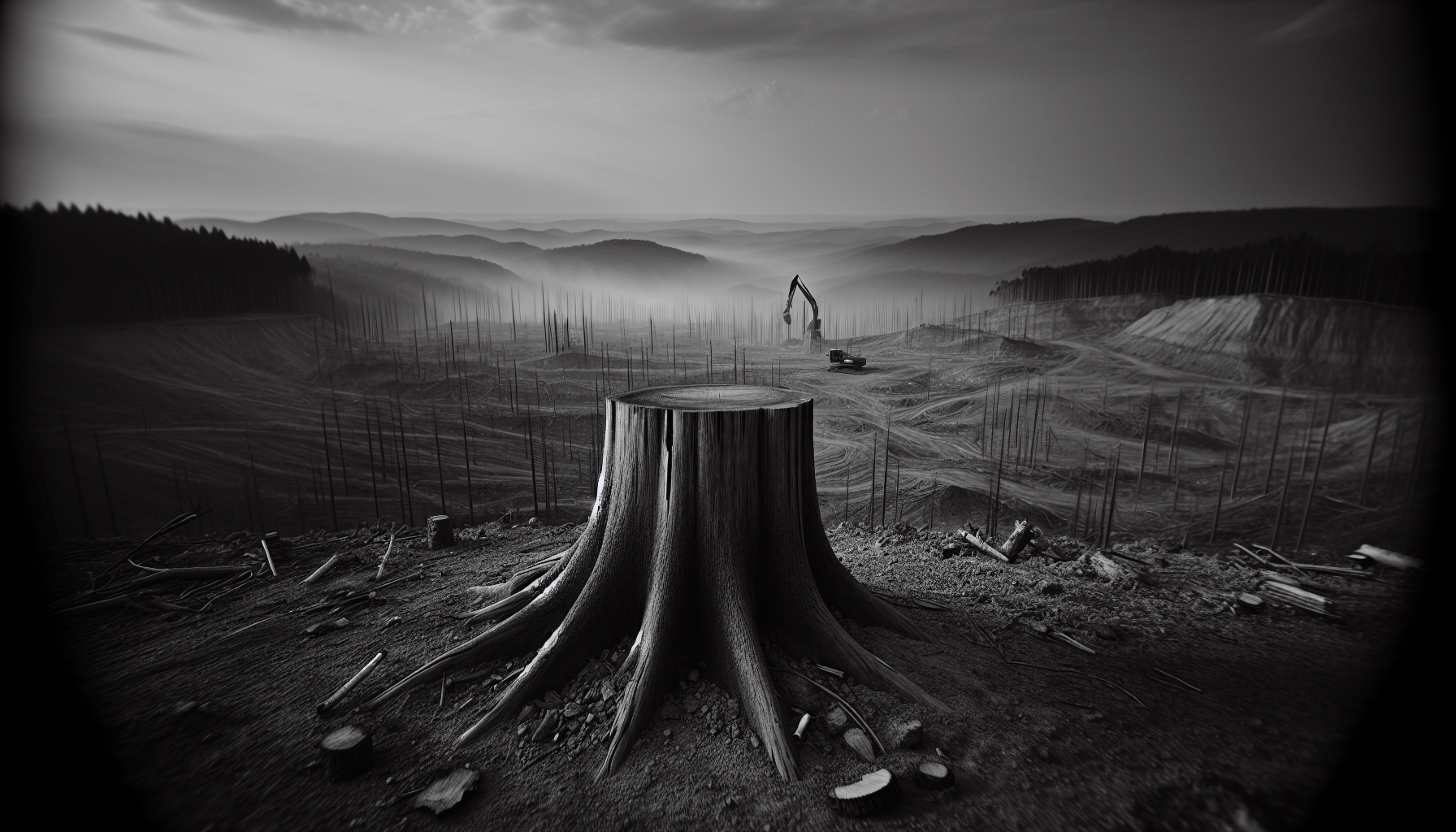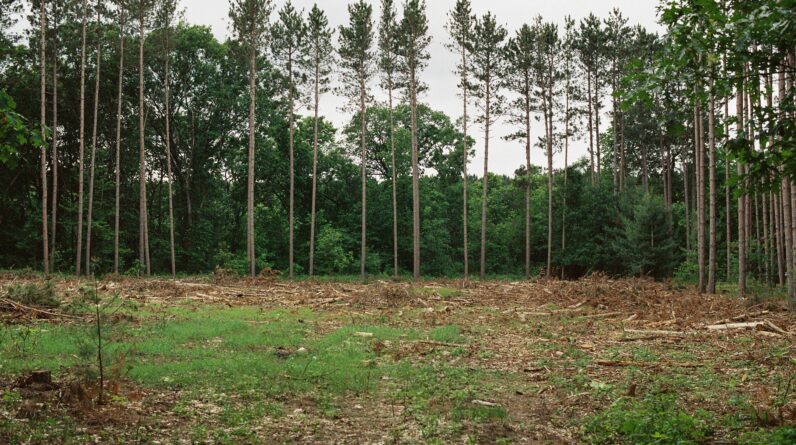
Have you ever wondered how cutting down trees could possibly be linked to the rising temperatures around the globe? The relationship might not be immediately obvious, but deforestation has a surprisingly profound impact on global warming. By removing vast swathes of trees, we not only lose valuable carbon sinks but also significantly alter the Earth’s energy balance. This connection makes deforestation a hidden yet potent source of global warming.
What Is Deforestation?
Deforestation refers to the large-scale removal of forests, often to make way for agriculture, urban development, or other commercial uses. This process results in the clearing of trees faster than forests can regenerate naturally. Deforestation is often driven by the demand for timber, palm oil, soybeans, and other agricultural products. When forests are destroyed, the land is usually put to other uses that are less beneficial for the environment, such as pastures for livestock or monoculture plantations.
Types of Deforestation
Deforestation can occur in several ways, and here are some of the most common methods:
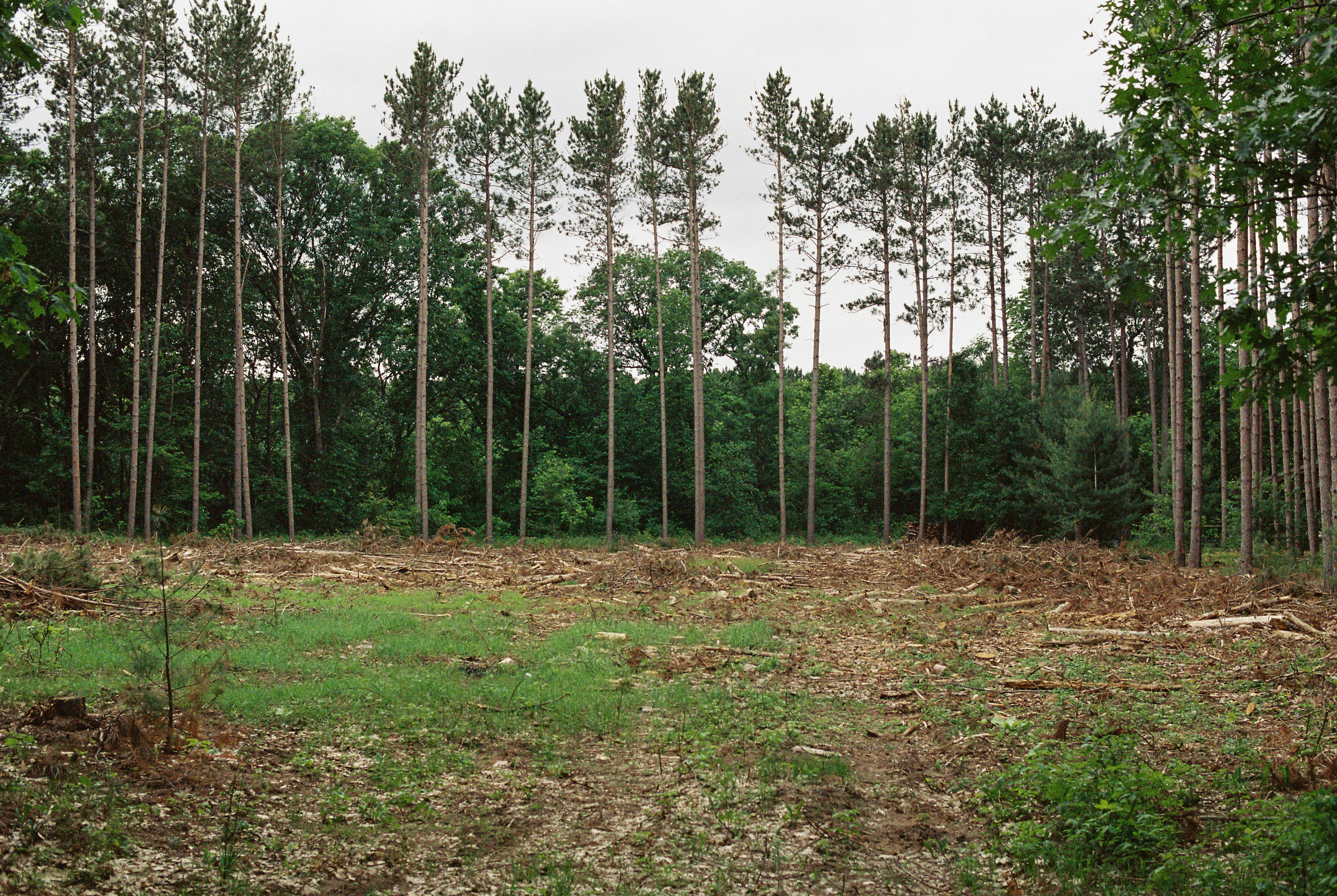
- Clear-Cutting: The complete removal of trees in a specific area.
- Selective Logging: Only certain types of trees are removed, sparing some parts of the forest.
- Slash and Burn Agriculture: Trees are cut down and burned to clear land for agricultural purposes.
- Urbanization: Forests are cleared to make way for expanding towns and cities.
Each of these methods has its own set of environmental consequences, but they all ultimately contribute to the reduction of forest cover.
The Role of Forests in Climate Regulation
Forests are essential for maintaining the Earth’s climate. They act as carbon sinks, absorbing more carbon dioxide than they release. When trees are cut down, the carbon stored in their biomass is released into the atmosphere, contributing to the greenhouse effect.
Carbon Sinks and Carbon Sources
Forests serve as both carbon sinks and carbon sources depending on how they are managed. When forests grow and thrive, they act as carbon sinks, absorbing more carbon dioxide from the atmosphere than they emit. Conversely, when forests are cleared, they become carbon sources, releasing stored carbon back into the atmosphere.
Here’s a simple table to illustrate the difference:
| Forest State | Carbon Role | Description |
|---|---|---|
| Thriving Forest | Carbon Sink | Absorbs more CO₂ than it emits |
| Cleared Forest | Carbon Source | Releases stored CO₂ into the atmosphere |
The Greenhouse Effect
The greenhouse effect occurs when greenhouse gases in the Earth’s atmosphere trap heat. Carbon dioxide (CO₂) is one of the primary greenhouse gases, along with methane (CH₄) and nitrous oxide (N₂O). These gases allow sunlight to enter the atmosphere but trap heat that would otherwise escape back into space.
When deforestation transpires, the carbon stored in trees is released as CO₂, enhancing the greenhouse effect. This additional CO₂ increases the Earth’s overall temperature, leading to global warming.
How Deforestation Contributes to Global Warming
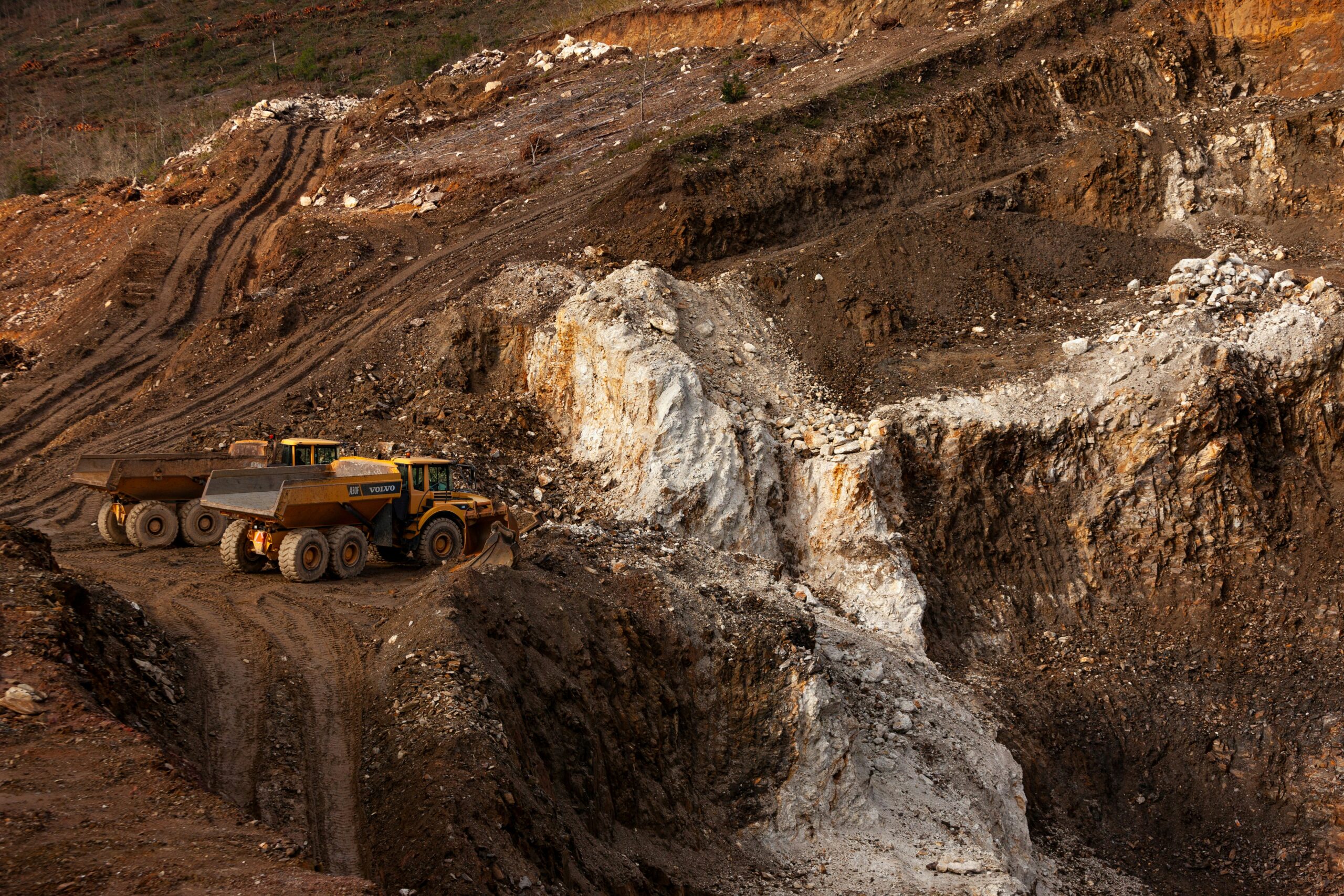
Deforestation exacerbates global warming in several key ways. By eliminating trees that absorb CO₂, the carbon balance is disrupted. Furthermore, the land-use changes associated with deforestation often result in additional emissions of greenhouse gases.
Reduced Carbon Absorption
One of the most significant impacts of deforestation is the loss of carbon absorption capacity. When trees are cut down, they no longer absorb CO₂ from the atmosphere. This reduced carbon absorption accelerates the accumulation of greenhouse gases in the atmosphere, contributing to global warming.
Increased Carbon Emissions
The process of deforestation itself often releases large amounts of CO₂. When trees are burned or left to decay, the carbon stored in their biomass is released back into the atmosphere. Additionally, deforestation frequently involves the use of machinery and transportation that emit CO₂.
Here’s a breakdown of the carbon emission process:
| Action | Result |
|---|---|
| Tree Cutting | Immediate release of stored carbon |
| Burning Wood | Converts tree biomass into CO₂ |
| Decay of Wood | Gradual release of CO₂ |
| Machinery Use | Additional CO₂ emissions |
Albedo Effect
Forests have a lower albedo compared to bare land. Albedo is a measure of how much sunlight is reflected by a surface. Darker surfaces, like forests, absorb more sunlight, while lighter surfaces, like cleared land, reflect more. When forests are removed, the albedo increases, causing more sunlight to be reflected back into the atmosphere. However, this is offset by the loss of cooling cloud cover produced by forests, leading to a net warming effect.
The Ecological Consequences of Deforestation
Besides contributing to global warming, deforestation has numerous other ecological consequences. These include habitat loss, reduction in biodiversity, soil erosion, and disruption of water cycles.
Habitat Loss and Biodiversity Reduction
Forests are home to countless plant and animal species. When forests are destroyed, these species lose their habitats, and many may face extinction. This reduction in biodiversity can destabilize ecosystems, making them less resilient to changes and threats.
Soil Erosion
Trees play a crucial role in maintaining soil integrity. Their roots anchor the soil and prevent it from being washed away by rain. When trees are removed, the soil becomes more susceptible to erosion. This loss of soil can lead to diminished agricultural productivity and increased sedimentation in rivers and streams.
Disruption of Water Cycles
Forests regulate water cycles by absorbing and releasing water through transpiration. When forests are removed, local and regional water cycles are disrupted. This can lead to changes in precipitation patterns, reduced water quality, and the depletion of water resources.
Mitigation Strategies
To combat the effects of deforestation, several mitigation strategies can be implemented. These strategies aim to reduce the rate of deforestation, promote reforestation, and improve forest management practices.
Promoting Reforestation
Reforestation involves planting trees in areas where forests have been cut down. By restoring forest cover, reforestation helps to rebuild carbon sinks, improve biodiversity, and stabilize soil. Reforestation projects can be implemented on a local, regional, or global scale.
Improved Forest Management
Sustainable forest management practices can mitigate the negative impacts of deforestation. These practices include selective logging, reduced-impact logging, and the creation of protected areas. By managing forests sustainably, we can ensure that they continue to provide ecological benefits while also supporting economic needs.
Reducing Agricultural Expansion
One of the main drivers of deforestation is the expansion of agricultural land. By improving agricultural productivity and reducing the need for new farmland, we can decrease the pressure on forests. This can be achieved through techniques such as agroforestry, crop rotation, and sustainable farming practices.
Policy and Regulation
Governments and international organizations play a critical role in combating deforestation. Policies and regulations aimed at reducing deforestation and promoting sustainable land use are essential. These can include incentives for conservation, penalties for illegal logging, and support for sustainable agricultural practices.
The Role of Technology
Technology can also play a significant role in addressing deforestation. Advances in remote sensing, satellite monitoring, and data analysis can help track deforestation and enforce regulations. Innovations in agriculture, such as precision farming and genetically modified crops, can improve productivity and reduce the need for new farmland.
Remote Sensing and Satellite Monitoring
Remote sensing and satellite technology allow for real-time monitoring of forests. By tracking changes in forest cover, these tools can help identify areas at risk of deforestation and provide data for enforcement efforts. Governments and organizations can use this information to take timely action against illegal logging and land clearing.
Precision Agriculture
Precision agriculture uses technology to optimize farming practices. By using data on soil conditions, weather, and crop performance, farmers can maximize yields and reduce waste. This increased efficiency can reduce the need for new agricultural land, thereby decreasing deforestation pressures.
Genetically Modified Crops
Genetically modified crops can improve agricultural productivity by making plants more resistant to pests, diseases, and environmental stressors. These crops can produce higher yields on existing farmland, reducing the need to clear additional forested areas for agriculture.

The Global Effort
Addressing deforestation and its link to global warming requires a coordinated global effort. International cooperation is crucial to developing and implementing effective strategies. Organizations such as the United Nations, World Bank, and various non-governmental organizations (NGOs) play a vital role in fostering collaboration and providing support for conservation initiatives.
International Agreements and Initiatives
Several international agreements and initiatives aim to combat deforestation and promote sustainable land use. These include the United Nations Framework Convention on Climate Change (UNFCCC), the REDD+ program (Reducing Emissions from Deforestation and Forest Degradation), and the Convention on Biological Diversity (CBD).
The Role of NGOs
Non-governmental organizations (NGOs) are often at the forefront of efforts to combat deforestation. NGOs work to raise awareness, conduct research, and implement conservation projects. They also engage in advocacy efforts to push for stronger policies and regulations at the national and international levels.
Community Involvement
Local communities play a crucial role in forest conservation. By involving communities in conservation efforts and providing them with sustainable livelihood alternatives, we can reduce the pressure on forests. Community-based conservation programs can empower local populations to take an active role in protecting their natural resources.
Conclusion
Deforestation is a hidden yet potent source of global warming. By understanding the intricate connections between deforestation and climate change, we can take action to mitigate its effects. From promoting reforestation and sustainable forest management to leveraging technology and fostering international cooperation, there are numerous strategies we can employ. By working together, we can protect our forests and, in doing so, contribute to the fight against global warming.