Reforestation plays a crucial role in the global effort to combat climate change, primarily through its ability to sequester carbon. As you may know, carbon dioxide (CO2) is one of the primary greenhouse gases contributing to global warming. When trees are planted or restored in deforested areas, they absorb CO2 from the atmosphere during photosynthesis, effectively acting as natural carbon sinks.
This process not only helps to reduce the concentration of greenhouse gases but also contributes to the overall health of the planet’s ecosystems. By reintroducing trees into landscapes that have been stripped of their forest cover, you are participating in a vital strategy for mitigating climate change. Moreover, reforestation can significantly enhance soil quality and promote biodiversity.
Healthy forests are not just about trees; they support a myriad of life forms, from fungi and insects to larger mammals. When you engage in reforestation efforts, you are not only helping to sequester carbon but also creating habitats for countless species. This interconnectedness of life is essential for maintaining ecological balance and resilience against environmental changes.
Thus, reforestation serves as a multifaceted approach to addressing climate change while simultaneously fostering biodiversity.
Key Takeaways
- Reforestation plays a crucial role in carbon sequestration, helping to mitigate the effects of climate change by absorbing and storing carbon dioxide from the atmosphere.
- Deforestation contributes significantly to carbon emissions, releasing stored carbon into the atmosphere and exacerbating the greenhouse effect.
- Trees are essential in absorbing carbon dioxide through the process of photosynthesis, helping to reduce the concentration of greenhouse gases in the atmosphere.
- Reforestation not only helps to combat climate change but also provides numerous benefits for biodiversity and ecosystem services, such as soil conservation and water regulation.
- Reforestation is a key strategy for mitigating climate change, but it also faces challenges and limitations such as land availability, funding, and long-term maintenance.
The Impact of Deforestation on Carbon Emissions
Deforestation has a profound impact on carbon emissions, contributing significantly to the increase of CO2 in the atmosphere. When trees are cut down or burned, the carbon stored in their biomass is released back into the atmosphere, exacerbating the greenhouse effect. You might be surprised to learn that deforestation accounts for nearly 10% of global carbon emissions, making it one of the leading causes of climate change.
This alarming statistic underscores the urgency of addressing deforestation and its consequences. In addition to releasing stored carbon, deforestation disrupts the natural processes that help regulate atmospheric CO2 levels. Without trees to absorb carbon, the balance of gases in the atmosphere is thrown off, leading to increased temperatures and altered weather patterns.
As you consider the implications of deforestation, it becomes clear that protecting existing forests is just as important as reforesting degraded areas. By understanding the relationship between deforestation and carbon emissions, you can appreciate the critical need for sustainable land management practices that prioritize forest conservation.
The Role of Trees in Absorbing Carbon Dioxide
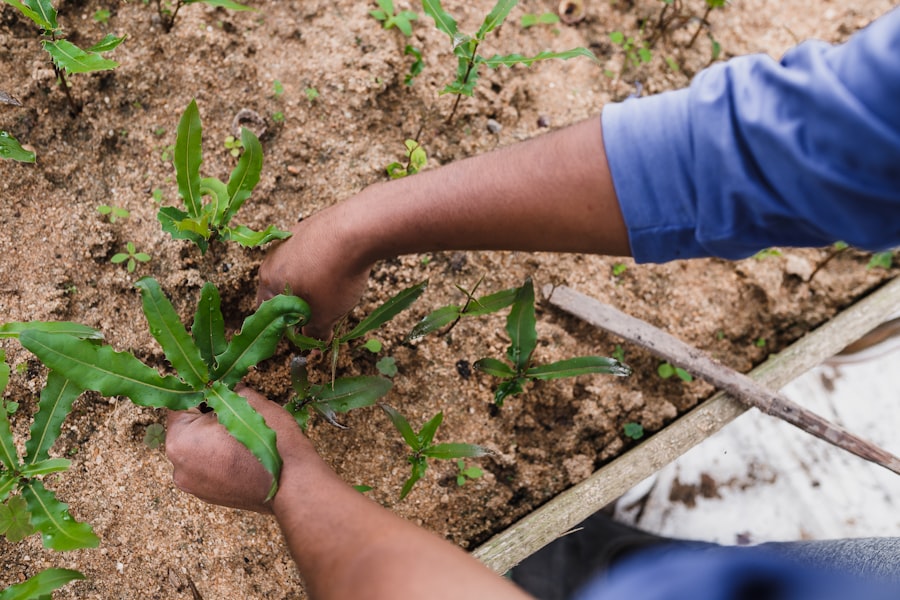
Trees are remarkable organisms with an extraordinary capacity to absorb carbon dioxide from the atmosphere. Through the process of photosynthesis, they convert CO2 into glucose and oxygen, effectively acting as natural air purifiers. As you delve deeper into this process, you will discover that a single mature tree can absorb approximately 48 pounds of CO2 annually.
This impressive figure highlights the importance of maintaining healthy forests and planting new trees as part of a comprehensive strategy to combat climate change. Furthermore, trees store carbon not only in their leaves and branches but also in their roots and surrounding soil. This long-term storage is essential for mitigating climate change over extended periods.
When you think about the lifecycle of a tree, it becomes evident that their contribution to carbon sequestration extends far beyond their years above ground. Even after trees die and decompose, they continue to play a role in carbon storage through the soil organic matter they leave behind. This intricate relationship between trees and carbon dynamics emphasizes the need for ongoing reforestation efforts to ensure a sustainable future.
The Benefits of Reforestation for Biodiversity and Ecosystem Services
Reforestation offers numerous benefits beyond carbon sequestration; it also plays a vital role in enhancing biodiversity and providing essential ecosystem services. When you participate in reforestation projects, you contribute to restoring habitats for countless species that rely on forests for survival. Diverse ecosystems are more resilient to environmental changes and can better withstand threats such as disease outbreaks or invasive species.
By planting trees and restoring forested areas, you are helping to create a more balanced and thriving environment. In addition to supporting wildlife, reforestation provides critical ecosystem services that benefit human populations as well. Forests play a key role in regulating water cycles, improving air quality, and preventing soil erosion.
When you consider the myriad ways forests contribute to human well-being—such as providing clean water, reducing flooding risks, and enhancing agricultural productivity—it becomes clear that reforestation is not just an environmental issue but a social one as well. By investing in reforestation efforts, you are supporting both ecological health and community resilience.
Reforestation as a Strategy for Climate Change Mitigation
As climate change continues to pose significant challenges worldwide, reforestation emerges as a powerful strategy for mitigation. You may find it encouraging that many countries are recognizing the potential of reforestation as part of their climate action plans. By restoring forests and increasing tree cover, nations can significantly reduce their carbon footprints while simultaneously addressing other environmental issues such as biodiversity loss and soil degradation.
Moreover, reforestation initiatives can create green jobs and stimulate local economies. When communities engage in tree planting and forest management activities, they not only contribute to climate change mitigation but also foster economic development. This dual benefit makes reforestation an attractive option for policymakers seeking sustainable solutions to pressing environmental challenges.
As you consider your role in this global effort, remember that every tree planted contributes to a healthier planet and a more sustainable future.
The Challenges and Limitations of Reforestation Efforts

Despite its many benefits, reforestation is not without challenges and limitations. One significant hurdle is ensuring that reforested areas are ecologically appropriate and diverse. You may be surprised to learn that simply planting trees in any location does not guarantee success; it is essential to consider factors such as local climate, soil type, and native species when planning reforestation projects.
Without careful planning and execution, reforestation efforts can inadvertently lead to negative ecological consequences. Another challenge lies in securing funding and resources for large-scale reforestation initiatives. While many organizations and governments recognize the importance of reforestation, financial constraints can hinder progress.
You might find it disheartening that despite the overwhelming evidence supporting reforestation’s benefits, many regions still struggle to allocate sufficient resources for these projects. To overcome these challenges, collaboration among governments, NGOs, and local communities is essential to create sustainable funding mechanisms and ensure successful implementation.
Successful Reforestation Initiatives around the World
Around the globe, numerous successful reforestation initiatives demonstrate the potential for positive change through tree planting efforts. One notable example is Ethiopia’s Green Legacy Initiative, which aims to plant billions of trees across the country as part of a broader strategy to combat climate change and restore degraded landscapes. You may find it inspiring that this ambitious project has mobilized millions of citizens to participate in tree planting activities, fostering a sense of community ownership and responsibility toward environmental stewardship.
Another remarkable initiative is China’s “Great Green Wall,” which seeks to combat desertification by creating a vast network of forests across northern China. This project not only aims to restore ecosystems but also addresses issues related to air quality and water scarcity. As you explore these successful examples, it becomes evident that reforestation can be a powerful tool for addressing multiple environmental challenges while engaging communities in meaningful ways.
The Future of Reforestation in Balancing Carbon Emissions
Looking ahead, the future of reforestation holds great promise in balancing carbon emissions and fostering sustainable ecosystems. As awareness of climate change continues to grow, more individuals and organizations are recognizing their role in supporting reforestation efforts. You may feel empowered by the knowledge that your actions—whether through volunteering for local tree-planting events or advocating for policy changes—can contribute to this global movement.
Moreover, advancements in technology and research are paving the way for more effective reforestation strategies. Innovations such as drone-assisted tree planting and genetic research on tree resilience are enhancing our ability to restore forests efficiently and sustainably. As you consider your place in this evolving landscape, remember that every effort counts; whether large or small, your contributions can help shape a greener future for generations to come.
In conclusion, reforestation is an essential component of our collective response to climate change, offering numerous benefits for carbon sequestration, biodiversity, and ecosystem services. While challenges remain, successful initiatives around the world demonstrate that with commitment and collaboration, we can create a more sustainable future through reforestation efforts. Your involvement in this movement can make a significant difference—one tree at a time.
In a related article discussing the advantages of planting trees for climate change, it further emphasizes the importance of reforestation in balancing carbon emissions. The article highlights how planting trees can help absorb carbon dioxide from the atmosphere, ultimately mitigating the effects of climate change. To learn more about the benefits of planting trees and its impact on the environment, you can read the full article here.
FAQs
What is reforestation?
Reforestation is the process of planting trees in areas where forests have been depleted or destroyed. It is a crucial tool in combating deforestation and restoring natural ecosystems.
How does reforestation help in balancing carbon emissions?
Trees absorb carbon dioxide from the atmosphere during photosynthesis, helping to reduce the amount of greenhouse gases in the air. By planting trees through reforestation efforts, we can increase the amount of carbon stored in forests, thus helping to balance carbon emissions.
What are the environmental benefits of reforestation?
Reforestation helps to restore biodiversity, prevent soil erosion, improve water quality, and provide habitats for wildlife. It also contributes to the overall health of the planet by mitigating climate change through carbon sequestration.
How does reforestation impact local communities?
Reforestation projects can provide employment opportunities, support sustainable land management, and contribute to the conservation of natural resources. Additionally, reforestation can help to improve air and water quality, leading to better overall health for local communities.
What are some challenges associated with reforestation?
Challenges related to reforestation include securing funding for large-scale projects, addressing land use conflicts, and ensuring the long-term survival of newly planted trees. Additionally, selecting the right tree species and ensuring proper maintenance are important factors in the success of reforestation efforts.