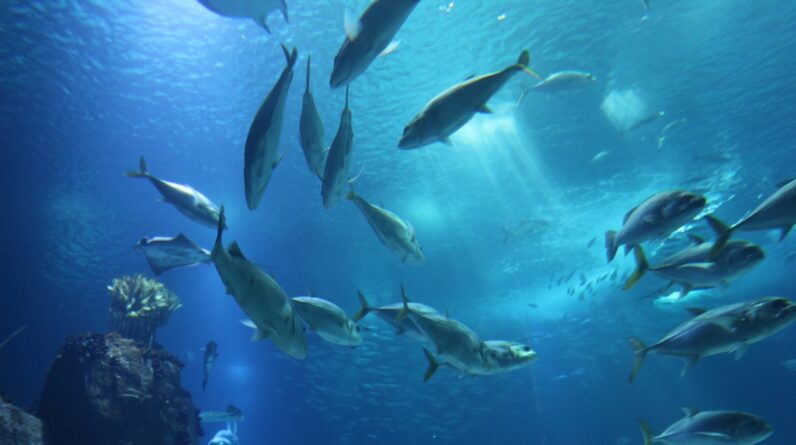
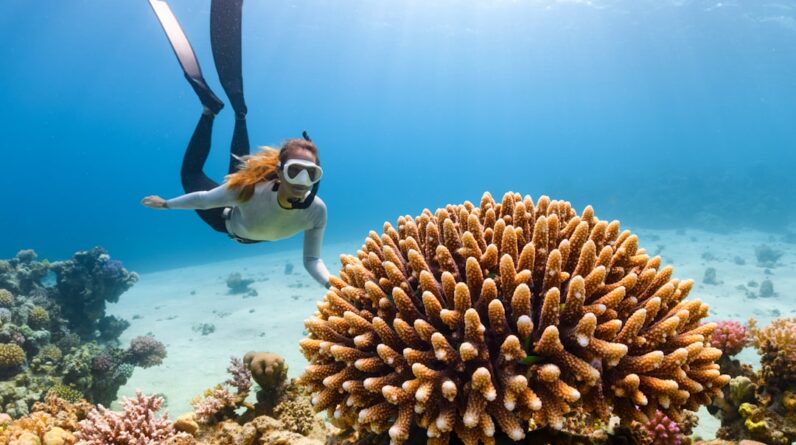
As you gaze out at the vast expanse of the ocean, it’s hard not to feel a sense of wonder and awe. The oceans cover more than 70% of our planet, serving as a vital resource for countless species and human communities alike. However, this magnificent body of water is under siege, primarily due to plastic pollution.
Enter Oceans 2050, an ambitious initiative that envisions a future where our seas are free from plastic waste. This bold vision aims not only to restore the health of marine ecosystems but also to inspire collective action across nations, industries, and communities. Oceans 2050 is more than just a dream; it is a call to action that recognizes the urgency of the situation.
With millions of tons of plastic entering the oceans each year, the initiative seeks to mobilize resources, foster innovation, and create sustainable practices that will lead to cleaner seas. By 2050, the goal is to have a significant reduction in plastic waste, ensuring that future generations can enjoy the beauty and bounty of our oceans without the threat of pollution. This vision is not merely about cleaning up; it’s about rethinking our relationship with plastic and the ocean itself.
Key Takeaways
- Oceans 2050 aims to achieve plastic-free seas through bold vision and strategic goals.
- Plastic pollution has a significant impact on the current state of our oceans, threatening marine life and ecosystems.
- Oceans 2050 focuses on goals and strategies such as innovation, technology, and policy to combat plastic pollution.
- Innovations and technologies play a crucial role in achieving plastic-free seas, including biodegradable materials and waste management systems.
- Governments, policies, corporate responsibility, consumer behavior, and global community involvement are essential in protecting our oceans and achieving a sustainable, plastic-free future.
The Current State of Our Oceans and the Impact of Plastic Pollution
The current state of our oceans is alarming. You may have heard statistics that paint a grim picture: over 8 million tons of plastic enter the oceans annually, leading to devastating consequences for marine life and ecosystems. As you consider these figures, it becomes clear that plastic pollution is not just an environmental issue; it’s a crisis that affects biodiversity, human health, and even the economy.
Marine animals ingest plastic debris or become entangled in it, leading to injury or death. Coral reefs, which are vital to marine biodiversity, suffer from the effects of plastic waste, further destabilizing these delicate ecosystems. The impact of plastic pollution extends beyond the ocean’s surface.
Microplastics have infiltrated the food chain, making their way into the fish you might consume and potentially affecting your health. The presence of plastics in marine environments disrupts natural processes and contributes to the decline of species that are crucial for maintaining ecological balance. As you reflect on these realities, it becomes evident that addressing plastic pollution is not just an environmental imperative; it is essential for safeguarding human health and ensuring sustainable livelihoods for communities that depend on the ocean.
The Goals and Strategies of Oceans 2050

Oceans 2050 sets forth a series of ambitious goals aimed at creating a sustainable future for our oceans. At its core, the initiative seeks to eliminate plastic waste in marine environments by promoting innovative solutions and fostering collaboration among stakeholders. One of the primary objectives is to reduce plastic production and consumption through effective policies and community engagement.
By encouraging individuals and businesses to rethink their use of plastics, Oceans 2050 aims to create a cultural shift towards sustainability. To achieve these goals, Oceans 2050 employs a multi-faceted strategy that includes education, advocacy, and technological innovation. You may find it inspiring that the initiative emphasizes the importance of raising awareness about the impact of plastic pollution on marine ecosystems.
Educational programs targeting schools and communities aim to instill a sense of responsibility towards ocean conservation. Additionally, partnerships with governments and organizations are crucial for implementing policies that promote sustainable practices and reduce plastic waste at its source.
Innovations and Technologies for Plastic-Free Seas
Innovation plays a pivotal role in the quest for plastic-free seas. As you explore this realm, you’ll discover a plethora of groundbreaking technologies designed to tackle plastic pollution head-on. From advanced recycling methods to biodegradable alternatives, these innovations offer promising solutions for reducing plastic waste in our oceans.
For instance, researchers are developing new materials that can replace conventional plastics with biodegradable options that break down naturally in marine environments. Moreover, technology is being harnessed to clean up existing pollution. You may have heard about initiatives utilizing drones and autonomous vessels equipped with advanced sensors to locate and collect plastic debris from the ocean’s surface.
These efforts not only help remove waste but also provide valuable data on pollution patterns, informing future strategies for prevention. As you consider these advancements, it becomes clear that innovation is not just a tool; it is a vital component in realizing the vision of Oceans 2050.
The Role of Governments and Policies in Achieving Plastic-Free Seas
Governments play a crucial role in achieving the goals set forth by Oceans 2050. As you think about the power of policy-making, consider how legislation can drive significant change in reducing plastic production and consumption. Effective policies can incentivize businesses to adopt sustainable practices while imposing regulations on single-use plastics.
Countries around the world are beginning to recognize this responsibility, enacting bans on plastic bags and straws while promoting recycling initiatives. International cooperation is equally important in addressing this global issue. You may find it encouraging that various nations are coming together to form agreements aimed at reducing plastic waste in oceans.
Collaborative efforts such as the Global Plastic Action Partnership seek to unite governments, businesses, and civil society in a shared mission to combat plastic pollution. By working together across borders, we can create a unified front against this pressing challenge and pave the way for cleaner oceans.
The Importance of Corporate Responsibility and Consumer Behavior
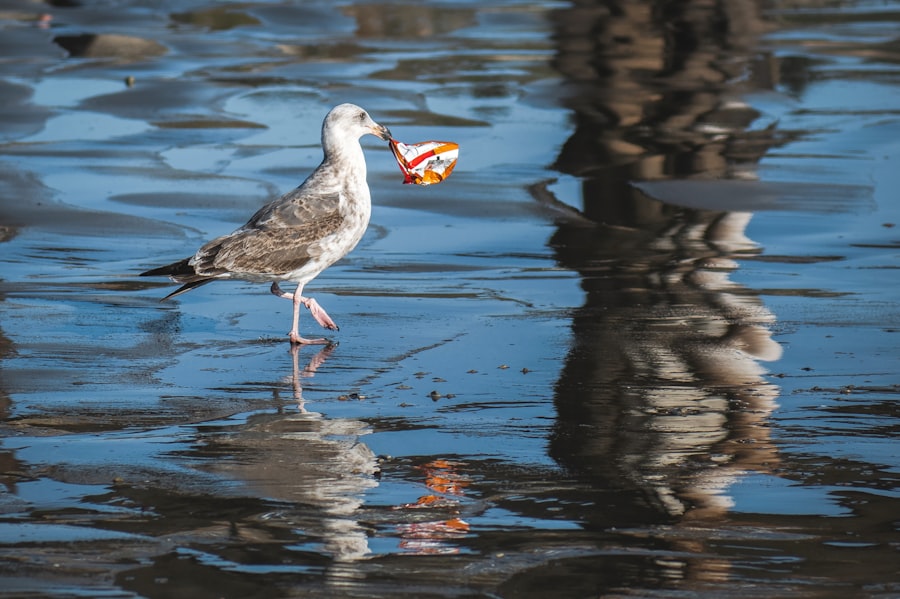
Corporate responsibility is another critical aspect of achieving plastic-free seas. As you navigate through this topic, consider how businesses can influence consumer behavior and contribute to sustainability efforts. Companies have a unique opportunity to lead by example by adopting eco-friendly practices and reducing their reliance on single-use plastics.
By prioritizing sustainability in their operations, businesses can inspire consumers to make more conscious choices regarding their own plastic consumption. Consumer behavior plays an equally vital role in this equation. You have the power to drive change through your purchasing decisions.
By supporting brands that prioritize sustainability and actively seek alternatives to plastic packaging, you contribute to a larger movement towards cleaner oceans. Awareness campaigns can help educate consumers about the impact of their choices on marine environments, fostering a culture of responsibility that extends beyond individual actions.
The Global Community’s Role in Protecting Our Oceans
The protection of our oceans is a shared responsibility that transcends borders and cultures. As you reflect on your place within this global community, consider how collective action can amplify efforts towards achieving plastic-free seas. Grassroots movements have emerged worldwide, uniting individuals who are passionate about ocean conservation.
These movements often organize beach clean-ups, educational workshops, and advocacy campaigns aimed at raising awareness about plastic pollution. International organizations also play a significant role in mobilizing resources and expertise for ocean protection initiatives. You may be inspired by how collaborative efforts among scientists, activists, and policymakers can lead to innovative solutions for tackling plastic waste.
By participating in global dialogues and sharing best practices, communities can learn from one another and strengthen their commitment to preserving marine ecosystems for future generations.
Working Together for a Sustainable and Plastic-Free Future
As you contemplate the future of our oceans, it becomes clear that achieving a sustainable and plastic-free environment requires collective effort from all sectors of society. Oceans 2050 serves as a beacon of hope, guiding us towards a vision where our seas are free from plastic pollution. By embracing innovative technologies, advocating for responsible policies, and fostering corporate accountability, we can work together to turn this vision into reality.
Your role in this journey is invaluable. Whether through individual actions or participation in community initiatives, every effort counts towards creating healthier oceans. As you engage with others who share your passion for ocean conservation, remember that change begins with awareness and commitment.
Together, we can forge a path towards a sustainable future where our oceans thrive—free from the shackles of plastic waste—ensuring their beauty and bounty for generations to come.
Oceans 2050: The Bold Vision for Plastic-Free Seas is a groundbreaking initiative that aims to combat the devastating effects of plastic pollution on our oceans. In a related article on Live Life with a Cause, the focus shifts to how trees can play a crucial role in saving the Earth from global warming. Just as the oceans are in need of protection from plastic waste, our planet’s forests are essential in mitigating the impacts of climate change. By understanding the interconnectedness of these environmental issues, we can work towards a more sustainable future for all.
FAQs
What is Oceans 2050: The Bold Vision for Plastic-Free Seas?
Oceans 2050 is a global initiative aimed at achieving a future with plastic-free seas by the year 2050. It involves a comprehensive strategy to address the issue of plastic pollution in the world’s oceans.
Why is it important to have plastic-free seas by 2050?
Plastic pollution in the oceans has become a major environmental concern, impacting marine life, ecosystems, and human health. Achieving plastic-free seas by 2050 is crucial for preserving the health and biodiversity of the world’s oceans.
What are the key components of the Oceans 2050 initiative?
The Oceans 2050 initiative focuses on reducing plastic pollution through measures such as improved waste management, innovation in materials and packaging, policy changes, and public awareness campaigns.
How can individuals contribute to the goal of plastic-free seas by 2050?
Individuals can contribute to the goal of plastic-free seas by reducing their use of single-use plastics, properly disposing of plastic waste, supporting policies and initiatives aimed at reducing plastic pollution, and participating in beach clean-ups and other conservation efforts.
What are some challenges in achieving plastic-free seas by 2050?
Challenges in achieving plastic-free seas include the scale of plastic pollution, lack of infrastructure for proper waste management, limited recycling capabilities, and the need for global cooperation and coordination to address the issue effectively.