Reforestation is a vital process that involves the replanting of trees in areas where forests have been depleted or destroyed. As you delve into the significance of this practice, you will discover that it plays a crucial role in maintaining ecological health. Forests are not merely collections of trees; they are complex ecosystems that support a myriad of life forms, including plants, animals, and microorganisms.
When you consider the intricate web of life that forests sustain, it becomes clear that their restoration is essential for the overall health of our planet. The degradation of forests has far-reaching consequences, impacting biodiversity, climate stability, and soil integrity. As you explore the various dimensions of reforestation, you will come to appreciate how this practice serves as a cornerstone for ecological restoration.
By understanding the interconnectedness of forest ecosystems and their role in supporting life, you can better grasp the urgency of reforestation efforts in combating environmental degradation and promoting a healthier planet for future generations.
Key Takeaways
- Reforestation plays a crucial role in restoring ecological health by replenishing forests and promoting biodiversity.
- Restoring biodiversity through reforestation is essential for maintaining a healthy and balanced ecosystem.
- Reforestation is a key solution to mitigating climate change by absorbing carbon dioxide and reducing greenhouse gas emissions.
- Reforestation helps in soil conservation by preventing erosion and improving soil quality through the growth of trees and vegetation.
- Reforestation plays a vital role in restoring the water cycle by regulating water flow, reducing runoff, and improving water quality.
The Importance of Reforestation in Restoring Biodiversity
When you think about biodiversity, consider the vast array of species that inhabit forest ecosystems. Reforestation is instrumental in restoring habitats that have been lost due to deforestation, urbanization, and agricultural expansion. By reintroducing native tree species, you create an environment where wildlife can thrive once again.
This restoration not only benefits the flora and fauna but also enhances the resilience of ecosystems against diseases and climate fluctuations. As you engage with the concept of biodiversity, you will recognize that healthy ecosystems are more productive and capable of withstanding environmental stressors. Reforestation efforts can lead to the revival of endangered species and the stabilization of populations that have been pushed to the brink of extinction.
By fostering a diverse range of species, you contribute to a balanced ecosystem that can adapt to changes and challenges over time. The act of planting trees becomes a powerful tool in your hands for nurturing the planet’s rich tapestry of life.
Reforestation as a Solution to Climate Change
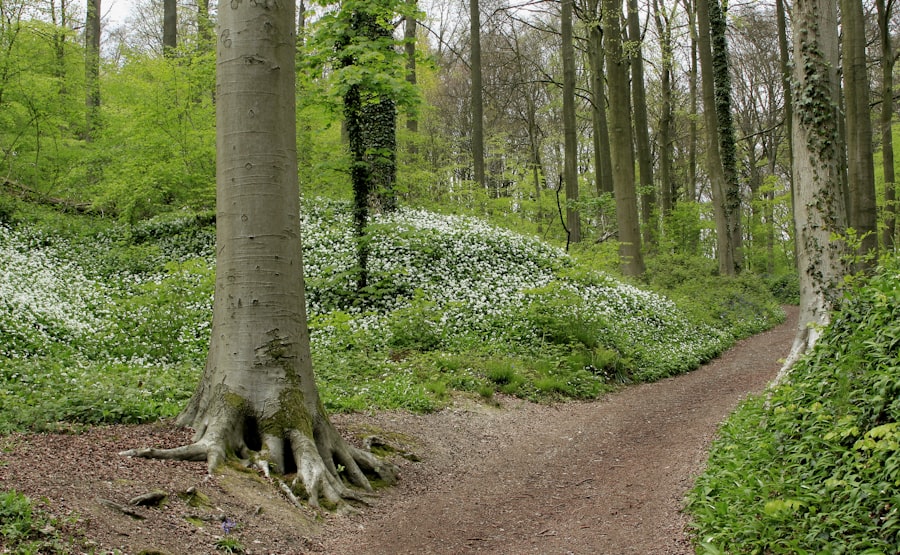
Climate change is one of the most pressing challenges facing humanity today, and reforestation emerges as a compelling solution. Trees play a pivotal role in regulating the Earth’s climate by absorbing carbon dioxide from the atmosphere. As you consider the implications of this process, it becomes evident that reforestation can significantly mitigate the effects of climate change.
By planting trees, you are not only contributing to carbon sequestration but also enhancing the planet’s capacity to cope with rising temperatures. Moreover, reforestation can help restore balance to local climates by influencing rainfall patterns and reducing the intensity of extreme weather events. When you engage in reforestation initiatives, you are participating in a global movement aimed at combating climate change.
Each tree planted represents a step toward a more sustainable future, where ecosystems can thrive and communities can adapt to changing environmental conditions. Your involvement in these efforts can inspire others to take action, creating a ripple effect that amplifies the impact of reforestation on climate resilience.
Reforestation and Soil Conservation
Soil health is fundamental to agricultural productivity and ecosystem stability, and reforestation plays a crucial role in conserving soil quality. When you plant trees, their roots help anchor the soil, preventing erosion caused by wind and water. This stabilization is particularly important in areas prone to landslides or flooding.
As you consider the relationship between trees and soil, you will find that reforestation not only protects existing soil but also enhances its fertility over time. In addition to preventing erosion, trees contribute organic matter to the soil through leaf litter and decaying roots. This organic material enriches the soil with nutrients, promoting healthier plant growth.
When you engage in reforestation efforts, you are not just planting trees; you are fostering an environment where soil can regenerate and thrive. This symbiotic relationship between trees and soil underscores the importance of reforestation in creating sustainable agricultural practices and ensuring food security for communities around the world.
The Role of Reforestation in Water Cycle Restoration
The water cycle is an intricate system that relies on various natural processes to maintain balance within ecosystems. Trees play a significant role in this cycle by facilitating transpiration, which releases moisture into the atmosphere. As you explore the connection between reforestation and water cycles, you’ll discover how planting trees can enhance local hydrology.
By restoring forests, you contribute to improved rainfall patterns and increased groundwater recharge. Moreover, healthy forests act as natural water filters, capturing pollutants and sediments before they reach rivers and streams. This filtration process is essential for maintaining clean water sources for both wildlife and human populations.
When you participate in reforestation projects, you are actively contributing to the restoration of local water cycles, ensuring that communities have access to clean and reliable water resources. Your efforts can lead to healthier ecosystems that support diverse aquatic life while providing essential services to people.
Reforestation and Carbon Sequestration
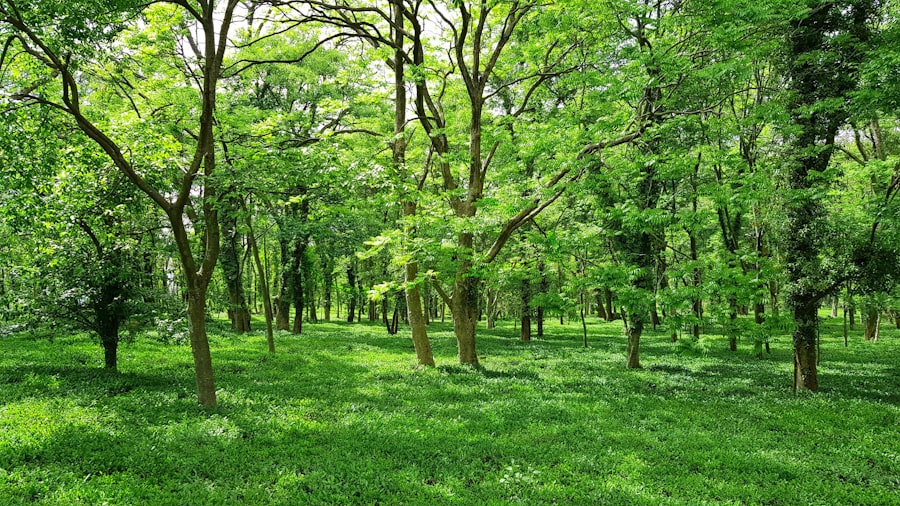
Carbon sequestration is a critical process in mitigating climate change, and reforestation is one of the most effective ways to achieve it. Trees absorb carbon dioxide during photosynthesis, storing carbon in their biomass and releasing oxygen back into the atmosphere. As you consider the scale of this process, it becomes clear that large-scale reforestation initiatives can significantly reduce atmospheric carbon levels.
Each tree planted represents a potential carbon sink that contributes to global efforts to combat climate change. In addition to capturing carbon dioxide, reforested areas can enhance biodiversity and improve ecosystem resilience. As you engage with reforestation efforts, you will find that these initiatives not only address climate change but also promote healthier ecosystems overall.
By supporting projects that prioritize native species and sustainable practices, you can help ensure that carbon sequestration efforts are effective and long-lasting. Your involvement in these initiatives can make a meaningful difference in the fight against climate change.
Economic and Social Benefits of Reforestation
Reforestation offers numerous economic benefits that extend beyond environmental restoration. When you invest in tree planting initiatives, you are also investing in local economies. Forests provide resources such as timber, fruits, nuts, and medicinal plants that can support livelihoods for communities around the world.
By promoting sustainable forestry practices through reforestation, you help create jobs while ensuring that natural resources are managed responsibly. Socially, reforestation fosters community engagement and empowerment. When individuals come together to plant trees, they build connections with one another while working toward a common goal.
This sense of community can lead to increased awareness about environmental issues and inspire collective action for sustainability. As you participate in reforestation projects, you contribute not only to ecological health but also to social cohesion and economic resilience within communities.
The Future of Reforestation Efforts and Ecological Health
Looking ahead, the future of reforestation efforts is promising yet requires sustained commitment from individuals, organizations, and governments alike. As awareness about environmental issues grows, so does the recognition of reforestation as a critical strategy for ecological health. You have an opportunity to be part of this movement by advocating for policies that support tree planting initiatives and engaging in local projects that promote sustainable land use.
The integration of technology into reforestation efforts also holds great potential for enhancing effectiveness. Innovations such as drone-assisted planting and remote monitoring can streamline processes and ensure that trees are planted in optimal conditions for growth. As you consider your role in shaping the future of reforestation, remember that every action counts—whether it’s participating in local tree-planting events or supporting organizations dedicated to ecological restoration.
Your commitment to reforestation can help pave the way for a healthier planet where biodiversity thrives and ecosystems flourish for generations to come.
In a related article on how to stop forest burning to save trees and animals, the importance of preventing wildfires and preserving forests is highlighted. This article discusses the devastating effects of forest fires on ecosystems and wildlife, emphasizing the need for reforestation efforts to restore ecological balance. By addressing the root causes of deforestation and implementing sustainable practices, we can work towards a healthier environment for all living beings.
FAQs
What is reforestation?
Reforestation is the process of planting trees in areas where forests have been depleted or destroyed, with the goal of restoring the ecological balance and increasing the forest cover.
What are the benefits of reforestation?
Reforestation helps in restoring ecological health by improving air and water quality, providing habitat for wildlife, mitigating climate change by absorbing carbon dioxide, and preventing soil erosion.
How does reforestation revive ecological health?
Reforestation plays a crucial role in reviving ecological health by restoring the natural balance of ecosystems, increasing biodiversity, and creating sustainable environments for plants, animals, and humans.
What are some successful reforestation projects around the world?
Successful reforestation projects include the Bonn Challenge, the Great Green Wall in Africa, and the Atlantic Forest Restoration Pact in Brazil, which have all made significant contributions to reviving ecological health.
What are the challenges of reforestation?
Challenges of reforestation include securing land for planting, selecting appropriate tree species, ensuring long-term maintenance, and addressing potential conflicts with local communities and agricultural interests.