Ocean heat bombs are a relatively new phenomenon that has garnered attention in the scientific community. These heat bombs refer to pockets of warm water that accumulate in the ocean, often at depths of several hundred meters. They are formed when warm water from the surface sinks and becomes trapped, creating a concentrated area of heat.
This process can occur due to various factors, including changes in ocean currents, wind patterns, and atmospheric conditions. As you delve deeper into this topic, you will discover that these heat bombs can have significant implications for both marine ecosystems and global climate patterns. The concept of ocean heat bombs is crucial for understanding the dynamics of our planet’s climate system.
As you explore this subject, you will find that these warm water pockets can influence weather patterns, ocean circulation, and even the distribution of marine species. The accumulation of heat in the ocean is not just a localized issue; it has far-reaching consequences that can affect weather systems across the globe. By grasping the mechanics behind ocean heat bombs, you can better appreciate their role in the broader context of climate change and environmental shifts.
Key Takeaways
- Ocean heat bombs are pockets of warm water that can rapidly heat up and disrupt marine ecosystems.
- Ocean heat bombs can lead to coral bleaching, fish migration, and changes in ocean currents, impacting marine life.
- Ocean heat bombs contribute to climate change by releasing large amounts of heat into the atmosphere and altering weather patterns.
- Detecting and monitoring ocean heat bombs is crucial for understanding their impact and predicting future occurrences.
- Mitigating the effects of ocean heat bombs requires reducing carbon emissions and implementing sustainable ocean management practices.
The Impact of Ocean Heat Bombs on Marine Life
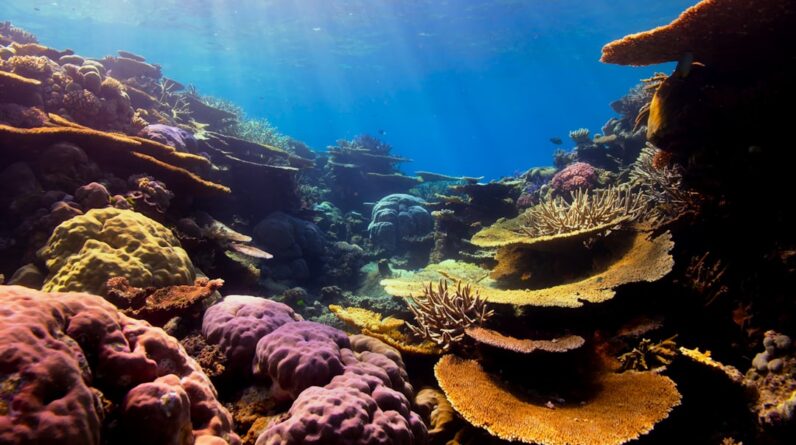
As you consider the impact of ocean heat bombs on marine life, it becomes evident that these warm water pockets can disrupt ecosystems in profound ways. Marine organisms are adapted to specific temperature ranges, and sudden changes in their environment can lead to stress or even mortality. For instance, coral reefs, which are highly sensitive to temperature fluctuations, may experience bleaching events when exposed to elevated water temperatures.
This not only affects the corals themselves but also the myriad of species that depend on these ecosystems for survival. Moreover, the presence of ocean heat bombs can alter the distribution of fish populations and other marine species. As you reflect on this, think about how warmer waters can push certain species toward cooler areas, leading to shifts in biodiversity.
This can create challenges for fisheries and local communities that rely on specific fish stocks for their livelihoods. The cascading effects of these changes can be felt throughout the food web, highlighting the interconnectedness of marine life and the importance of maintaining stable ocean temperatures.
The Role of Ocean Heat Bombs in Climate Change

Ocean heat bombs play a significant role in the broader narrative of climate change. As you explore this connection, you will find that the oceans act as a buffer against rising atmospheric temperatures by absorbing excess heat. However, when these heat bombs form, they can release stored heat back into the atmosphere, exacerbating global warming.
This feedback loop is critical to understanding how oceanic processes influence climate patterns and contribute to extreme weather events. Additionally, ocean heat bombs can impact the carbon cycle. Warmer waters hold less dissolved carbon dioxide, which can lead to increased levels of CO2 in the atmosphere.
As you consider this relationship, it becomes clear that addressing ocean heat bombs is essential for mitigating climate change. By recognizing their role in both absorbing and releasing heat and carbon, you can appreciate the complexity of our planet’s climate system and the urgent need for action.
Detecting and Monitoring Ocean Heat Bombs
Detecting and monitoring ocean heat bombs is a vital aspect of understanding their formation and impact. Scientists employ various methods to track these phenomena, including satellite observations, buoys, and underwater sensors. As you learn about these techniques, you will discover how advancements in technology have improved our ability to monitor ocean temperatures and currents in real-time.
One effective method involves using satellite data to measure sea surface temperatures and identify anomalies that may indicate the presence of a heat bomb. Buoys equipped with temperature sensors can provide valuable information about subsurface conditions, allowing researchers to track changes over time. By combining these data sources, scientists can create comprehensive models that predict the behavior of ocean heat bombs and their potential impacts on marine ecosystems and climate systems.
Mitigating the Effects of Ocean Heat Bombs
Mitigating the effects of ocean heat bombs requires a multifaceted approach that addresses both local and global factors contributing to their formation. As you consider potential strategies, think about the importance of reducing greenhouse gas emissions to limit global warming. By curbing emissions, we can help stabilize ocean temperatures and reduce the likelihood of heat bomb formation.
In addition to addressing climate change at its source, local conservation efforts can play a crucial role in protecting vulnerable marine ecosystems from the impacts of ocean heat bombs. Establishing marine protected areas (MPAs) can help safeguard critical habitats and promote resilience among marine species. As you reflect on these strategies, consider how community engagement and education can empower individuals to take action in their own regions, fostering a collective effort to mitigate the effects of ocean heat bombs.
The Future of Ocean Heat Bombs

The future of ocean heat bombs is uncertain but undoubtedly critical to our understanding of climate dynamics. As global temperatures continue to rise due to climate change, it is likely that we will see an increase in the frequency and intensity of these phenomena. This could lead to more significant disruptions in marine ecosystems and further exacerbate existing challenges related to fisheries and biodiversity.
As you contemplate this future, consider the importance of ongoing research and monitoring efforts. Scientists are continually working to improve our understanding of ocean heat bombs and their implications for climate change. By investing in research initiatives and fostering collaboration among scientists, policymakers, and communities, we can better prepare for the challenges posed by these underwater phenomena.
The Importance of Addressing Ocean Heat Bombs
Addressing ocean heat bombs is essential not only for protecting marine life but also for safeguarding human communities that depend on healthy oceans. As you reflect on this issue, think about how the health of our oceans is intrinsically linked to food security, economic stability, and overall well-being. By prioritizing efforts to understand and mitigate the effects of ocean heat bombs, we can work toward a more sustainable future for both people and the planet.
Furthermore, recognizing the importance of ocean heat bombs highlights the need for a holistic approach to environmental stewardship. Climate change is a complex issue that requires collaboration across disciplines and sectors. By fostering partnerships between scientists, policymakers, businesses, and local communities, we can develop comprehensive strategies that address not only ocean heat bombs but also other interconnected challenges facing our planet.
Taking Action Against the Underwater Climate Crisis
Taking action against the underwater climate crisis necessitates a commitment from individuals, communities, and governments alike. As you consider your role in this effort, think about how small actions can contribute to larger change. Whether it’s advocating for policies that reduce carbon emissions or participating in local conservation initiatives, every effort counts in addressing the challenges posed by ocean heat bombs.
Moreover, raising awareness about the significance of ocean health is crucial for inspiring collective action. By educating yourself and others about the impacts of climate change on marine ecosystems, you can help foster a sense of urgency around this issue. Engaging with local organizations or participating in community events focused on ocean conservation can amplify your impact and encourage others to join the fight against the underwater climate crisis.
In conclusion, understanding ocean heat bombs is vital for grasping their implications for marine life and climate change. By detecting and monitoring these phenomena, we can develop strategies to mitigate their effects and work toward a sustainable future for our oceans. Your involvement in this effort is essential; together, we can take meaningful action against the challenges posed by ocean heat bombs and protect our planet for generations to come.
Ocean Heat Bombs: The Underwater Climate Crisis highlights the urgent need for action to address the devastating impact of rising ocean temperatures. In a related article, How Does Reforestation Help the Environment?, the importance of reforestation in combating climate change is discussed. Reforestation plays a crucial role in absorbing carbon dioxide from the atmosphere and restoring balance to ecosystems. By planting more trees, we can help mitigate the effects of global warming and protect our planet for future generations.
FAQs
What are ocean heat bombs?
Ocean heat bombs are pockets of warm water that form deep in the ocean and can have a significant impact on the overall temperature and climate of the ocean.
How do ocean heat bombs form?
Ocean heat bombs form when warm surface waters are driven down into the deeper layers of the ocean, often by extreme weather events such as hurricanes or typhoons.
What impact do ocean heat bombs have on the climate?
Ocean heat bombs can contribute to the overall warming of the ocean, which can have a range of impacts on marine life, weather patterns, and global climate systems.
What are the potential consequences of ocean heat bombs?
The consequences of ocean heat bombs can include coral bleaching, changes in marine ecosystems, altered weather patterns, and disruptions to global climate systems.
How are scientists studying ocean heat bombs?
Scientists are studying ocean heat bombs using a variety of methods, including oceanographic research vessels, satellite data, and computer models to better understand their formation and impact on the climate.
What can be done to mitigate the impact of ocean heat bombs?
Mitigating the impact of ocean heat bombs requires addressing the root causes of climate change, such as reducing greenhouse gas emissions and implementing policies to protect and preserve marine ecosystems.