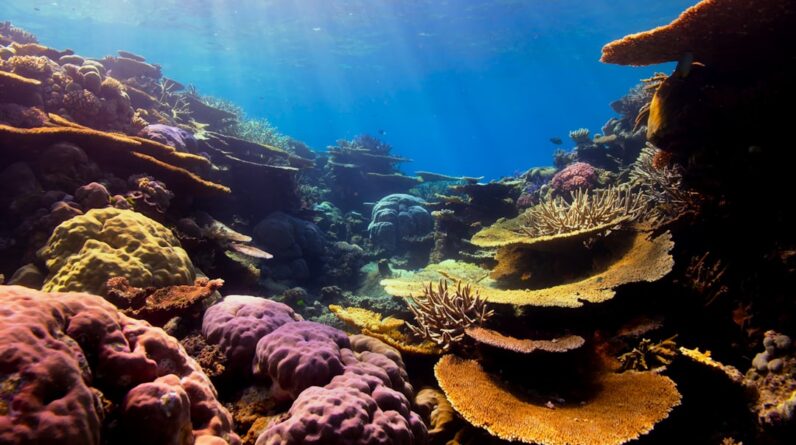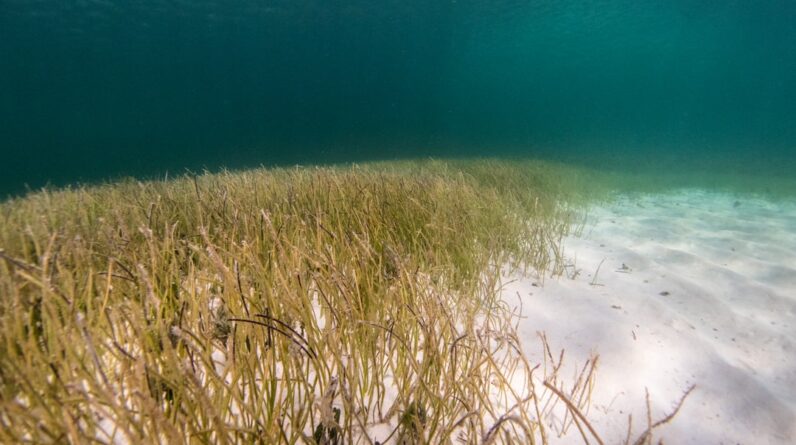
Policy change holds immense power in shaping the future of our oceans. When you consider the vastness of the ocean and its critical role in sustaining life on Earth, it becomes clear that effective policies can lead to significant improvements in ocean health. You may not realize it, but every piece of legislation passed can either protect marine ecosystems or contribute to their degradation.
The decisions made by lawmakers can determine the fate of coral reefs, fish populations, and entire marine habitats. By understanding the mechanisms of policy change, you can appreciate how your voice and actions can influence these crucial decisions. Moreover, policy change is not just about the laws themselves; it’s about the values and priorities that underpin them.
When you engage in discussions about ocean conservation, you are participating in a larger dialogue about environmental stewardship and sustainability. This dialogue can lead to shifts in public opinion, which in turn can pressure policymakers to enact more robust protections for marine environments. The power of policy change lies in its ability to create a ripple effect—one that can inspire communities, industries, and governments to prioritize the health of our oceans.
Key Takeaways
- Policy change has the power to drive significant impact on ocean conservation efforts.
- Voting plays a crucial role in shaping policies that protect and preserve the ocean.
- Government plays a key role in implementing and enforcing policies for ocean protection.
- Citizen participation is a driving force behind policy change for the ocean.
- Environmental advocacy during election seasons is essential for promoting ocean conservation.
The Impact of Voting on Ocean Conservation
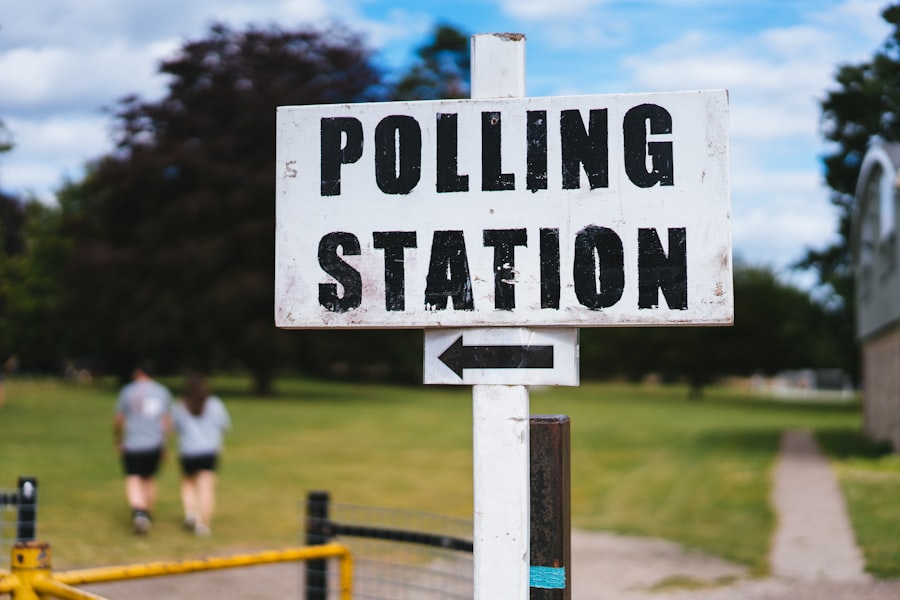
Your vote is one of the most powerful tools you possess when it comes to influencing ocean conservation efforts. Each election presents an opportunity for you to support candidates who prioritize environmental issues, including the protection of marine ecosystems. By casting your ballot for those who advocate for sustainable practices and policies, you are directly contributing to a political landscape that values ocean health.
This impact extends beyond local elections; national and international policies are often shaped by the collective choices made by voters like you. Additionally, voting is not just about choosing representatives; it’s also about holding them accountable. When you participate in elections, you send a message to elected officials that ocean conservation matters to you and your community.
This can encourage them to prioritize marine issues in their agendas and push for legislation that protects our oceans. Your engagement in the electoral process can lead to a more informed electorate, fostering a culture where environmental issues are at the forefront of political discourse.
The Role of Government in Protecting the Ocean

Governments play a pivotal role in safeguarding our oceans through legislation, regulation, and enforcement. As a citizen, you have a stake in how your government approaches ocean conservation. Policies that regulate fishing practices, establish marine protected areas, and address pollution are essential for maintaining healthy marine ecosystems.
When governments prioritize these issues, they create frameworks that allow for sustainable use of ocean resources while ensuring the protection of biodiversity. Furthermore, government action can set a precedent for international cooperation on ocean issues. Many marine challenges, such as overfishing and climate change, transcend national borders.
By advocating for strong governmental policies at home, you contribute to a global movement that seeks to address these challenges collectively. Your government’s commitment to ocean protection can inspire other nations to follow suit, leading to more comprehensive and effective conservation efforts worldwide.
How Citizen Participation Can Drive Policy Change
Citizen participation is crucial in driving meaningful policy change for ocean conservation. When you engage with your community—whether through public forums, advocacy groups, or grassroots campaigns—you amplify your voice and the voices of others who care about the oceans. This collective action can influence policymakers by demonstrating public support for specific initiatives or reforms.
Your involvement can take many forms, from attending town hall meetings to participating in beach clean-ups or writing letters to your representatives. Moreover, citizen participation fosters a sense of ownership over local marine resources. When you actively engage in conservation efforts, you develop a deeper connection to the ocean and its ecosystems.
This connection can motivate you to advocate for policies that protect these resources for future generations. By working together with others who share your passion for the ocean, you can create a powerful movement that drives policy change at local, national, and even global levels.
The Importance of Environmental Advocacy in Election Seasons
Election seasons present unique opportunities for environmental advocacy, particularly concerning ocean conservation. As candidates campaign for office, they often seek to address pressing issues that resonate with voters. This is your chance to advocate for ocean-related policies by engaging with candidates and asking them about their positions on marine conservation.
By raising awareness about the importance of protecting our oceans during these critical times, you can influence the platforms of those seeking office. Additionally, environmental advocacy during election seasons can mobilize communities around shared goals. When you join forces with like-minded individuals and organizations, you can amplify your message and reach a broader audience.
Campaigns focused on ocean conservation can inspire voters to prioritize environmental issues when they head to the polls. Your efforts during these times can lead to significant shifts in political priorities, ultimately resulting in stronger protections for our oceans.
Examples of Successful Policy Change for Ocean Conservation
There are numerous examples of successful policy changes that have positively impacted ocean conservation efforts around the world. One notable case is the establishment of marine protected areas (MPAs), which have been shown to enhance biodiversity and restore fish populations. Countries like Australia have implemented extensive networks of MPAs that not only protect critical habitats but also support sustainable fishing practices.
These initiatives demonstrate how effective policy change can lead to healthier oceans and more resilient ecosystems. Another example is the global commitment to reduce plastic pollution through international agreements such as the United Nations’ Clean Seas campaign. This initiative encourages countries to take action against plastic waste entering the oceans by implementing policies that reduce single-use plastics and promote recycling efforts.
Your support for such initiatives can help drive further policy changes aimed at tackling one of the most pressing threats to marine environments today.
The Connection Between Voting and Sustainable Ocean Management
Voting is intrinsically linked to sustainable ocean management because it determines who will make decisions about how our oceans are used and protected. When you vote for candidates who prioritize sustainability, you are advocating for policies that balance economic interests with environmental protection. This balance is crucial for ensuring that future generations inherit healthy oceans capable of supporting diverse marine life and human livelihoods.
Moreover, sustainable ocean management requires long-term vision and commitment from elected officials. By participating in elections and supporting candidates who understand the importance of sustainability, you contribute to a political climate that values responsible stewardship of marine resources. Your vote can help shape policies that promote sustainable fishing practices, protect critical habitats, and address climate change—all essential components of effective ocean management.
How Individuals Can Influence Policy for the Ocean
As an individual, you have numerous avenues through which you can influence policy for ocean conservation. One effective way is through advocacy—whether it’s joining local environmental organizations or participating in campaigns aimed at raising awareness about marine issues. Your voice matters; when you speak out about the importance of protecting our oceans, you inspire others to do the same.
Additionally, educating yourself and others about ocean conservation is vital. By staying informed about current issues and policies affecting marine environments, you can engage in meaningful conversations with friends, family, and community members. Sharing information through social media or community events can help raise awareness and mobilize support for necessary policy changes.
Remember, every action counts; your efforts can contribute to a larger movement advocating for healthier oceans and sustainable practices. In conclusion, the interplay between policy change, voting, citizen participation, and advocacy creates a powerful framework for protecting our oceans. By understanding your role within this system and actively engaging in these processes, you can help drive meaningful change that benefits both marine ecosystems and future generations.
Your voice matters—use it wisely to advocate for the health of our oceans!
In a related article on preventing floods by massive tree planting, it discusses how planting trees can help mitigate the impacts of climate change and prevent natural disasters like floods. This article highlights the importance of taking action to protect our environment and emphasizes the role that individuals can play in making a positive impact on the planet. To read more about this important topic, check out Preventing Floods by Massive Tree Planting.
FAQs
What is the article “Voting for the Ocean: How Policy Change is Our Biggest Weapon” about?
The article discusses the importance of policy change in protecting the ocean and the environment, and how voting can be a powerful tool in driving policy change.
Why is policy change important for protecting the ocean?
Policy change is important for protecting the ocean because it can lead to regulations and laws that promote sustainable practices, reduce pollution, and conserve marine resources.
How can voting contribute to policy change for the ocean?
Voting allows individuals to elect officials who support environmental policies and can influence decision-making at local, national, and international levels.
What are some examples of policies that can benefit the ocean?
Policies such as marine protected areas, sustainable fishing regulations, and measures to reduce plastic pollution can benefit the ocean and its ecosystems.
What are some ways individuals can advocate for policy change for the ocean?
Individuals can advocate for policy change by staying informed about environmental issues, supporting organizations that promote ocean conservation, and using their vote to elect officials who prioritize environmental protection.