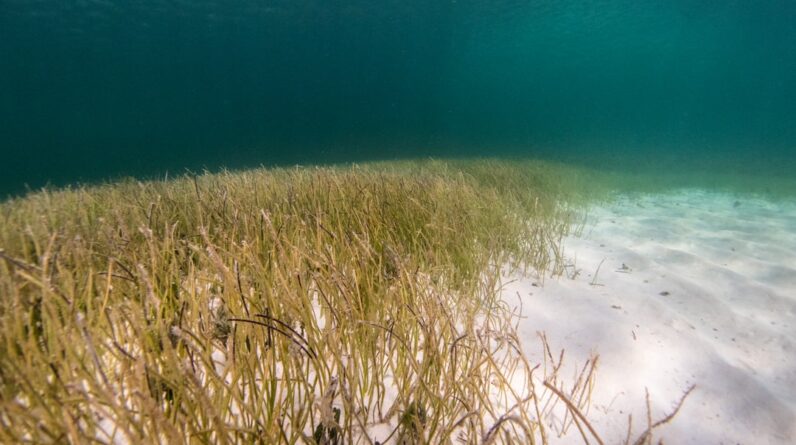
When you think about ocean cleanup, your mind might immediately jump to large-scale initiatives involving boats, nets, and human labor. However, the role of algae in this process is both fascinating and crucial. Algae, particularly microalgae, are not just simple organisms; they are powerful agents of change in marine ecosystems.
These tiny plants can absorb excess nutrients and pollutants from the water, effectively acting as natural filters. By doing so, they help to mitigate the effects of eutrophication, a process that leads to harmful algal blooms and dead zones in oceans. As you explore the depths of this topic, you’ll discover how harnessing the natural abilities of algae can lead to healthier oceans.
Moreover, algae play a significant role in carbon sequestration. As they photosynthesize, they absorb carbon dioxide from the atmosphere, which helps to combat climate change. This dual function of cleaning up pollutants while also reducing greenhouse gases makes algae an invaluable resource in ocean health initiatives.
You might be surprised to learn that some researchers are even experimenting with cultivating specific strains of algae that can thrive in polluted waters, thereby enhancing their ability to absorb toxins and restore balance to marine environments. The potential for algae to contribute to ocean cleanup is vast, and as you delve deeper into this subject, you’ll uncover innovative ways that scientists are leveraging these organisms for a cleaner future.
Key Takeaways
- Algae play a crucial role in ocean cleanup by absorbing carbon dioxide and producing oxygen, as well as removing pollutants from the water.
- Fungi have a surprising impact on ocean health, as they can break down pollutants and contaminants, contributing to the overall cleanliness of the oceans.
- Bacteria contribute to cleaning up the oceans by breaking down organic matter and pollutants, helping to maintain a healthy marine ecosystem.
- Algae, fungi, and bacteria are all important components of ecosystems, playing key roles in nutrient cycling, waste decomposition, and overall environmental balance.
- Innovations in harnessing algae, fungi, and bacteria for ocean cleanup show promising potential for addressing pollution and maintaining ocean health in the future.
The Surprising Impact of Fungi on Ocean Health
While algae often steal the spotlight in discussions about ocean cleanup, fungi also play a surprisingly vital role in maintaining ocean health. You may not immediately associate fungi with marine environments, but these organisms are essential for nutrient cycling and decomposition processes in coastal ecosystems. Fungi break down organic matter, recycling nutrients back into the ecosystem and supporting the growth of other marine life.
This decomposition process is crucial for maintaining the balance of marine habitats, ensuring that nutrients are available for plants and animals alike. In addition to their role in nutrient cycling, certain fungi have been found to possess remarkable capabilities in breaking down pollutants. For instance, some species can degrade hydrocarbons and other toxic compounds found in oil spills.
This bioremediation potential is a game-changer for ocean cleanup efforts. As you consider the implications of this research, it becomes clear that fungi could be harnessed as a natural solution to combat pollution in marine environments. By understanding and utilizing the unique properties of fungi, you can appreciate how these often-overlooked organisms contribute significantly to the health of our oceans.
How Bacteria Contribute to Cleaning Up the Oceans
Bacteria are perhaps the most underestimated players in the realm of ocean cleanup. These microscopic organisms are everywhere in marine environments, and their contributions to ocean health are profound. You might be surprised to learn that bacteria are responsible for breaking down organic matter and recycling nutrients at an astonishing rate.
This process not only supports the food web but also helps to maintain water quality by decomposing waste materials and pollutants. Furthermore, certain bacteria have evolved specialized mechanisms to degrade harmful substances such as plastics and heavy metals. This bioremediation capability is crucial in addressing some of the most pressing pollution challenges facing our oceans today.
As you explore this topic further, you’ll find that researchers are actively investigating how to harness these bacteria for large-scale cleanup efforts. By cultivating specific strains that thrive in polluted environments, scientists aim to create biological solutions that can effectively detoxify marine ecosystems. The potential for bacteria to contribute to ocean cleanup is immense, and as you delve deeper into this subject, you’ll uncover innovative strategies that could revolutionize how we approach marine pollution.
The Importance of Algae, Fungi, and Bacteria in Ecosystems
As you reflect on the roles of algae, fungi, and bacteria in ocean cleanup, it’s essential to recognize their interconnectedness within ecosystems. These organisms do not operate in isolation; rather, they form a complex web of interactions that sustain marine life. Algae provide oxygen and serve as a primary food source for many marine organisms, while fungi contribute to nutrient cycling and habitat stability.
Bacteria play a critical role in decomposing organic matter and recycling nutrients back into the ecosystem. Together, they create a balanced environment that supports biodiversity and resilience. The importance of these organisms extends beyond their individual functions; their interactions are vital for maintaining ecosystem health.
For instance, when algae bloom excessively due to nutrient runoff, it can lead to oxygen depletion and harm fish populations. Conversely, healthy populations of fungi and bacteria can help mitigate these effects by breaking down excess organic matter and restoring balance. As you consider these dynamics, it becomes clear that protecting and promoting the health of algae, fungi, and bacteria is essential for sustaining ocean ecosystems.
Their collective contributions are fundamental to ensuring that marine environments remain vibrant and capable of supporting diverse life forms.
Innovations in Harnessing Algae, Fungi, and Bacteria for Ocean Cleanup
In recent years, there has been a surge of innovative approaches aimed at harnessing the natural abilities of algae, fungi, and bacteria for ocean cleanup efforts. Researchers and environmentalists are exploring various methods to cultivate these organisms in controlled environments or directly within polluted waters. For instance, bioreactors filled with specific strains of algae can be deployed to absorb excess nutrients from wastewater before it enters the ocean.
This proactive approach not only cleans up water but also prevents further pollution from occurring. Additionally, advancements in biotechnology have enabled scientists to genetically modify certain strains of bacteria and fungi to enhance their pollutant-degrading capabilities. By optimizing these organisms for specific contaminants, researchers can create tailored solutions for various pollution challenges.
As you delve into this topic, you’ll discover exciting projects around the world where these innovations are being tested and implemented. From coastal restoration initiatives to large-scale bioremediation projects, the potential for using algae, fungi, and bacteria as natural cleanup agents is becoming increasingly recognized.
The Potential of Algae, Fungi, and Bacteria in Bioremediation

Bioremediation is an area where the potential of algae, fungi, and bacteria truly shines. This process involves using living organisms to remove or neutralize contaminants from the environment, making it an ideal solution for addressing pollution in oceans. You may find it intriguing that certain species of algae can absorb heavy metals from water while others can break down hydrocarbons from oil spills.
Similarly, fungi have been shown to degrade complex organic pollutants through their mycelial networks. The versatility of these organisms makes them suitable candidates for various bioremediation applications. For example, researchers are exploring how specific strains of bacteria can be introduced into polluted areas to accelerate the breakdown of plastics or other harmful substances.
As you consider these possibilities, it becomes evident that bioremediation offers a sustainable approach to cleaning up our oceans without relying on harsh chemicals or invasive methods. The ongoing research in this field holds great promise for developing effective strategies that leverage the natural capabilities of algae, fungi, and bacteria.
Challenges and Limitations in Using Algae, Fungi, and Bacteria for Ocean Cleanup
Despite the promising potential of algae, fungi, and bacteria in ocean cleanup efforts, there are several challenges and limitations that must be addressed. One significant hurdle is the variability in environmental conditions across different marine ecosystems. Factors such as temperature, salinity, and nutrient availability can influence the effectiveness of these organisms in degrading pollutants or restoring balance.
As you explore this topic further, you’ll find that researchers are working diligently to understand how these variables impact the performance of algae, fungi, and bacteria in various contexts. Another challenge lies in scaling up these biological solutions for widespread application. While laboratory studies may demonstrate success in small-scale experiments, translating those results into real-world scenarios can be complex.
You may also encounter concerns regarding potential unintended consequences when introducing new organisms into ecosystems or altering existing populations. As scientists continue to investigate these challenges, it becomes clear that a careful approach is necessary to ensure that harnessing algae, fungi, and bacteria for ocean cleanup is both effective and environmentally responsible.
The Future of Algae, Fungi, and Bacteria in Sustaining Ocean Health
Looking ahead, the future of algae, fungi, and bacteria in sustaining ocean health appears promising yet requires continued research and innovation. As awareness grows about the importance of these organisms in maintaining marine ecosystems, more funding and resources are being directed toward exploring their potential applications in ocean cleanup efforts. You may find it encouraging that collaborative initiatives between scientists, environmental organizations, and policymakers are emerging to promote sustainable practices that leverage these natural solutions.
Moreover, advancements in technology will likely play a crucial role in enhancing our understanding of how to best utilize algae, fungi, and bacteria for ocean health. From genetic engineering techniques that optimize pollutant degradation capabilities to remote sensing technologies that monitor ecosystem changes in real-time, the tools available for researchers are expanding rapidly. As you contemplate the future landscape of ocean cleanup efforts, it’s clear that embracing the power of these microorganisms will be essential for creating resilient marine environments capable of withstanding the challenges posed by pollution and climate change.
In conclusion, as you reflect on the multifaceted roles of algae, fungi, and bacteria in ocean cleanup efforts, it becomes evident that these organisms hold immense potential for restoring balance to our marine ecosystems. By harnessing their natural abilities through innovative research and sustainable practices, we can pave the way toward healthier oceans for generations to come.
Algae, Fungi, and Bacteria: Nature’s Unexpected Ocean Cleaners highlights the crucial role that these organisms play in maintaining the health of our oceans. This article sheds light on the importance of biodiversity in ecosystems and how healthy forests serve as reservoirs for a variety of species. To learn more about the benefits of reforestation and how it can combat global warming, check out this related article. Reforestation not only helps the environment by absorbing carbon dioxide, but it also provides habitats for a diverse range of organisms, including the algae, fungi, and bacteria that are essential for ocean health.
FAQs
What are algae, fungi, and bacteria?
Algae are a diverse group of photosynthetic organisms that can be found in various aquatic environments. Fungi are a group of organisms that include yeasts, molds, and mushrooms, and they play a crucial role in decomposition and nutrient cycling. Bacteria are single-celled microorganisms that can be found in almost every environment on Earth and play important roles in various ecological processes.
How do algae, fungi, and bacteria help clean the ocean?
Algae, fungi, and bacteria play a crucial role in cleaning the ocean by breaking down and recycling organic matter, such as dead plants and animals, into nutrients that can be used by other organisms. They also help to remove pollutants and toxins from the water through processes such as biodegradation and bioremediation.
What are some specific examples of how algae, fungi, and bacteria clean the ocean?
Algae, through a process called photosynthesis, help to remove carbon dioxide from the water and produce oxygen, which is essential for the survival of marine life. Fungi are important decomposers, breaking down complex organic compounds into simpler forms that can be used by other organisms. Bacteria play a crucial role in breaking down oil spills and other pollutants in the ocean, helping to mitigate the impact of human activities on marine ecosystems.
How do algae, fungi, and bacteria contribute to the overall health of the ocean?
Algae, fungi, and bacteria contribute to the overall health of the ocean by maintaining nutrient cycles, removing pollutants, and supporting the growth of other marine organisms. They also play a crucial role in maintaining the balance of marine ecosystems and are essential for the sustainability of ocean life.
What are some challenges that algae, fungi, and bacteria face in cleaning the ocean?
Algae, fungi, and bacteria face challenges such as pollution, habitat destruction, and climate change, which can disrupt their ability to effectively clean the ocean. For example, oil spills can overwhelm the natural bioremediation capacity of bacteria, leading to long-term environmental damage. Additionally, nutrient pollution from human activities can lead to harmful algal blooms, which can have negative impacts on marine ecosystems.