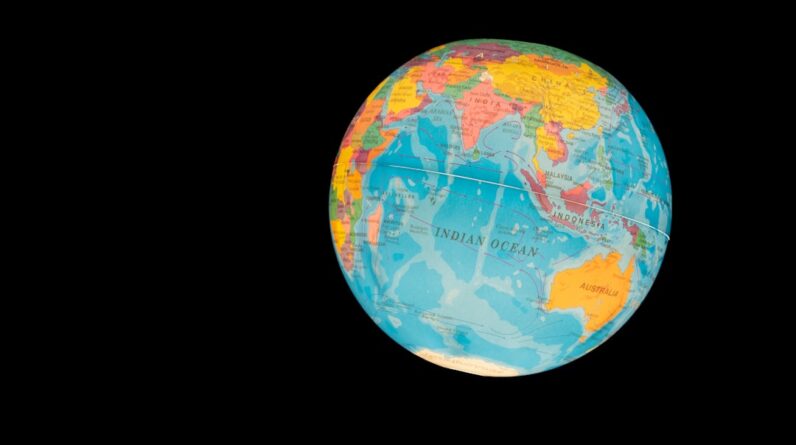
As you delve into the pressing issue of climate change, it becomes increasingly clear that not all regions of the world are affected equally. The disparity in climate impact between the Global North and the Global South is stark and troubling. While industrialized nations have historically contributed the most to greenhouse gas emissions, it is often the developing countries that bear the brunt of climate-related disasters.
This imbalance raises critical questions about justice, equity, and responsibility in addressing climate change. You may find yourself pondering how this disparity came to be and what can be done to rectify it. The consequences of climate change are not merely environmental; they are deeply intertwined with social, economic, and political factors.
As you explore this complex landscape, you will encounter stories of communities in the Global South facing extreme weather events, rising sea levels, and food insecurity. These challenges are exacerbated by existing inequalities, making it imperative to understand the broader context of climate disparity. By examining the roots of this issue, you can better appreciate the urgency of finding equitable solutions that prioritize the needs of those most affected.
Key Takeaways
- Climate change disproportionately affects the Global South, exacerbating existing disparities and inequalities.
- Industrialization has played a significant role in creating climate disparity, with the Global North being the main contributor to greenhouse gas emissions.
- Marginalized communities in the Global South bear the brunt of environmental injustice, facing the harshest impacts of climate change despite contributing the least to it.
- The Global North has a responsibility to address climate disparity and be held accountable for its historical and ongoing contributions to the problem.
- Efforts towards climate justice and equity require collaborative solutions that bridge the gap between the Global North and Global South, working towards a sustainable future for all.
The Impact of Climate Change on the Global South
In the Global South, the impacts of climate change manifest in various forms, from devastating droughts to catastrophic floods. You may be struck by the stories of farmers in sub-Saharan Africa who struggle to grow crops in increasingly unpredictable weather patterns. These communities often rely on agriculture for their livelihoods, and as climate conditions worsen, their ability to feed themselves and their families diminishes.
The loss of arable land and water scarcity not only threatens food security but also exacerbates poverty and displacement. Moreover, coastal regions in countries like Bangladesh and the Philippines face the imminent threat of rising sea levels. As you consider these realities, it becomes evident that entire communities are at risk of being submerged, leading to mass migrations and loss of cultural heritage.
The health impacts are equally alarming; increased temperatures and changing ecosystems contribute to the spread of diseases such as malaria and dengue fever. You may find yourself reflecting on how these challenges are not just environmental issues but also human rights crises that demand urgent attention.
The Role of Industrialization in Climate Disparity
Industrialization has played a pivotal role in shaping the climate crisis we face today. As you examine the history of industrial development, you will notice that countries in the Global North have reaped significant economic benefits from fossil fuel consumption and resource extraction. This industrial growth has come at a cost, contributing to a disproportionate share of global emissions.
In contrast, many nations in the Global South have been left to grapple with the consequences of this industrialization without having had the opportunity to develop their economies on a similar scale. You might consider how this historical context creates a moral obligation for wealthier nations to support sustainable development in poorer countries. The legacy of colonialism further complicates this narrative, as many nations in the Global South continue to deal with the repercussions of exploitation and resource depletion.
As you reflect on these dynamics, it becomes clear that addressing climate disparity requires not only a reduction in emissions but also a commitment to equitable economic development that empowers marginalized communities.
Environmental Injustice and Marginalized Communities
Environmental injustice is a critical aspect of climate disparity that cannot be overlooked. As you explore this theme, you will discover that marginalized communities—often those with the least power and resources—are disproportionately affected by environmental degradation and climate change. These communities frequently lack access to clean water, adequate healthcare, and safe housing, making them more vulnerable to climate-related disasters.
You may find it particularly poignant to consider how systemic inequalities intersect with environmental issues. For instance, indigenous populations often face threats to their land and way of life due to industrial projects or deforestation. As you engage with these narratives, it becomes evident that achieving climate justice means amplifying the voices of those who have been historically silenced.
You might feel compelled to advocate for policies that prioritize environmental equity and ensure that marginalized communities are included in decision-making processes.
The Global North’s Responsibility and Accountability
As you reflect on the role of the Global North in perpetuating climate disparity, it is essential to acknowledge the responsibility that comes with privilege. Wealthier nations have not only contributed significantly to greenhouse gas emissions but have also benefited from a global economic system that often exploits resources from the Global South. This reality raises questions about accountability and reparations for those most affected by climate change.
You may find yourself considering how international agreements, such as the Paris Agreement, can be strengthened to hold industrialized nations accountable for their commitments to reduce emissions and support developing countries. Financial assistance for adaptation and mitigation efforts is crucial for empowering vulnerable nations to build resilience against climate impacts. As you engage with these ideas, it becomes clear that fostering a sense of global solidarity is vital for addressing climate disparity effectively.
Efforts Towards Climate Justice and Equity
In recent years, there has been a growing movement towards climate justice that seeks to address the inequities inherent in climate change responses. You may be inspired by grassroots organizations and activists who are working tirelessly to advocate for policies that prioritize equity and justice. These efforts often focus on empowering local communities to take charge of their own sustainable development initiatives.
You might also explore how international collaborations are emerging to tackle climate disparity head-on. Initiatives aimed at technology transfer, capacity building, and financial support for renewable energy projects in developing countries are gaining traction. As you learn about these efforts, you may feel a sense of hope that collective action can lead to meaningful change.
It is essential to recognize that achieving climate justice requires not only policy changes but also a shift in societal attitudes towards sustainability and equity.
Bridging the Gap: Collaborative Solutions for Climate Disparity
To effectively address climate disparity, collaborative solutions must be prioritized at both local and global levels. You may find it enlightening to explore how partnerships between governments, non-governmental organizations, and private sectors can create innovative approaches to sustainability. By fostering dialogue and cooperation among diverse stakeholders, it becomes possible to develop strategies that are inclusive and equitable.
You might also consider how technology can play a transformative role in bridging the gap between the Global North and South. Access to clean energy technologies, sustainable agricultural practices, and climate-resilient infrastructure can empower communities in developing nations to adapt to changing conditions while reducing their carbon footprints. As you reflect on these possibilities, it becomes clear that collaboration is key to creating a sustainable future where all communities can thrive.
Working Towards a Sustainable Future for All
As you conclude your exploration of climate disparity, it is essential to recognize that addressing this issue is not just an environmental imperative but a moral one as well. The interconnectedness of our world means that actions taken in one region can have far-reaching consequences for others. You may feel compelled to advocate for policies that promote equity and justice while holding those responsible accountable for their actions.
Ultimately, working towards a sustainable future for all requires a collective commitment to dismantling systemic inequalities and fostering inclusive solutions. By amplifying marginalized voices and prioritizing collaboration across borders, you can contribute to a more just response to climate change. As you move forward, remember that every action counts—whether it’s supporting local initiatives or advocating for global policies—because together we can create a world where everyone has the opportunity to thrive in harmony with our planet.
A related article to “A Tale of Two Planets: The Climate Disparity Between the Global North and South” discusses the importance of combatting global warming through massive tree planting. This article explores how planting trees can help mitigate the effects of climate change and reduce the disparity between developed and developing countries. To learn more about the benefits of tree planting in the fight against global warming, check out this article.
FAQs
What is the climate disparity between the Global North and South?
The climate disparity between the Global North and South refers to the unequal impact of climate change on different regions of the world. The Global North, which includes countries in North America, Europe, and parts of Asia, has historically contributed more to greenhouse gas emissions and has higher levels of industrialization. As a result, these regions experience more severe impacts of climate change. The Global South, which includes countries in Africa, Latin America, and parts of Asia, tends to be more vulnerable to the effects of climate change due to factors such as poverty, lack of infrastructure, and dependence on agriculture.
What are some examples of climate disparities between the Global North and South?
Examples of climate disparities between the Global North and South include extreme weather events, such as hurricanes and droughts, which disproportionately affect the Global South. Additionally, rising sea levels and coastal erosion pose significant threats to low-lying countries in the Global South. The Global North also has greater access to resources for adapting to and mitigating the effects of climate change, while the Global South often lacks the necessary infrastructure and financial resources.
How does the climate disparity impact different regions?
The climate disparity impacts different regions in various ways. In the Global North, extreme weather events and rising temperatures can lead to infrastructure damage, loss of biodiversity, and threats to public health. In the Global South, the impacts of climate change can exacerbate existing challenges such as food insecurity, water scarcity, and displacement of communities. These disparities can also contribute to social and economic inequalities within and between countries.
What are some efforts to address the climate disparity between the Global North and South?
Efforts to address the climate disparity between the Global North and South include international agreements such as the Paris Agreement, which aims to limit global temperature rise and support developing countries in their climate change adaptation and mitigation efforts. Additionally, initiatives focused on climate finance, technology transfer, and capacity building are being implemented to support vulnerable communities in the Global South. It is also important for countries in the Global North to take responsibility for their historical contributions to climate change and support efforts to address the disparities.