Have you ever wondered how the loss of forests could be intricately tied to the warming of our planet? Deforestation and global warming are not isolated phenomena but rather an intertwined dance affecting every corner of the globe. Through this detailed exploration, you’ll grasp the gravity of deforestation and its profound impact on climate change.
The Interconnectedness of Forests and Climate
Forests, often referred to as the lungs of the Earth, play a critical role in maintaining climate stability. Forests absorb carbon dioxide (CO2) through the process of photosynthesis, storing carbon and releasing oxygen back into the atmosphere. However, when these forests are cleared or degraded, the stored carbon is released as CO2, exacerbating the greenhouse effect and contributing to global warming.
The Carbon Sink Function of Forests
Forests act as significant carbon sinks. These ecosystems store approximately 45% of the Earth’s terrestrial carbon. When trees and vegetation absorb CO2, they mitigate a substantial amount of greenhouse gases from the atmosphere. Thus, the preservation of forests is essential for regulating the global carbon cycle.
The Unfortunate Consequence of Deforestation
When forests are cut down or burned, the carbon stored in trees and plants is released into the atmosphere, increasing CO2 levels. This massive release of carbon contributes to the greenhouse effect, trapping heat in the atmosphere and leading to global warming. The following table illustrates the carbon storage capacity of different types of forests:
| Forest Type | Average Carbon Storage (tons per hectare) |
|---|---|
| Tropical Forests | 200 – 400 |
| Temperate Forests | 100 – 300 |
| Boreal Forests | 80 – 150 |
As you can see, tropical forests store the most carbon, making their preservation even more critical in the fight against climate change.
Causes of Deforestation
Deforestation is driven by a variety of factors, each contributing to the widespread clearing of forests. Understanding these causes can help you comprehend the complexity of addressing this issue.
Agricultural Expansion
One of the primary drivers of deforestation is agricultural expansion. As the global population grows, so does the demand for food. Forests are often cleared to create space for crops and livestock. This practice is especially prevalent in tropical regions, where large areas of rainforest are converted into farmland.
Logging and Timber Harvesting
The demand for wood and paper products leads to extensive logging activities. While some logging is conducted sustainably, illegal and unregulated logging practices cause significant deforestation. These activities not only reduce forested areas but also degrade forest ecosystems.
Infrastructure Development
Infrastructure projects such as roads, dams, and urban development contribute to forest loss. As human populations expand and economies grow, forests are often cleared to make way for new constructions. This not only leads to habitat loss but also makes previously inaccessible areas vulnerable to further deforestation.
Mining and Extractive Industries
The extraction of mineral resources and fossil fuels often requires the clearing of vast forested areas. Mining operations result in habitat destruction, soil erosion, and water pollution, further exacerbating the environmental impact of deforestation.
The Impact of Deforestation on Global Warming
The relationship between deforestation and global warming is multifaceted and far-reaching. When forests are removed, the balance of greenhouse gases in the atmosphere is altered, leading to a variety of climatic changes.
Increased Greenhouse Gas Emissions
As previously mentioned, deforestation results in the release of stored carbon as CO2. This surge in greenhouse gas emissions contributes directly to the enhanced greenhouse effect, causing global temperatures to rise. In addition to CO2, deforestation can also release other greenhouse gases such as methane (CH4) and nitrous oxide (N2O), further intensifying global warming.
Changes in Albedo
Albedo refers to the reflectivity of the Earth’s surface. Forested areas typically have a lower albedo, meaning they absorb more sunlight. When forests are replaced by agricultural fields or urban areas, the albedo increases, reflecting more sunlight back into space. While this might seem like it would cool the Earth, the loss of carbon sequestration from forests far outweighs the cooling effect of higher albedo, resulting in a net increase in global temperatures.
Disruption of Water Cycles
Forests play a crucial role in maintaining the Earth’s water cycles. Trees absorb groundwater and release it into the atmosphere through transpiration, contributing to cloud formation and precipitation. Deforestation disrupts these processes, leading to reduced rainfall and altered weather patterns. This can result in drier conditions and exacerbate the effects of climate change.
Biodiversity Loss and Its Role in Climate Regulation
Forests are home to an incredible diversity of species, many of which play vital roles in ecosystem functioning and climate regulation. The loss of biodiversity due to deforestation can have profound implications for climate stability.
Keystone Species and Ecosystem Stability
Many forests contain keystone species—organisms that have a disproportionately large impact on their ecosystems. The loss of these species can lead to cascading effects that disrupt ecosystem stability and resilience. For example, the removal of large herbivores or predators can alter vegetation patterns and reduce the forest’s ability to sequester carbon.
Genetic Diversity and Climate Adaptation
Biodiverse forests are more resilient to environmental changes and disturbances. A variety of species and genetic diversity within those species enable ecosystems to adapt to changing conditions, such as climate fluctuations. Deforestation reduces this genetic diversity, making ecosystems more vulnerable to the impacts of climate change and less capable of sequestering carbon effectively.
The Role of Protected Areas in Mitigating Deforestation
Protected areas, such as national parks and wildlife reserves, are essential tools in the fight against deforestation. These areas provide safe havens for biodiversity and help maintain ecosystem services that regulate the climate.
Effectiveness of Protected Areas
When effectively managed, protected areas can significantly reduce deforestation rates. Studies have shown that protected areas with strong governance and community involvement are more successful in conserving forests and preventing illegal activities.
Challenges and Opportunities
While protected areas are crucial, they face several challenges, including inadequate funding, enforcement issues, and competing land-use interests. Addressing these challenges requires a multi-faceted approach that includes strengthening legal frameworks, enhancing community engagement, and promoting sustainable land-use practices.
Sustainable Forest Management Practices
To mitigate the impact of deforestation on global warming, sustainable forest management practices must be adopted. These practices aim to balance the need for economic development with the preservation of forest ecosystems.
Certification Systems and Sustainable Harvesting
Certification systems, such as the Forest Stewardship Council (FSC), promote sustainable forest management by setting standards for responsible harvesting practices. These systems ensure that logging activities comply with environmental and social criteria, reducing the impact on forests and promoting long-term sustainability.
Agroforestry and Reforestation
Agroforestry and reforestation are effective strategies for mitigating deforestation. Agroforestry integrates trees into agricultural systems, providing multiple benefits such as improved soil health, increased biodiversity, and enhanced carbon sequestration. Reforestation involves planting trees in deforested areas, restoring ecosystems, and increasing carbon storage.

The Role of Individuals in Combating Deforestation
While addressing deforestation and global warming requires large-scale systemic changes, individual actions also play a crucial role in driving progress. By making conscious choices, you can contribute to the preservation of forests and the fight against climate change.
Reducing Consumption of Forest Products
One way to reduce your impact on deforestation is by being mindful of your consumption of forest products. Choose sustainably sourced wood, paper, and other products. Support companies that prioritize sustainability and have certifications such as FSC or Rainforest Alliance.
Supporting Conservation Efforts
Participate in and support conservation organizations that work towards protecting forests and biodiversity. Donate to or volunteer with groups dedicated to reforestation, habitat preservation, and environmental advocacy. Your support can amplify efforts to combat deforestation and mitigate global warming.
Advocating for Policy Change
Engage in advocacy efforts to promote policies that protect forests and address climate change. Support legislation that strengthens forest conservation, reduces carbon emissions, and promotes sustainable land-use practices. By raising awareness and pushing for policy change, you can help create a more sustainable future.
The Global Effort to Combat Deforestation and Global Warming
Combating deforestation and global warming requires coordinated efforts at the global level. International agreements and collaborations play a crucial role in addressing these interconnected challenges.
The Role of International Agreements
International agreements such as the Paris Agreement aim to limit global warming and promote sustainable development. These agreements encourage countries to commit to reducing deforestation and enhancing carbon sequestration through reforestation and sustainable land-use practices.
Collaboration Between Nations
Collaborative efforts between countries are essential to address the global nature of deforestation and climate change. Initiatives such as REDD+ (Reducing Emissions from Deforestation and Forest Degradation) promote financial incentives for developing countries to reduce deforestation and invest in sustainable development.
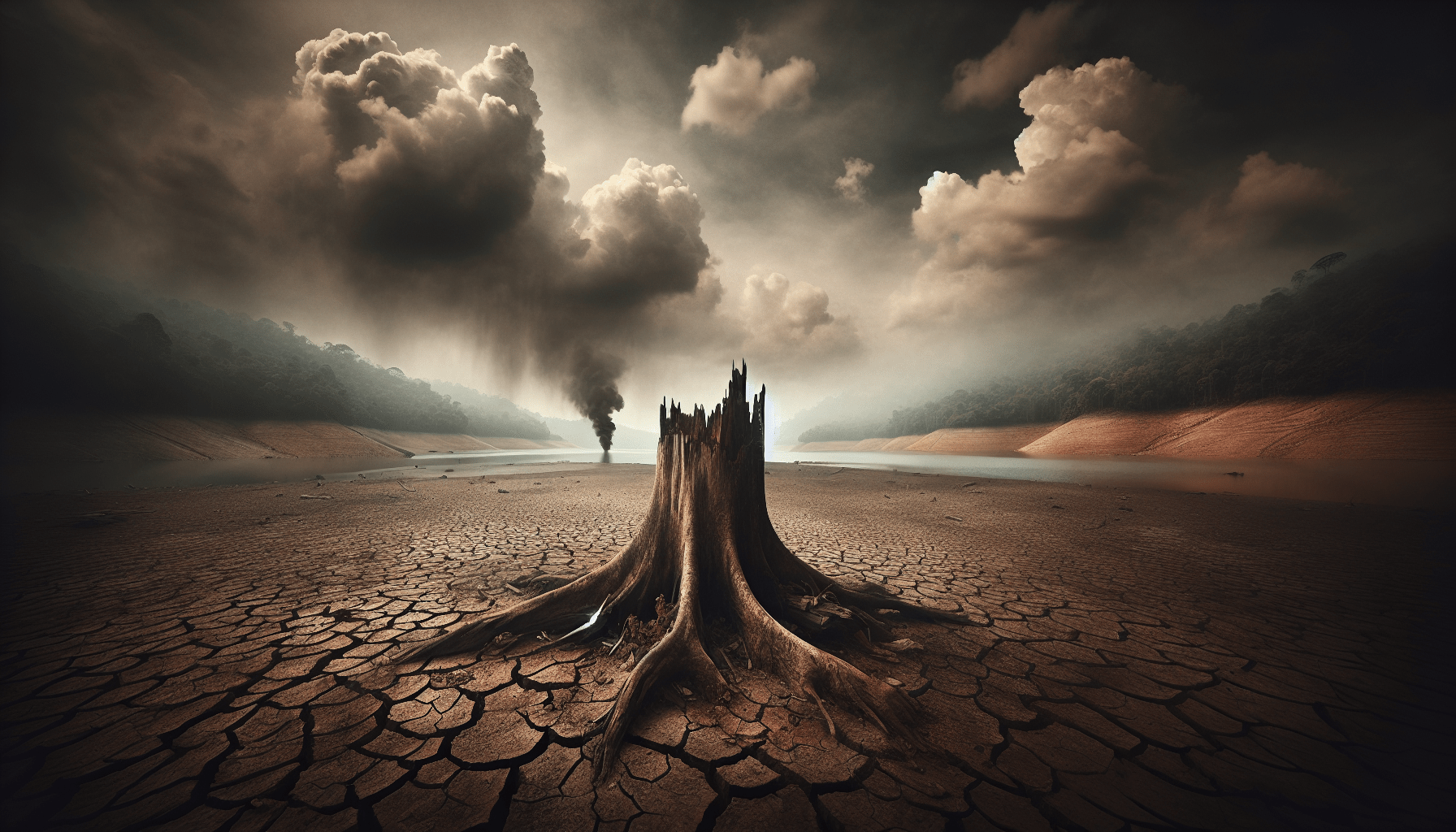
Future Perspectives: Hope and Challenges
The battle against deforestation and global warming is far from over, but there is hope. Technological advancements, increased awareness, and global cooperation offer promising avenues for progress.
Technological Innovations
Advancements in technology can aid in the fight against deforestation. Remote sensing and satellite imagery, for example, allow for better monitoring of forest cover and early detection of illegal activities. Innovations in sustainable agriculture and forestry practices also provide opportunities to reduce deforestation while meeting human needs.
The Power of Awareness and Education
Raising awareness about the importance of forests and the impact of deforestation is crucial for driving change. Education programs that emphasize the value of biodiversity, ecosystem services, and climate regulation can inspire individuals and communities to take action.
Ongoing Challenges
Despite the progress, significant challenges remain. Economic pressures, weak governance, and lack of resources continue to drive deforestation in many regions. Addressing these challenges requires persistent effort, investment, and collaboration among governments, businesses, and civil society.
A Call to Action
The relationship between deforestation and global warming is a deadly dance that threatens the stability of our planet. However, by understanding the interconnectedness of these issues and taking collective action, you can contribute to a more sustainable and resilient future. Whether through policy advocacy, supporting conservation efforts, or making sustainable choices in your daily life, every action counts in the fight against deforestation and global warming.
In conclusion, the preservation of forests is not just an environmental issue but a critical component of global climate stability. By recognizing the deadly dance between deforestation and global warming, you can join the movement to protect our planet and ensure a healthier, more sustainable future for all.