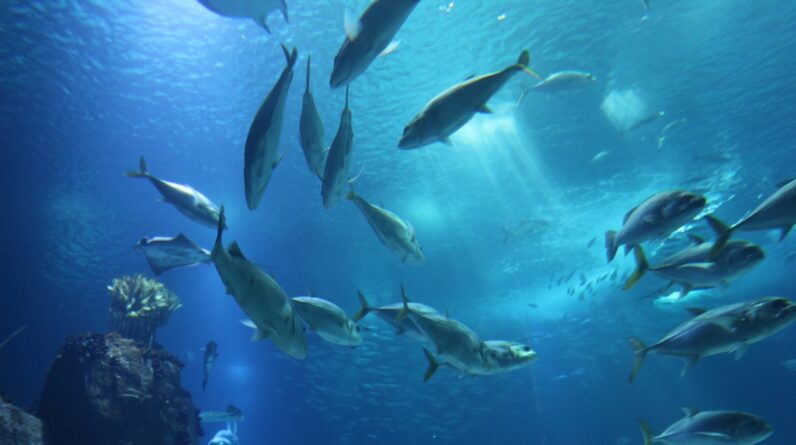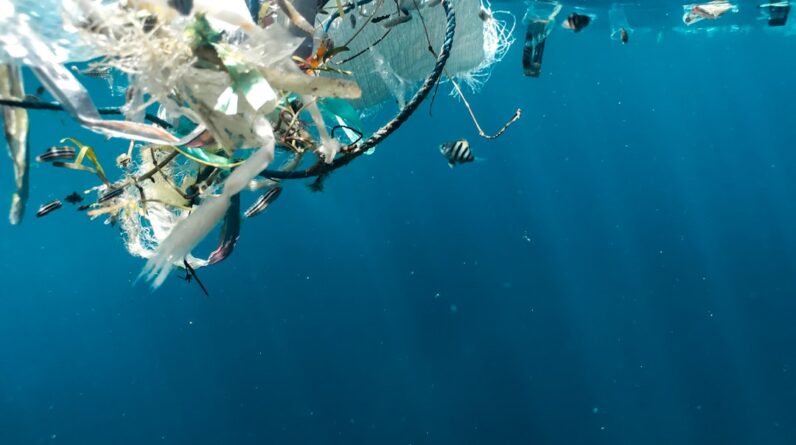
As you gaze out at the vast expanse of the ocean, it’s easy to forget that beneath its shimmering surface lies a world in crisis. The oceans, which cover more than 70% of our planet, are facing unprecedented challenges that threaten marine life and, ultimately, human existence. Overfishing, habitat destruction, and climate change are just a few of the pressing issues that have led to a dramatic decline in biodiversity.
You may not realize it, but the health of the ocean is intricately linked to your own well-being. The ocean produces over half of the world’s oxygen and plays a crucial role in regulating the climate. When you consider these facts, it becomes clear that the crisis is not just an environmental issue; it’s a matter of survival for all living beings.
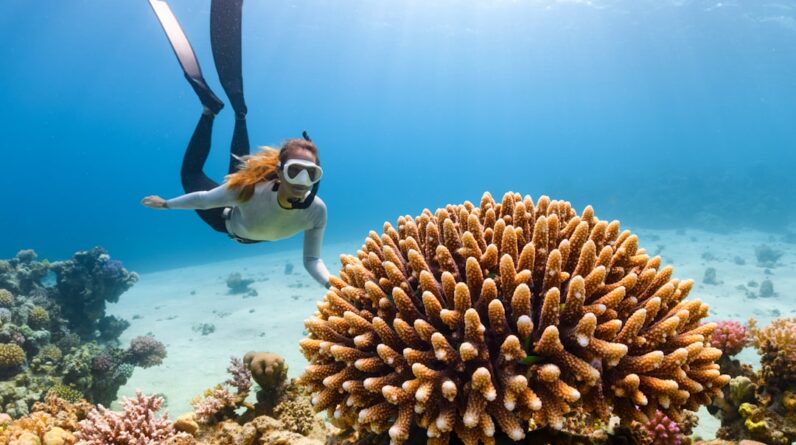
The current state of the ocean is alarming. According to recent studies, nearly one-third of fish stocks are overfished, and many marine species are on the brink of extinction. Coral reefs, often referred to as the “rainforests of the sea,” are dying at an alarming rate due to rising sea temperatures and acidification.
As you reflect on these statistics, it’s essential to understand that the ocean’s health directly impacts food security, economies, and even global weather patterns. The crisis is not distant; it is happening now, and it requires immediate action from individuals like you who care about the future of our planet.
Key Takeaways
- The ocean is currently in crisis due to pollution, overfishing, and climate change, leading to a decline in marine life and ecosystems.
- Individuals can reduce plastic pollution by using reusable bags, bottles, and containers, and by properly disposing of and recycling plastic waste.
- Supporting sustainable fishing practices can be done by choosing seafood from responsible sources and advocating for regulations that protect marine life.
- Getting involved in local marine conservation initiatives can include volunteering for beach cleanups, supporting marine protected areas, and participating in educational programs.
- Influencing government action on marine conservation can be achieved through advocating for policies that reduce pollution, protect marine habitats, and promote sustainable fishing practices.
Reduce Plastic Pollution: Practical Steps for Individuals
One of the most pressing issues facing our oceans today is plastic pollution. Every year, millions of tons of plastic waste end up in the ocean, harming marine life and ecosystems. As an individual, you have the power to make a significant impact by reducing your plastic consumption.
Start by making small changes in your daily life. For instance, consider using reusable bags when shopping instead of single-use plastic bags. By doing so, you not only reduce plastic waste but also set an example for others in your community.
Another effective way to combat plastic pollution is by being mindful of your consumption habits. Opt for products with minimal or no packaging whenever possible. You can also choose to support brands that prioritize sustainability and use eco-friendly materials.
By making conscious choices about what you buy, you contribute to a larger movement aimed at reducing plastic waste. Additionally, consider participating in local clean-up events or organizing one yourself. These initiatives not only help remove plastic from the environment but also raise awareness about the issue within your community.
Supporting Sustainable Fishing Practices: How You Can Make a Difference

Sustainable fishing practices are essential for maintaining healthy fish populations and preserving marine ecosystems. As a consumer, you play a crucial role in supporting these practices. When purchasing seafood, take the time to research where it comes from and how it was caught.
Look for certifications such as the Marine Stewardship Council (MSC) label, which indicates that the seafood has been sourced sustainably. By choosing sustainably sourced seafood, you send a message to fisheries that responsible practices are valued and necessary. Moreover, consider advocating for local fisheries that prioritize sustainability.
You can do this by visiting farmers’ markets or local fish markets that promote sustainable fishing methods. Engaging with local fishermen and understanding their practices can also provide insight into the challenges they face and how you can support them. By making informed choices about the seafood you consume, you contribute to a healthier ocean and help ensure that future generations can enjoy its bounty.
Promoting Marine Conservation: Getting Involved in Local Initiatives
Marine conservation efforts are vital for protecting ocean ecosystems and ensuring their resilience against threats like climate change and pollution. You can make a difference by getting involved in local initiatives focused on marine conservation. Many organizations offer volunteer opportunities for beach clean-ups, habitat restoration projects, and educational programs aimed at raising awareness about marine issues.
By participating in these activities, you not only contribute to the health of your local environment but also connect with like-minded individuals who share your passion for protecting the ocean. In addition to volunteering, consider advocating for marine protected areas (MPAs) in your region. MPAs are designated zones where human activity is restricted to protect marine ecosystems and biodiversity.
You can support these initiatives by attending community meetings, signing petitions, or even reaching out to local representatives to express your support for conservation efforts. Your voice matters, and by actively participating in local initiatives, you help create a stronger movement for marine conservation.
Advocating for Policy Change: Influencing Government Action
While individual actions are essential, systemic change is necessary to address the ocean crisis effectively. Advocating for policy change at local, national, and international levels is crucial for creating lasting solutions. Start by educating yourself about current policies affecting marine environments and identify areas where improvements can be made.
Engage with organizations that focus on ocean advocacy and stay informed about upcoming legislation related to marine conservation. You can also make your voice heard by contacting your elected representatives. Write letters or emails expressing your concerns about ocean health and urging them to support policies that protect marine ecosystems.
Attend town hall meetings or public forums where you can discuss these issues directly with policymakers. By advocating for change at the governmental level, you contribute to a collective effort aimed at safeguarding our oceans for future generations.
Educating Others: Spreading Awareness and Encouraging Action
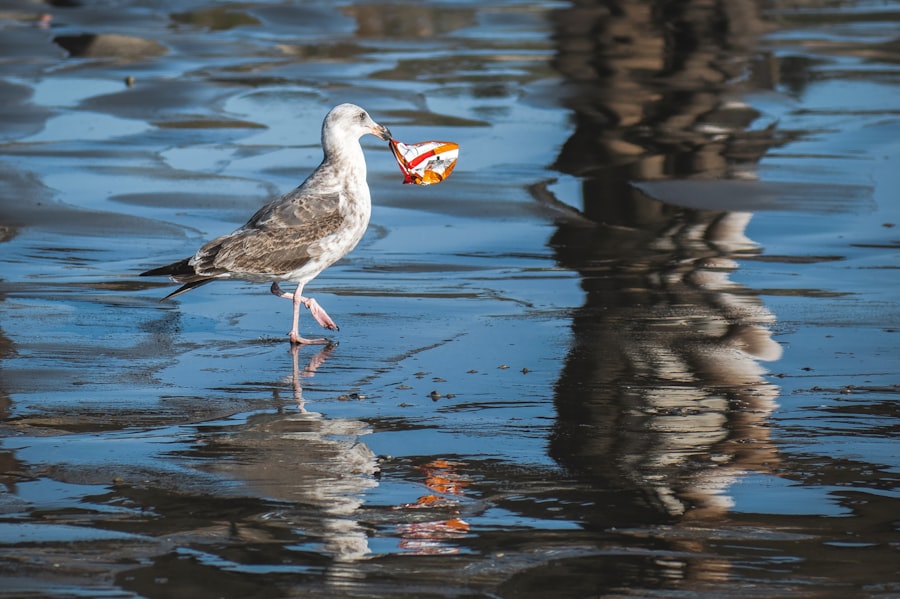
Education is a powerful tool in the fight for ocean conservation. By spreading awareness about the challenges facing our oceans and encouraging others to take action, you can amplify your impact significantly. Start by sharing information with friends and family about marine issues that resonate with you.
Use social media platforms to raise awareness about plastic pollution, overfishing, or climate change’s effects on marine life. Your voice can inspire others to join the cause and make changes in their own lives. Consider organizing educational events or workshops in your community focused on marine conservation topics.
Collaborate with local schools or community centers to host discussions or film screenings that highlight the importance of protecting our oceans. By fostering conversations around these issues, you create an environment where individuals feel empowered to take action and contribute to positive change.
Supporting Research and Innovation: Investing in Solutions for the Future
Investing in research and innovation is crucial for developing effective solutions to combat ocean-related challenges. As an individual, you can support organizations and initiatives that focus on scientific research aimed at understanding marine ecosystems better and finding innovative ways to protect them. Consider donating to research institutions or non-profits dedicated to marine science and conservation efforts.
Additionally, stay informed about new technologies and practices that promote sustainability in ocean management. For example, advancements in biodegradable materials can help reduce plastic pollution, while innovative fishing techniques can minimize bycatch and overfishing. By supporting research and innovation, you contribute to a future where our oceans are healthier and more resilient.
Taking Action: Small Changes That Can Have a Big Impact
Ultimately, every small action counts when it comes to protecting our oceans. You don’t need to be an environmental expert or activist to make a difference; simple changes in your daily routine can have a significant impact over time. Start by incorporating eco-friendly habits into your life—use reusable water bottles instead of single-use plastics, reduce water consumption during showers, or choose public transportation over driving whenever possible.
Encourage those around you to join in these efforts as well. Share tips on reducing waste or highlight local initiatives that promote sustainability. By fostering a culture of environmental responsibility within your community, you create a ripple effect that can lead to broader changes in behavior and attitudes toward ocean conservation.
In conclusion, understanding the current state of our oceans is crucial for recognizing the urgency of action needed to protect them. By reducing plastic pollution, supporting sustainable fishing practices, promoting marine conservation initiatives, advocating for policy change, educating others, investing in research, and making small changes in your daily life, you can play an integral role in safeguarding our oceans for future generations. The time for action is now—your efforts can contribute to a healthier planet and a thriving marine ecosystem.
If you are interested in learning more about how trees can help prevent environmental disasters like floods and global warming, check out this article on preventing floods by massive tree planting. Trees play a crucial role in maintaining biodiversity and creating healthy forests, as discussed in this article on biodiversity reservoir by having healthy forest. By understanding the importance of trees and taking action to protect them, we can make a positive impact on the health of our planet and prevent further damage to our oceans.
FAQs
What is causing the ocean emergency?
The ocean emergency is being caused by a combination of factors including climate change, overfishing, pollution, and habitat destruction.
How is climate change affecting the oceans?
Climate change is causing the oceans to warm, leading to coral bleaching, sea level rise, and changes in ocean currents. It is also contributing to ocean acidification, which is harmful to marine life.
What are the effects of overfishing on the oceans?
Overfishing is depleting fish populations, disrupting marine ecosystems, and threatening the food security of millions of people who rely on fish as their primary source of protein.
How does pollution impact the oceans?
Pollution from plastic waste, oil spills, and agricultural runoff is harming marine life, contaminating seafood, and creating dead zones where no marine life can survive.
What is habitat destruction and how does it affect the oceans?
Habitat destruction, such as the destruction of coral reefs and mangrove forests, reduces the ability of marine ecosystems to support biodiversity and provide essential services such as coastal protection and carbon sequestration.
What are some ways individuals can help stop the ocean emergency?
Individuals can help stop the ocean emergency by reducing their carbon footprint, consuming sustainable seafood, reducing their use of single-use plastics, supporting marine conservation efforts, and advocating for policies that protect the oceans.
How can governments and businesses contribute to stopping the ocean emergency?
Governments and businesses can contribute to stopping the ocean emergency by implementing and enforcing regulations to reduce carbon emissions, protect marine habitats, and promote sustainable fishing practices. They can also invest in research and innovation to develop new technologies and solutions for ocean conservation.