In recent years, you may have noticed an increase in the prevalence of pollen allergies among your friends, family, and even yourself. This rise can be attributed to a combination of environmental factors, lifestyle changes, and increased awareness of allergic conditions. Pollen allergies, also known as hay fever or allergic rhinitis, occur when your immune system overreacts to pollen from trees, grasses, and weeds.
As more people are diagnosed with these allergies, it becomes evident that this is not merely a personal issue but a growing public health concern. The statistics surrounding pollen allergies are staggering. According to various studies, the number of individuals affected by these allergies has been steadily increasing over the past few decades.
You might find it surprising that nearly 30% of adults and up to 40% of children in some regions experience allergic rhinitis. This surge can be linked to various factors, including changes in climate, urbanization, and even lifestyle choices. As you navigate through your daily life, it’s essential to understand the broader implications of this rise in pollen allergies and how it affects not just individual health but also community well-being.
Key Takeaways
- Pollen allergies are on the rise, affecting a growing number of people worldwide.
- Climate change is contributing to higher pollen levels, exacerbating allergy symptoms.
- Pollution has been linked to increased allergy rates, making air quality an important factor in managing allergies.
- Urbanization and changes in land use can impact allergy rates, with urban areas often experiencing higher pollen levels.
- Genetics play a role in allergic reactions, influencing an individual’s susceptibility to pollen allergies.
Climate Change and Its Impact on Pollen Levels
As you delve deeper into the causes of rising pollen allergies, one significant factor stands out: climate change. The warming climate has led to longer growing seasons for plants, which in turn increases the amount of pollen produced. You may have noticed that spring seems to arrive earlier each year, and with it comes an earlier onset of allergy symptoms.
This phenomenon is not just a coincidence; it is a direct result of changing weather patterns that favor the proliferation of allergenic plants. Moreover, increased carbon dioxide levels in the atmosphere have been shown to enhance plant growth and pollen production. This means that as the planet warms, you may find yourself facing more intense allergy seasons with higher pollen counts.
The implications are profound; not only does this affect your quality of life during peak allergy seasons, but it also poses challenges for healthcare systems as they grapple with the rising number of allergy-related cases. Understanding this connection between climate change and pollen levels is crucial for developing effective strategies to manage your allergies.
The Connection Between Pollution and Allergies

In addition to climate change, pollution plays a significant role in exacerbating pollen allergies. As you walk through urban areas, you may notice the haze of smog or the presence of particulate matter in the air. These pollutants can interact with pollen grains, making them more potent allergens.
Research indicates that exposure to air pollution can increase the severity of allergic reactions and even lead to new sensitivities. This means that if you live in a polluted area, your chances of experiencing severe allergy symptoms may be heightened. Furthermore, pollution can weaken your immune system’s ability to cope with allergens.
When your body is already under stress from environmental toxins, it may react more aggressively to pollen exposure. This connection between pollution and allergies highlights the importance of addressing air quality issues as part of a comprehensive approach to managing allergic conditions. As you consider your own health and well-being, it becomes clear that advocating for cleaner air is not just an environmental issue but a personal one as well.
How Land Use and Urbanization Affect Allergy Rates
The way land is used and urbanized can significantly impact allergy rates in your community. As cities expand and natural landscapes are replaced with concrete structures, the diversity of plant life diminishes. This loss of biodiversity can lead to an increase in specific allergenic plants that thrive in urban environments.
For instance, ragweed, a notorious allergen, flourishes in disturbed soils often found in urban settings. As you navigate through your city, you may encounter more of these allergenic plants than you would in a more diverse natural habitat. Urbanization also contributes to the heat island effect, where cities become significantly warmer than surrounding rural areas due to human activities.
This increased temperature can further extend the growing season for allergenic plants, leading to higher pollen counts during critical months. As you experience the effects of urban living on your allergies, it’s essential to recognize that land use planning and green space development can play a vital role in mitigating these issues. Advocating for more parks and green areas can help restore some balance to urban ecosystems and potentially reduce allergy rates in your community.
The Role of Genetics in Allergic Reactions
While environmental factors play a significant role in the rise of pollen allergies, genetics cannot be overlooked. If you have family members who suffer from allergies, your likelihood of developing similar conditions increases significantly. Research suggests that genetic predisposition accounts for about 30-50% of the risk associated with developing allergies.
This means that if you have a parent or sibling with pollen allergies, you may be more susceptible to experiencing similar reactions. Understanding the genetic component of allergies can empower you to take proactive measures in managing your health. For instance, knowing your family history can help you anticipate potential allergy issues and seek early intervention if necessary.
Additionally, advancements in genetic research may lead to personalized treatment options tailored to your specific genetic makeup. As science continues to unravel the complexities of allergic reactions, you may find yourself better equipped to navigate your allergy journey.
Strategies for Managing Pollen Allergies
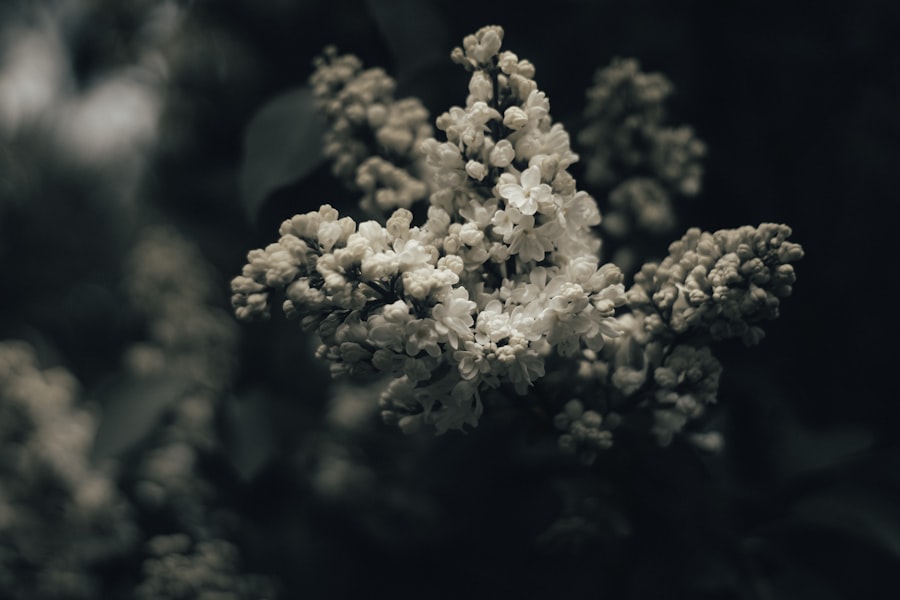
As pollen allergies become more prevalent, developing effective management strategies is essential for maintaining your quality of life. One of the most straightforward approaches is to monitor pollen forecasts regularly. By staying informed about daily pollen counts, you can plan your outdoor activities accordingly.
On high-pollen days, consider staying indoors or limiting your time outside during peak hours when pollen levels are at their highest. In addition to monitoring pollen levels, implementing lifestyle changes can significantly alleviate allergy symptoms. Keeping windows closed during allergy season can help prevent pollen from entering your home.
Using air purifiers equipped with HEPA filters can also improve indoor air quality by trapping allergens. Furthermore, regular cleaning routines that include dusting and vacuuming can help minimize indoor allergens that may exacerbate your symptoms. By taking these proactive steps, you can create a more comfortable living environment during peak allergy seasons.
The Importance of Allergy Testing and Treatment
If you suspect that you have pollen allergies or are experiencing symptoms such as sneezing, nasal congestion, or itchy eyes, seeking professional help is crucial. Allergy testing can provide valuable insights into what specific allergens trigger your reactions. Through skin tests or blood tests, healthcare providers can identify the exact types of pollen or other allergens affecting you.
Armed with this information, you can work with your doctor to develop a tailored treatment plan. Treatment options for pollen allergies vary widely and may include antihistamines, nasal corticosteroids, or even immunotherapy for long-term relief. Understanding your specific triggers allows for more targeted treatment approaches that can significantly improve your quality of life.
As you navigate through allergy management options, remember that seeking professional guidance is key to finding effective solutions tailored to your unique needs.
Future Outlook for Pollen Allergies and Public Health
Looking ahead, the future outlook for pollen allergies presents both challenges and opportunities for public health initiatives. As climate change continues to influence pollen production and distribution patterns, healthcare systems will need to adapt accordingly. Increased awareness and education about pollen allergies will be essential in equipping individuals with the knowledge they need to manage their symptoms effectively.
Moreover, public health policies aimed at improving air quality and promoting green spaces will play a crucial role in mitigating the impact of rising pollen levels on communities. As you engage with local initiatives focused on environmental sustainability and public health advocacy, remember that collective action can lead to meaningful change. By prioritizing both individual health and community well-being, we can work towards a future where pollen allergies are managed more effectively and public health is safeguarded against emerging environmental challenges.
In conclusion, understanding the multifaceted nature of pollen allergies—from their rise due to climate change and pollution to genetic predispositions—can empower you to take control of your health. By implementing effective management strategies and advocating for public health initiatives, you can navigate the challenges posed by pollen allergies while contributing to a healthier environment for all.
If you are interested in learning more about how trees can help combat global warming and improve air quality, check out this article on how trees can save the earth from global warming. Planting trees not only helps reduce carbon dioxide levels in the atmosphere but also provides a natural solution to improving our environment and overall health. By understanding the impact of trees on our planet, we can work towards creating a more sustainable and allergy-friendly world.
FAQs
What is a pollen tsunami?
A pollen tsunami refers to a sudden and significant increase in the levels of pollen in the air, leading to a surge in allergy symptoms for many people.
Why are allergies getting worse?
Allergies may be getting worse due to factors such as climate change, which can lead to longer and more intense pollen seasons, as well as increased levels of carbon dioxide, which can stimulate plants to produce more pollen.
How does a pollen tsunami affect allergy sufferers?
A pollen tsunami can exacerbate allergy symptoms such as sneezing, congestion, itchy eyes, and respiratory issues for individuals who are allergic to pollen.
What can be done to manage allergies during a pollen tsunami?
To manage allergies during a pollen tsunami, individuals can take steps such as staying indoors during peak pollen times, using air purifiers, keeping windows closed, and taking allergy medications as recommended by a healthcare professional.
Are there long-term solutions for managing allergies during pollen tsunamis?
Long-term solutions for managing allergies during pollen tsunamis may include allergy immunotherapy (allergy shots or sublingual tablets) to build tolerance to specific allergens, as well as working with healthcare professionals to develop personalized allergy management plans.