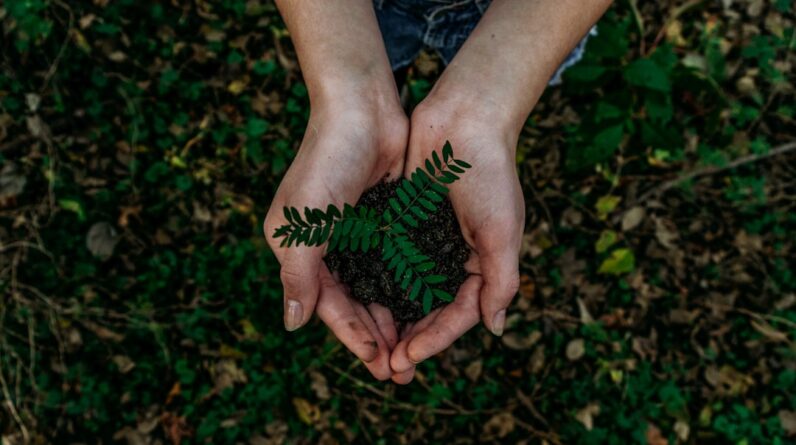
As you navigate through the complexities of modern life, it becomes increasingly clear that climate change is one of the most pressing issues of our time. Carbon emissions, primarily from human activities such as burning fossil fuels and deforestation, are a significant contributor to this global crisis. These emissions trap heat in the atmosphere, leading to rising temperatures, extreme weather events, and a host of environmental challenges that threaten ecosystems and human livelihoods alike.
Understanding the relationship between carbon emissions and climate change is crucial for you as an individual and as a member of a global community. The urgency of addressing carbon emissions cannot be overstated. The Intergovernmental Panel on Climate Change (IPCC) has warned that without immediate and substantial reductions in greenhouse gas emissions, the world will face catastrophic consequences.
As you consider your role in this narrative, it’s essential to recognize that every action counts. From policy changes at the governmental level to individual lifestyle choices, the collective effort to reduce carbon emissions can lead to meaningful change. In this context, trees emerge as powerful allies in the fight against climate change, offering a natural solution to mitigate the effects of carbon emissions.
Key Takeaways
- Carbon emissions contribute to climate change by trapping heat in the atmosphere
- Trees play a crucial role in carbon sequestration by absorbing and storing carbon dioxide
- Planting trees can help reduce carbon emissions and mitigate the effects of climate change
- Certain tree species, such as oak and pine, are particularly effective at sequestering carbon
- Forest conservation and reforestation are essential for maintaining a healthy environment and combating climate change
The Role of Trees in Carbon Sequestration
Trees play a vital role in the Earth’s ecosystem, serving as natural carbon sinks that absorb carbon dioxide (CO2) from the atmosphere. Through the process of photosynthesis, trees convert CO2 into oxygen and biomass, effectively reducing the concentration of greenhouse gases in the air. As you learn more about this process, you may find it fascinating that a mature tree can absorb approximately 48 pounds of CO2 annually.
This remarkable ability makes trees indispensable in combating climate change and highlights their importance in your efforts to create a sustainable future. Moreover, trees not only sequester carbon but also store it in their trunks, branches, leaves, and roots. This long-term storage of carbon is crucial for maintaining a balanced ecosystem.
When trees are cut down or burned, the stored carbon is released back into the atmosphere, exacerbating the very problem you are trying to solve. Therefore, protecting existing forests and promoting tree planting initiatives are essential strategies for enhancing carbon sequestration. By understanding the role of trees in this process, you can appreciate their significance in your personal and collective efforts to combat climate change.
Benefits of Planting Trees for Carbon Emissions Reduction

Planting trees offers a multitude of benefits beyond just carbon sequestration. As you consider the broader implications of tree planting, you will discover that it contributes to biodiversity conservation, soil health improvement, and water cycle regulation. Trees provide habitats for countless species, helping to maintain ecological balance.
Additionally, their root systems stabilize soil, preventing erosion and promoting nutrient retention. This interconnectedness of benefits underscores the importance of trees in fostering a healthy environment. Furthermore, trees can enhance urban areas by improving air quality and reducing heat island effects.
In cities where concrete and asphalt dominate, trees provide shade and cooling effects that can lower energy consumption for air conditioning. As you reflect on your own community, think about how increasing green spaces through tree planting can lead to healthier living conditions for everyone. The act of planting trees is not just about reducing carbon emissions; it’s about creating vibrant ecosystems that support both human and wildlife populations.
Types of Trees That Are Most Effective for Carbon Sequestration
When considering which trees to plant for maximum carbon sequestration, it’s essential to choose species that are well-suited to your local environment. Fast-growing trees such as poplars and willows are often recommended due to their ability to absorb significant amounts of CO2 in a relatively short period. These species thrive in various conditions and can quickly establish themselves in new areas.
As you explore options for tree planting, consider how these species can contribute to your local ecosystem while effectively sequestering carbon. In addition to fast-growing species, long-lived trees like oaks and sequoias also play a crucial role in carbon storage. These trees may take longer to mature but can store vast amounts of carbon over their lifespans.
By planting a diverse mix of tree species, you can create a resilient ecosystem that maximizes carbon sequestration while supporting biodiversity. As you engage with local forestry experts or environmental organizations, seek guidance on selecting the best tree species for your specific region and climate.
The Importance of Forest Conservation and Reforestation
While planting new trees is vital, conserving existing forests is equally important in the fight against climate change. Forests act as significant carbon reservoirs, storing more than 80% of the world’s terrestrial biomass carbon. When forests are destroyed or degraded, not only is this stored carbon released back into the atmosphere, but the capacity for future carbon sequestration is also diminished.
As you consider your role in environmental stewardship, recognize that protecting existing forests is a critical component of any comprehensive strategy to combat climate change. Reforestation efforts also play a crucial role in restoring ecosystems that have been damaged by human activity or natural disasters. By replanting native tree species in deforested areas, you can help restore habitats for wildlife while enhancing carbon sequestration capabilities.
Engaging with local reforestation projects or supporting organizations dedicated to forest conservation can amplify your impact. The importance of these initiatives cannot be overstated; they represent a proactive approach to addressing climate change while fostering resilience within ecosystems.
Community and Global Initiatives for Tree Planting
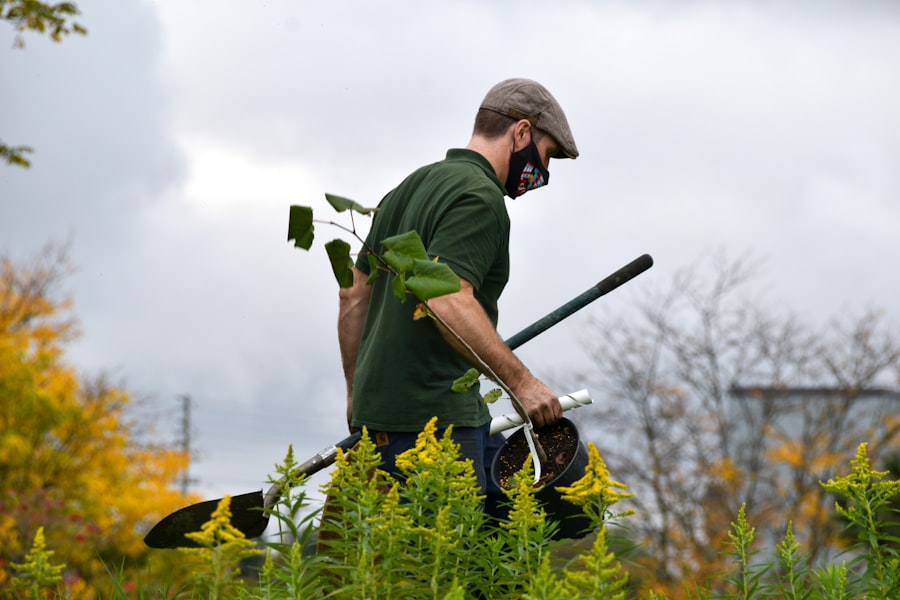
Across the globe, communities are coming together to address climate change through tree planting initiatives. From local grassroots movements to international campaigns like the United Nations’ “Billion Tree Campaign,” these efforts highlight the collective power of individuals working towards a common goal. As you explore these initiatives, consider how they align with your values and how you might get involved.
Participating in community tree planting events not only contributes to environmental sustainability but also fosters a sense of camaraderie among participants. Global initiatives often provide resources and support for local communities looking to implement tree planting projects. Organizations such as Trees for the Future and One Tree Planted offer guidance on best practices for planting and maintaining trees while also providing funding opportunities for larger projects.
By connecting with these organizations or similar local efforts, you can amplify your impact and contribute to a larger movement aimed at reducing carbon emissions through tree planting.
How Individuals Can Contribute to Tree Planting Efforts
As an individual, there are numerous ways you can contribute to tree planting efforts within your community and beyond. One of the simplest yet most impactful actions is to participate in local tree planting events organized by environmental groups or community organizations. These events often welcome volunteers of all ages and skill levels, making it easy for you to get involved while learning about the importance of trees in combating climate change.
Additionally, consider advocating for tree planting initiatives within your own neighborhood or workplace. You might propose creating green spaces or establishing partnerships with local organizations focused on reforestation efforts. By raising awareness about the benefits of trees and encouraging others to join you in these initiatives, you can help foster a culture of environmental stewardship within your community.
Every small action contributes to a larger movement toward sustainability.
The Power of Trees in Combating Climate Change
In conclusion, trees hold immense power in the fight against climate change. Their ability to sequester carbon dioxide while providing numerous ecological benefits makes them indispensable allies in creating a sustainable future. As you reflect on your role in this global challenge, remember that every effort counts—whether it’s planting a single tree or participating in larger community initiatives.
The collective actions of individuals like you can lead to significant reductions in carbon emissions and foster healthier ecosystems. By understanding the importance of trees and actively engaging in tree planting efforts, you contribute not only to mitigating climate change but also to enhancing biodiversity and improving air quality within your community. Embrace the opportunity to make a difference; after all, the power of trees lies not just in their ability to absorb carbon but also in their capacity to inspire hope and action among individuals committed to creating a better world for future generations.
Planting trees is a natural solution to carbon emissions that has numerous benefits for the environment. According to a related article on Live Life with a Cause, trees help to absorb carbon dioxide from the atmosphere, reducing the amount of greenhouse gases that contribute to climate change. Additionally, trees provide habitat for wildlife, improve air quality, and help to prevent soil erosion. Despite these advantages, it is important to consider the potential drawbacks of planting trees for climate change, as discussed in another article on the same website here. It is crucial to weigh the benefits and disadvantages of tree planting in order to make informed decisions about environmental conservation efforts.
FAQs
What is the relationship between planting trees and carbon emissions?
Planting trees is a natural solution to carbon emissions because trees absorb carbon dioxide from the atmosphere during photosynthesis, helping to reduce the amount of greenhouse gases in the air.
How do trees help to mitigate climate change?
Trees help to mitigate climate change by sequestering carbon dioxide from the atmosphere and storing it in their biomass and in the soil. This process helps to reduce the concentration of greenhouse gases in the atmosphere, which in turn helps to mitigate the effects of climate change.
What are some benefits of planting trees to combat carbon emissions?
Some benefits of planting trees to combat carbon emissions include improving air quality, providing habitat for wildlife, preventing soil erosion, and enhancing the overall health and well-being of ecosystems and communities.
How many trees are needed to offset carbon emissions?
The number of trees needed to offset carbon emissions varies depending on the amount of carbon dioxide being emitted. On average, it is estimated that one tree can absorb about 48 pounds of carbon dioxide per year.
Are there any challenges or limitations to using trees as a natural solution to carbon emissions?
Some challenges and limitations to using trees as a natural solution to carbon emissions include the time it takes for trees to reach maturity and sequester significant amounts of carbon, the need for suitable land for planting, and the potential for deforestation and land use change to counteract the benefits of tree planting.