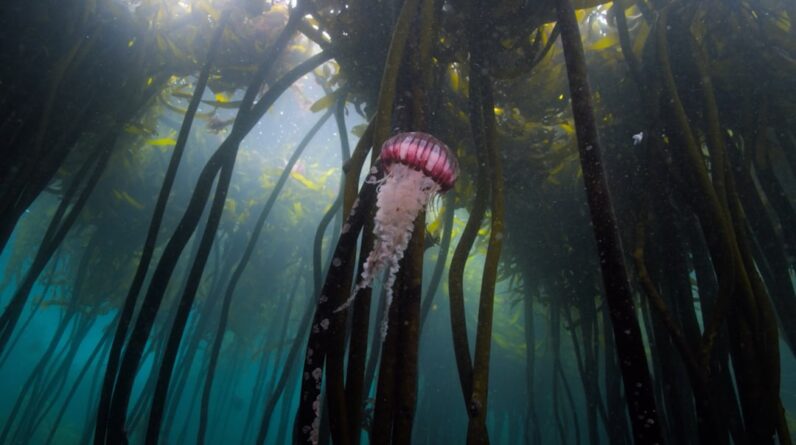
When you think about the sources of oxygen that sustain life on Earth, your mind might immediately drift to lush forests or expansive grasslands. However, the ocean plays a far more significant role in oxygen production than you might realize. It is estimated that approximately 50% to 80% of the oxygen in our atmosphere is generated by marine plants, particularly phytoplankton.
These microscopic organisms, which float near the surface of the ocean, utilize sunlight and carbon dioxide to produce oxygen through photosynthesis. This process not only supports marine life but also contributes to the air you breathe, making the health of our oceans crucial for sustaining life on land. The importance of the ocean in oxygen production extends beyond mere statistics; it is a vital component of Earth’s ecosystem.
The intricate balance between marine life and atmospheric conditions is a testament to the interconnectedness of all living organisms. As you consider your own existence, it becomes clear that the ocean’s ability to produce oxygen is not just a scientific fact but a fundamental aspect of your survival. Protecting marine ecosystems is essential not only for the health of aquatic species but also for maintaining the oxygen levels that support human life.
Key Takeaways
- The ocean is crucial for oxygen production, providing over 50% of the world’s oxygen through phytoplankton and marine plants.
- Political policies greatly impact ocean health, affecting factors such as pollution, overfishing, and climate change.
- Marine conservation plays a vital role in maintaining oxygen levels by protecting marine ecosystems and biodiversity.
- Climate change is causing a decline in ocean oxygen levels, leading to harmful effects on marine life and ecosystems.
- The health of the ocean directly impacts human health, with implications for food security, livelihoods, and overall well-being.
- Individual and collective political action is powerful in advocating for ocean conservation and influencing policy change.
- Advocating for ocean conservation in politics involves raising awareness, lobbying policymakers, and supporting sustainable initiatives.
- The future of oxygen production and the ocean depends on effective conservation efforts, sustainable practices, and global cooperation.
Political Policies Affecting Ocean Health
Political policies play a pivotal role in shaping the health of our oceans. Decisions made at local, national, and international levels can either bolster conservation efforts or contribute to the degradation of marine environments. For instance, policies regarding fishing quotas, pollution control, and coastal development directly impact the delicate balance of ocean ecosystems.
When you engage with these policies, you are participating in a larger conversation about the future of our oceans and their ability to produce oxygen. Moreover, international agreements such as the Paris Agreement highlight the global commitment to addressing climate change and its effects on ocean health. These policies are crucial because they set standards for emissions reductions and promote sustainable practices that can mitigate the adverse effects of human activity on marine environments.
As you navigate discussions about ocean health, it is essential to understand how these political frameworks influence not only marine biodiversity but also the overall health of our planet.
The Role of Marine Conservation in Oxygen Levels

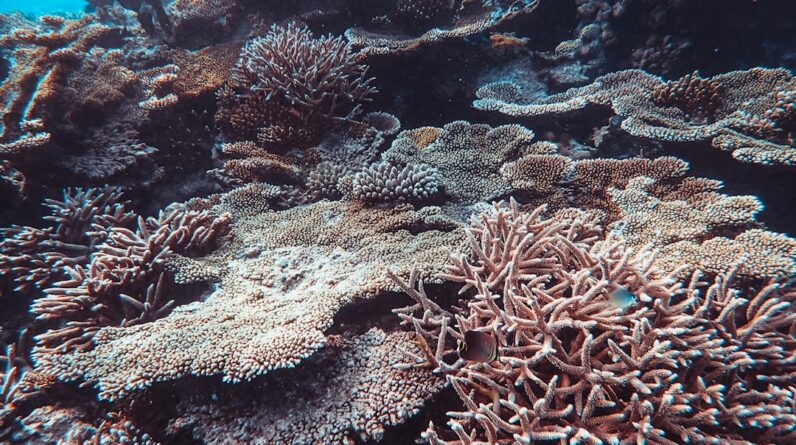
Marine conservation efforts are vital for maintaining the ocean’s ability to produce oxygen. By protecting critical habitats such as coral reefs, mangroves, and seagrass beds, you help ensure that phytoplankton and other marine plants can thrive. These ecosystems serve as nurseries for countless marine species and play a significant role in carbon sequestration, which is essential for regulating atmospheric carbon dioxide levels.
When you support conservation initiatives, you are directly contributing to the preservation of these vital habitats. In addition to protecting existing ecosystems, marine conservation also involves restoring damaged areas. Efforts such as replanting seagrass or rehabilitating coral reefs can significantly enhance the ocean’s capacity to produce oxygen.
As you learn about these initiatives, consider how your actions can support or hinder these efforts. Whether through advocacy, volunteering, or simply spreading awareness, your involvement can make a difference in promoting healthy oceans that continue to provide oxygen for all living beings.
The Impact of Climate Change on Ocean Oxygen
Climate change poses a significant threat to ocean health and, consequently, to oxygen production. Rising sea temperatures lead to phenomena such as ocean acidification and deoxygenation, which can severely impact marine life. As temperatures increase, the solubility of oxygen in seawater decreases, making it more challenging for marine organisms to survive.
This decline in oxygen levels can create “dead zones,” areas where aquatic life struggles to thrive due to insufficient oxygen. Understanding these changes is crucial for recognizing how climate change directly affects your environment. Furthermore, climate change disrupts the delicate balance of marine ecosystems.
Altered weather patterns can lead to shifts in phytoplankton populations, affecting their ability to produce oxygen. As you consider the implications of climate change on ocean health, it becomes evident that addressing this global crisis is not just an environmental issue; it is a matter of survival for both marine and terrestrial life. Your awareness and action can contribute to mitigating these impacts and fostering a healthier planet.
The Connection Between Ocean Health and Human Health
The health of our oceans is intricately linked to human health in numerous ways. As you reflect on your own well-being, consider how clean oceans contribute to food security, economic stability, and overall quality of life. Healthy oceans provide a bounty of resources, including fish and other seafood that are essential for nutrition.
When ocean ecosystems are compromised due to pollution or overfishing, it directly affects your access to these vital food sources. Moreover, the ocean’s role in regulating climate and weather patterns has far-reaching implications for human health. Healthy oceans help mitigate extreme weather events and maintain stable climates, which are essential for agriculture and overall societal stability.
As you engage with issues surrounding ocean health, remember that advocating for marine conservation is not just about protecting wildlife; it is also about safeguarding your own health and well-being.
The Power of Individual and Collective Political Action

Individual and collective political action can drive significant change in ocean conservation efforts. When you take a stand on issues affecting ocean health—whether through voting, advocacy, or community engagement—you amplify your voice and influence decision-makers. Grassroots movements have shown time and again that collective action can lead to meaningful policy changes that protect marine environments.
Your participation in local initiatives or global campaigns can create a ripple effect that inspires others to join the cause. By raising awareness about the importance of ocean conservation and advocating for sustainable practices, you contribute to a larger movement that prioritizes the health of our oceans. Remember that every action counts; whether it’s signing petitions, attending town hall meetings, or simply discussing these issues with friends and family, your involvement can help shape policies that protect our oceans for future generations.
How to Advocate for Ocean Conservation in Politics
Advocating for ocean conservation in politics requires a strategic approach that combines education, communication, and action. Start by educating yourself about local and global issues affecting ocean health. Understanding the science behind marine ecosystems and the policies that govern them will empower you to engage effectively with policymakers and your community.
Once you are informed, use your voice to raise awareness about ocean conservation issues. Engage with local representatives by writing letters or emails expressing your concerns about specific policies or initiatives that impact marine environments. Attend public meetings or forums where you can share your perspective and advocate for sustainable practices.
Additionally, consider joining or supporting organizations dedicated to ocean conservation; they often have established channels for political advocacy that can amplify your efforts.
The Future of Oxygen Production and the Ocean
Looking ahead, the future of oxygen production in our oceans hinges on our collective commitment to protecting marine ecosystems. As you contemplate what lies ahead, consider how advancements in science and technology can aid conservation efforts. Innovations such as sustainable aquaculture practices and renewable energy sources can help reduce human impact on oceans while promoting healthy ecosystems.
However, technological solutions alone will not suffice; they must be accompanied by robust political will and public support for conservation initiatives. As you engage with these issues, remember that your actions today will shape the future of our oceans and their ability to produce oxygen. By advocating for policies that prioritize marine health and supporting conservation efforts, you contribute to a sustainable future where both humans and marine life can thrive together.
In conclusion, understanding the importance of oceans in oxygen production is crucial for recognizing their role in sustaining life on Earth. Political policies significantly influence ocean health, while marine conservation efforts are essential for maintaining oxygen levels. Climate change poses a serious threat to these ecosystems, impacting both ocean health and human well-being.
Your individual and collective actions can drive meaningful change in advocating for ocean conservation within political spheres. By engaging with these issues today, you help ensure a healthier future for both our oceans and ourselves.
If you are interested in learning more about the impact of planting trees on the environment, check out this article on why planting trees can be bad for the environment. It provides valuable insights into the potential drawbacks of tree planting initiatives and how they can sometimes have unintended consequences. Understanding the complexities of environmental conservation efforts is crucial for making informed decisions about how to protect our planet.
FAQs
What is the importance of the ocean in producing oxygen?
The ocean is a major source of oxygen production through the process of photosynthesis by marine plants, algae, and phytoplankton. It is estimated that the ocean produces about 50-85% of the oxygen in the Earth’s atmosphere.
How do political choices impact the ocean’s ability to produce oxygen?
Political choices can impact the ocean’s ability to produce oxygen through policies and regulations that affect marine conservation, pollution control, and climate change. These policies can directly impact the health of marine ecosystems and the abundance of oxygen-producing organisms.
What are some examples of political decisions that can affect the ocean’s oxygen production?
Examples of political decisions that can affect the ocean’s oxygen production include regulations on carbon emissions, funding for marine conservation efforts, policies on sustainable fishing practices, and measures to reduce plastic pollution and other forms of marine debris.
How can individuals advocate for policies that support ocean health and oxygen production?
Individuals can advocate for policies that support ocean health and oxygen production by staying informed about environmental issues, participating in advocacy campaigns, contacting elected officials, and voting for candidates who prioritize environmental conservation and sustainable ocean management.
What are the potential consequences of neglecting the impact of political choices on ocean oxygen production?
Neglecting the impact of political choices on ocean oxygen production can lead to declining marine ecosystems, loss of biodiversity, and reduced oxygen production. This can have far-reaching consequences for global oxygen levels and the overall health of the planet.