



As you delve into the intricate relationship between oceans and climate change, you will discover that oceanographers play a pivotal role in this field. These scientists dedicate their careers to studying the vast and complex systems of the ocean, which cover more than 70% of the Earth’s surface. Their work is essential for understanding how the oceans interact with the atmosphere, land, and ice, and how these interactions influence global climate patterns.
By examining ocean temperatures, salinity, currents, and biological activity, oceanographers provide critical insights into the mechanisms driving climate change. You may find it fascinating that oceanographers employ a variety of tools and techniques to gather data. From sophisticated satellite technology to deep-sea submersibles, they explore the depths of the ocean and monitor its surface.
This data collection is vital for creating models that predict future climate scenarios. By understanding the historical data of ocean conditions, oceanographers can identify trends and anomalies that may indicate shifts in climate. Their research not only enhances our comprehension of climate change but also informs policymakers and the public about potential impacts and necessary actions.
Key Takeaways
- Oceanographers play a crucial role in understanding climate change by studying the interactions between the ocean and the atmosphere.
- Oceans have a significant impact on climate through their ability to absorb and store heat, regulate weather patterns, and influence global temperature.
- Oceanographers contribute to climate research by collecting data on ocean temperature, salinity, and currents, and using advanced modeling techniques to understand climate dynamics.
- Studying ocean currents and circulation is important for predicting climate patterns, understanding the distribution of heat and nutrients, and assessing the impact of climate change on marine ecosystems.
- Oceanographers play a key role in monitoring sea level rise by studying factors such as melting ice caps, thermal expansion of seawater, and changes in ocean circulation patterns.
The Impact of Oceans on Climate
The oceans are not merely passive observers in the climate system; they are active participants that significantly influence weather patterns and climate stability. As you explore this topic, you will learn that oceans absorb a substantial amount of the Earth’s heat, acting as a buffer against rapid temperature changes. This heat absorption helps regulate global temperatures, but it also leads to phenomena such as El Niño and La Niña, which can cause extreme weather events around the world.
Moreover, oceans play a crucial role in carbon cycling. They absorb approximately one-quarter of the carbon dioxide emitted by human activities, which helps mitigate the effects of greenhouse gases in the atmosphere. However, this process comes at a cost; as you may realize, increased carbon absorption leads to ocean acidification, which poses a threat to marine ecosystems.
Understanding these dynamics is essential for grasping how climate change affects not only marine life but also human societies that rely on these ecosystems for food and economic stability.
Oceanographers’ Contribution to Climate Research
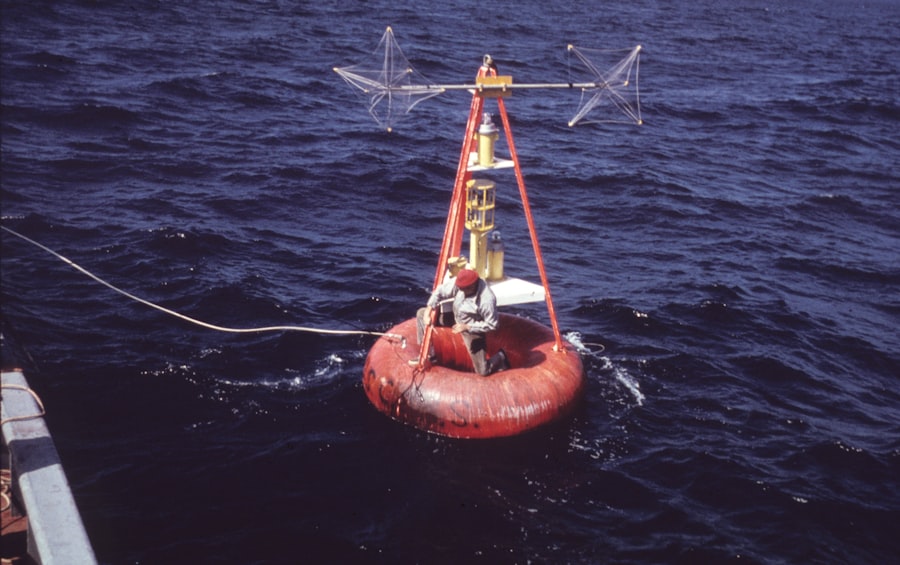
Oceanographers contribute significantly to climate research by providing essential data and insights that enhance our understanding of climate systems. Their research encompasses various aspects of ocean science, including physical, chemical, biological, and geological oceanography. By integrating these disciplines, oceanographers can create a comprehensive picture of how oceans influence climate change and vice versa.
You might be intrigued to learn that oceanographers often collaborate with other scientists to study phenomena such as sea level rise, coral bleaching, and changes in marine biodiversity. Their findings help to inform climate models that predict future scenarios based on current trends. For instance, by analyzing historical data on sea surface temperatures and salinity levels, oceanographers can identify patterns that may indicate future shifts in climate.
This collaborative approach ensures that climate research is robust and multifaceted, allowing for more accurate predictions and effective policy recommendations.
The Importance of Studying Ocean Currents and Circulation
Understanding ocean currents and circulation is vital for grasping how heat and nutrients are distributed across the globe. As you explore this topic further, you will find that ocean currents act like conveyor belts, transporting warm water from the equator toward the poles and cold water from the poles back toward the equator. This circulation plays a crucial role in regulating climate by influencing weather patterns and temperature distributions.
You may also discover that changes in ocean currents can have far-reaching consequences for global climate systems. For example, alterations in the Gulf Stream can lead to significant shifts in weather patterns across North America and Europe. Oceanographers study these currents using advanced technologies such as buoys, underwater drones, and satellite imagery to monitor changes over time.
By understanding how currents respond to climate change, they can better predict future impacts on weather systems and marine ecosystems.
Oceanographers’ Role in Monitoring Sea Level Rise
One of the most pressing issues related to climate change is sea level rise, which poses a significant threat to coastal communities worldwide. Oceanographers are at the forefront of monitoring this phenomenon, utilizing a combination of satellite data, tide gauges, and coastal surveys to track changes in sea levels over time. As you learn about their work, you will appreciate how critical this monitoring is for understanding the implications of rising seas on human populations and ecosystems.
You might be surprised to learn that sea level rise is not uniform across the globe; it varies due to factors such as land subsidence, ocean currents, and temperature changes. Oceanographers analyze these variations to provide localized assessments of risk for coastal areas. Their research informs urban planning and disaster preparedness efforts, helping communities adapt to the challenges posed by rising seas.
By providing accurate data on sea level trends, oceanographers empower policymakers to make informed decisions regarding infrastructure development and environmental protection.
The Significance of Ocean Acidification Research
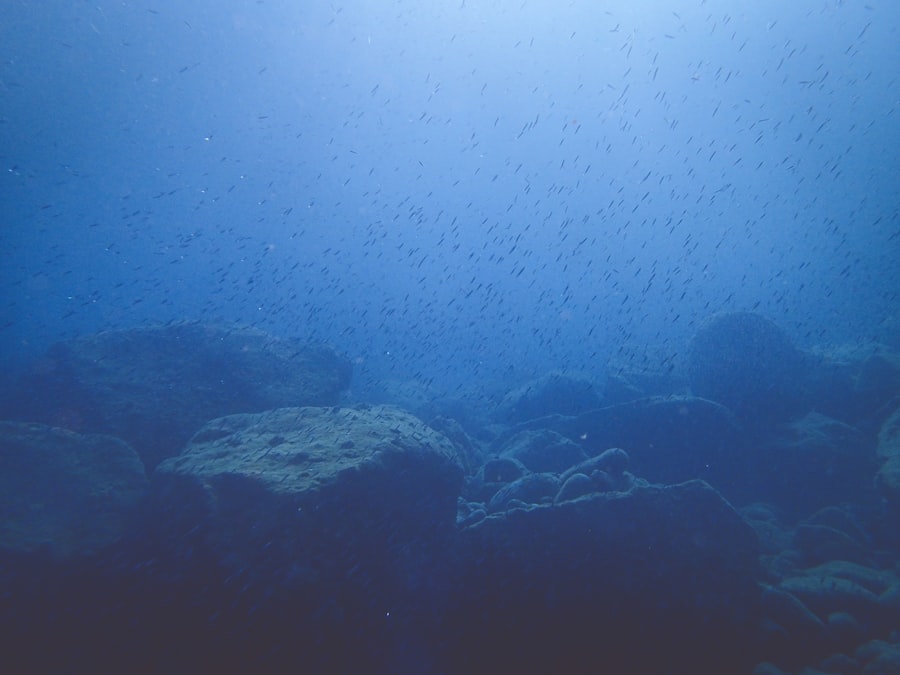
As you delve deeper into the effects of climate change on oceans, you will encounter the critical issue of ocean acidification. This phenomenon occurs when excess carbon dioxide is absorbed by seawater, leading to a decrease in pH levels. Oceanographers are actively researching this process because it has profound implications for marine life, particularly organisms with calcium carbonate shells or skeletons, such as corals and shellfish.
You may find it alarming that ocean acidification threatens not only marine biodiversity but also global food security. Many coastal communities depend on fisheries for their livelihoods, and changes in marine ecosystems can disrupt these vital resources. Oceanographers study the impacts of acidification on various species and ecosystems to understand how these changes may affect food webs and fisheries management.
Their research is crucial for developing strategies to mitigate the impacts of acidification and protect marine resources for future generations.
Oceanographers’ Insights into Extreme Weather Events
Extreme weather events are becoming increasingly common as climate change progresses, and oceanographers are key players in understanding their origins and impacts. You will find that many extreme weather phenomena—such as hurricanes, typhoons, and heavy rainfall—are influenced by ocean conditions. By studying sea surface temperatures and atmospheric interactions, oceanographers can provide valuable insights into how these events develop and intensify.
You might be interested to know that oceanographers use advanced modeling techniques to predict the likelihood of extreme weather events based on current oceanic conditions. This predictive capability is essential for disaster preparedness and response efforts. By providing timely information about potential storms or flooding events, oceanographers help communities take proactive measures to protect lives and property.
Their work underscores the interconnectedness of ocean health and human safety in an era of climate change.
The Collaboration between Oceanographers and Climate Scientists
The fight against climate change requires a multidisciplinary approach, and collaboration between oceanographers and climate scientists is essential for advancing our understanding of this complex issue. As you explore this collaboration further, you will see how these two fields intersect to create a more comprehensive understanding of climate dynamics. Oceanographers bring unique expertise in understanding ocean processes that influence climate systems, while climate scientists focus on atmospheric interactions and terrestrial impacts.
Together, they work on integrated models that account for both oceanic and atmospheric variables. This collaboration enhances predictive capabilities and allows for more effective communication of findings to policymakers and the public. By bridging the gap between these disciplines, they contribute to a more holistic understanding of climate change and its far-reaching effects on our planet.
In conclusion, as you reflect on the vital role of oceanographers in understanding climate change, it becomes clear that their contributions are indispensable. From monitoring sea level rise to studying ocean acidification and extreme weather events, their research provides critical insights into the complex interplay between oceans and climate systems. The collaboration between oceanographers and climate scientists further strengthens our ability to address the challenges posed by climate change effectively.
As we continue to navigate this pressing global issue, the work of oceanographers will remain at the forefront of our efforts to protect both marine ecosystems and human societies from its impacts.
Oceanographers play a crucial role in understanding the impact of climate change on our oceans and marine ecosystems. They help us comprehend how rising sea levels, ocean acidification, and changing currents are affecting our planet. In addition to their research, they also contribute valuable data to the climate conversation. For example, a related article discusses the disadvantages of planting trees for climate change