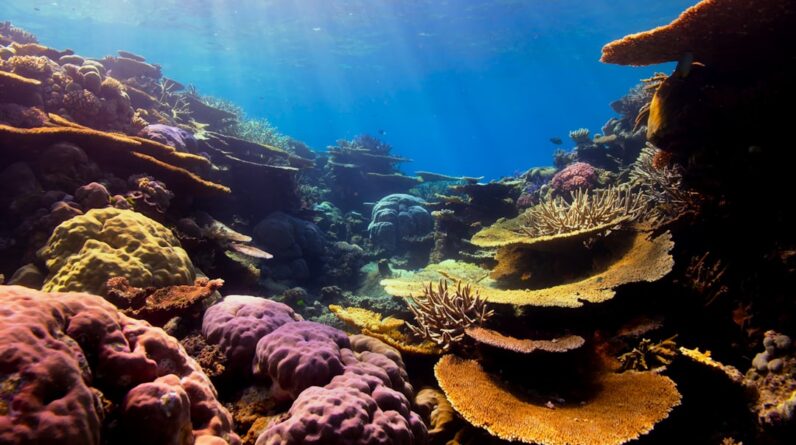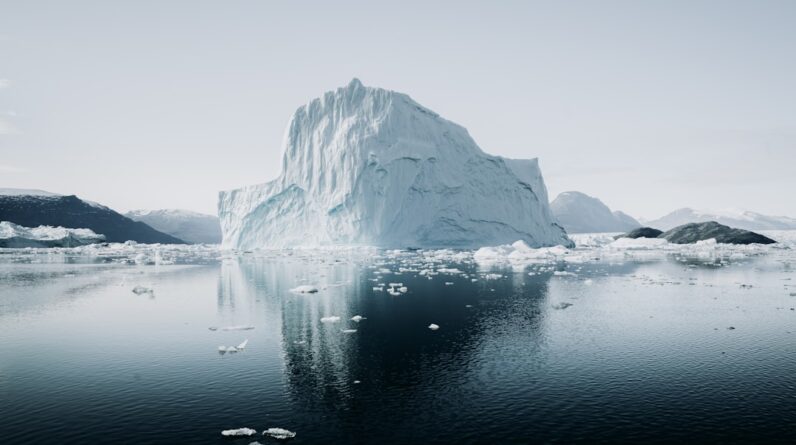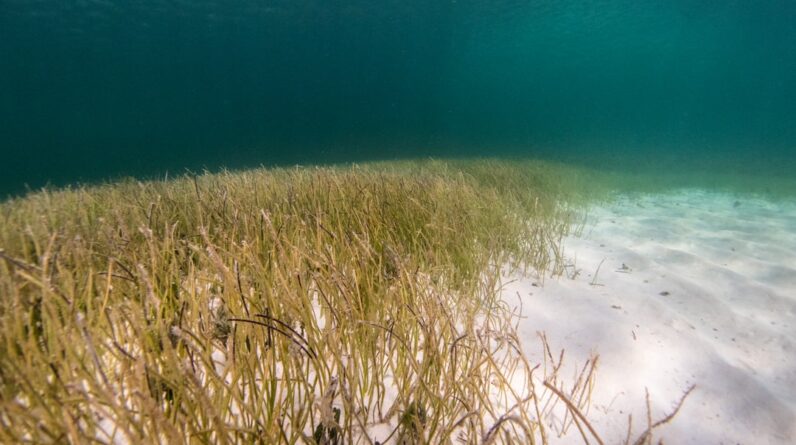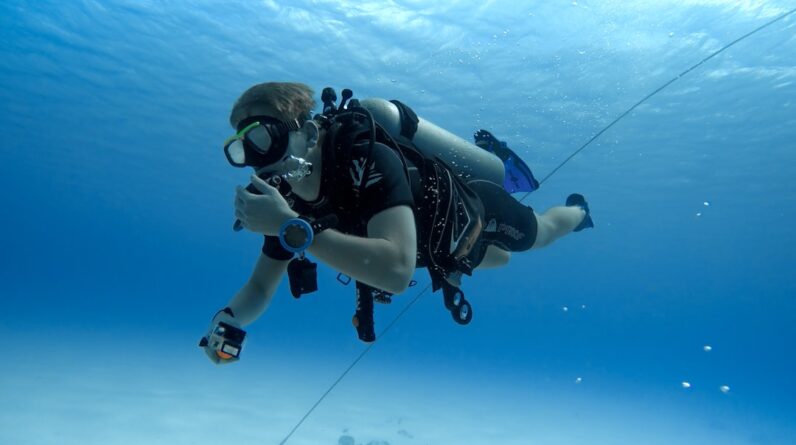
Underwater photographers play a crucial role in documenting the ocean oxygen crisis, a pressing environmental issue that often goes unnoticed by the general public. By capturing stunning images of marine life and their habitats, you can bring attention to the alarming decline in oxygen levels in our oceans. These visual narratives serve as a powerful medium to communicate the urgency of the situation, showcasing not only the beauty of underwater ecosystems but also the threats they face.
Your work can evoke emotions and provoke thought, making it easier for people to grasp the significance of this crisis. Moreover, your photographs can serve as a historical record, illustrating the changes in marine environments over time. As you dive into various underwater landscapes, you witness firsthand the effects of climate change, pollution, and overfishing on oxygen levels.
By documenting these changes, you contribute to a growing body of evidence that highlights the need for immediate action. Your images can be used in scientific studies, educational materials, and advocacy campaigns, amplifying the message that the ocean’s health is intricately linked to our own survival.
Key Takeaways
- Underwater photographers play a crucial role in documenting the ocean oxygen crisis by capturing visual evidence of its effects on marine life and ecosystems.
- Declining oxygen levels in the ocean have a significant impact on marine life, leading to habitat loss, species displacement, and decreased biodiversity.
- Underwater photographers face challenges such as limited visibility, unpredictable marine life behavior, and technical equipment issues when capturing the effects of the oxygen crisis.
- Underwater photographs can raise awareness and advocate for change by visually communicating the urgency of the oxygen crisis and its impact on marine environments.
- Preserving oxygen-rich environments is crucial for future generations as they rely on healthy oceans for food, climate regulation, and overall well-being.
The Impact of Declining Oxygen Levels on Marine Life
The decline in oxygen levels in our oceans has far-reaching consequences for marine life. As you explore underwater ecosystems, you may notice that many species are struggling to survive in low-oxygen environments. Fish, for instance, rely on sufficient oxygen levels to thrive; when these levels drop, their ability to grow, reproduce, and even migrate is severely compromised.
This phenomenon, known as hypoxia, can lead to mass die-offs and disrupt entire food chains. As an underwater photographer, you have the unique opportunity to capture these changes and highlight the fragility of marine ecosystems. Additionally, declining oxygen levels can lead to shifts in species distribution.
You may observe that certain fish and marine mammals are moving to deeper waters or migrating to different regions in search of more favorable conditions. This not only affects biodiversity but also has economic implications for communities that rely on fishing for their livelihoods. By documenting these shifts through your lens, you can help raise awareness about the interconnectedness of marine life and the importance of maintaining healthy oxygen levels in our oceans.
The Challenges Faced by Underwater Photographers in Capturing the Effects of the Oxygen Crisis
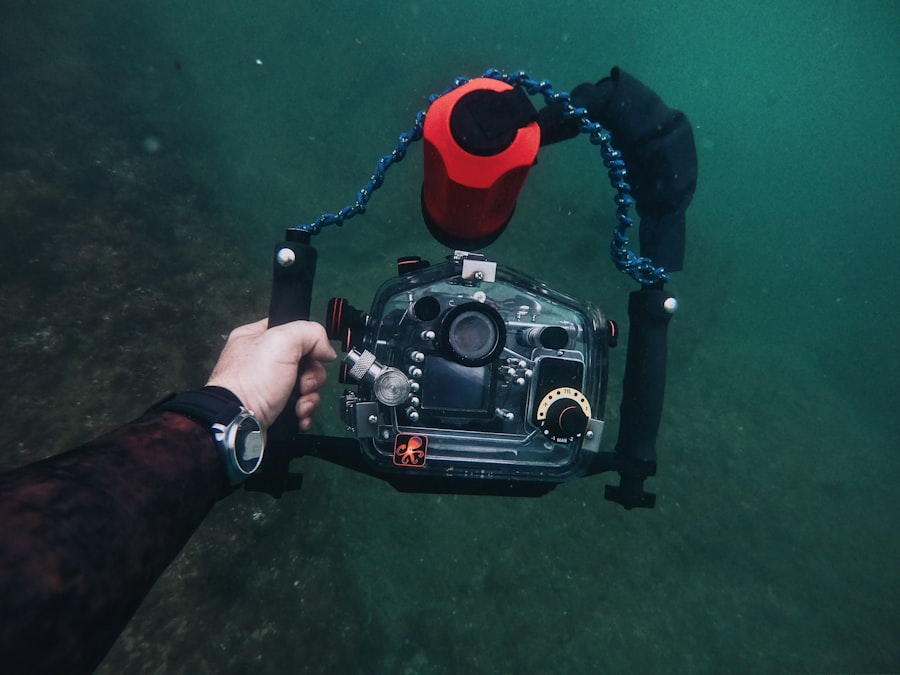
While your role as an underwater photographer is vital, it is not without its challenges. One significant hurdle is the unpredictable nature of underwater environments. Factors such as water temperature, currents, and visibility can greatly affect your ability to capture compelling images.
In areas experiencing hypoxia, you may find that marine life is less abundant or behaving differently than in healthier ecosystems. This unpredictability can make it difficult to convey the full extent of the oxygen crisis through your photography. Moreover, accessing certain underwater locations can pose logistical challenges.
Many areas affected by declining oxygen levels are remote or difficult to reach, requiring specialized equipment and training. You may also face time constraints, as capturing the perfect shot often requires patience and persistence. Despite these obstacles, your dedication to documenting the ocean’s plight is essential.
By overcoming these challenges, you not only enhance your skills as a photographer but also contribute valuable insights into the ongoing crisis.
How Underwater Photographs Can Raise Awareness and Advocate for Change
Your underwater photographs have the potential to be powerful tools for raising awareness and advocating for change. When shared through social media platforms, exhibitions, or publications, your images can reach a wide audience and spark conversations about the ocean oxygen crisis. Visual storytelling has a unique ability to engage viewers emotionally, making them more likely to take action or support conservation efforts.
By showcasing the beauty and vulnerability of marine life, you can inspire others to care about the health of our oceans. In addition to raising awareness, your work can also serve as a call to action. Many organizations and initiatives focus on ocean conservation and restoration efforts; by collaborating with these groups, you can amplify their messages through your photography.
Whether it’s participating in campaigns or contributing images for educational materials, your involvement can help mobilize support for policies aimed at addressing the oxygen crisis. Your photographs can become a rallying point for those who wish to protect marine ecosystems and advocate for sustainable practices.
The Importance of Preserving Oxygen-Rich Environments for Future Generations
Preserving oxygen-rich environments is not just an environmental concern; it is a legacy that you can help shape for future generations. Healthy oceans are vital for maintaining biodiversity, regulating climate, and supporting human livelihoods. As you document underwater ecosystems, you may come to appreciate their intricate balance and the role they play in sustaining life on Earth.
By highlighting the importance of these environments through your photography, you contribute to a broader understanding of why they must be protected. Furthermore, your work can inspire others to take action in their own communities. By showcasing thriving marine habitats filled with diverse species, you can illustrate what is at stake if we fail to address the oxygen crisis.
Engaging with local communities and sharing your experiences can empower individuals to become stewards of their own environments. The preservation of oxygen-rich areas is not just an abstract concept; it is a tangible goal that requires collective effort and commitment.
The Collaborative Efforts of Underwater Photographers and Scientists in Studying the Oxygen Crisis
Collaboration between underwater photographers and scientists is essential in studying and addressing the ocean oxygen crisis. As a photographer, you have a unique perspective that complements scientific research. Your ability to capture visual evidence of changes in marine ecosystems can provide valuable insights into the effects of declining oxygen levels.
By working alongside scientists, you can help bridge the gap between research and public understanding. In many cases, scientists rely on your photographs to illustrate their findings in reports or presentations. Your images can serve as compelling visual aids that enhance their messages and make complex data more accessible to a broader audience.
Additionally, by participating in research expeditions or field studies, you gain firsthand knowledge about the challenges facing marine ecosystems. This collaboration not only enriches your work but also strengthens the overall impact of conservation efforts aimed at combating the oxygen crisis.
The Ethical Considerations of Underwater Photography in Sensitive Marine Ecosystems
As an underwater photographer, ethical considerations are paramount when capturing images in sensitive marine ecosystems. It is essential to approach your work with respect for both the environment and its inhabitants. Disturbing marine life or damaging habitats for the sake of a photograph can have lasting consequences on fragile ecosystems.
You must strive to minimize your impact while still conveying the urgency of the ocean oxygen crisis through your lens. Moreover, ethical photography involves being mindful of how your images are used and represented. Misleading or sensationalized portrayals of marine life can perpetuate misconceptions about their behavior or habitats.
As a responsible photographer, you have a duty to accurately represent the realities of underwater environments while advocating for their protection. By adhering to ethical standards in your work, you contribute positively to conservation efforts and foster a deeper understanding of marine ecosystems.
How Underwater Photographers Can Inspire Action and Conservation Efforts through Their Work
Your role as an underwater photographer extends beyond capturing beautiful images; it encompasses inspiring action and fostering conservation efforts. Through your work, you have the power to ignite passion and commitment among viewers who may not have previously considered the importance of ocean health. By sharing stories behind your photographs—such as personal experiences during dives or encounters with marine life—you create a connection that resonates with audiences on a deeper level.
Additionally, engaging with local communities and educational institutions allows you to extend your impact further. Hosting workshops or presentations where you share your experiences and knowledge can empower others to take action in their own lives. Whether it’s advocating for sustainable practices or participating in local conservation initiatives, your influence can inspire collective efforts toward protecting our oceans.
Ultimately, your photography serves as a catalyst for change—encouraging individuals to recognize their role in safeguarding marine ecosystems for generations to come. In conclusion, underwater photographers like yourself play an indispensable role in documenting the ocean oxygen crisis and advocating for change. Through your lens, you capture not only the beauty of marine life but also the urgent need for action in preserving these vital ecosystems.
By raising awareness, collaborating with scientists, adhering to ethical standards, and inspiring others through your work, you contribute significantly to the ongoing fight against declining oxygen levels in our oceans. Your dedication ensures that future generations will inherit a healthier planet—one where vibrant underwater worlds continue to thrive.
Underwater photographers documenting the ocean oxygen crisis can also learn about the importance of planting trees for the environment. A related article discusses how planting trees can help combat climate change and improve air quality. To read more about the benefits of planting trees, check out this article.
FAQs
What is the ocean oxygen crisis?
The ocean oxygen crisis refers to the declining levels of oxygen in the world’s oceans, primarily caused by human activities such as pollution and climate change. This decrease in oxygen can have detrimental effects on marine life and ecosystems.
Why are underwater photographers documenting the ocean oxygen crisis?
Underwater photographers are documenting the ocean oxygen crisis to raise awareness about the issue and to visually capture the impact of declining oxygen levels on marine life. Their images can serve as powerful tools for education and advocacy.
What are the effects of the ocean oxygen crisis on marine life?
The ocean oxygen crisis can lead to the suffocation of marine organisms, disrupt food chains, and cause the expansion of oxygen-depleted “dead zones” in the ocean. This can result in mass die-offs of marine life and significant changes to marine ecosystems.
How are underwater photographers contributing to the understanding of the ocean oxygen crisis?
Underwater photographers are using their skills to document and visually communicate the effects of the ocean oxygen crisis. Their images can provide valuable data for scientists and policymakers, as well as engage the public in discussions about the importance of ocean conservation.
What can be done to address the ocean oxygen crisis?
Addressing the ocean oxygen crisis requires global efforts to reduce pollution, mitigate climate change, and protect marine habitats. Sustainable fishing practices, coastal zone management, and the establishment of marine protected areas can also help to alleviate the impacts of declining oxygen levels in the ocean.