When you think about the sources of oxygen that sustain life on Earth, your mind might immediately drift to lush forests or expansive grasslands. However, the oceans play an equally vital role in this process, producing approximately 50% to 80% of the oxygen we breathe. Phytoplankton, microscopic plants that float on the ocean’s surface, are the primary contributors to this oxygen production.
Through photosynthesis, they convert sunlight and carbon dioxide into energy, releasing oxygen as a byproduct. This process not only supports marine ecosystems but also has far-reaching implications for life on land. The significance of oceanic oxygen production extends beyond mere numbers; it is a cornerstone of the planet’s ecological balance.
The health of marine ecosystems is intricately linked to this oxygen output. As you consider the vastness of the oceans, it becomes clear that they are not just a backdrop for human activity but a dynamic system that supports a multitude of life forms. The intricate web of life in the ocean relies on this oxygen, making it essential for maintaining biodiversity and ecological stability.
Without healthy oceans, the very air you breathe would be at risk.
Key Takeaways
- Oceanic oxygen production is crucial for supporting marine life and maintaining a healthy ecosystem.
- Decreased oxygen levels in the ocean can lead to the loss of marine biodiversity and disrupt food chains.
- Lower oxygen levels in the ocean can also impact atmospheric oxygen levels, potentially affecting human health.
- Human health can be negatively impacted by decreased oxygen levels in the ocean, leading to respiratory and cardiovascular issues.
- Oxygen depletion in the ocean can have significant economic and environmental impacts, affecting fisheries and coastal communities.
The Impact on Marine Life
Marine life is profoundly affected by the levels of oxygen available in ocean waters. Fish, crustaceans, and other aquatic organisms depend on dissolved oxygen for survival. When oxygen levels drop, a phenomenon known as hypoxia occurs, leading to “dead zones” where marine life struggles to thrive.
These areas can be devastating for local fisheries and ecosystems, as species that cannot migrate to more oxygen-rich waters face dire consequences. You may find it alarming that these dead zones are becoming increasingly common due to nutrient pollution and climate change. The impact of declining oxygen levels is not limited to individual species; it reverberates throughout entire ecosystems.
Coral reefs, often referred to as the “rainforests of the sea,” are particularly sensitive to changes in oxygen levels. When these ecosystems suffer from hypoxia, their ability to support diverse marine life diminishes significantly. As you reflect on the interconnectedness of marine species, it becomes evident that the decline in one species can lead to a cascade of effects throughout the food web.
The loss of biodiversity in these environments can have long-lasting repercussions, affecting not only marine life but also human communities that rely on these resources.
Effects on Atmospheric Oxygen Levels
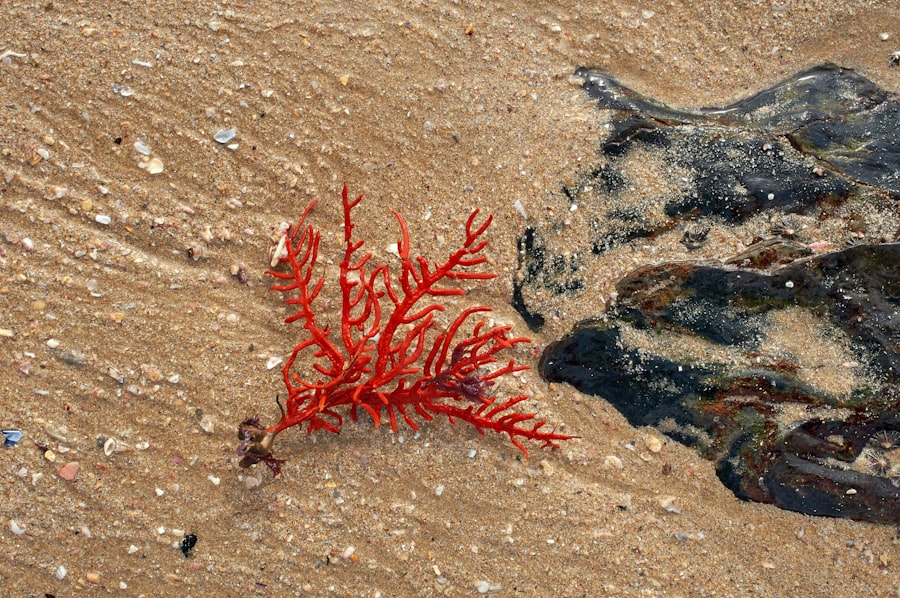
The oceans are not just a source of oxygen for marine life; they also play a crucial role in regulating atmospheric oxygen levels. As phytoplankton photosynthesize, they contribute significantly to the oxygen content in the atmosphere. However, when ocean health declines due to pollution, overfishing, and climate change, this vital process is jeopardized.
You might be surprised to learn that disruptions in oceanic ecosystems can lead to fluctuations in atmospheric oxygen levels, which could have serious implications for all life on Earth. As you consider the broader implications of these changes, it’s essential to recognize that a decrease in atmospheric oxygen could affect everything from human health to global weather patterns. The delicate balance maintained by oceanic oxygen production is crucial for sustaining life as we know it.
If this balance is disrupted, you may witness changes in air quality and even shifts in climate patterns that could further exacerbate existing environmental challenges.
Consequences for Human Health
The consequences of declining oceanic oxygen production extend beyond ecological impacts; they also pose significant risks to human health. As atmospheric oxygen levels fluctuate due to changes in ocean health, you may experience increased respiratory issues and other health problems linked to poor air quality. Moreover, the decline in marine biodiversity can lead to reduced availability of seafood, which is a primary source of nutrition for millions around the globe.
This decline can exacerbate food insecurity and malnutrition, particularly in coastal communities that rely heavily on fishing. Additionally, the health of oceans directly influences the spread of diseases. Warmer waters and lower oxygen levels can create favorable conditions for harmful algal blooms and pathogens that threaten both marine life and human health.
As you contemplate these interconnected issues, it becomes clear that protecting oceanic ecosystems is not just an environmental concern; it is a public health imperative that requires immediate attention and action.
Economic and Environmental Impacts
The economic implications of declining oceanic oxygen production are profound and multifaceted. Fisheries are a cornerstone of many coastal economies, providing livelihoods for millions of people worldwide. When fish populations decline due to hypoxia and other stressors, you may witness significant economic repercussions for communities dependent on these resources.
The loss of biodiversity can lead to decreased fish stocks, which in turn affects local markets and food prices. Moreover, the environmental impacts of declining ocean health extend beyond immediate economic concerns. Healthy oceans contribute to climate regulation by absorbing carbon dioxide and mitigating climate change effects.
When oceanic ecosystems are compromised, their ability to sequester carbon diminishes, exacerbating global warming and its associated challenges. As you consider the intricate relationship between economic stability and environmental health, it becomes evident that protecting our oceans is essential for ensuring a sustainable future for both people and the planet.
Strategies for Mitigating Oxygen Depletion
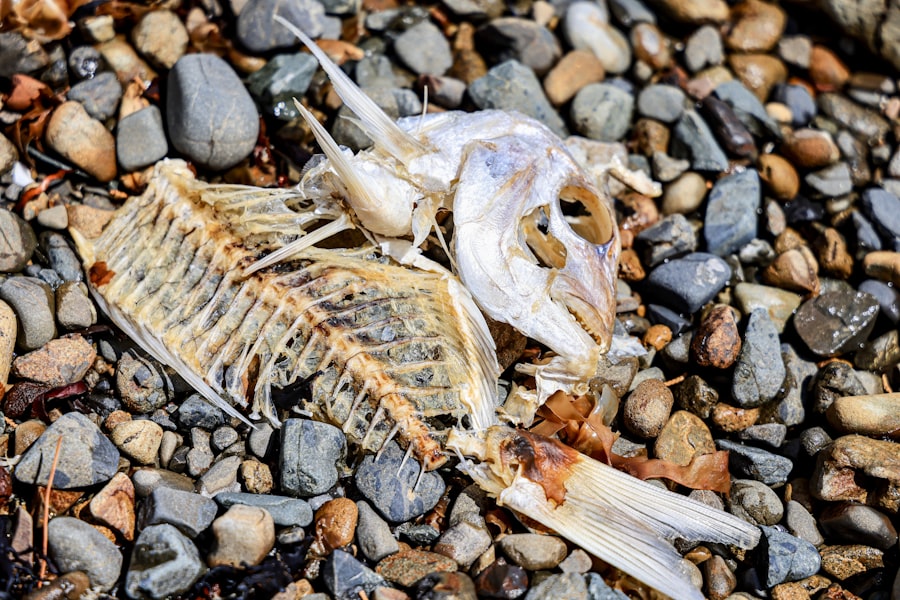
Addressing the issue of oceanic oxygen depletion requires a multifaceted approach that involves individuals, communities, governments, and international organizations. One effective strategy is reducing nutrient pollution from agricultural runoff and wastewater discharge. By implementing sustainable farming practices and improving waste management systems, you can help minimize the influx of nitrogen and phosphorus into waterways that contribute to hypoxia.
Another critical strategy involves promoting marine conservation efforts aimed at protecting vital habitats such as coral reefs and mangroves. These ecosystems play a crucial role in maintaining healthy marine environments and supporting biodiversity. By advocating for marine protected areas and sustainable fishing practices, you can contribute to the resilience of oceanic ecosystems and their ability to produce oxygen effectively.
Potential Long-Term Consequences
The long-term consequences of declining oceanic oxygen production are alarming and far-reaching. If current trends continue unchecked, you may witness irreversible damage to marine ecosystems that could take decades or even centuries to recover from. The loss of biodiversity could lead to the collapse of entire fisheries, threatening food security for millions and destabilizing economies reliant on these resources.
Furthermore, as atmospheric oxygen levels fluctuate due to declining ocean health, you may experience increased respiratory issues and other health problems linked to poor air quality. The interconnectedness of these issues underscores the urgency of addressing oceanic oxygen depletion before it spirals into a crisis that affects all aspects of life on Earth.
The Role of Global Climate Change
Global climate change plays a pivotal role in exacerbating the challenges associated with oceanic oxygen production. Rising sea temperatures can lead to decreased solubility of oxygen in water, further contributing to hypoxia in marine environments. Additionally, climate change-induced alterations in ocean currents can disrupt nutrient distribution and affect phytoplankton growth, ultimately impacting their ability to produce oxygen.
As you reflect on the broader implications of climate change on ocean health, it becomes clear that addressing these challenges requires global cooperation and commitment. By advocating for policies aimed at reducing greenhouse gas emissions and promoting sustainable practices, you can play a part in mitigating the effects of climate change on our oceans and ensuring their continued ability to produce the oxygen essential for life on Earth. In conclusion, understanding the importance of oceanic oxygen production is crucial for recognizing its impact on marine life, atmospheric conditions, human health, economic stability, and environmental sustainability.
As you consider your role in this complex web of interconnections, remember that every action counts—whether it’s advocating for policy changes or making sustainable choices in your daily life. The health of our oceans is intricately linked to our own well-being; by protecting them today, you help secure a healthier planet for future generations.
If the ocean were to stop producing oxygen, it would have catastrophic effects on the planet’s ecosystems. However, one way to combat this potential disaster is by planting trees. According to another article on how planting trees helps prevent deforestation. By creating healthy forests, we can also preserve biodiversity, as highlighted in an article on the importance of healthy forests as biodiversity reservoirs. Planting trees is a simple yet effective way to protect our planet’s oxygen supply and ensure a sustainable future for all living beings.
FAQs
What is the role of the ocean in producing oxygen?
The ocean is a major source of oxygen production through the process of photosynthesis by marine plants, algae, and phytoplankton. These organisms release oxygen as a byproduct of this process, contributing significantly to the Earth’s oxygen supply.
What would happen if the ocean stopped producing oxygen?
If the ocean stopped producing oxygen, it would have catastrophic effects on marine life and the entire planet. The depletion of oxygen in the ocean would lead to widespread marine ecosystem collapse, causing mass die-offs of fish, marine mammals, and other sea creatures.
How would the lack of ocean-produced oxygen affect the atmosphere?
The lack of ocean-produced oxygen would lead to a significant decrease in the overall oxygen levels in the Earth’s atmosphere. This would have severe consequences for terrestrial life, including humans, as oxygen is essential for respiration and the survival of most living organisms.
What are the potential long-term consequences of the ocean no longer producing oxygen?
The long-term consequences of the ocean no longer producing oxygen would include a global oxygen crisis, leading to widespread hypoxia and anoxic conditions in the oceans. This would further exacerbate the loss of marine biodiversity and disrupt the balance of the Earth’s ecosystems.
What can be done to prevent the ocean from ceasing to produce oxygen?
To prevent the ocean from ceasing to produce oxygen, it is crucial to address the root causes of oceanic oxygen depletion, such as climate change, pollution, and habitat destruction. Implementing sustainable ocean management practices and reducing carbon emissions are essential steps in preserving the ocean’s ability to produce oxygen.