As you gaze out at the vast expanse of the ocean, it may be hard to fathom that beneath the surface, a silent crisis is unfolding. Ocean heat waves, defined as prolonged periods of unusually high sea surface temperatures, are becoming increasingly common due to climate change. These phenomena can last for days, weeks, or even months, and their effects ripple through marine ecosystems, impacting everything from coral reefs to fish populations.
Understanding ocean heat waves is crucial, as they not only affect marine life but also have far-reaching implications for human societies that rely on the ocean for food, recreation, and climate regulation. The rise in ocean temperatures is not just a statistic; it represents a significant shift in the health of our planet’s oceans. As you delve deeper into this topic, you will discover how these heat waves are linked to broader environmental changes and how they pose a threat to biodiversity.
The urgency of addressing ocean heat waves cannot be overstated, as their consequences are felt across the globe, affecting both marine ecosystems and human communities that depend on them.
Key Takeaways
- Ocean heat waves are prolonged periods of anomalously warm water temperatures that can have devastating effects on marine ecosystems.
- Ocean heat waves can lead to mass mortality of marine life, including coral bleaching, fish kills, and disruptions to the food chain.
- The relationship between ocean heat waves and oxygen production is complex, but generally, warmer water temperatures can lead to decreased oxygen levels in the ocean.
- Decreased oxygen production in the ocean can result in hypoxic or anoxic conditions, leading to the death of marine organisms and the disruption of ecosystems.
- Case studies have shown the devastating effects of ocean heat waves, such as the 2016 marine heatwave in the Pacific Northwest that led to widespread mortality of marine species.
The Impact of Ocean Heat Waves on Marine Life
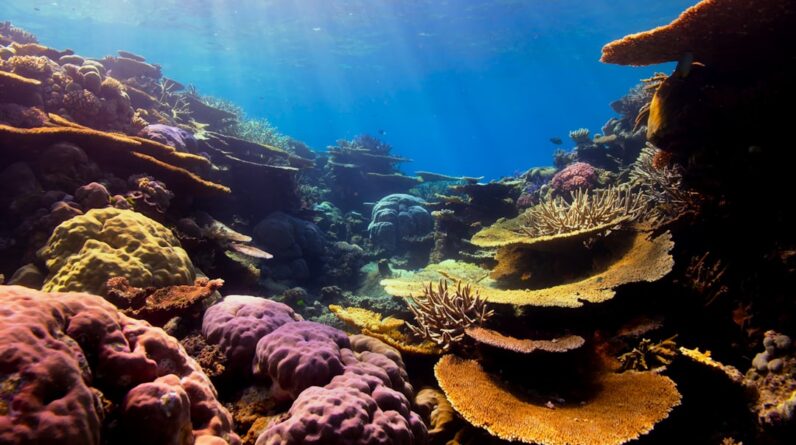
When ocean temperatures rise, the effects on marine life can be devastating. You may have heard about coral bleaching, a phenomenon that occurs when corals expel the symbiotic algae living within their tissues due to stress from elevated temperatures. This not only leads to the loss of vibrant colors but also compromises the entire reef ecosystem.
Coral reefs are often referred to as the “rainforests of the sea,” supporting a diverse array of marine species. When these ecosystems suffer, the repercussions extend far beyond the corals themselves, affecting fish populations and other marine organisms that rely on reefs for shelter and food. Moreover, ocean heat waves can disrupt the migratory patterns of fish and other marine species.
As temperatures rise, many species are forced to move to cooler waters, which can lead to shifts in local fisheries and impact communities that depend on these resources for their livelihoods. You might find it alarming that some species may not be able to adapt quickly enough to these changes, leading to population declines or even extinction. The intricate web of life in the ocean is delicate, and ocean heat waves threaten to unravel it, with consequences that could resonate for generations.
The Relationship Between Ocean Heat Waves and Oxygen Production

You may not realize that the oceans play a critical role in producing oxygen for our planet. Phytoplankton, microscopic plants that float on the ocean’s surface, are responsible for producing a significant portion of the Earth’s oxygen through photosynthesis. However, ocean heat waves can disrupt this vital process.
Elevated temperatures can lead to stratification in the water column, where warmer water sits atop cooler water, preventing nutrients from reaching the surface where phytoplankton thrive. This nutrient limitation can result in decreased phytoplankton populations, ultimately reducing oxygen production. Additionally, as ocean temperatures rise, the metabolic rates of marine organisms increase, leading to higher oxygen consumption.
You might find it concerning that this increased demand for oxygen coincides with a decrease in its availability due to reduced phytoplankton growth. This imbalance can create hypoxic conditions—areas of low oxygen—making it difficult for marine life to survive. The relationship between ocean heat waves and oxygen production is complex and underscores the interconnectedness of marine ecosystems.
Consequences of Decreased Oxygen Production in the Ocean
The consequences of decreased oxygen production in the ocean are profound and far-reaching. As you consider the implications of hypoxia, you may envision vast areas of the ocean becoming uninhabitable for many marine species. Fish and other aquatic organisms require sufficient oxygen levels to thrive; when these levels drop, they may experience stress or even death.
This phenomenon can lead to fish kills and a decline in biodiversity, disrupting entire ecosystems. Furthermore, decreased oxygen levels can have economic repercussions for coastal communities that rely on fishing and tourism. You might be surprised to learn that hypoxic zones have already been linked to significant declines in fish stocks in various regions around the world.
As fish populations dwindle, fishermen face reduced catches and income loss, while consumers may experience rising prices for seafood. The cascading effects of decreased oxygen production highlight the urgent need for action to address ocean heat waves and their impact on marine life.
Case Studies of Ocean Heat Waves and Their Devastating Effects
To truly grasp the severity of ocean heat waves, examining specific case studies can be enlightening. One notable example is the 2014-2016 marine heat wave off the coast of California, which led to widespread coral bleaching and significant declines in fish populations. You may recall hearing about the “Blob,” a massive area of warm water that formed in the North Pacific Ocean during this period.
The Blob disrupted local ecosystems, leading to a decline in species such as sardines and anchovies, which are vital components of the food web. Another striking case is the 2017 heat wave in the Great Barrier Reef, which resulted in unprecedented coral bleaching events. You might find it heartbreaking to learn that over 50% of the corals in some areas were lost during this event.
The Great Barrier Reef is not only a UNESCO World Heritage site but also a critical habitat for countless marine species and a significant source of income for local tourism industries. The loss of such an iconic ecosystem serves as a stark reminder of the urgent need to address ocean heat waves and their devastating effects.
Mitigating the Effects of Ocean Heat Waves on Oxygen Production
As you contemplate solutions to mitigate the effects of ocean heat waves on oxygen production, it becomes clear that a multifaceted approach is necessary. One effective strategy involves reducing greenhouse gas emissions to combat climate change—the primary driver behind rising ocean temperatures. By advocating for policies that promote renewable energy sources and reduce carbon footprints, you can contribute to efforts aimed at stabilizing global temperatures and protecting marine ecosystems.
In addition to addressing climate change at its source, local conservation efforts can play a crucial role in enhancing the resilience of marine ecosystems. You might consider supporting initiatives that focus on restoring habitats such as mangroves and seagrasses, which provide essential services like carbon sequestration and nutrient cycling. These habitats can help buffer against the impacts of ocean heat waves by providing refuge for marine life and promoting biodiversity.
The Role of Climate Change in Ocean Heat Waves
Climate change is undeniably intertwined with the occurrence and intensity of ocean heat waves. As you explore this relationship further, you will find that rising global temperatures lead to increased sea surface temperatures, creating conditions ripe for heat waves to develop. The burning of fossil fuels, deforestation, and other human activities have significantly contributed to this warming trend, resulting in more frequent and severe ocean heat waves.
You may also want to consider how climate change affects weather patterns and ocean currents, further exacerbating the impacts of heat waves. Changes in precipitation patterns can lead to increased runoff and nutrient loading in coastal areas, which can trigger harmful algal blooms that further deplete oxygen levels in the water. Understanding these connections is essential for developing effective strategies to combat ocean heat waves and protect marine ecosystems.
Conclusion and Call to Action for Addressing Ocean Heat Waves
In conclusion, ocean heat waves represent a pressing challenge that demands immediate attention from individuals, communities, and policymakers alike. As you reflect on the information presented here, consider how your actions can contribute to addressing this critical issue. Whether it’s advocating for sustainable practices in your daily life or supporting organizations dedicated to marine conservation, every effort counts.
The health of our oceans is intricately linked to our own well-being; by taking action now, you can help ensure a sustainable future for both marine life and humanity. It is time to raise awareness about ocean heat waves and their far-reaching consequences while pushing for meaningful change at local and global levels. Together, we can work towards a healthier planet—one where our oceans thrive and continue to provide essential resources for generations to come.
Ocean heat waves can have a devastating effect on oxygen production in marine ecosystems, leading to harmful consequences for marine life. To learn more about the importance of maintaining healthy forests and biodiversity as a way to combat these issues, check out the article Biodiversity Reservoir by Having Healthy Forest. This article discusses the crucial role that healthy forests play in preserving biodiversity and protecting our planet’s ecosystems.
FAQs
What are ocean heat waves?
Ocean heat waves, also known as marine heatwaves, are prolonged periods of unusually warm water temperatures in the ocean. These events can have significant impacts on marine ecosystems and the organisms that rely on them.
How do ocean heat waves affect oxygen production in the ocean?
Ocean heat waves can lead to a decrease in oxygen production in the ocean. Warmer water temperatures can disrupt the balance of oxygen production and consumption by marine organisms, leading to a decrease in oxygen levels in the water.
What are the consequences of decreased oxygen production in the ocean due to heat waves?
Decreased oxygen production in the ocean can have devastating effects on marine life. It can lead to hypoxic (low oxygen) or anoxic (no oxygen) conditions, which can result in mass die-offs of fish, shellfish, and other marine organisms. These events can also disrupt food webs and have long-term impacts on marine ecosystems.
Are ocean heat waves becoming more frequent and severe?
There is evidence to suggest that ocean heat waves are becoming more frequent and severe due to climate change. Warmer air temperatures and increased greenhouse gas emissions are contributing to the warming of the oceans, leading to more frequent and intense heat wave events.
What can be done to mitigate the impact of ocean heat waves on oxygen production?
Mitigating the impact of ocean heat waves on oxygen production requires addressing the root cause of the problem, which is climate change. Reducing greenhouse gas emissions and implementing measures to limit global warming can help to mitigate the frequency and severity of ocean heat waves, ultimately protecting oxygen production and marine ecosystems.