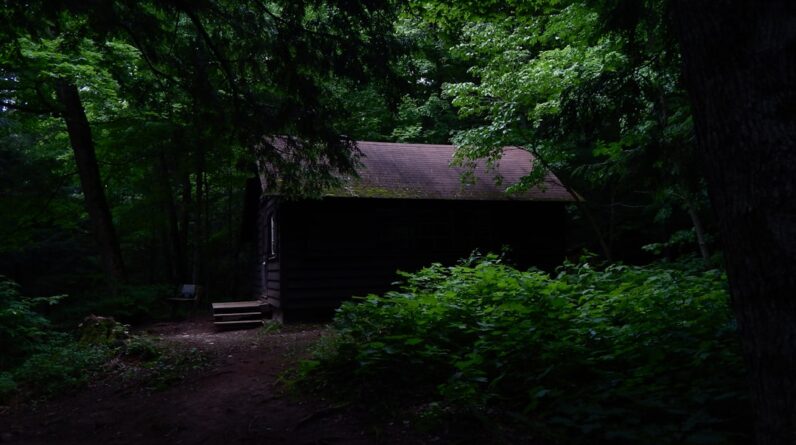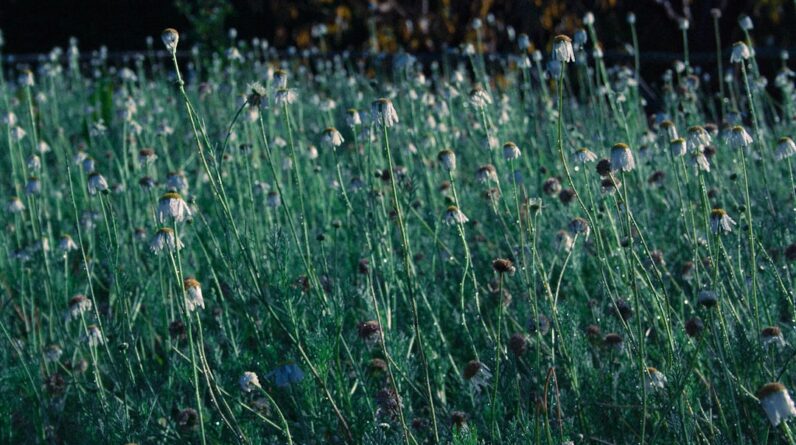
To embark on the journey of restoring your backyard ecosystem, the first step is to conduct a thorough assessment of the current state of your outdoor space. You might start by observing the various elements present in your yard, such as the types of plants, the presence of wildlife, and the overall health of the soil. Take note of any areas that seem particularly vibrant or, conversely, those that appear neglected or overrun.
This initial evaluation will provide you with a baseline understanding of what exists and what changes may be necessary to foster a healthier environment. As you assess your backyard, consider the interactions between different components of the ecosystem. Are there certain plants that attract pollinators like bees and butterflies?
Do you notice any signs of erosion or poor drainage? By paying attention to these details, you can identify both strengths and weaknesses within your ecosystem. This knowledge will empower you to make informed decisions as you move forward with your restoration efforts, ensuring that your actions will enhance biodiversity and promote ecological balance.
Key Takeaways
- Assessing Your Backyard Ecosystem: Take stock of the plants, animals, and environmental conditions in your backyard to understand the current state of your ecosystem.
- Removing Invasive Species: Identify and remove non-native plants and animals that are disrupting the balance of your ecosystem.
- Planting Native Species: Introduce native plants to support local wildlife and promote a healthy, balanced ecosystem.
- Building Habitats for Wildlife: Create spaces like birdhouses, bat boxes, and pollinator gardens to provide shelter and food for local wildlife.
- Implementing Sustainable Practices: Use environmentally friendly gardening and landscaping practices to minimize negative impacts on the ecosystem and promote sustainability.
- Monitoring and Maintaining the Ecosystem: Regularly observe and care for your backyard ecosystem to ensure its health and stability.
- Educating and Involving the Community: Share your knowledge and involve others in ecosystem restoration efforts to create a larger, more impactful change.
- Enjoying the Benefits of a Restored Ecosystem: Reap the rewards of a thriving ecosystem, including increased biodiversity, natural beauty, and a sense of connection to nature.
Removing Invasive Species
Once you have a clear picture of your backyard ecosystem, the next crucial step is to address any invasive species that may be present. Invasive plants can outcompete native flora for resources, disrupt local wildlife habitats, and ultimately diminish the overall health of your ecosystem. You may find it helpful to research common invasive species in your region, as this will enable you to identify them more easily in your own yard.
Armed with this knowledge, you can begin the process of removal. Removing invasive species can be a labor-intensive task, but it is essential for restoring balance to your ecosystem. You might start by manually pulling out smaller plants or using tools for larger infestations.
Be sure to dispose of these plants properly, as many invasive species can regenerate from fragments left behind. In some cases, you may need to apply targeted herbicides, but always follow guidelines to minimize harm to surrounding native plants. As you clear away these invaders, you will create space for native species to thrive and help restore the natural order of your backyard.
Planting Native Species
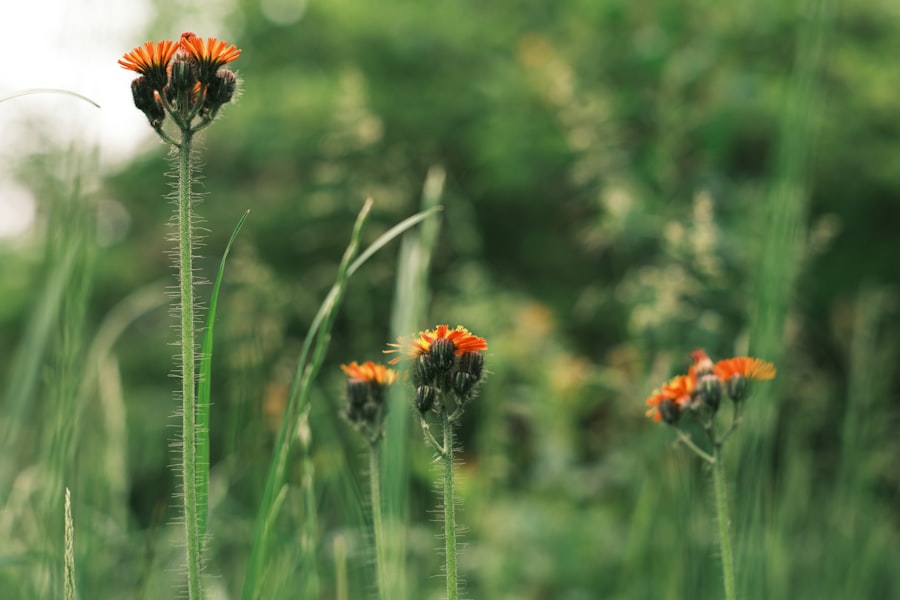
With invasive species removed, it’s time to focus on planting native species that are well-adapted to your local environment. Native plants not only support local wildlife but also require less maintenance and water than non-native varieties. When selecting plants, consider a diverse range of species that bloom at different times throughout the growing season.
This diversity will provide food and habitat for various pollinators and other wildlife year-round. As you plant these native species, think about their placement in relation to sunlight, soil type, and moisture levels. Grouping plants with similar needs together can create a more sustainable environment and reduce competition for resources.
Additionally, incorporating layers—such as ground covers, shrubs, and trees—will mimic natural ecosystems and provide shelter for birds and small mammals. By thoughtfully introducing native plants into your backyard, you will not only enhance its beauty but also contribute to a thriving ecosystem that supports local biodiversity.
Building Habitats for Wildlife
Creating habitats for wildlife is an essential aspect of restoring your backyard ecosystem. By providing shelter and food sources, you can attract a variety of creatures that will contribute to the ecological balance of your yard. Start by considering the types of wildlife you would like to support—birds, butterflies, bees, and small mammals are all excellent choices.
Each of these species has specific habitat requirements that you can cater to with thoughtful design. You might consider building birdhouses or installing nesting boxes to encourage avian visitors. Additionally, creating brush piles or leaving some areas of your yard wild can provide shelter for small mammals and insects.
Water features, such as birdbaths or small ponds, can also attract wildlife while offering hydration sources. By incorporating these elements into your backyard design, you will create a welcoming environment for various species and foster a sense of connection with nature.
Implementing Sustainable Practices
Sustainability is key when it comes to maintaining a healthy backyard ecosystem. You can adopt practices that minimize environmental impact while promoting biodiversity. For instance, consider using organic gardening methods that avoid synthetic pesticides and fertilizers.
Instead, focus on natural alternatives like composting kitchen scraps and yard waste to enrich your soil. This not only reduces waste but also enhances soil health, creating a more robust environment for your plants. Water conservation is another vital aspect of sustainable practices.
You might implement rainwater harvesting systems or use drip irrigation to ensure efficient water use in your garden. Mulching around plants can help retain moisture while suppressing weeds. By being mindful of how you use resources in your backyard, you contribute to a more sustainable ecosystem that benefits both your local environment and the planet as a whole.
Monitoring and Maintaining the Ecosystem
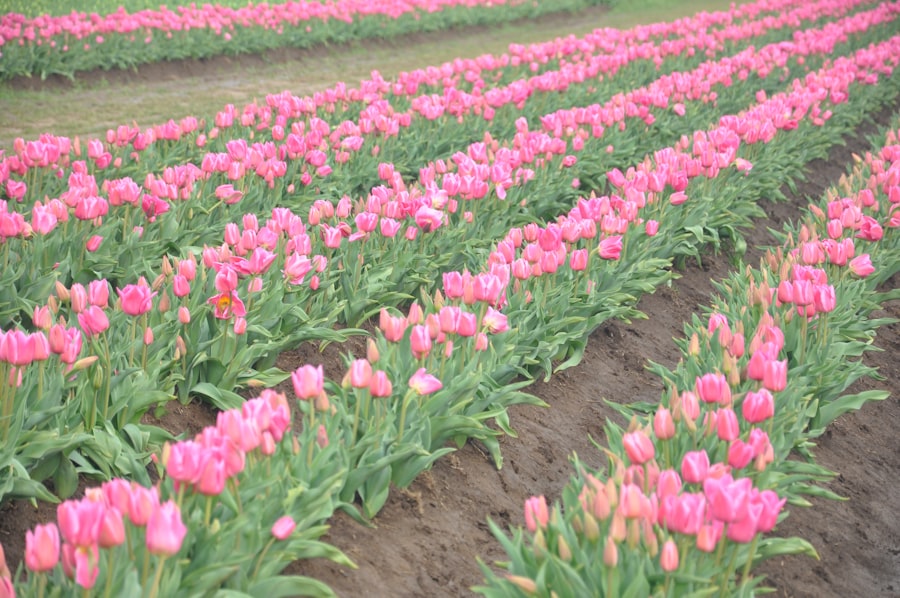
Restoring your backyard ecosystem is not a one-time effort; it requires ongoing monitoring and maintenance to ensure its health and vitality over time. Regularly observe the changes in plant growth, wildlife activity, and soil conditions. Keeping a journal or taking photographs can help you track progress and identify any emerging issues that may need attention.
As seasons change, be prepared to adapt your maintenance practices accordingly. For example, during spring and summer, you may need to manage weeds or pests organically while ensuring that native plants have enough space to flourish. In fall, consider planting cover crops or mulching to protect soil during winter months.
By staying engaged with your ecosystem and responding proactively to its needs, you will foster resilience and promote long-term sustainability.
Educating and Involving the Community
One of the most rewarding aspects of restoring your backyard ecosystem is the opportunity to educate and involve your community. Sharing your journey with neighbors can inspire them to take similar steps toward enhancing their own outdoor spaces. You might host workshops or informational sessions where you discuss the importance of native plants, sustainable practices, and wildlife conservation.
Engaging with local schools or community organizations can also amplify your impact. Consider partnering with groups focused on environmental education or conservation efforts to create community gardens or habitat restoration projects. By fostering collaboration and sharing knowledge, you can help cultivate a culture of stewardship within your community that extends beyond your own backyard.
Enjoying the Benefits of a Restored Ecosystem
As you invest time and effort into restoring your backyard ecosystem, you will begin to reap numerous benefits that enhance both your quality of life and the environment around you. A thriving ecosystem provides aesthetic beauty through vibrant flowers and lush greenery while attracting diverse wildlife that brings joy and wonder into your daily life. The sounds of birds chirping and bees buzzing create a serene atmosphere that invites relaxation and connection with nature.
Moreover, a restored ecosystem contributes positively to local biodiversity and environmental health. By supporting native species and creating habitats for wildlife, you play an essential role in preserving the delicate balance of nature in your area. The satisfaction derived from knowing that your efforts are making a difference can be incredibly fulfilling.
Ultimately, enjoying the fruits of your labor will inspire you to continue nurturing your backyard ecosystem while encouraging others to embark on their own restoration journeys.
If you’re interested in learning more about the environmental benefits of planting trees, check out this article on how planting trees helps the environment. It delves into the various ways in which trees contribute to a healthier planet, from providing oxygen and absorbing carbon dioxide to creating habitats for wildlife. Understanding the importance of trees in our ecosystem can further inspire you to take action in restoring your backyard ecosystem.
FAQs
What is a backyard ecosystem restoration?
A backyard ecosystem restoration involves the process of restoring a natural balance and diversity of plant and animal life in a backyard environment. This can include creating habitats for native species, planting native plants, and reducing the use of chemicals and pesticides.
Why is backyard ecosystem restoration important?
Backyard ecosystem restoration is important because it helps to support local biodiversity, improve soil health, and create a more sustainable and resilient environment. It can also help to mitigate the effects of climate change and provide important habitats for native wildlife.
What are the steps involved in a backyard ecosystem restoration?
The steps involved in a backyard ecosystem restoration may include assessing the current state of the backyard, removing invasive species, planting native plants, creating habitats for wildlife, reducing chemical use, and maintaining the restored ecosystem over time.
What are some benefits of a restored backyard ecosystem?
Some benefits of a restored backyard ecosystem include improved biodiversity, better soil health, reduced water usage, increased pollinator populations, and a more aesthetically pleasing and enjoyable outdoor space.
How can I get started with a backyard ecosystem restoration?
To get started with a backyard ecosystem restoration, you can begin by researching native plants and wildlife in your area, assessing the current state of your backyard, and creating a plan for restoration that includes planting native species, creating habitats, and reducing chemical use. It can also be helpful to seek guidance from local conservation organizations or experts in ecosystem restoration.