As you gaze out at the vast expanse of the ocean, it’s easy to be captivated by its beauty and mystery. However, beneath the surface lies a troubling reality: the oceans are facing unprecedented levels of pollution. Every year, millions of tons of plastic waste, chemicals, and other pollutants find their way into the seas, creating a toxic environment for marine life and ecosystems.
The United Nations estimates that around 13 million tons of plastic enter the ocean annually, leading to dire consequences for both wildlife and human health. The sources of this pollution are varied and complex. Urban runoff, industrial discharges, and improper waste disposal all contribute to the degradation of ocean health.
You may not realize it, but even everyday activities—like using single-use plastics or improperly disposing of waste—can have far-reaching effects on marine environments. The Great Pacific Garbage Patch, a massive accumulation of plastic debris, serves as a stark reminder of the consequences of our actions. This floating island of trash is not just an eyesore; it disrupts marine ecosystems and poses a threat to countless species that inhabit these waters.
Key Takeaways
- Ocean pollution is a significant problem, with plastic waste, oil spills, and chemical runoff causing harm to marine life and ecosystems.
- Efforts to clean the ocean include beach cleanups, recycling programs, and the development of new technologies to remove plastic and other pollutants from the water.
- Challenges in cleaning the ocean include the vastness of the ocean, the difficulty of removing microplastics, and the lack of funding for large-scale cleanup efforts.
- Ocean pollution has a devastating impact on marine life, leading to entanglement, ingestion of plastic, and habitat destruction.
- Government and policy play a crucial role in addressing ocean pollution through regulations, funding for cleanup efforts, and international cooperation.
Efforts to Clean the Ocean
In response to the alarming state of ocean pollution, numerous organizations and initiatives have emerged with the goal of cleaning our seas. You might be surprised to learn that grassroots movements, non-profit organizations, and even large corporations are joining forces to tackle this pressing issue. Initiatives like the Ocean Cleanup Project aim to develop advanced technologies to remove plastic from the ocean while raising awareness about the importance of reducing plastic consumption on land.
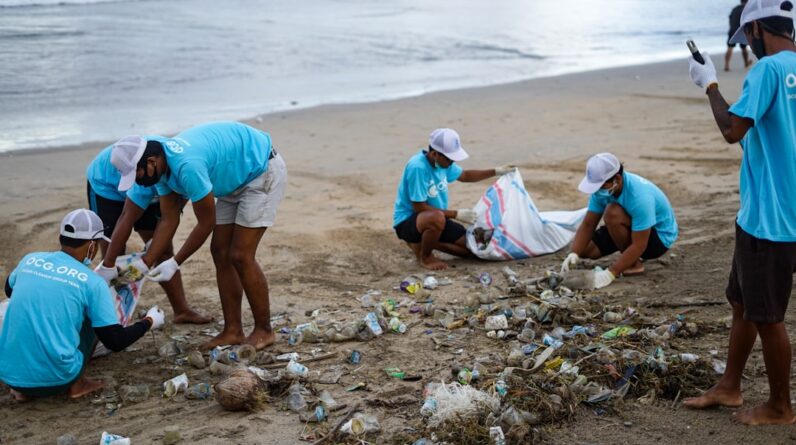
Community-driven beach cleanups are also gaining momentum. These events not only help remove debris from shorelines but also foster a sense of responsibility and connection to the environment among participants. When you take part in such activities, you contribute to a larger movement that emphasizes the importance of preserving our oceans for future generations.
These collective efforts highlight the power of community action in addressing environmental challenges.
Challenges in Cleaning the Ocean
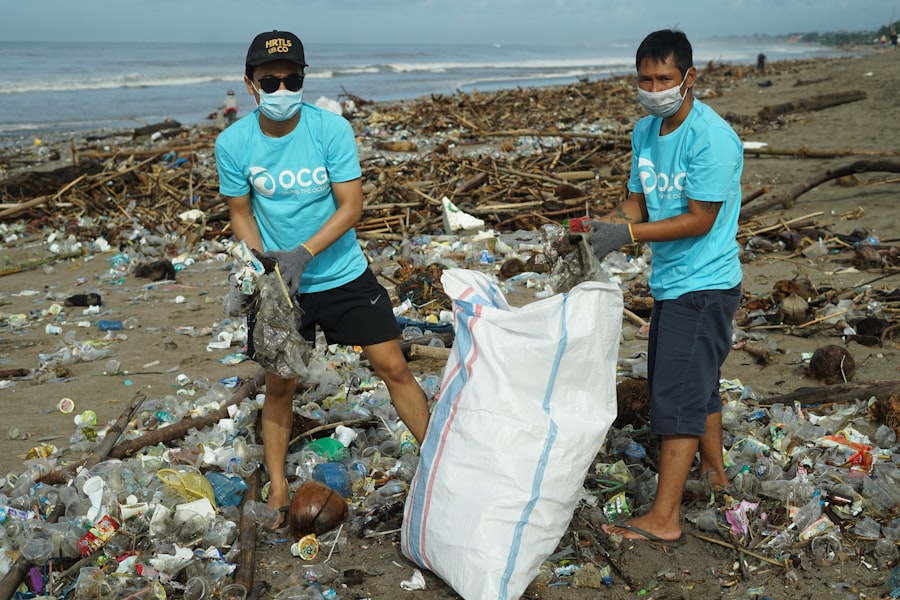
Despite the growing awareness and efforts to clean the oceans, significant challenges remain. One major hurdle is the sheer scale of the problem. The oceans cover over 70% of the Earth’s surface, making it difficult to monitor and address pollution effectively.
You may find it disheartening to know that even with advanced technology, cleaning up vast areas like the Great Pacific Garbage Patch is a monumental task that requires substantial resources and time. Another challenge lies in the nature of ocean pollution itself. Much of the debris is small and fragmented, making it difficult to collect without harming marine life.
Additionally, pollutants like microplastics are pervasive and can be found in even the most remote areas of the ocean. These tiny particles pose a significant threat to marine organisms, as they can be ingested by fish and other wildlife, entering the food chain and ultimately affecting human health as well. The complexity of these issues underscores the need for comprehensive strategies that address both prevention and cleanup.
The Impact of Ocean Pollution
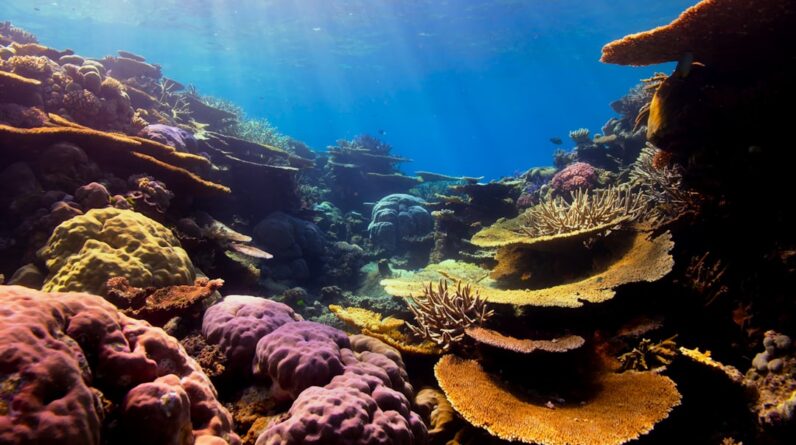
The consequences of ocean pollution extend far beyond the water itself; they ripple through ecosystems and human communities alike. As you consider the impact on marine life, think about how plastic waste can entangle sea turtles or be ingested by seabirds, leading to injury or death. Coral reefs, which are vital to marine biodiversity, are also suffering from pollution-related stressors such as nutrient runoff and chemical contaminants.
The loss of these ecosystems not only threatens countless species but also disrupts the balance of marine environments. Moreover, ocean pollution has significant implications for human health and economies. Contaminated seafood can pose serious health risks when consumed, leading to illnesses that affect communities reliant on fishing for their livelihoods.
Coastal tourism can also suffer as polluted beaches deter visitors, impacting local economies that depend on tourism revenue. As you reflect on these interconnected issues, it becomes clear that addressing ocean pollution is not just an environmental concern; it is a matter of public health and economic stability.
The Role of Government and Policy
Governments play a crucial role in combating ocean pollution through legislation and policy initiatives. You may be aware that international agreements like the Paris Agreement aim to address climate change, but there are also specific treaties focused on marine protection. For instance, the MARPOL Convention regulates pollution from ships, while regional agreements seek to protect vulnerable marine areas from overfishing and habitat destruction.
However, effective policy implementation often faces obstacles such as lack of funding, political will, and public support. You might find it frustrating that despite scientific consensus on the urgency of addressing ocean pollution, some policymakers prioritize short-term economic gains over long-term environmental sustainability. Advocacy for stronger regulations and increased funding for ocean conservation efforts is essential for creating meaningful change at both national and international levels.
The Importance of Individual Action
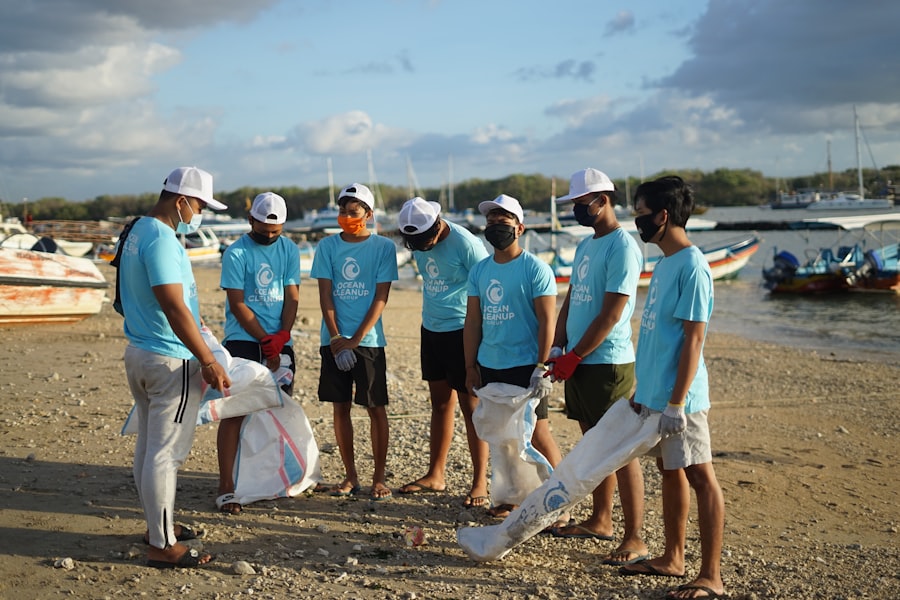
While systemic change is vital in addressing ocean pollution, individual actions also play a significant role in creating a cleaner future for our oceans. You have the power to make choices that reduce your environmental footprint—whether it’s opting for reusable bags instead of single-use plastics or participating in local clean-up events. Every small action contributes to a larger movement toward sustainability.
Education is another critical aspect of individual action. By informing yourself and others about the impacts of ocean pollution, you can inspire change within your community. Sharing knowledge about responsible waste disposal practices or advocating for policies that protect marine environments can amplify your impact.
When you engage with others on this issue, you help foster a culture of environmental stewardship that encourages collective responsibility for our oceans.
Innovations in Ocean Cleaning Technology
As technology continues to advance, innovative solutions for cleaning our oceans are emerging. You may have heard about autonomous drones designed to detect and collect plastic waste from the water’s surface or advanced filtration systems that can capture microplastics before they enter marine ecosystems. These technological advancements hold great promise for enhancing cleanup efforts and mitigating pollution.
Moreover, research into biodegradable materials offers hope for reducing future pollution. By developing alternatives to traditional plastics that break down naturally in marine environments, we can lessen our reliance on harmful materials. As you explore these innovations, consider how they represent not just technological progress but also a shift in societal values toward sustainability and environmental responsibility.
The Future of Ocean Cleanup
Looking ahead, the future of ocean cleanup hinges on collaboration among governments, organizations, businesses, and individuals like you. As awareness grows about the importance of protecting our oceans, there is potential for increased investment in cleanup initiatives and sustainable practices. You can play a part in this future by advocating for policies that prioritize ocean health and supporting organizations dedicated to conservation efforts.
Ultimately, envisioning a cleaner ocean requires a commitment to long-term change rather than quick fixes. By fostering a culture of sustainability and encouraging innovation in cleanup technologies, we can work together toward a future where our oceans thrive once again. As you reflect on your role in this journey, remember that every action counts—whether it’s making conscious choices in your daily life or supporting broader initiatives aimed at preserving our planet’s most precious resource: its oceans.
Are We Cleaning the Ocean Fast Enough? A Reality Check discusses the urgency of addressing ocean pollution and the need for immediate action. For more information on how individuals can make a positive impact on the environment, check out How Does Planting Trees Help the Environment?. This article explores the benefits of tree planting and its role in combating climate change and preserving ecosystems. It serves as a reminder that small actions can have a big impact on the health of our planet.
FAQs
What is the current state of the ocean in terms of pollution?
The ocean is facing a significant pollution problem, with an estimated 8 million tons of plastic waste entering the ocean each year. This pollution has detrimental effects on marine life and ecosystems.
What efforts are being made to clean the ocean?
Various organizations and initiatives are working to clean the ocean, including beach clean-up efforts, the development of ocean-cleaning technologies, and international agreements to reduce plastic pollution.
Are current efforts to clean the ocean sufficient?
While efforts to clean the ocean are important, they may not be sufficient to address the scale of the pollution problem. More comprehensive and coordinated global action is needed to effectively clean the ocean.
What are the potential consequences of not cleaning the ocean fast enough?
Failure to clean the ocean fast enough could lead to further damage to marine ecosystems, harm to marine life, and negative impacts on human health and economies that rely on the ocean.