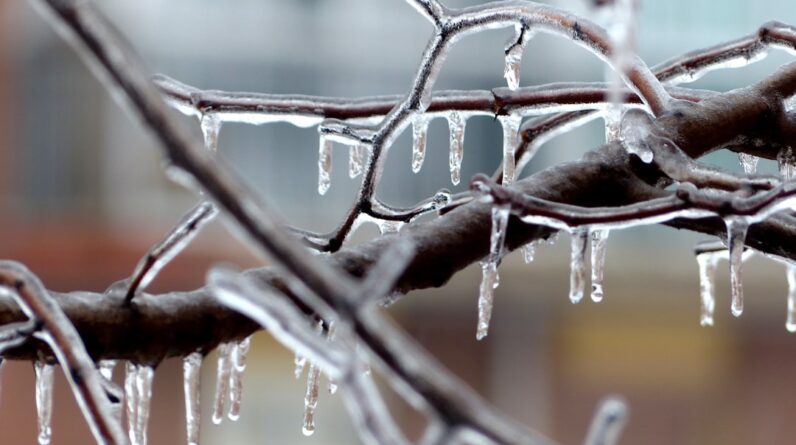
As the seasons shift, winter has long been a time of reflection, celebration, and, for many, a cherished period of cold weather and snow. However, the reality of winter is changing due to the pressing issue of global warming. You may have noticed that winters are not what they used to be; the once-familiar chill in the air is often replaced by milder temperatures and unpredictable weather patterns.
This transformation is not merely a fleeting trend but a significant consequence of climate change that affects various aspects of life on Earth. Global warming, primarily driven by human activities such as burning fossil fuels and deforestation, has led to an increase in average global temperatures. This rise in temperature has far-reaching implications for winter weather, altering the very essence of the season.
As you delve deeper into the effects of climate change on winter, you will uncover a complex web of changes that impact not only the environment but also human activities, wildlife, and even the economy. Understanding these changes is crucial as we navigate this new reality and seek ways to adapt to and mitigate the effects of a warming winter.
Key Takeaways
- Winter is being impacted by global warming, leading to milder temperatures and changing weather patterns.
- Changes in winter weather patterns include less snowfall, shorter winter seasons, and more extreme weather events.
- Winter sports and activities are being affected by the lack of snow and ice, leading to economic and recreational challenges.
- Wildlife and ecosystems are experiencing disruptions in their natural habitats due to the changing winter conditions.
- The economic implications of a warmer winter include impacts on industries such as tourism, agriculture, and energy.
- A milder winter can have both positive and negative health and social impacts on communities.
- Adaptation and mitigation strategies are necessary to address the challenges of a changing winter, including sustainable practices and infrastructure improvements.
- Embracing a new winter reality requires a collective effort to address the impacts of global warming and create a more sustainable future.
Changes in Winter Weather Patterns
You may have observed that winter weather patterns are becoming increasingly erratic. Traditionally, winter was characterized by consistent cold temperatures and predictable snowfall. However, with global warming, these patterns are shifting dramatically.
For instance, you might find that some regions experience warmer winters with less snowfall, while others face extreme weather events such as heavy snowstorms or unseasonably warm days. This unpredictability can be disorienting and poses challenges for those who rely on traditional winter conditions. The phenomenon of warmer winters is often accompanied by a decrease in snow cover and shorter durations of frost.
You might notice that snow begins to melt earlier in the season or that it fails to accumulate as it once did. This change not only affects your enjoyment of winter activities but also has broader implications for water resources and agriculture. The melting snowpack, which traditionally serves as a vital water source during warmer months, may diminish, leading to potential water shortages in the future.
As you consider these changes, it becomes clear that the impact of global warming on winter weather patterns is profound and multifaceted.
Impact on Winter Sports and Activities

For many, winter is synonymous with outdoor sports and activities such as skiing, snowboarding, ice skating, and snowshoeing. However, as winter weather becomes less predictable and snow cover diminishes, you may find that your favorite winter pastimes are increasingly at risk. Ski resorts are already feeling the effects of climate change, with some facing shorter seasons and reduced snowfall.
You might have noticed that certain ski areas have had to invest in artificial snow-making technology to compensate for the lack of natural snow, which can be costly and environmentally taxing. Moreover, the changing climate can lead to safety concerns for winter sports enthusiasts. Warmer temperatures can create icy conditions that are hazardous for skiers and snowboarders alike.
You may also find that ice rinks are less reliable due to fluctuating temperatures, impacting recreational skating and hockey leagues. As these changes unfold, it becomes essential to rethink how you engage with winter sports and consider alternative activities that align with the evolving climate.
Effects on Wildlife and Ecosystems
The impact of a warming winter extends beyond human activities; it significantly affects wildlife and ecosystems as well. You may be surprised to learn that many species rely on specific winter conditions for survival. For instance, certain animals depend on snow cover for insulation or camouflage from predators.
As winters become milder and less predictable, these species face increased challenges in finding food and shelter. You might notice changes in animal behavior or migration patterns as they adapt to shifting climates. Ecosystems are also undergoing transformations due to changing winter conditions.
You may observe shifts in plant phenology, where flowering times or leaf drop occur earlier or later than usual. These changes can disrupt the delicate balance within ecosystems, affecting everything from pollination to food chains. As you reflect on these impacts, it becomes evident that a warming winter poses significant threats to biodiversity and the health of our planet’s ecosystems.
Economic Implications of a Warmer Winter
The economic implications of a warmer winter are far-reaching and complex. You may not realize how much industries depend on traditional winter conditions. For example, tourism in ski resorts and winter sports destinations is heavily reliant on consistent snowfall and cold temperatures.
As these conditions become less reliable, local economies that thrive on winter tourism may suffer significant losses. You might find that businesses catering to winter sports enthusiasts face declining revenues, leading to job losses and economic instability in affected regions. Additionally, agriculture can be impacted by changing winter weather patterns.
Farmers often rely on predictable frost dates for planting crops; however, milder winters can disrupt these timelines. You may see shifts in crop yields or increased pest populations as warmer winters alter the agricultural landscape. The economic ramifications extend beyond individual farmers; they can affect food prices and availability on a larger scale.
As you consider these factors, it becomes clear that a warming winter has profound implications for both local economies and global markets.
Health and Social Impact of a Milder Winter
The health implications of a milder winter are another critical aspect to consider. You may find that warmer winters can lead to an increase in certain health issues, such as respiratory problems or allergies due to longer growing seasons for pollen-producing plants. Additionally, milder winters can contribute to the spread of vector-borne diseases as warmer temperatures allow disease-carrying insects to thrive for longer periods.
You might notice an uptick in illnesses that were once confined to warmer months. Socially, the changing nature of winter can affect community dynamics and traditions. You may find that holiday celebrations centered around winter activities lose some of their charm as snow becomes less reliable.
Communities that once bonded over ice skating or sledding may struggle to maintain those traditions in a warming climate. As you reflect on these changes, it becomes evident that the social fabric of communities can be altered by the impacts of global warming on winter.
Adaptation and Mitigation Strategies for a Changing Winter
As you confront the realities of a warming winter, it becomes essential to explore adaptation and mitigation strategies that can help communities cope with these changes. One approach is investing in sustainable infrastructure that can withstand unpredictable weather patterns. For instance, ski resorts might consider diversifying their offerings beyond traditional winter sports to attract visitors year-round.
You may also see communities implementing green initiatives aimed at reducing carbon footprints and promoting environmental stewardship. On an individual level, you can take steps to adapt to changing winter conditions by embracing new activities or supporting local businesses that prioritize sustainability. Engaging in community discussions about climate action can also foster awareness and encourage collective efforts toward mitigating the effects of global warming.
As you consider your role in this evolving landscape, remember that every action counts in creating a more resilient future.
Embracing a New Winter Reality
In conclusion, the reality of winter is changing before your eyes due to global warming’s far-reaching effects. From altered weather patterns to impacts on wildlife and economic stability, the consequences are profound and multifaceted. While it may be tempting to mourn the loss of traditional winter experiences, embracing this new reality offers opportunities for adaptation and innovation.
As you navigate this changing landscape, remember that awareness is the first step toward action. By understanding the implications of a warming winter and actively participating in solutions—whether through personal choices or community initiatives—you can contribute to a more sustainable future for all. Embracing this new winter reality means recognizing both the challenges ahead and the potential for positive change as we work together to protect our planet for generations to come.
If you are interested in learning more about how to combat the effects of global warming, you may want to check out this article on how reforestation helps the environment. Reforestation is a crucial tool in fighting climate change and can have a positive impact on the environment. For more insightful articles on environmental issues and ways to make a difference, visit the Live Life with a Cause blog. Join the movement and start making a difference today with Live Life with a Cause.
FAQs
What is global warming?
Global warming refers to the long-term increase in Earth’s average surface temperature due to human activities, primarily the release of greenhouse gases such as carbon dioxide and methane.
How does global warming impact the seasons?
Global warming can lead to changes in the timing and intensity of the seasons. For example, it can result in shorter winters, earlier springs, and longer and more intense heat waves during the summer.
What are the specific impacts of global warming on winter?
Global warming can lead to milder winters, reduced snowfall, and shorter periods of frozen ground. This can have implications for ecosystems, agriculture, and water resources that rely on snowmelt.
How does global warming affect winter sports and recreation?
Warmer winters can impact winter sports and recreation by reducing the availability of snow for activities such as skiing, snowboarding, and snowmobiling. This can have economic implications for communities that rely on winter tourism.
What are the potential long-term consequences of global warming on winter?
The long-term consequences of global warming on winter may include disruptions to ecosystems, changes in precipitation patterns, and impacts on cold-adapted species. It can also lead to shifts in the timing of natural events such as migration and flowering.