Have you ever wondered how our choices can impact the climate and the world around us? When we think about global warming, factors like car emissions and industries often come to mind. However, one enormous contributor frequently gets overlooked: deforestation. The act of cutting down forests has a far-reaching domino effect, significantly affecting the Earth’s temperature and climate in various ways.

Understanding Deforestation
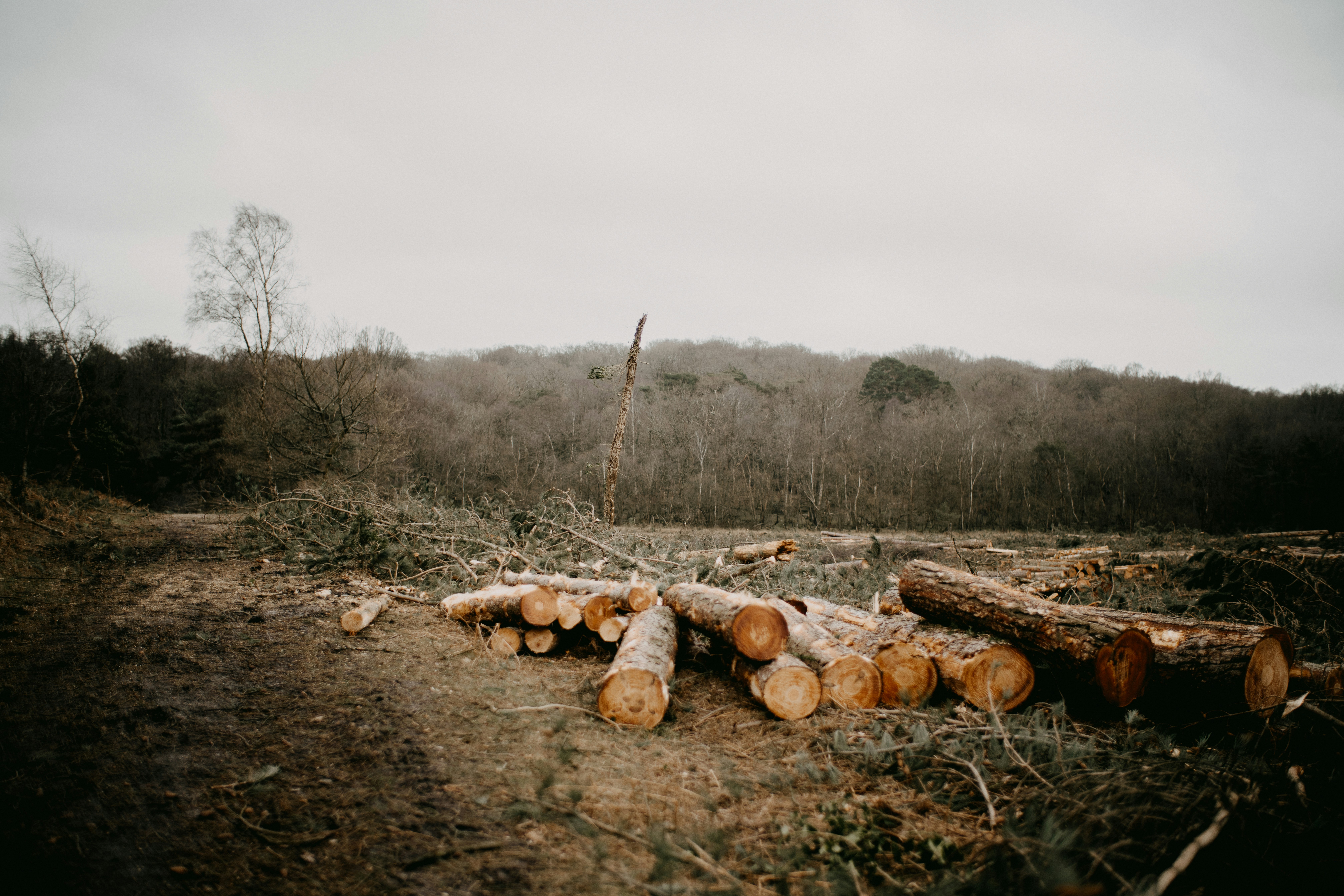
Before diving deeper, it’s crucial to understand what deforestation is. Deforestation refers to the large-scale removal of forest areas, often to make way for agricultural activities, urban development, or logging. While human civilization benefits from these developments, the environment pays a hefty price.
Why Deforestation Happens
Deforestation occurs because of several human activities. The most significant include agriculture (for food crops and livestock), logging (for timber and paper products), and land development (for urban areas and infrastructure). This section will briefly explain why each of these activities contributes to deforestation.
| Reason | Description |
|---|---|
| Agriculture | Forests are cleared to create farmland for crops and pastures for livestock. |
| Logging | Trees are cut down for timber, paper, and other wood products. |
| Urban Development | Forests are cleared to make way for houses, roads, and other infrastructure. |
| Mining | Clearing forests to access ores and minerals under the ground. |
The Scale of the Problem
If you’re wondering how massive this problem is, consider this: according to the World Wildlife Fund (WWF), we lose about 18.7 million acres of forests annually, which is roughly equivalent to 27 soccer fields every minute. The scale of deforestation is undoubtedly massive and alarming.
The Immediate Impact of Deforestation
Before considering its long-term effects, focus on the immediate impacts. When forests are cleared, several things happen almost instantaneously.
Loss of Biodiversity
The creatures that call these forests home, from mighty elephants to tiny ants, lose their habitats. Biodiversity loss can disrupt ecosystems and lead to the extinction of many species. This loss reduces the resilience of ecosystems, making them more vulnerable to environmental changes.
Soil Erosion
Trees and their roots play a significant role in holding the soil together. When forests are cleared, the soil loses its anchors, leading to soil erosion. This erosion can make the land unproductive and lead to increased sediment in nearby rivers and lakes, affecting water quality.
Displacement of Indigenous Communities
For humans, especially indigenous communities, forests are home and provide them with resources. Deforestation displaces these communities, leading to social and economic challenges.
How Deforestation Contributes to Global Warming
While the immediate impacts are evident, the long-term consequences are alarming, particularly concerning global warming. Let’s break down how deforestation contributes to this critical issue.
Carbon Storage and Release
Trees play a crucial role in absorbing carbon dioxide (CO₂) from the atmosphere through a process called photosynthesis. They act as carbon sinks, storing vast amounts of carbon in their biomass. When trees are cut down and either burned or left to rot, the stored carbon is released back into the atmosphere as CO₂, a potent greenhouse gas.
| Process | Effect |
|---|---|
| Photosynthesis | Trees absorb CO₂ and store it as biomass, reducing the amount of CO₂ in the atmosphere. |
| Deforestation | When trees are cut down, the stored CO₂ is released back into the atmosphere. |
Disruption of the Carbon Cycle
Forests are essential parts of the carbon cycle. They help balance the amount of CO₂ in the atmosphere. When deforestation occurs, this balance is disrupted, leading to a higher concentration of CO₂, which exacerbates global warming.
Reduced Carbon Sequestration
With fewer trees, the Earth’s capability to absorb CO₂ diminishes. This reduced capacity for carbon sequestration means more CO₂ remains in the atmosphere, contributing to the greenhouse effect.
Impact on Climate Patterns
Trees and forests play a vital role in maintaining climate patterns. They help regulate the water cycle by taking up water from the soil and releasing it into the atmosphere through transpiration. This process promotes cloud formation and precipitation. Deforestation disrupts these patterns, altering local and global climate systems.
The Deforestation Domino Effect
The term “domino effect” aptly describes the chain reaction set off by deforestation, leading to severe impacts on global warming and beyond.
Altered Weather Patterns
With fewer trees, there’s less transpiration, resulting in altered precipitation patterns. This can lead to extreme weather conditions such as prolonged droughts or intense rainstorms, both of which have far-reaching consequences for agriculture, water supply, and human life.
Ocean Acidification
Increased levels of CO₂ in the atmosphere not only contribute to global warming but also result in higher levels of CO₂ being absorbed by the oceans. This leads to ocean acidification, which harms marine life, particularly organisms with calcium carbonate shells and skeletons.
Melting Glaciers
The rise in global temperatures due to increased greenhouse gases causes glaciers and polar ice caps to melt. This melting contributes to rising sea levels, which threaten coastal communities and ecosystems.
Loss of Ecosystem Services
Forests provide a plethora of ecosystem services, including water filtration, air purification, and supporting biodiversity. When forests are lost, these services are diminished, impacting both human and ecological health.
The Economic Cost of Deforestation
While the environmental impacts are dire, deforestation also has significant economic repercussions. Addressing these costs highlights why mitigating deforestation is not only an environmental issue but also an economic imperative.
Agriculture and Fisheries
Changes in climate patterns can lead to crop failures, affecting food security. Fisheries are also affected due to ocean acidification and altered marine ecosystems. Both these factors can lead to food shortages and increased prices.
Health Costs
Air and water pollution from deforestation-related activities can lead to serious health issues, including respiratory and waterborne diseases. The medical costs associated with treating these conditions can be substantial.
Natural Disaster Management
Deforestation makes areas more susceptible to natural disasters such as floods and landslides. The cost of disaster relief and rebuilding can be enormous for affected communities and governments.
Mitigating Deforestation: Steps We Can Take
Now that you’re aware of how deforestation contributes to global warming and its cascading effects, you might wonder what can be done to mitigate it. Here are some effective strategies.
Promoting Sustainable Forestry
Sustainable forestry practices are essential for minimizing the impact of logging. These practices include selective logging, maintaining a mix of tree species, and reforesting areas after logging.
Protected Areas and Legislation
Creating protected areas and enforcing strict land-use laws can significantly reduce deforestation. Governments and organizations should prioritize both protecting existing forests and restoring degraded forests.
Reforestation and Afforestation
Reforestation involves replanting trees in deforested areas, while afforestation aims to create new forests in areas that were not previously forested. Both methods are crucial for increasing forest cover and enhancing carbon sequestration.
Alternative Livelihood Programs
Communities dependent on deforestation for their livelihoods need alternative options. Providing education, resources, and financial incentives for sustainable farming and eco-tourism can significantly reduce the pressure on forests.
Corporate Responsibility
Corporations involved in agriculture, logging, and land development have a significant role to play. Sustainable sourcing, transparency, and eco-friendly practices can go a long way in reducing deforestation.
The Role of Technology
Advancements in technology offer promising solutions to combat deforestation. Leveraging these technologies can complement traditional conservation methods.
Remote Sensing and Satellites
The use of remote sensing and satellite imagery can monitor deforestation in real-time. These technologies help identify illegal logging activities and track changes in forest cover.
Drones for Reforestation
Drones are increasingly being used for planting trees in deforested areas. They can cover large areas quickly and efficiently, making reforestation efforts more effective.
Data Analytics
Big data and AI can help identify deforestation hotspots and predict future deforestation risks. This information is valuable for implementing targeted conservation measures.
Apps and Platforms
Several mobile apps and online platforms raise awareness about deforestation and allow users to contribute to conservation efforts. These tools can engage the public and create a broader movement for forest preservation.
Global Initiatives and Agreements
International cooperation is crucial for addressing deforestation and its impact on global warming. Several initiatives and agreements aim to combat this issue on a large scale.
The Paris Agreement
The Paris Agreement is an international treaty aimed at combating climate change by reducing greenhouse gas emissions. Many countries have committed to reducing deforestation as part of their Nationally Determined Contributions (NDCs).
REDD+ Program
The United Nations’ REDD+ (Reducing Emissions from Deforestation and Forest Degradation) program provides financial incentives for developing countries to reduce emissions from forested lands and invest in sustainable development.
The Kyoto Protocol
Although primarily focused on reducing greenhouse gases, the Kyoto Protocol also recognizes the role of forests in carbon sequestration. Afforestation and reforestation are included as eligible activities under the Clean Development Mechanism (CDM).

How You Can Contribute
Ending on a hopeful note, your individual actions can contribute significantly to reducing deforestation and its impact on global warming. Here are some simple yet effective ways to make a difference.
Support Sustainable Products
Choose products certified by credible organizations like the Forest Stewardship Council (FSC). These certifications ensure the item was produced with minimal impact on forests.
Reduce, Reuse, Recycle
A straightforward yet impactful approach. By reducing waste and reusing materials, you contribute less to the demand for raw materials sourced from forests.
Educate and Advocate
Educating yourself and others about the importance of forests and the impact of deforestation is essential. Advocacy through social media, community events, and contacting policymakers can amplify your impact.
Plant Trees
If possible, participate in local tree-planting initiatives. Planting trees can help restore deforested areas and contribute to carbon sequestration.
Donate and Volunteer
Supporting organizations working to combat deforestation through donations or volunteering can have a significant impact. Many NGOs and community groups are doing essential work and need support.
Conclusion
Deforestation is a critical issue with a domino effect, contributing to global warming and affecting ecosystems, weather patterns, and human life. By understanding the problem and taking proactive steps, both individually and collectively, we can mitigate its impact. Making sustainable choices, supporting legislation, and leveraging technology are vital parts of the solution. Remember, every action counts.
Your awareness and efforts can pave the way for a healthier planet, benefiting both current and future generations. Let’s strive to protect our forests and, in turn, protect our planet.