Have you ever pondered the vast implications of deforestation on our planet, particularly concerning global warming? The effects are indeed far-reaching, and understanding them is crucial for us to grasp the broader state of our environment.
Understanding Deforestation
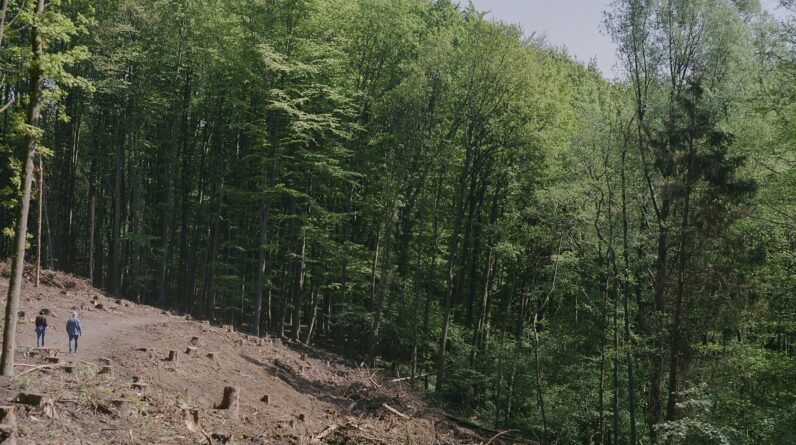
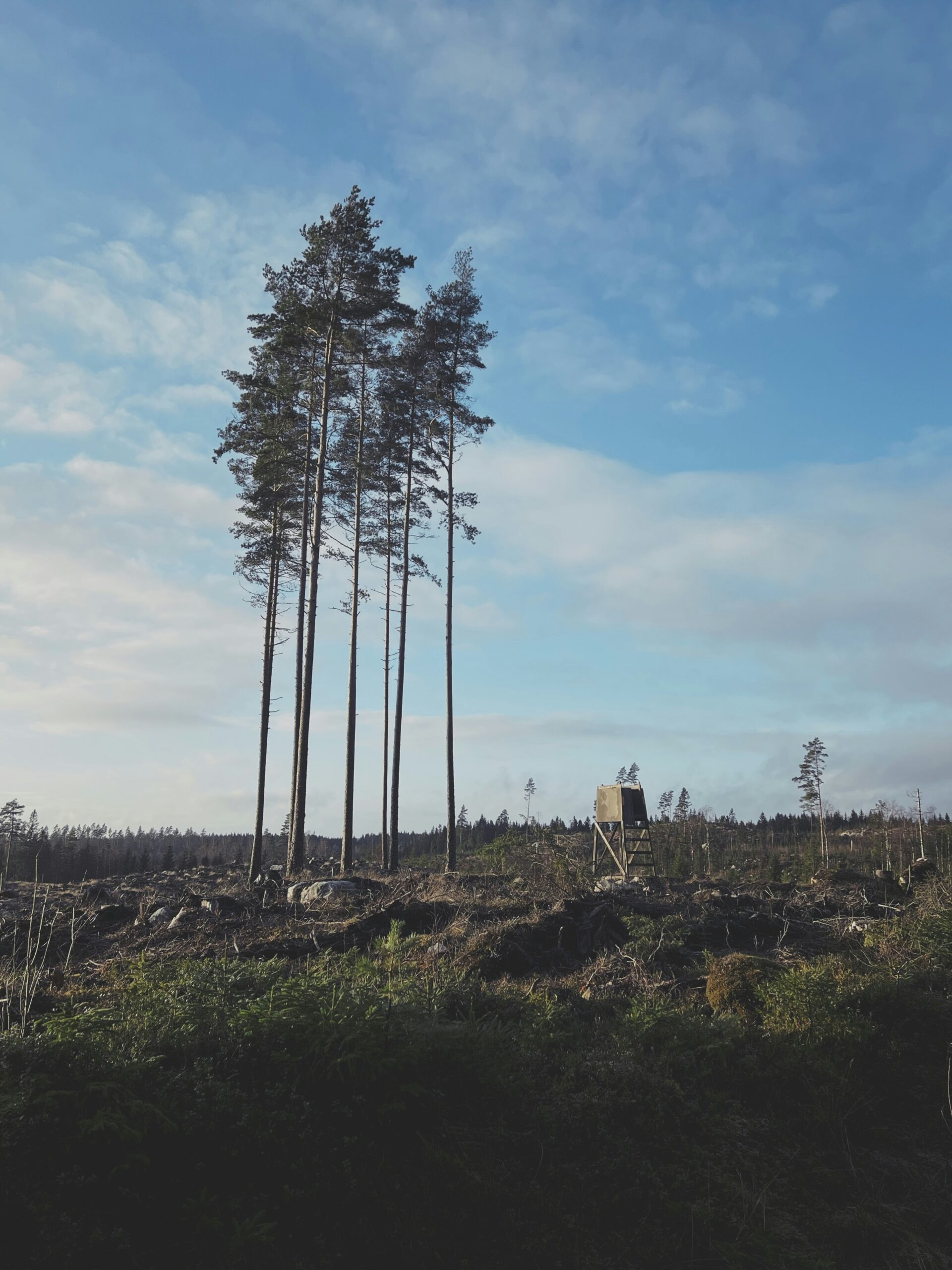
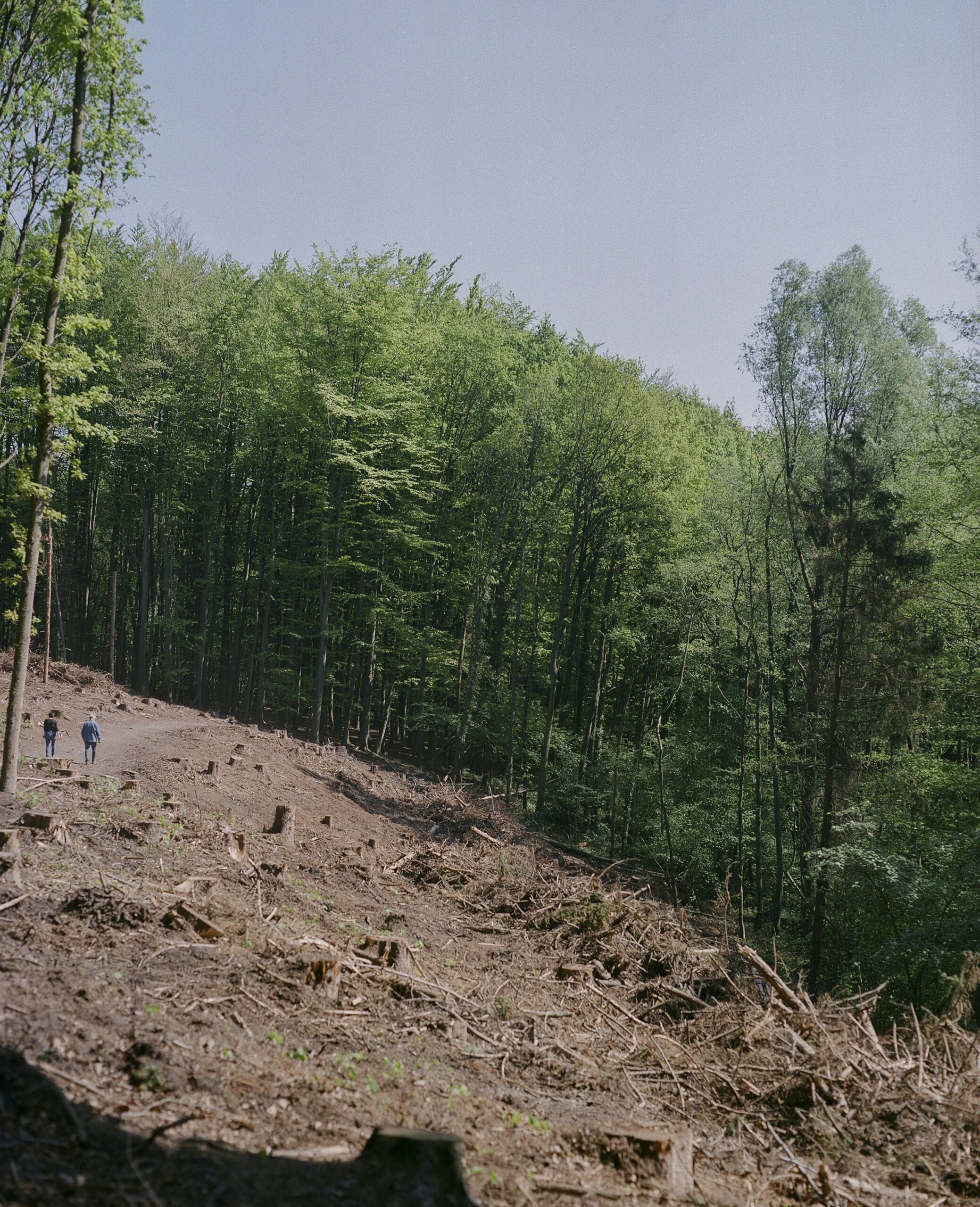
Deforestation refers to the large-scale removal of forests, often to make the land available for other uses such as agriculture, urban development, and industrial activities. Forests cover approximately 30% of the Earth’s land area, but they are disappearing at an alarming rate. This loss of forested areas comes with a multitude of environmental consequences, the most pressing of which is its contribution to global warming.
The Causes of Deforestation
Several factors drive deforestation, and understanding them can help you better comprehend the problem’s complexity:
1. Agricultural Expansion: The demand for arable land for crops and livestock leads to the clearing of forests. Often, this involves slash-and-burn techniques, which contribute to immediate carbon emissions.
2. Urbanization: As cities expand, forests are often cleared to make way for new housing, infrastructure, and businesses.
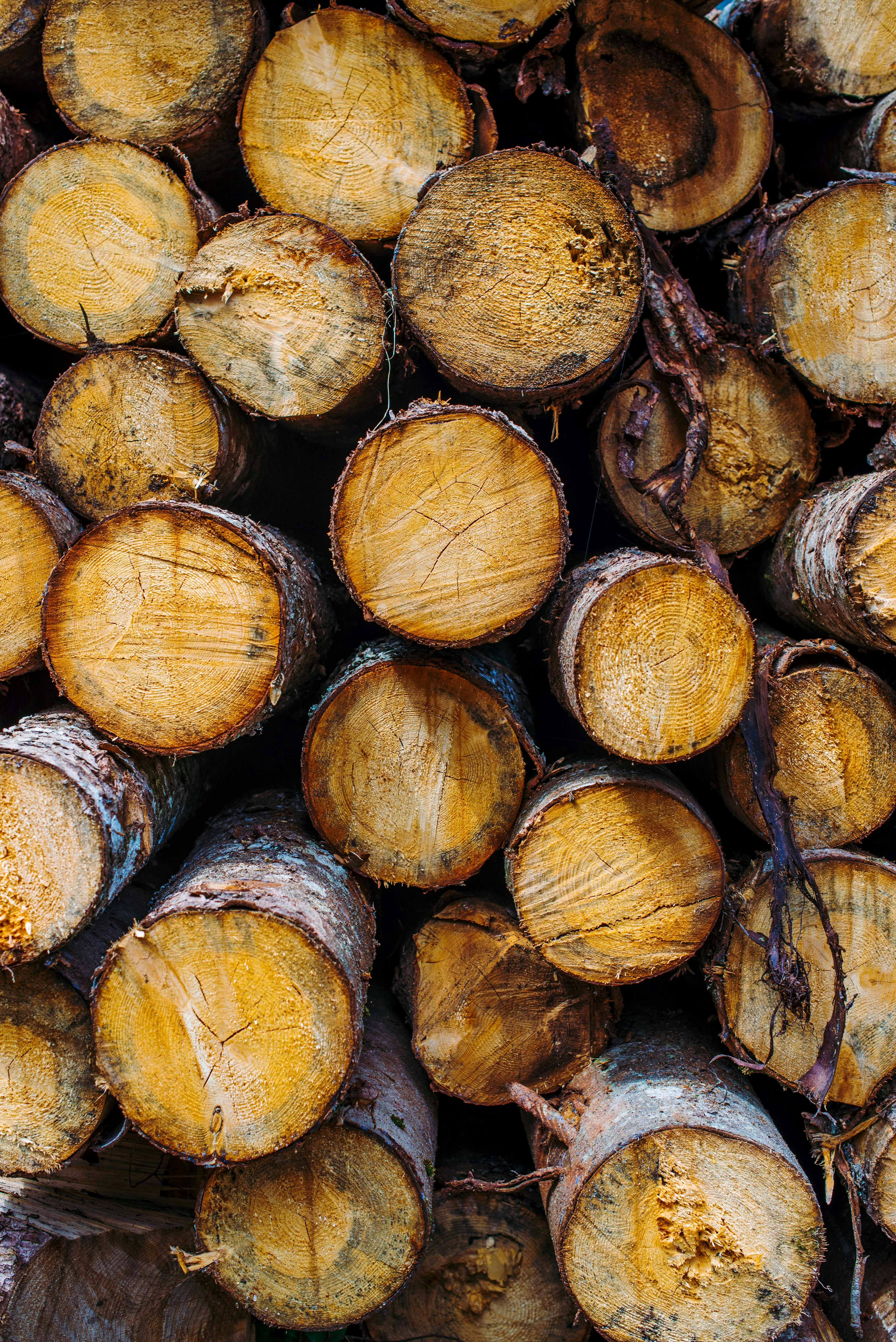
3. Logging: Commercial logging operations are a significant cause of forest loss, driven by the demand for timber and wood products.
4. Mining: Extractive industries, including mining, frequently result in the removal of large tracts of forested land.
| Cause | Description |
|---|---|
| Agricultural Expansion | Forests cleared for crop and livestock farming |
| Urbanization | Forests removed for housing, roads, and urban infrastructure |
| Logging | Forest loss due to timber and wood product demands |
| Mining | Extractive activities leading to deforestation |
Immediate Impacts on the Environment
When forests are cleared, the immediate environmental impacts are severe. Biodiversity loss, soil erosion, and disruption of water cycles are just some of the direct consequences. But perhaps the most insidious effect lies in the disruption of the carbon cycle, leading to increased atmospheric carbon dioxide (CO2)—a potent greenhouse gas.
The Relationship Between Deforestation and Global Warming
Global warming is the gradual increase in the Earth’s average surface temperature due to rising levels of greenhouse gases. Forests play a vital role in regulating the global climate system, and their loss exacerbates global warming in several ways.
Carbon Sequestration and Storage
Forests act as carbon sinks, absorbing and storing carbon dioxide from the atmosphere through the process of photosynthesis. When forests are destroyed, not only is this carbon sequestration capacity lost, but the carbon stored in the trees is also released back into the atmosphere as CO2.
The Role of Tropical Rainforests
Tropical rainforests, such as the Amazon, are especially vital due to their immense capacity to absorb carbon dioxide. The destruction of these rainforests could release billions of tons of CO2 into the atmosphere, significantly amplifying the effects of global warming.
Feedback Loops
Deforestation can create feedback loops that worsen climate change. For instance, increased atmospheric CO2 levels could lead to higher global temperatures, which in turn can exacerbate droughts and increase the frequency of forest fires, causing even more deforestation.
| Impact of Deforestation | Explanation |
|---|---|
| Carbon Sequestration Loss | Reduction in the capacity to absorb atmospheric CO2 |
| CO2 Emissions | Release of stored carbon back into the atmosphere |
| Tropical Rainforest Importance | High carbon absorption capacity due to dense forest vegetation |
| Feedback Loops | Processes that amplify climate change effects, e.g., increased forest fires |
Biodiversity Under Threat
Forests are home to more than half of the world’s plant and animal species. The ongoing loss of forest habitats puts countless species at risk of extinction.
Habitat Loss
Deforestation results in a significant loss of habitat for numerous species. Many animals and plants are specialized to live in forest environments and cannot survive elsewhere.
Fragmentation
Even when forests are not entirely cleared, fragmentation can occur, leading to isolated patches of forest that are unable to support viable populations of certain species.
Extinction
The cumulative effects of habitat loss and fragmentation can lead to species extinctions, which can then have cascading effects on ecosystems and biodiversity. The loss of a single species can disrupt food webs, alter plant pollination networks, and lead to further biodiversity declines.
Societal Impacts of Deforestation
Deforestation does not only affect the environment; it has profound societal impacts as well.
Indigenous Communities
Many indigenous communities around the world depend on forests for their livelihoods, culture, and identity. The destruction of forests can displace these communities and lead to the loss of traditional knowledge and practices.
Climate Change and Human Health
The escalation of global warming due to deforestation can lead to extreme weather events, such as hurricanes, droughts, and heatwaves, which in turn affect human health and well-being. Additionally, changes in climate can impact food security by reducing agricultural yields.
Economic Consequences
While deforestation can provide short-term economic benefits through timber sales and land for agriculture, the long-term economic costs are substantial. Ecosystem services provided by forests, such as water purification, soil stabilization, and carbon storage, have significant economic value, and their loss can be detrimental.
| Societal Impact | Explanation |
|---|---|
| Indigenous Communities | Displacement and loss of traditional knowledge |
| Human Health | Increased extreme weather events and food security issues |
| Economic Consequences | Loss of valuable ecosystem services affecting long-term economic stability |
Mitigation Strategies
Addressing deforestation requires comprehensive and multifaceted strategies at local, national, and global levels.
Sustainable Forest Management
Implementing sustainable forest management practices can help ensure that forests are not overexploited. This includes practices such as:
1. Selective logging: Removing only certain trees, rather than clear-cutting entire areas.
2. Agroforestry: Integrating trees into agricultural systems to maintain both agricultural productivity and forest cover.
3. Certification schemes: Supporting certification systems like the Forest Stewardship Council (FSC) to promote responsible forest management.
Reforestation and Afforestation
These two strategies involve planting trees to restore and expand forested areas. Reforestation focuses on replanting trees in previously forested areas, while afforestation involves creating new forests in areas that were not previously forested.
Legal and Policy Measures
Governments play a critical role in curbing deforestation through legislation and policy enforcement. This can include:
1. Protected areas: Establishing protected areas to conserve biodiverse forest ecosystems.
2. Land-use planning: Implementing land-use policies that balance development needs with forest conservation.
3. Incentive programs: Providing financial incentives for conservation efforts, such as payments for ecosystem services.
Community Involvement
Local communities are often the most directly impacted by deforestation and can be vital in conservation efforts. Supporting community-managed forests and involving local stakeholders in decision-making can lead to more effective and sustainable outcomes.
| Mitigation Strategy | Practices and Measures |
|---|---|
| Sustainable Forest Management | Selective logging, agroforestry, certification schemes |
| Reforestation and Afforestation | Planting trees to restore and expand forested areas |
| Legal and Policy Measures | Establishing protected areas, land-use planning, financial incentives |
| Community Involvement | Supporting community-managed forests and local stakeholder engagement |
The Role of Global Cooperation
Deforestation is a global challenge that requires international cooperation. Organizations like the United Nations (UN) and various non-governmental organizations (NGOs) play crucial roles in facilitating global efforts to combat deforestation.
International Agreements
Several international agreements aim to address deforestation and climate change, such as the Paris Agreement and the United Nations Framework Convention on Climate Change (UNFCCC). These agreements encourage countries to commit to reducing deforestation and promoting sustainable land use.
Financial Mechanisms
International financial mechanisms, such as the Green Climate Fund and REDD+ (Reducing Emissions from Deforestation and Forest Degradation), provide financial support to developing countries in their efforts to reduce deforestation and promote sustainable forest management.
Research and Technology
Advancements in research and technology can support efforts to combat deforestation. Remote sensing technology, for instance, allows for the monitoring of forest cover and the detection of illegal logging activities.
Public Awareness and Education
Raising public awareness about the impacts of deforestation and promoting education on environmental conservation can inspire individuals and communities to take action. Global campaigns and initiatives can galvanize support for forest conservation.
| Global Cooperation Role | Examples and Activities |
|---|---|
| International Agreements | Paris Agreement, UNFCCC |
| Financial Mechanisms | Green Climate Fund, REDD+ |
| Research and Technology | Remote sensing for monitoring forests |
| Public Awareness and Education | Global campaigns and educational initiatives |
Personal Actions to Combat Deforestation
You might be wondering what you can do at an individual level to make a difference in the fight against deforestation and its impact on global warming.
Conscious Consumerism
One of the most powerful tools you have is your purchasing power. By choosing sustainably sourced products, you can help promote responsible forestry practices. Look for certifications like FSC when buying wood products and support brands that prioritize sustainability.
Reduce, Reuse, Recycle
Applying the principles of reducing, reusing, and recycling can significantly cut down on the demand for raw materials, including timber. Opt for recycled paper products, avoid single-use items, and try to reduce overall consumption.
Support Conservation Organizations
Numerous organizations work tirelessly to protect forests and combat deforestation. By supporting these organizations, whether through donations or volunteering, you can contribute to their conservation efforts.
Advocate for Policy Change
Raise your voice and advocate for stronger environmental policies. Contact your local representatives, participate in campaigns, and support legislation that aims to protect forests and address climate change.
Educate Others
Spreading awareness about the impacts of deforestation and the importance of conservation can inspire collective action. Share information with friends and family, participate in community events, and use social media to amplify your message.
| Personal Action | How You Can Make a Difference |
|---|---|
| Conscious Consumerism | Choose sustainably sourced products, support FSC certification |
| Reduce, Reuse, Recycle | Opt for recycled products, avoid single-use items, reduce overall consumption |
| Support Conservation Organizations | Donate or volunteer to support forest protection efforts |
| Advocate for Policy Change | Contact representatives, support environmental legislation, participate in campaigns |
| Educate Others | Raise awareness, share information, use social media to advocate |
Conclusion
Understanding the profound impact of deforestation on global warming is essential for us all. By recognizing its causes, consequences, and mitigation strategies, you can better comprehend the urgent need for action. From global cooperations to personal actions, every effort counts in slowing down deforestation and mitigating its effects on our planet. Each step you take towards sustainability and conservation contributes to the larger goal of protecting Earth’s forests and ensuring a healthier, stable climate for future generations.