Have you ever wondered why deforestation frequently appears in conversations about global warming? Understanding the link between these two can provide valuable insights into the fight against climate change. Let’s explore why deforestation is a critical issue and its profound impact on our planet.
What is Deforestation?
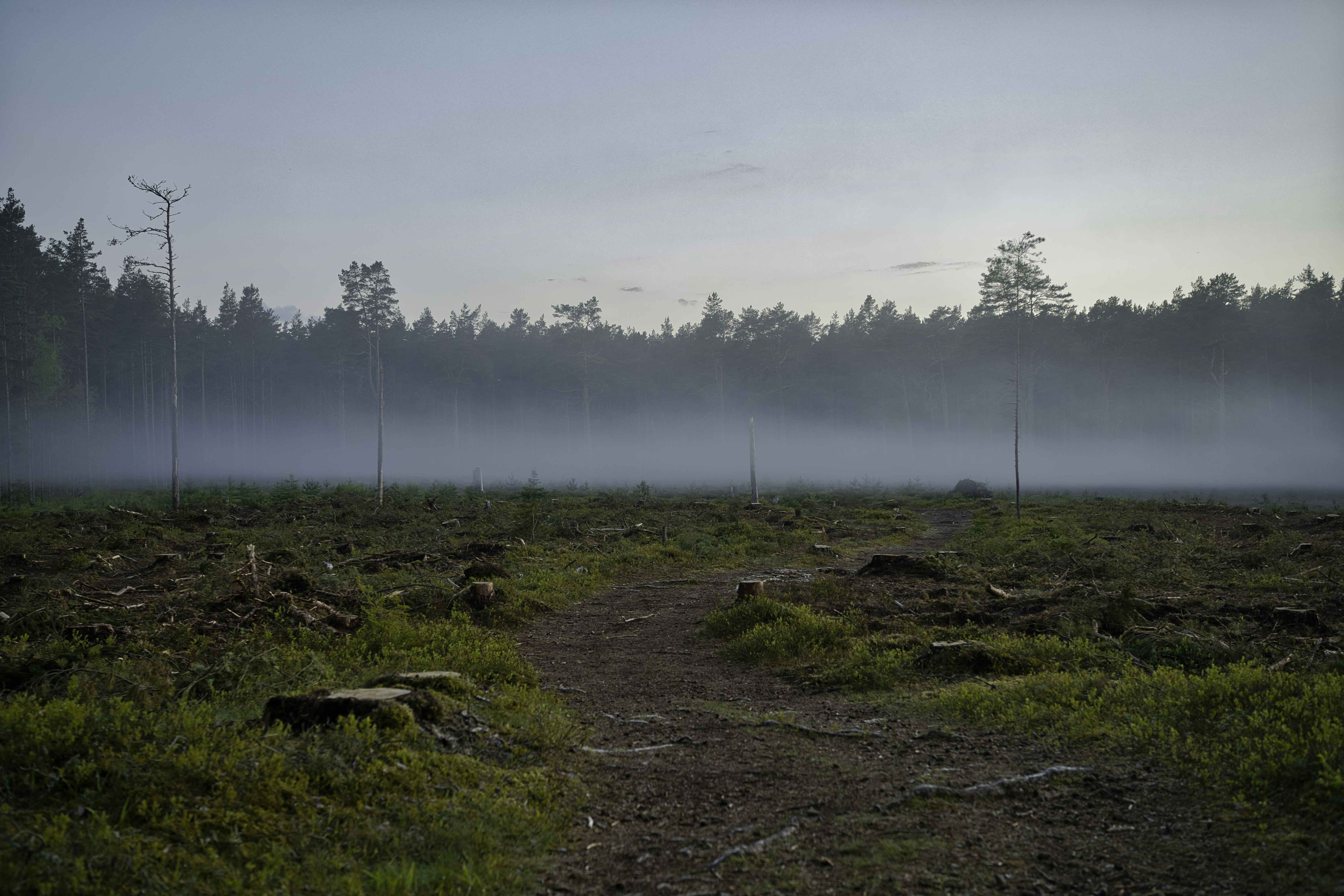
Deforestation refers to the large-scale removal of forests, which can be either natural or human-induced. You see, forests cover about 31% of the world’s land area, but they are being destroyed at an alarming rate. This destruction comes with devastating consequences for both the environment and human life.
Causes of Deforestation
There are several drivers of deforestation that you might find quite interesting. These causes usually fall into one of two categories: direct and indirect causes.
| Category | Causes |
|---|---|
| Direct | Agriculture, Logging, Urbanization, Infrastructure expansion |
| Indirect | Economic pressures, Population growth, Policy and governance issues |
Direct causes like agricultural expansion and logging are straightforward. People clear forests to grow crops or harvest timber. Indirect causes, such as economic pressures and poor governance, create an environment where deforestation is more likely to occur.
Agricultural Expansion
Agricultural activities account for a significant portion of deforestation globally. To meet the world’s growing food demand, forests are converted into agricultural lands. This practice is common in developing countries, where agriculture is a major source of livelihood.
Logging
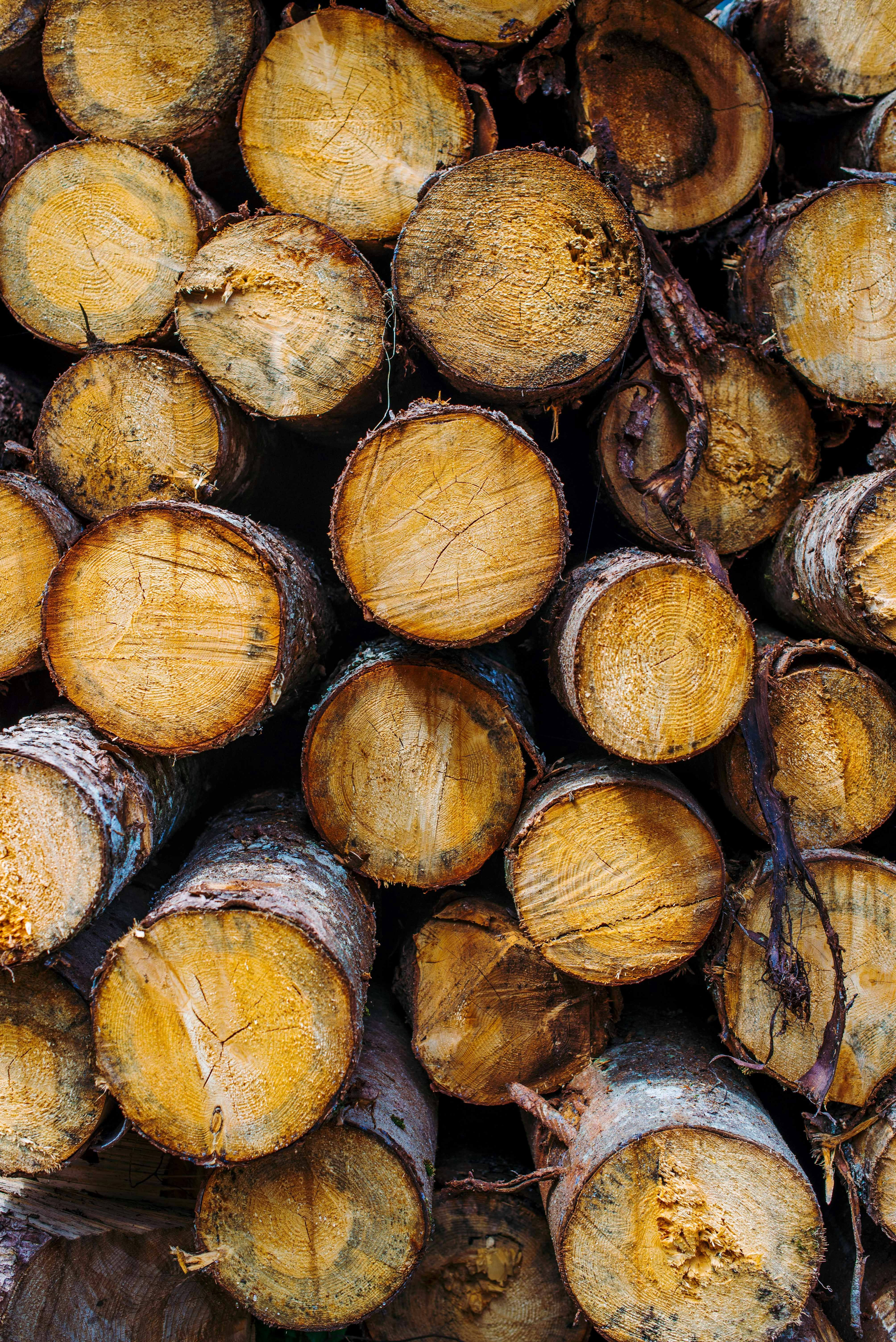
Timber extraction is another significant cause. Logging for furniture, paper, and other wood products leads to extensive tree removal. Illegal logging activities further exacerbate the problem, making forest management even more challenging.
Urbanization and Infrastructure Development
With the rapid growth of human populations, the need for more urban spaces is inevitable. Urbanization leads to the clearing of forests for housing, roads, and other infrastructural developments. Projects like highways, dams, and railroads necessitate forest clearance, contributing significantly to deforestation.
Impact of Deforestation on Global Warming
Now, let’s connect the dots. How does deforestation contribute to global warming? The linkage may seem complex, but it’s actually quite simple.
Carbon Sequestration
Forests act as carbon sinks, meaning they absorb more carbon dioxide (CO2) from the atmosphere than they release. Trees capture CO2 through photosynthesis and store it as biomass. When these trees are cut down or burned, the stored carbon is released back into the atmosphere, increasing CO2 levels.
Greenhouse Gas Emissions
Deforestation contributes to a rise in greenhouse gas (GHG) emissions. According to the Intergovernmental Panel on Climate Change (IPCC), deforestation accounts for approximately 10-15% of global GHG emissions. The release of stored carbon, along with other associated activities like burning fossil fuels for logging machinery, adds to the atmospheric GHG concentration.
Loss of Biodiversity
You should also consider the devastating impact on biodiversity. Forests are home to 80% of terrestrial species. When forests are destroyed, these species lose their habitats, leading to decreased biodiversity. Biodiversity loss further weakens ecosystem resilience, making it harder to mitigate and adapt to climate change.

Socio-Economic Impacts
Beyond environmental concerns, deforestation has numerous socio-economic impacts that are worth noting.
Livelihoods
For many communities, especially indigenous populations, forests are a crucial resource. They provide food, medicine, and jobs. When these forests are destroyed, livelihoods are severely affected, leading to economic instability and poverty.
Health Concerns
Deforestation can also contribute to health problems. It can lead to the spread of diseases by altering the habitats of viruses and bacteria. Additionally, the loss of medicinal plants, with their potential cures, is a considerable setback for global health.
Global Efforts to Combat Deforestation
Given the severe consequences, numerous global efforts aim to address deforestation.
International Agreements
Several international treaties and agreements focus on reducing deforestation. The United Nations Framework Convention on Climate Change (UNFCCC) and the Paris Agreement are notable examples aiming to curb emissions from deforestation and forest degradation.
Sustainable Practices
Sustainable forest management practices are becoming more mainstream. Organizations promote methods like agroforestry, selective logging, and reforestation to ensure that forest use is balanced with conservation.
Economic Incentives
Economic incentives, such as carbon credits, offer financial rewards for conserving forests. Programs like REDD+ (Reducing Emissions from Deforestation and Forest Degradation) aim to financially compensate countries and communities that effectively manage their forest resources.
| Approach | Description |
|---|---|
| International Agreements | Treaties like the Paris Agreement targeting deforestation |
| Sustainable Practices | Methods such as agroforestry and selective logging |
| Economic Incentives | Programs like REDD+ offering financial rewards for conservation |
Practical Steps You Can Take
While global actions are crucial, individual efforts can also make a difference.
Consumer Choices
Your consumer choices have a direct impact on deforestation. Opting for products with certifications like FSC (Forest Stewardship Council) ensures that the wood is sourced responsibly. Also, reducing paper use and recycling can contribute significantly.
Advocacy
Raising awareness about deforestation issues and supporting policies that protect forests can lead to meaningful change. Engaging in community activities and supporting NGOs that fight deforestation are solid ways to contribute.
Lifestyle Changes
Small changes in your lifestyle, such as eating less meat and avoiding products linked to deforestation (like palm oil), can collectively have a positive impact.
The Future Outlook
The future of our forests depends on the actions we take today. While the challenge is immense, there is hope. Technological advancements, better policy frameworks, and increased awareness provide a pathway toward sustainable forest management.
Technological Innovations
Emerging technologies like remote sensing and AI can help in monitoring forests more accurately. These innovations can provide real-time data, enabling quicker and more effective conservation actions.
Policy Changes
Governments worldwide are recognizing the critical importance of forests and are beginning to implement stricter regulations. Policies that promote sustainable land use and penalize illegal logging are crucial steps in the right direction.
Community Engagement
Local communities are increasingly engaging in forest conservation projects. Community-based forest management has shown success in maintaining and even expanding forest cover.
Conclusion
Understanding why deforestation is a hot topic in global warming helps you appreciate the interconnectedness of our ecosystems and the urgent need for concerted action. Protecting forests is not just an environmental issue but a socio-economic and health imperative. Through informed consumer choices, advocacy, and lifestyle changes, each of us can contribute to the global fight against deforestation and climate change. The journey is challenging, but with collective effort, a sustainable future is within reach.