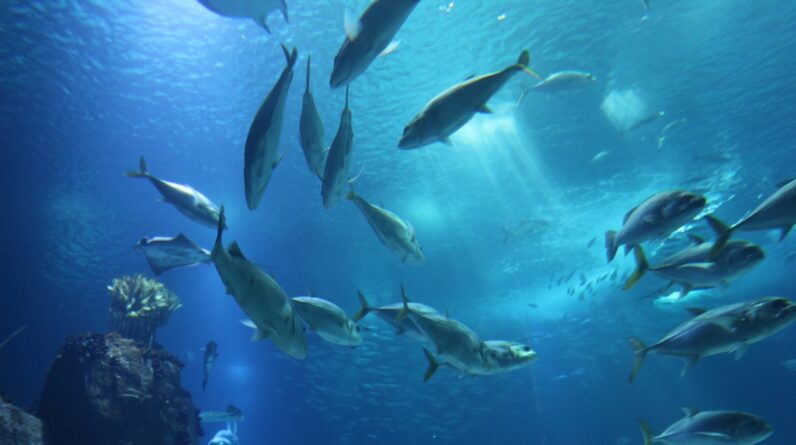
As you delve into the complex world of geoengineering, you may find yourself grappling with the intricate relationship between human intervention and the natural environment. Geoengineering refers to the deliberate manipulation of the Earth’s climate system to counteract the effects of climate change. This ambitious field encompasses a variety of techniques, from solar radiation management to carbon dioxide removal.
One critical aspect of this discussion is ocean oxygen levels, which are vital for sustaining marine life and maintaining the health of our planet’s ecosystems. Understanding how geoengineering can influence these oxygen levels is essential for grasping the broader implications of such interventions. The oceans cover more than 70% of the Earth’s surface and play a crucial role in regulating atmospheric conditions.
They are not only a source of food and livelihood for millions but also act as a significant carbon sink, absorbing a substantial portion of the carbon dioxide emitted by human activities. However, as you explore the potential of geoengineering, it becomes clear that these interventions could have profound effects on ocean chemistry and, consequently, on oxygen levels. The delicate balance of marine ecosystems hangs in the balance, making it imperative to examine both the potential benefits and risks associated with geoengineering efforts aimed at enhancing ocean oxygen.
Key Takeaways
- Geoengineering refers to deliberate large-scale interventions in the Earth’s natural systems to counteract climate change and its impacts.
- Ocean oxygen levels are crucial for marine life and the overall health of the ocean ecosystem.
- Geoengineering activities such as ocean fertilization and artificial upwelling can impact ocean oxygen levels, potentially leading to unintended consequences.
- Potential risks of geoengineering on ocean oxygen include disruption of marine ecosystems, harmful algal blooms, and ocean acidification.
- Ethical and environmental considerations of geoengineering must be carefully evaluated, and alternative solutions to address ocean oxygen depletion should be explored.
The Importance of Ocean Oxygen Levels
As you consider the importance of ocean oxygen levels, it becomes evident that they are fundamental to life in the seas. Marine organisms, from the smallest plankton to the largest whales, rely on dissolved oxygen for survival. This oxygen is produced primarily through photosynthesis by phytoplankton, which thrive in nutrient-rich waters.
When oxygen levels drop, a phenomenon known as hypoxia occurs, leading to dead zones where marine life cannot survive. These dead zones have been increasing in size and number due to factors such as nutrient runoff and climate change, posing a significant threat to biodiversity and fisheries. Moreover, ocean oxygen levels are intricately linked to global climate patterns.
The oceans act as a buffer against climate change by absorbing excess heat and carbon dioxide. However, as you may realize, rising temperatures and increased carbon emissions can disrupt this balance, leading to decreased oxygen solubility in water. This creates a vicious cycle where warming waters exacerbate hypoxia, further endangering marine ecosystems.
Understanding the critical role that ocean oxygen plays in both ecological health and climate stability is essential as you navigate the complexities of geoengineering solutions.
Geoengineering and its Impact on Ocean Oxygen
When you explore geoengineering’s potential impact on ocean oxygen levels, you encounter a range of strategies that could either mitigate or exacerbate existing problems. One prominent approach is ocean fertilization, which involves adding nutrients like iron to stimulate phytoplankton growth. This method aims to enhance photosynthesis and increase oxygen production while simultaneously sequestering carbon dioxide from the atmosphere.
While this may sound promising, the reality is far more complicated. The introduction of nutrients can lead to algal blooms that deplete oxygen levels when they die off, creating hypoxic conditions. Another geoengineering technique involves carbon capture and storage (CCS), which aims to reduce atmospheric CO2 levels by capturing emissions from industrial sources and storing them underground or in the ocean.
While CCS has the potential to lower greenhouse gas concentrations, it also raises concerns about how this process might affect ocean chemistry and oxygen levels. The injection of CO2 into seawater can lead to ocean acidification, which negatively impacts marine life and disrupts the delicate balance of ecosystems. As you consider these geoengineering strategies, it becomes clear that their effects on ocean oxygen are multifaceted and require careful evaluation.
Potential Risks and Consequences of Geoengineering on Ocean Oxygen
As you delve deeper into the potential risks associated with geoengineering interventions aimed at ocean oxygen levels, it becomes apparent that unintended consequences could arise from even well-intentioned actions. One significant concern is the alteration of marine ecosystems. For instance, while promoting phytoplankton growth through fertilization may seem beneficial, it could inadvertently favor certain species over others, leading to shifts in biodiversity that disrupt food webs and ecological balance.
Additionally, geoengineering techniques may not be universally applicable or effective across different regions. The ocean is a vast and complex system with varying conditions that influence how interventions will play out. What works in one area may have detrimental effects elsewhere.
For example, localized nutrient enrichment could lead to harmful algal blooms that produce toxins harmful to marine life and human health. As you reflect on these potential risks, it becomes clear that a one-size-fits-all approach to geoengineering is unlikely to succeed in preserving ocean oxygen levels.
Ethical and Environmental Considerations of Geoengineering
As you navigate the ethical landscape surrounding geoengineering, you may find yourself grappling with questions about responsibility and accountability. Who should decide which geoengineering methods are implemented? What criteria should guide these decisions?
The potential for unintended consequences raises ethical dilemmas about whether humanity has the right to manipulate natural systems at such a scale. You might ponder whether it is justifiable to prioritize short-term climate mitigation over long-term ecological stability. Moreover, environmental justice comes into play when considering how geoengineering interventions may disproportionately affect vulnerable communities.
Those who rely on healthy oceans for their livelihoods may bear the brunt of negative consequences resulting from geoengineering efforts that they had no part in deciding. As you reflect on these ethical considerations, it becomes clear that any discussion about geoengineering must include diverse perspectives and prioritize equitable outcomes for all stakeholders involved.
Alternative Solutions to Address Ocean Oxygen Depletion

Improving Land Management Practices
One such approach is improving land management practices to reduce nutrient runoff into oceans. By implementing sustainable agricultural practices, such as cover cropping and reduced fertilizer use, you can help minimize nutrient loading in waterways that contribute to hypoxia.
Restoration Efforts for Ocean Health
Restoration efforts also play a crucial role in enhancing ocean health. Initiatives aimed at restoring coastal ecosystems like mangroves, seagrasses, and salt marshes can improve water quality and increase oxygen production while providing critical habitat for marine life. These natural solutions not only address oxygen depletion but also enhance resilience against climate change impacts.
A Holistic Approach to Ocean Health
As you consider these alternatives, it becomes evident that fostering healthy ecosystems may offer a more holistic approach to maintaining ocean oxygen levels without the risks associated with geoengineering.
The Role of International Regulations and Governance in Geoengineering
As you contemplate the future of geoengineering and its impact on ocean oxygen levels, international regulations and governance become paramount. The global nature of climate change necessitates collaborative efforts among nations to establish frameworks that guide geoengineering research and implementation. Treaties such as the United Nations Framework Convention on Climate Change (UNFCCC) provide platforms for dialogue but often lack specific guidelines for geoengineering practices.
You may find it essential for countries to engage in transparent discussions about their intentions regarding geoengineering interventions. Establishing protocols for monitoring and assessing the impacts of these techniques on ocean ecosystems will be crucial in ensuring accountability and minimizing risks. Furthermore, fostering international cooperation can help share knowledge and resources while addressing ethical concerns related to equity and justice in decision-making processes.
Balancing the Benefits and Risks of Geoengineering for Ocean Oxygen
In conclusion, as you reflect on the intricate relationship between geoengineering and ocean oxygen levels, it becomes clear that this field presents both opportunities and challenges. While geoengineering holds promise for mitigating some effects of climate change, its potential impact on ocean ecosystems cannot be overlooked. The delicate balance between enhancing oxygen production and risking ecological disruption requires careful consideration.
Ultimately, finding solutions to address ocean oxygen depletion will necessitate a multifaceted approach that includes both innovative technologies and sustainable practices. By prioritizing ethical considerations and fostering international collaboration, you can contribute to a future where both human needs and environmental health are harmoniously balanced. As you engage with these complex issues, remember that your actions today can shape the trajectory of our oceans for generations to come.
In a related article discussing the potential solutions to global warming, How Can Trees Save the Earth from Global Warming?, the focus is on the crucial role that trees play in combating climate change. By planting more trees, we can help absorb carbon dioxide from the atmosphere and reduce the effects of global warming. This article highlights the importance of reforestation efforts and the positive impact it can have on our planet’s ecosystems. Just like geoengineering and ocean oxygenation, tree planting is a potential solution to the environmental challenges we face today.
FAQs
What is geoengineering?
Geoengineering refers to deliberate large-scale interventions in the Earth’s natural systems to counteract climate change. These interventions can include techniques to remove carbon dioxide from the atmosphere or to reflect sunlight away from the Earth’s surface.
What is ocean oxygen depletion?
Ocean oxygen depletion, also known as ocean deoxygenation, refers to the decline in the concentration of oxygen in the Earth’s oceans. This can have detrimental effects on marine life and ecosystems.
What are the potential impacts of geoengineering on ocean oxygen levels?
Some proposed geoengineering techniques, such as ocean fertilization or solar radiation management, could potentially impact ocean oxygen levels. For example, ocean fertilization could lead to increased algal blooms, which can consume oxygen as they decompose, leading to oxygen depletion in the water.
Why is ocean oxygen depletion a concern?
Ocean oxygen depletion can have serious consequences for marine life, including fish and other marine organisms. It can also lead to the expansion of oxygen-depleted “dead zones” in the ocean, where marine life cannot survive.
What are some potential risks and uncertainties associated with geoengineering and ocean oxygen levels?
There are significant uncertainties and potential risks associated with geoengineering and its potential impacts on ocean oxygen levels. These include unintended consequences for marine ecosystems, as well as the potential for geopolitical and ethical concerns surrounding the deployment of large-scale geoengineering interventions.