


As you navigate through the complexities of modern life, it becomes increasingly clear that climate breakdown is not a distant threat; it is an urgent reality that demands your attention. The signs are all around you—rising temperatures, erratic weather patterns, and unprecedented natural disasters. These phenomena are not mere anomalies; they are indicators of a planet in distress.
The urgency of the situation cannot be overstated. Scientists and environmentalists alike have been sounding the alarm for years, urging you to recognize that the time for complacency has long passed. The window for meaningful action is closing rapidly, and every moment counts.
You may find it easy to dismiss climate breakdown as a problem for future generations, but this perspective is dangerously misleading. The consequences of inaction are already being felt today, affecting communities and ecosystems worldwide. As you witness the increasing frequency of wildfires, hurricanes, and floods, it becomes evident that climate breakdown is not just an environmental issue; it is a pressing humanitarian crisis.
The urgency to act is not just about preserving the planet for future inhabitants; it is about safeguarding your own well-being and that of your loved ones. The time to engage with this issue is now, as the stakes have never been higher.
Key Takeaways
- Climate breakdown is an urgent issue that requires immediate attention and action.
- The devastating impacts of climate change are already being felt around the world, affecting communities and ecosystems.
- The term ‘change’ is inadequate to describe the severity and urgency of the situation, as it downplays the severity of the crisis.
- Immediate action is needed to address climate breakdown and mitigate its impacts on the planet and its inhabitants.
- Human activity plays a significant role in driving climate breakdown, and it is crucial for individuals and communities to take responsibility for their actions and work towards solutions.
The Devastating Impacts of Climate Change
The impacts of climate change are far-reaching and devastating, affecting every aspect of life on Earth. As you consider the implications, think about how rising sea levels threaten coastal communities, displacing millions and erasing entire cultures. The loss of biodiversity is another alarming consequence; species extinction rates are accelerating at an unprecedented pace, disrupting ecosystems that have existed for millennia.
You may feel a sense of helplessness when confronted with these realities, but understanding the full scope of climate change’s impacts can empower you to take action. Moreover, the health implications of climate change are profound. As temperatures rise, so do the risks of heat-related illnesses and respiratory issues exacerbated by poor air quality.
You may also notice how food security is increasingly jeopardized by shifting agricultural zones and extreme weather events that disrupt crop production. The interconnectedness of these issues highlights that climate change is not an isolated phenomenon; it is a multifaceted crisis that affects your health, safety, and livelihood. Recognizing these impacts can serve as a catalyst for change, motivating you to advocate for solutions that address both environmental and social challenges.
The Inadequacy of the Term ‘Change’
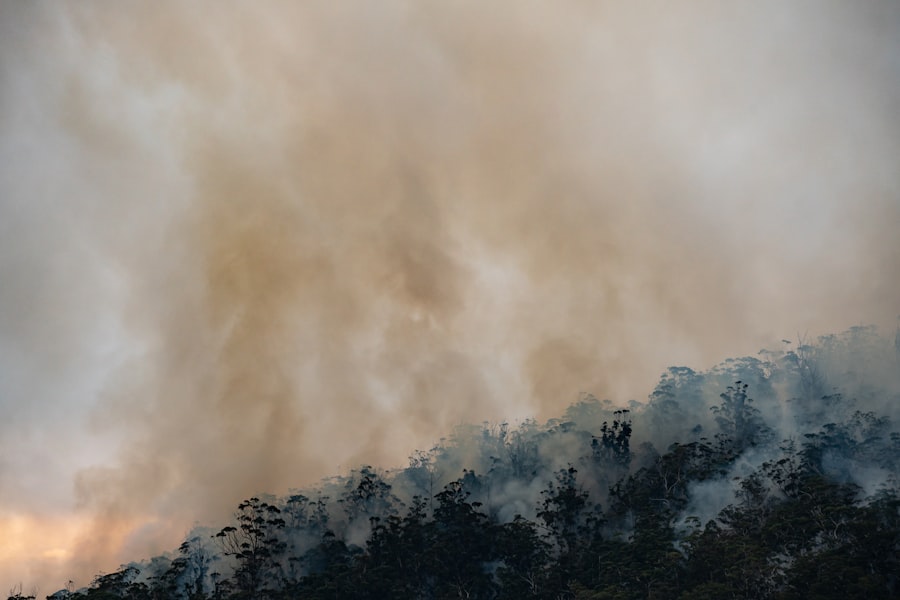
The term ‘change’ often implies a gradual process, something that unfolds over time. However, when it comes to climate breakdown, this terminology is woefully inadequate. You may find it more appropriate to describe what is happening as a crisis or catastrophe.
The rapidity with which ecosystems are deteriorating and weather patterns are shifting defies the notion of gradual change. This urgency calls for a reevaluation of how you perceive and discuss climate issues. By framing it as a crisis, you can better grasp the immediate need for action and the severity of the consequences if left unaddressed.
Furthermore, the language surrounding climate breakdown often downplays the severity of the situation. Phrases like “climate change” can create a false sense of normalcy, leading you to believe that adaptation is sufficient. In reality, adaptation alone will not suffice; mitigation efforts must be prioritized to prevent further damage.
By acknowledging the inadequacy of the term ‘change,’ you can foster a more accurate understanding of the challenges ahead and inspire others to recognize the urgency of the situation. This shift in perspective can galvanize collective action and drive home the message that we are in a race against time.
The Need for Immediate Action
Immediate action is not just necessary; it is imperative if we hope to avert the worst consequences of climate breakdown. You may feel overwhelmed by the enormity of the task ahead, but every small step counts. Whether it’s reducing your carbon footprint, advocating for policy changes, or supporting sustainable practices in your community, your actions can contribute to a larger movement toward sustainability.
The longer you wait to act, the more difficult it will become to reverse the damage already done. In addition to individual efforts, systemic changes are crucial for addressing climate breakdown effectively. You must advocate for policies that prioritize renewable energy sources, promote sustainable agriculture, and protect natural habitats.
Engaging with local leaders and participating in community initiatives can amplify your voice and influence decision-makers. The urgency of this moment calls for collective action; by joining forces with others who share your concerns, you can create a powerful movement that demands accountability from those in power. Remember, every action taken today can lead to significant changes tomorrow.
The Role of Human Activity in Climate Breakdown
Human activity is at the core of climate breakdown, and recognizing this fact is essential for understanding how to address the crisis effectively. You may be aware that industrialization, deforestation, and fossil fuel consumption have significantly contributed to greenhouse gas emissions. However, it’s crucial to delve deeper into how these activities impact not only the environment but also social structures and economies worldwide.
By examining your own lifestyle choices and their broader implications, you can begin to see how individual actions contribute to systemic issues. Moreover, acknowledging the role of human activity in climate breakdown compels you to consider alternative ways of living and working. Sustainable practices such as reducing waste, conserving energy, and supporting local economies can mitigate some of the damage caused by previous generations.
You have the power to influence change through your choices—whether it’s opting for public transportation over driving or supporting businesses committed to sustainability. By making conscious decisions in your daily life, you can contribute to a collective effort aimed at reversing the trends that have led us to this critical juncture.
The Global Consequences of Inaction

The consequences of inaction on climate breakdown extend far beyond national borders; they are global in scope and affect everyone on this planet. As you reflect on this reality, consider how rising temperatures lead to resource scarcity, triggering conflicts over water and food supplies in vulnerable regions. These conflicts often result in mass migrations as people flee their homes in search of safety and stability.
You may find it unsettling to think about how your choices today could contribute to such widespread suffering tomorrow. Additionally, inaction on climate breakdown exacerbates existing inequalities both within and between nations. Developing countries often bear the brunt of climate impacts despite contributing the least to greenhouse gas emissions.
As you contemplate these disparities, it becomes clear that addressing climate breakdown is not just an environmental issue; it is also a matter of global justice. By advocating for equitable solutions that prioritize those most affected by climate change, you can help create a more just world where everyone has access to resources necessary for survival.
The Intersection of Climate Breakdown and Social Justice
The intersection of climate breakdown and social justice is a critical area that requires your attention and action. As you explore this connection, consider how marginalized communities often face disproportionate impacts from environmental degradation due to systemic inequalities. These communities frequently lack access to resources needed for adaptation or recovery from climate-related disasters.
By understanding this intersectionality, you can better appreciate why addressing climate breakdown must include social justice as a core component. Moreover, engaging with social justice issues can enrich your understanding of climate solutions. You may find that grassroots movements led by marginalized groups often propose innovative approaches to sustainability that prioritize community needs and resilience.
By amplifying these voices and supporting their initiatives, you contribute not only to environmental sustainability but also to social equity. Recognizing that climate breakdown disproportionately affects those who are already vulnerable can motivate you to advocate for policies that promote inclusivity and justice in climate action.
The Importance of Individual and Collective Responsibility
As you reflect on your role in addressing climate breakdown, it’s essential to recognize both individual and collective responsibility. While personal actions—such as reducing waste or conserving energy—are important steps toward sustainability, they must be complemented by broader systemic changes driven by collective action. You have a unique opportunity to influence others through your choices and advocacy efforts while also holding institutions accountable for their role in perpetuating environmental harm.
Collective responsibility means coming together with others who share your concerns about climate breakdown. Whether through community organizations, advocacy groups, or social media platforms, you can amplify your voice and inspire others to take action as well. By fostering a sense of shared responsibility among friends, family, and colleagues, you create a culture of accountability that encourages everyone to contribute toward meaningful solutions.
Remember that while individual actions matter, it is through collective efforts that we can truly make a difference in combating climate breakdown and securing a sustainable future for all.