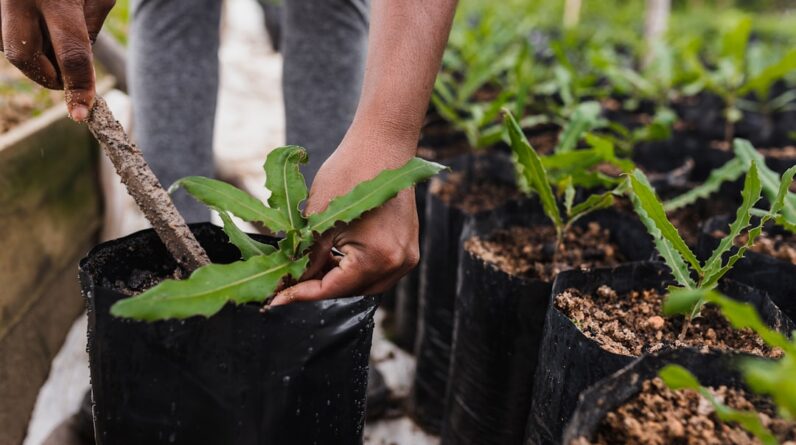
As you delve into the pressing issue of climate change, you may find that carbon sequestration emerges as a pivotal strategy in mitigating its effects. This natural process involves capturing and storing atmospheric carbon dioxide (CO2), a greenhouse gas that significantly contributes to global warming. By sequestering carbon, you can help reduce the concentration of CO2 in the atmosphere, thereby slowing down the rate of climate change.
The urgency of this task cannot be overstated, as rising temperatures, extreme weather events, and shifting ecosystems threaten not only the environment but also human livelihoods. You might be surprised to learn that carbon sequestration occurs through various natural processes, including photosynthesis in plants, soil absorption, and oceanic uptake. Trees, in particular, play a crucial role in this process.
As they grow, they absorb CO2 from the atmosphere and store it in their biomass—trunks, branches, leaves, and roots. This natural ability to sequester carbon makes forests essential allies in the fight against climate change. By understanding and promoting carbon sequestration, you can contribute to a more sustainable future for the planet.
Key Takeaways
- Carbon sequestration plays a crucial role in combating climate change by capturing and storing carbon dioxide from the atmosphere.
- Reforestation projects offer numerous benefits for carbon sequestration, including restoring degraded land and providing habitat for wildlife.
- Trees capture and store carbon through the process of photosynthesis, making them essential for carbon sequestration efforts.
- Choosing the right tree species is important for maximizing carbon sequestration, as different species have varying capacities for carbon storage.
- Reforestation projects not only help combat climate change but also have positive impacts on biodiversity, ecosystem health, and local communities.
The Benefits of Reforestation Projects for Carbon Sequestration
When you consider reforestation projects, you may envision vast expanses of trees being planted in deforested areas. However, the benefits of these initiatives extend far beyond mere aesthetics. Reforestation is a powerful tool for carbon sequestration, as it not only captures CO2 but also restores ecosystems that have been degraded over time.
By planting trees in areas where forests have been lost, you can help create a more balanced environment that supports both wildlife and human communities. Moreover, reforestation projects can lead to significant economic benefits. As trees grow and sequester carbon, they can also provide timber, non-timber forest products, and recreational opportunities.
These resources can generate income for local communities while promoting sustainable land use practices. You may find it encouraging to know that reforestation can create jobs in tree planting, maintenance, and forest management, contributing to local economies while simultaneously addressing climate change.
Understanding the Process of Carbon Sequestration in Trees
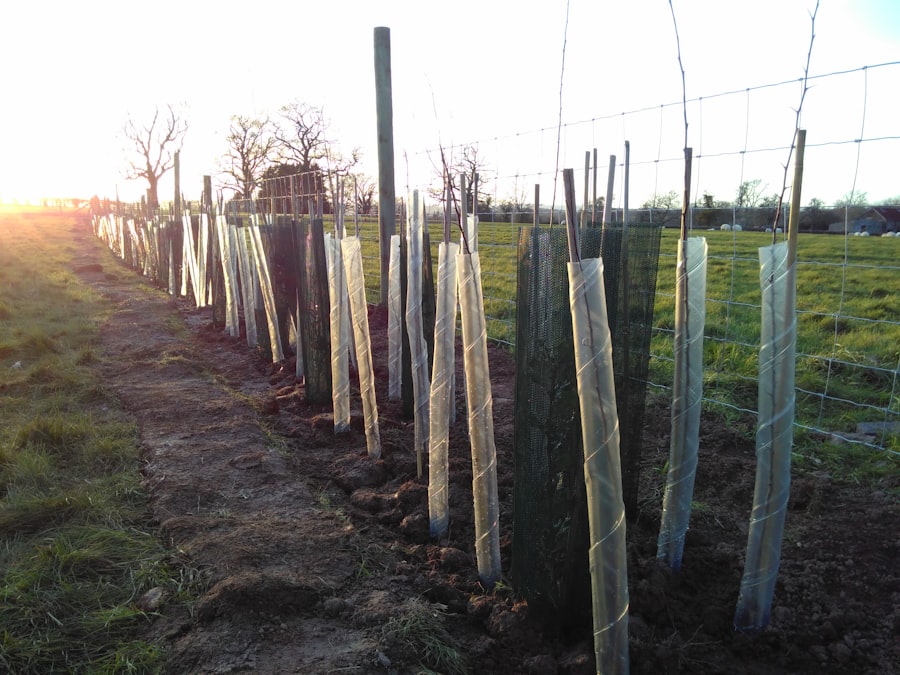
To fully appreciate the role of trees in carbon sequestration, it’s essential to understand how this process works. When you breathe in, your body takes in oxygen and releases CO2; trees do the opposite. Through photosynthesis, trees absorb CO2 from the atmosphere and convert it into glucose and oxygen.
The glucose serves as energy for growth, while the oxygen is released back into the air. This fundamental process is what allows trees to act as carbon sinks. As you explore further, you’ll discover that carbon is stored not only in the tree’s trunk but also in its roots and surrounding soil.
When trees die or shed leaves, they contribute organic matter to the soil, which can continue to store carbon for years. This means that healthy forests can sequester significant amounts of carbon over time. By understanding this intricate process, you can appreciate the importance of maintaining healthy forests and supporting reforestation efforts.
The Importance of Choosing the Right Tree Species for Carbon Sequestration
As you consider participating in reforestation projects or advocating for them, one critical aspect to keep in mind is the selection of tree species. Not all trees are equally effective at sequestering carbon; some species grow faster and store more carbon than others. For instance, fast-growing species like poplar and eucalyptus can sequester significant amounts of CO2 in a relatively short period.
Conversely, slower-growing species may take decades to reach their full carbon storage potential. Additionally, you should consider the ecological context when selecting tree species for reforestation. Native species are often more resilient and better adapted to local conditions than non-native ones.
By choosing native trees, you can help restore local ecosystems and support biodiversity while maximizing carbon sequestration potential. This thoughtful approach ensures that your reforestation efforts contribute positively to both climate change mitigation and ecosystem health.
The Impact of Reforestation Projects on Biodiversity and Ecosystem Health
When you engage with reforestation projects, you may be surprised by their profound impact on biodiversity and ecosystem health. Planting trees not only helps sequester carbon but also creates habitats for countless species of flora and fauna. As forests regenerate, they provide shelter and food for wildlife, promoting a diverse range of organisms that contribute to a balanced ecosystem.
Moreover, healthy forests play a vital role in maintaining ecosystem services such as water filtration, soil stabilization, and air purification. By participating in or supporting reforestation initiatives, you are not only addressing climate change but also fostering healthier ecosystems that benefit both wildlife and human populations. The interconnectedness of these systems highlights the importance of viewing reforestation as a holistic solution rather than a singular focus on carbon capture.
The Economic and Social Benefits of Carbon Sequestration in Reforestation Projects
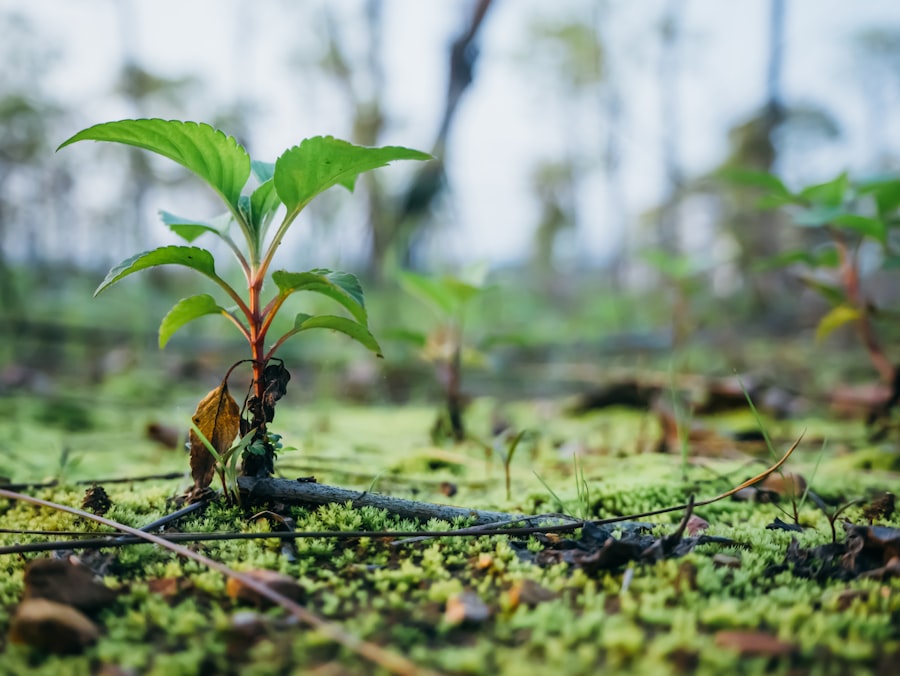
As you explore the multifaceted benefits of reforestation projects, it becomes clear that their economic and social impacts are significant. Beyond their environmental advantages, these initiatives can stimulate local economies by creating jobs in tree planting, forest management, and ecotourism. You may find it inspiring to know that communities engaged in reforestation often experience increased income opportunities through sustainable practices that align with environmental stewardship.
Socially, reforestation projects can foster community engagement and collaboration. When individuals come together to plant trees or restore degraded lands, they build connections with one another and develop a shared sense of purpose. This collective action can strengthen community bonds and promote environmental awareness among participants.
By supporting or participating in these projects, you contribute not only to climate change mitigation but also to social cohesion and community resilience.
The Role of Government Policies and Incentives in Promoting Carbon Sequestration
As you consider the broader landscape of carbon sequestration efforts, it’s essential to recognize the role of government policies and incentives in promoting reforestation projects. Effective policies can create frameworks that encourage landowners and businesses to invest in sustainable practices that enhance carbon sequestration. For instance, governments may offer tax incentives or grants for reforestation initiatives, making it more financially viable for individuals and organizations to participate.
Furthermore, international agreements such as the Paris Agreement emphasize the importance of reducing greenhouse gas emissions through various strategies, including reforestation. By advocating for strong policies that support carbon sequestration efforts at local, national, and global levels, you can help create an environment where reforestation projects thrive. Your voice can contribute to shaping policies that prioritize sustainability and climate action.
The Future of Carbon Sequestration in Reforestation Projects
Looking ahead, the future of carbon sequestration through reforestation projects appears promising yet challenging. As awareness of climate change grows, so does interest in sustainable land management practices that include reforestation as a key strategy. You may find it encouraging that advancements in technology are enabling more efficient monitoring of forest health and carbon storage potential.
Remote sensing tools and data analytics can provide valuable insights into the effectiveness of reforestation efforts. However, challenges remain—such as land-use conflicts, funding limitations, and the need for ongoing maintenance of newly planted forests. To ensure the success of future reforestation projects, it’s crucial for individuals like you to remain engaged and informed about best practices and emerging trends in carbon sequestration.
By advocating for sustainable policies and supporting local initiatives, you can play an active role in shaping a future where reforestation is recognized as a vital component of climate change mitigation strategies. In conclusion, your involvement in understanding and promoting carbon sequestration through reforestation projects can have far-reaching effects on both the environment and society at large. By recognizing the interconnectedness of these issues—climate change mitigation, biodiversity conservation, economic development—you can contribute to a more sustainable future for generations to come.
In addition to understanding the importance of carbon sequestration in reforestation projects, it is also crucial to consider the potential disadvantages of planting trees for climate change. This related article from Live Life with a Cause. Additionally, learn about how massive tree planting can help prevent floods in another informative article from the same website: Preventing Floods by Massive Tree Planting.
FAQs
What is carbon sequestration?
Carbon sequestration is the process of capturing and storing carbon dioxide from the atmosphere to mitigate global warming and climate change. This can be done through natural processes such as photosynthesis in plants, or through technological methods like carbon capture and storage.
What is reforestation?
Reforestation is the process of planting trees in areas where forests have been depleted or destroyed. This can help restore ecosystems, improve biodiversity, and provide numerous environmental benefits.
How does reforestation contribute to carbon sequestration?
Reforestation plays a crucial role in carbon sequestration by allowing trees to absorb carbon dioxide from the atmosphere during photosynthesis. The carbon is then stored in the trees, soil, and other organic matter, helping to reduce the overall concentration of greenhouse gases in the atmosphere.
Why is carbon sequestration important in reforestation projects?
Carbon sequestration in reforestation projects is important because it helps to offset carbon emissions and mitigate climate change. By restoring forests and increasing the amount of carbon stored in vegetation and soil, reforestation projects can contribute to global efforts to reduce greenhouse gas concentrations and limit the impacts of climate change.
What are some examples of successful carbon sequestration in reforestation projects?
There are numerous successful reforestation projects around the world that have effectively sequestered carbon. For example, the Bonn Challenge aims to restore 350 million hectares of degraded and deforested land by 2030, which could sequester up to 1.7 gigatons of carbon dioxide per year. Additionally, the Trillion Trees Initiative seeks to plant one trillion trees globally to capture and store carbon.