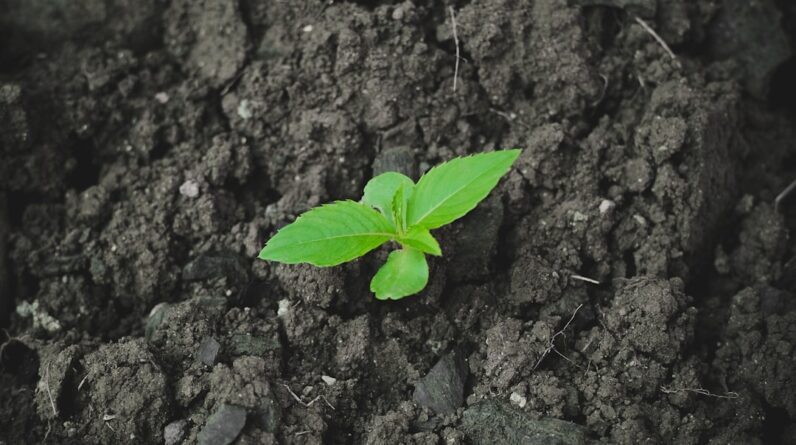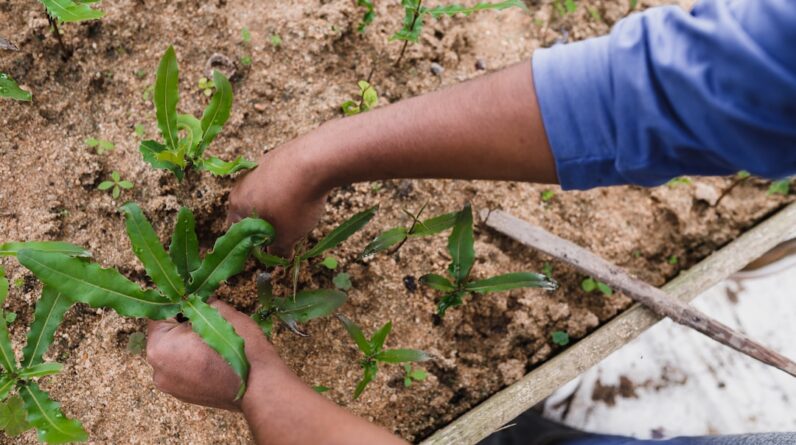
As you navigate the complexities of climate change, you may find yourself increasingly aware of the urgent need for effective solutions. One such solution is reforestation, a process that involves planting trees in areas where forests have been depleted. This practice not only helps restore ecosystems but also plays a crucial role in climate adaptation strategies.
By reintroducing trees into landscapes, you can contribute to a healthier planet, mitigate the impacts of climate change, and foster resilience in both natural and human systems. Reforestation is more than just planting trees; it is a multifaceted approach that encompasses ecological restoration, community engagement, and sustainable land management. As you delve deeper into this topic, you will discover how reforestation can serve as a powerful tool for combating climate change while simultaneously addressing various environmental challenges.
The interconnectedness of ecosystems means that the benefits of reforestation extend far beyond carbon capture, influencing biodiversity, water resources, soil health, and community well-being. Understanding these relationships is essential for anyone looking to make a meaningful impact in the fight against climate change.
Key Takeaways
- Reforestation plays a crucial role in climate adaptation by restoring and enhancing natural ecosystems to mitigate the impacts of climate change.
- Reforestation is a key strategy for carbon sequestration, as trees absorb and store carbon dioxide from the atmosphere, helping to reduce greenhouse gas emissions.
- Reforestation supports biodiversity conservation by providing habitat for a wide range of plant and animal species, contributing to ecosystem health and resilience.
- Trees and forests play a vital role in regulating water cycles, helping to prevent soil erosion, reduce flooding, and maintain water quality.
- Reforestation can enhance soil conservation by reducing erosion, improving soil fertility, and promoting sustainable land management practices, contributing to overall ecosystem health and resilience.
The Role of Reforestation in Carbon Sequestration
When you think about climate change, carbon dioxide emissions likely come to mind as a primary culprit. Trees play a vital role in mitigating these emissions through the process of carbon sequestration. As trees grow, they absorb carbon dioxide from the atmosphere and store it in their biomass—trunks, branches, leaves, and roots.
This natural process makes reforestation an effective strategy for reducing greenhouse gas concentrations and combating global warming. By participating in reforestation efforts, you can help enhance the planet’s capacity to sequester carbon. Forests act as carbon sinks, meaning they absorb more carbon than they release.
This is particularly important as you consider the increasing levels of atmospheric CO2 due to human activities such as fossil fuel combustion and deforestation. The more trees you plant, the greater the potential for carbon storage, which can significantly contribute to climate adaptation strategies aimed at stabilizing global temperatures.
Reforestation and Biodiversity Conservation
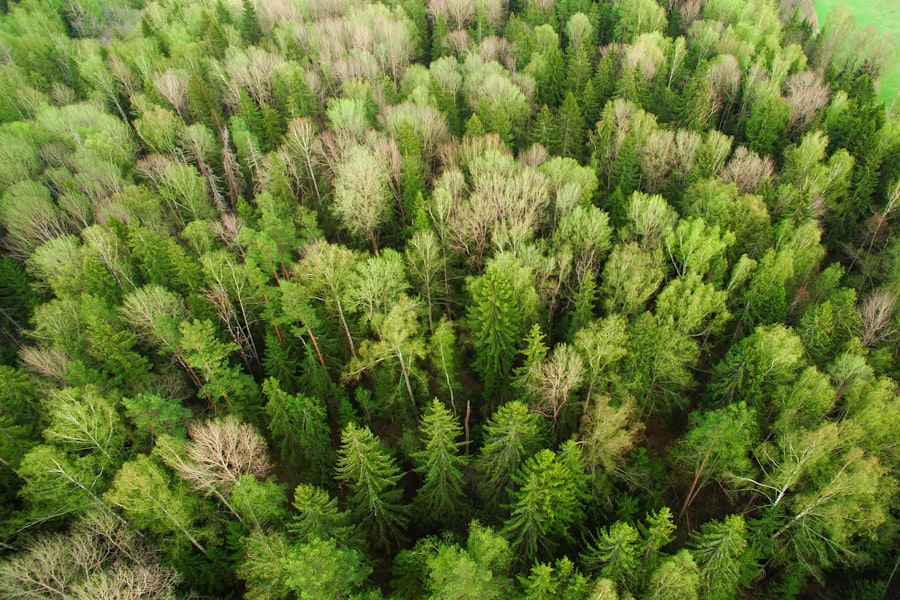
As you explore the relationship between reforestation and biodiversity conservation, you’ll find that healthy forests are home to a vast array of plant and animal species. Deforestation and habitat loss have led to alarming declines in biodiversity, threatening ecosystems and the services they provide. Reforestation offers a pathway to restore these habitats, allowing native species to thrive once again.
When you engage in reforestation projects, you not only help restore tree cover but also create opportunities for wildlife to return. Diverse ecosystems are more resilient to climate change impacts, such as extreme weather events and shifting temperatures. By planting a variety of native species, you can enhance habitat complexity and support a wider range of organisms.
This biodiversity is crucial for maintaining ecosystem functions, such as pollination, nutrient cycling, and pest control, which ultimately benefit both nature and human communities.
Reforestation and Water Regulation
Water is an essential resource for life, and forests play a critical role in regulating water cycles. As you consider the importance of reforestation, it’s vital to recognize how trees influence water availability and quality. Forests act as natural sponges, absorbing rainfall and releasing it slowly into the atmosphere and surrounding ecosystems.
This process helps maintain groundwater levels and reduces the risk of flooding. By participating in reforestation initiatives, you can contribute to improved water management in your region. Healthy forests help filter pollutants from water sources, ensuring cleaner drinking water for communities.
Additionally, reforested areas can enhance local microclimates, leading to increased precipitation and improved agricultural productivity. As you witness the positive effects of reforestation on water regulation, you’ll understand its significance in climate adaptation strategies aimed at ensuring sustainable water resources for future generations.
Reforestation and Soil Conservation
Soil health is fundamental to agricultural productivity and ecosystem stability. When you engage in reforestation efforts, you’re not just planting trees; you’re also promoting soil conservation. Trees help prevent soil erosion by stabilizing the ground with their root systems.
This is particularly important in areas prone to landslides or heavy rainfall, where exposed soil can wash away quickly. Moreover, trees contribute to soil fertility through the decomposition of organic matter. As leaves fall and decay, they enrich the soil with nutrients that support plant growth.
By restoring forested areas, you can enhance soil quality and promote sustainable land use practices. This is especially relevant in regions where agriculture is a primary livelihood; healthy soils lead to better crop yields and food security for communities.
Reforestation and Community Resilience

The benefits of reforestation extend beyond environmental restoration; they also foster community resilience. When you participate in reforestation projects, you’re often engaging with local communities that depend on forests for their livelihoods. By restoring these ecosystems, you can help create sustainable economic opportunities through activities such as eco-tourism or sustainable forestry practices.
Additionally, reforested areas can serve as buffers against climate-related disasters. Healthy forests can reduce the impacts of floods and landslides while providing shade and cooling effects during heatwaves. As communities adapt to changing climatic conditions, reforestation becomes a vital strategy for enhancing their resilience.
By investing in these initiatives, you’re not only supporting environmental health but also empowering communities to thrive in the face of adversity.
Challenges and Opportunities in Reforestation for Climate Adaptation
While reforestation presents numerous benefits for climate adaptation, it is not without its challenges. As you consider engaging in these efforts, it’s essential to recognize potential obstacles such as land tenure issues, funding limitations, and the need for long-term maintenance of planted areas. In many regions, competing land uses—such as agriculture or urban development—can hinder reforestation initiatives.
However, these challenges also present opportunities for innovation and collaboration. By working with local communities, governments, and organizations, you can develop strategies that address land-use conflicts while promoting sustainable practices. Additionally, advancements in technology—such as drone-assisted planting or remote sensing—can enhance the efficiency of reforestation efforts.
As you navigate these complexities, you’ll find that overcoming challenges can lead to more resilient ecosystems and communities.
The Future of Reforestation in Climate Adaptation Strategies
As you reflect on the role of reforestation in climate adaptation strategies, it’s clear that this practice holds immense potential for addressing some of the most pressing environmental challenges of our time. By restoring forests, you contribute to carbon sequestration, biodiversity conservation, water regulation, soil health, and community resilience—all critical components of a sustainable future. Looking ahead, the future of reforestation will likely involve increased collaboration among stakeholders at local, national, and global levels.
As awareness grows about the importance of forests in climate adaptation efforts, more resources will be allocated toward innovative solutions that integrate reforestation with other environmental initiatives. By staying informed and engaged in these efforts, you can play a vital role in shaping a healthier planet for generations to come. Embrace the opportunity to be part of this transformative movement—your actions today can lead to a greener tomorrow.
If you are interested in learning more about the importance of healthy forests for biodiversity, you should check out the article Biodiversity Reservoir by Having Healthy Forest. This article delves into how forests play a crucial role in supporting a wide range of plant and animal species, highlighting the interconnectedness of ecosystems. It complements the discussion on reforestation and climate adaptation strategies by emphasizing the need to protect and preserve our forests for the benefit of all living organisms.
FAQs
What is reforestation?
Reforestation is the process of planting trees in areas where forests have been depleted or destroyed, with the goal of restoring the ecological balance and increasing forest cover.
How does reforestation support climate adaptation strategies?
Reforestation supports climate adaptation strategies by helping to mitigate the impacts of climate change. Trees absorb carbon dioxide from the atmosphere, helping to reduce greenhouse gas emissions and combat global warming. Additionally, forests provide important ecosystem services such as regulating water flow, preventing soil erosion, and providing habitat for wildlife, all of which are crucial for adapting to a changing climate.
What are some examples of reforestation projects that support climate adaptation?
Examples of reforestation projects that support climate adaptation include planting trees in areas affected by deforestation, establishing agroforestry systems that combine tree planting with agricultural practices, and restoring degraded landscapes to improve their resilience to climate change.
How does reforestation contribute to biodiversity conservation?
Reforestation contributes to biodiversity conservation by creating or restoring habitats for a wide variety of plant and animal species. Healthy forests support diverse ecosystems and provide essential resources for many species, helping to maintain biodiversity and ecological balance.
What are the challenges associated with reforestation for climate adaptation?
Challenges associated with reforestation for climate adaptation include securing land for tree planting, selecting appropriate tree species for specific ecosystems, ensuring community participation and support, and addressing potential conflicts with other land uses. Additionally, monitoring and maintaining newly planted forests to ensure their long-term success can be a challenge.