
Reforestation plays a crucial role in maintaining and enhancing soil health, a factor that is often overlooked in discussions about environmental sustainability. When you think about the benefits of planting trees, you might first consider their ability to absorb carbon dioxide or provide shade. However, the impact of reforestation on soil health is profound and multifaceted.
Trees contribute to soil structure, improve water retention, and enhance nutrient availability, all of which are essential for sustaining agricultural productivity and natural ecosystems. By restoring forested areas, you are not only helping to combat climate change but also fostering a healthier soil environment that can support diverse plant and animal life. Moreover, reforestation helps to mitigate soil degradation caused by various human activities, such as deforestation, agriculture, and urbanization.
When trees are removed, the soil becomes vulnerable to erosion, compaction, and nutrient depletion. By reintroducing trees into these landscapes, you create a protective canopy that shields the soil from harsh weather conditions and reduces the impact of heavy rainfall. This protective layer is vital for maintaining the integrity of the soil, allowing it to retain moisture and nutrients that are essential for plant growth.
In essence, reforestation acts as a natural remedy for soil health issues, promoting resilience in ecosystems that have been compromised.
Key Takeaways
- Reforestation is crucial for improving soil health by preventing erosion, supporting biodiversity, and enhancing nutrient cycling.
- Trees play a vital role in preventing soil erosion by stabilizing the soil with their roots and reducing the impact of rainfall and wind.
- Reforestation supports biodiversity and soil microorganisms, creating a healthy ecosystem that promotes plant and animal diversity.
- Reforestation is essential for carbon sequestration, as trees absorb carbon dioxide from the atmosphere and store it in their biomass and the soil.
- Implementing reforestation techniques such as agroforestry and afforestation can restore soil fertility and improve nutrient cycling, leading to healthier soils and ecosystems.
The Role of Trees in Soil Erosion Prevention
Trees serve as a natural barrier against soil erosion, a process that can lead to significant land degradation if left unchecked. When you consider the mechanics of erosion, it becomes clear how trees play a pivotal role. Their roots anchor the soil in place, preventing it from being washed away by rain or blown away by wind.
This anchoring effect is particularly important on slopes and in areas prone to heavy rainfall. By planting trees in these vulnerable regions, you can significantly reduce the risk of erosion and protect the land from further degradation. In addition to their root systems, trees also contribute to soil stability through their canopy cover.
The leaves and branches of trees intercept rainfall, reducing the impact of raindrops on the soil surface. This interception minimizes soil compaction and helps maintain the soil’s structure, allowing it to absorb water more effectively. Furthermore, as trees shed their leaves and organic matter, they contribute to the formation of a rich layer of humus that enhances soil fertility.
This cycle of growth and decay not only prevents erosion but also enriches the soil, creating a healthier environment for future plant growth.
How Reforestation Supports Biodiversity and Soil Microorganisms
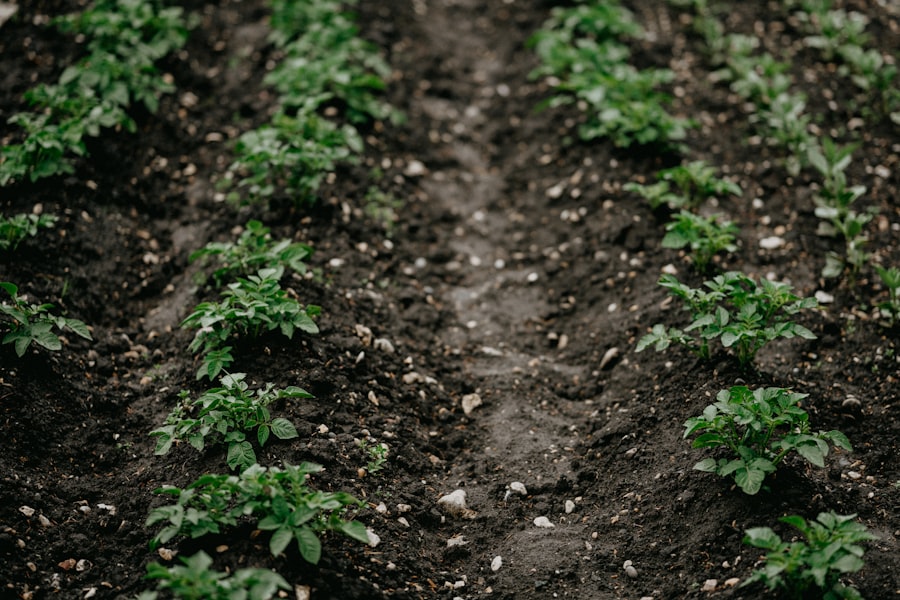
Reforestation is a powerful tool for enhancing biodiversity, which in turn supports the health of soil microorganisms. When you restore a forested area, you create a habitat for a wide variety of species, from insects to mammals. This increase in biodiversity is essential for maintaining ecological balance and resilience.
Diverse ecosystems are better equipped to withstand environmental changes and disturbances, making them more sustainable in the long run. The relationship between biodiversity and soil health is particularly significant when it comes to microorganisms. Healthy soils are teeming with life, including bacteria, fungi, and other microorganisms that play critical roles in nutrient cycling and organic matter decomposition.
When you engage in reforestation efforts, you provide a conducive environment for these microorganisms to thrive. The presence of diverse plant species contributes to a varied root system that supports different types of microbial communities. This diversity enhances nutrient availability and promotes soil structure, ultimately leading to healthier ecosystems.
The Relationship Between Reforestation and Carbon Sequestration
One of the most compelling reasons to support reforestation is its potential for carbon sequestration. Trees absorb carbon dioxide from the atmosphere during photosynthesis, storing carbon in their biomass and the surrounding soil. As you participate in reforestation initiatives, you are directly contributing to the reduction of greenhouse gases in the atmosphere.
This process not only helps mitigate climate change but also improves soil health by increasing organic matter content. The relationship between reforestation and carbon sequestration extends beyond just tree growth. Healthy soils can store significant amounts of carbon as well.
When trees die or shed leaves, they contribute organic matter to the soil, which is then broken down by microorganisms. This decomposition process not only releases nutrients but also stabilizes carbon in the soil. By promoting reforestation efforts, you are fostering an environment where both trees and soils can work together to sequester carbon effectively.
Reforestation Techniques for Soil Restoration
There are various techniques for reforestation that can effectively restore soil health and promote ecological balance. One common method is direct seeding, where seeds are sown directly into prepared soil. This technique allows for natural regeneration and can be particularly effective in areas where native species are adapted to local conditions.
As you consider participating in reforestation projects, understanding these techniques can help you choose the most appropriate approach for your specific context. Another effective technique is planting seedlings or saplings in designated areas. This method allows for greater control over species selection and spacing, ensuring that the right trees are planted in suitable locations.
Additionally, incorporating agroforestry practices—where trees are integrated into agricultural landscapes—can enhance both crop yields and soil health. By combining tree planting with sustainable farming practices, you can create a synergistic relationship that benefits both agriculture and the environment.
The Impact of Reforestation on Soil Fertility and Nutrient Cycling

Reforestation has a profound impact on soil fertility and nutrient cycling processes. When you plant trees, you introduce organic matter into the soil through leaf litter, fallen branches, and root decay. This organic matter is crucial for improving soil structure and enhancing its ability to retain moisture and nutrients.
As organic matter breaks down, it releases essential nutrients like nitrogen, phosphorus, and potassium—elements that are vital for plant growth. Moreover, trees play a significant role in nutrient cycling by facilitating interactions between plants and soil microorganisms. The roots of trees exude compounds that stimulate microbial activity in the soil, promoting nutrient availability for other plants in the ecosystem.
This interconnectedness fosters a healthy nutrient cycle that benefits not only the trees themselves but also other vegetation in the area. By engaging in reforestation efforts, you contribute to this dynamic process that enhances overall soil fertility.
Community Involvement in Reforestation and Soil Health Initiatives
Community involvement is essential for successful reforestation and soil health initiatives. When you engage with your local community on these projects, you foster a sense of ownership and responsibility toward the environment. Collaborative efforts can lead to more effective reforestation strategies that take into account local knowledge and practices.
By working together with others who share your passion for sustainability, you can amplify your impact on soil health. Education plays a vital role in community involvement as well. By raising awareness about the importance of reforestation for soil health, you empower individuals to take action in their own lives.
Workshops, tree-planting events, and educational campaigns can inspire people to participate actively in restoring their local environments. As more individuals become informed about the benefits of reforestation, collective efforts can lead to significant improvements in soil health across entire regions.
The Future of Reforestation and Its Potential Benefits for Soil Health
Looking ahead, the future of reforestation holds immense potential for improving soil health on a global scale. As awareness of environmental issues continues to grow, more individuals and organizations are recognizing the importance of restoring degraded landscapes. Innovative approaches to reforestation—such as using technology for monitoring tree growth or employing native species adapted to local conditions—are emerging as effective strategies for enhancing success rates.
Furthermore, as climate change continues to pose challenges to ecosystems worldwide, reforestation will play an increasingly vital role in building resilience against environmental stressors. By investing in reforestation initiatives today, you contribute not only to healthier soils but also to more sustainable ecosystems that can withstand future challenges. The potential benefits extend beyond just environmental restoration; they encompass social and economic advantages as well—creating jobs in forestry management and promoting community well-being through enhanced natural resources.
In conclusion, reforestation is an essential practice that significantly impacts soil health through various mechanisms such as erosion prevention, biodiversity support, carbon sequestration, and nutrient cycling enhancement. By understanding these relationships and actively participating in reforestation efforts within your community or region, you can contribute to a healthier planet for future generations while fostering sustainable practices that benefit both people and nature alike.
If you are interested in learning more about how planting trees can help the environment, check out this article on how planting trees helps the environment. It delves into the various ways in which reforestation can benefit the planet, from improving air quality to providing habitats for wildlife. This article complements the discussion on reforestation and soil health in The Ground Beneath Our Feet, highlighting the interconnectedness of these environmental initiatives.
FAQs
What is reforestation?
Reforestation is the process of planting trees in areas where forests have been depleted or destroyed. It is done to restore the ecological balance, improve air quality, and prevent soil erosion.
How does reforestation contribute to soil health?
Reforestation helps improve soil health by preventing erosion, increasing organic matter in the soil, and promoting biodiversity. The roots of trees help bind the soil together, preventing it from being washed away by rain or blown away by wind.
What are the benefits of soil health?
Healthy soil is essential for plant growth, water retention, and carbon sequestration. It also helps prevent erosion, filter pollutants, and support diverse ecosystems.
How does reforestation impact the environment?
Reforestation has a positive impact on the environment by reducing carbon dioxide levels, providing habitat for wildlife, and improving air and water quality. It also helps mitigate the effects of climate change.
What are some challenges of reforestation?
Challenges of reforestation include finding suitable land for planting, ensuring the survival of newly planted trees, and managing competing land uses. Additionally, invasive species and climate change can pose challenges to reforestation efforts.