
Deforestation is a pressing global issue that has far-reaching consequences for ecosystems around the world. When you think about the act of cutting down trees, it may seem like a localized problem, but the effects ripple through entire ecosystems. Forests are home to an incredible diversity of flora and fauna, and their removal disrupts the delicate balance that sustains life.
As trees are felled, habitats are destroyed, leading to the displacement of countless species. You may not realize it, but the loss of even a single tree can have a cascading effect, altering food chains and diminishing biodiversity. Moreover, deforestation contributes to soil erosion and degradation.
Without the protective cover of trees, soil becomes vulnerable to the elements, leading to increased runoff and loss of nutrients. This degradation not only affects plant life but also impacts water quality in nearby rivers and streams. As you consider the broader implications, it becomes clear that deforestation is not just an environmental issue; it is a threat to the very fabric of life on Earth.
The loss of forests can lead to climate instability, as trees play a crucial role in carbon sequestration. When you understand these interconnected issues, it becomes evident that addressing deforestation is essential for maintaining healthy ecosystems.
Key Takeaways
- Deforestation has a significant negative impact on ecosystems, leading to loss of biodiversity, disruption of water cycles, and soil erosion.
- Trees play a crucial role in maintaining ecosystem balance by providing habitat for wildlife, regulating water flow, and absorbing carbon dioxide.
- Reforestation has numerous benefits for biodiversity, including the restoration of habitats for endangered species and the promotion of genetic diversity.
- Reforestation is an effective tool for mitigating climate change, as trees absorb carbon dioxide and help to reduce greenhouse gas emissions.
- Reforestation has important economic and social benefits, including job creation, improved air and water quality, and the provision of resources for local communities.
The Role of Trees in Maintaining Ecosystem Balance
Trees are often referred to as the lungs of our planet, and for good reason. They absorb carbon dioxide and release oxygen, playing a vital role in maintaining atmospheric balance. When you take a moment to appreciate the sheer scale of this process, it becomes clear how integral trees are to life on Earth.
They not only provide oxygen but also serve as a habitat for countless species, from birds and insects to mammals and fungi. Each tree contributes to a complex web of life, supporting various organisms that rely on them for food and shelter. In addition to their role in supporting biodiversity, trees also help regulate local climates.
They provide shade, reduce temperatures, and maintain humidity levels in their surroundings. When you walk through a forest, you may notice how the air feels cooler and more refreshing compared to urban areas. This microclimate regulation is crucial for both wildlife and human populations.
Furthermore, trees play a significant role in water cycles by facilitating groundwater recharge and maintaining watershed health. Their roots stabilize soil and prevent erosion, ensuring that ecosystems remain resilient against environmental changes.
The Benefits of Reforestation for Biodiversity

Reforestation is a powerful tool for restoring biodiversity that has been lost due to deforestation. When you engage in or support reforestation efforts, you are actively participating in the revival of ecosystems that have suffered from human activities. Planting trees not only helps restore habitats but also encourages the return of native species that may have been displaced.
As new trees grow, they create a nurturing environment for various organisms, allowing ecosystems to flourish once again. Moreover, reforestation can enhance genetic diversity within plant and animal populations. By planting a variety of tree species, you contribute to a more resilient ecosystem that can better withstand diseases and environmental changes.
This diversity is essential for maintaining healthy populations of wildlife and ensuring that ecosystems can adapt over time. As you consider the benefits of reforestation, remember that it is not just about planting trees; it is about creating a thriving environment where life can thrive in all its forms.
Reforestation as a Tool for Climate Change Mitigation
The urgency of climate change has made reforestation an increasingly important strategy for mitigating its effects. Trees act as carbon sinks, absorbing carbon dioxide from the atmosphere and storing it in their biomass. When you think about the scale at which deforestation occurs, it becomes clear that reforestation can play a significant role in offsetting carbon emissions.
By planting trees, you are not only helping to restore ecosystems but also contributing to global efforts to combat climate change. In addition to carbon sequestration, reforestation can help regulate local climates by increasing rainfall and reducing temperatures. As you support reforestation initiatives, you are participating in a broader movement aimed at creating a more sustainable future.
The benefits extend beyond just carbon capture; healthy forests can improve air quality, enhance water retention in soils, and promote biodiversity—all essential components in the fight against climate change. By recognizing the interconnectedness of these issues, you can appreciate how reforestation serves as a multifaceted solution to one of the most pressing challenges of our time.
The Economic and Social Importance of Reforestation
Reforestation is not only an environmental imperative but also an economic opportunity. When you consider the potential benefits of restoring forests, it becomes evident that reforestation can create jobs and stimulate local economies. From planting and maintaining trees to managing forest resources sustainably, there are numerous employment opportunities associated with reforestation efforts.
This economic aspect is particularly important in rural areas where communities often rely on natural resources for their livelihoods. Furthermore, reforestation can enhance ecosystem services that benefit society as a whole. Healthy forests provide clean water, improve air quality, and offer recreational opportunities that contribute to overall well-being.
As you engage with reforestation initiatives, you are not only supporting environmental restoration but also investing in community resilience and economic stability. The social benefits extend beyond immediate economic gains; reforested areas can foster a sense of community pride and stewardship as people come together to protect and restore their natural surroundings.
Challenges and Opportunities in Reforestation Efforts
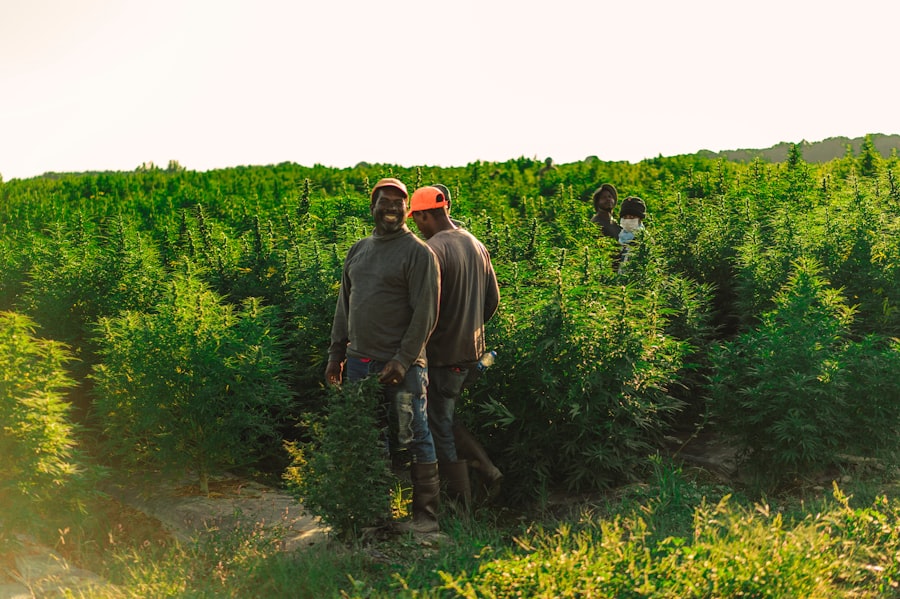
While reforestation presents numerous benefits, it is not without its challenges. One significant hurdle is ensuring that the right tree species are planted in appropriate locations. You may be surprised to learn that simply planting trees is not enough; it requires careful planning and consideration of local ecosystems.
Invasive species can threaten native flora and fauna if introduced during reforestation efforts. Therefore, understanding local biodiversity is crucial for successful outcomes. Despite these challenges, there are ample opportunities for innovation in reforestation practices.
Advances in technology have made it easier to monitor forest health and track growth rates through satellite imagery and drones. Additionally, community engagement plays a vital role in successful reforestation projects. When local communities are involved in decision-making processes, they are more likely to take ownership of the initiatives and ensure their long-term success.
By recognizing both the challenges and opportunities inherent in reforestation efforts, you can appreciate the complexity of this vital work.
Successful Reforestation Case Studies
Around the world, there are inspiring case studies that highlight the success of reforestation initiatives. One notable example is the Bonn Challenge, which aims to restore 150 million hectares of deforested land by 2020—a goal that has garnered international support from governments and organizations alike. As you explore these success stories, you will find that collaboration among various stakeholders is often key to achieving meaningful results.
Another remarkable case is Ethiopia’s Green Legacy Initiative, which set out to plant billions of trees across the country in response to severe deforestation and land degradation. This ambitious project has not only restored vast areas of forest but has also engaged millions of citizens in tree-planting activities, fostering a sense of collective responsibility toward environmental stewardship. These examples demonstrate that with commitment and collaboration, reforestation can yield significant ecological benefits while empowering communities.
The Role of Individuals in Supporting Reforestation Efforts
As an individual, your role in supporting reforestation efforts cannot be underestimated. Every action counts when it comes to environmental conservation, and there are numerous ways you can contribute to this vital cause. One simple yet impactful way is by participating in local tree-planting events or supporting organizations dedicated to reforestation initiatives.
Your involvement not only helps restore ecosystems but also raises awareness about the importance of forests. Additionally, you can advocate for policies that promote sustainable land use and forest conservation at local and national levels. By educating yourself and others about the significance of reforestation, you can inspire collective action within your community.
Whether through social media campaigns or grassroots movements, your voice can amplify the message that protecting our forests is essential for future generations. Ultimately, your commitment to supporting reforestation efforts can create a ripple effect that contributes to a healthier planet for all living beings.
In a related article on how trees can save the earth from global warming, the importance of reforestation in restoring ecosystem balance is further emphasized. The article discusses the significant role that trees play in combating climate change and the benefits of massive tree planting initiatives in offsetting carbon emissions. By understanding the interconnectedness of reforestation efforts and ecosystem health, we can work towards a more sustainable future for our planet. Check out Live Life with a Cause for more information on how you can get involved in environmental conservation efforts.
FAQs
What is reforestation?
Reforestation is the process of planting trees in areas where forests have been depleted or destroyed, with the goal of restoring the ecological balance and biodiversity of the area.
Why is reforestation important?
Reforestation is important because it helps to restore the natural balance of ecosystems, combat climate change by absorbing carbon dioxide, prevent soil erosion, provide habitat for wildlife, and improve air and water quality.
How does reforestation help in restoring ecosystem balance?
Reforestation helps in restoring ecosystem balance by providing habitat for a variety of plant and animal species, improving soil health, regulating water cycles, and reducing the impact of climate change through carbon sequestration.
What are the benefits of reforestation?
The benefits of reforestation include mitigating climate change, preserving biodiversity, providing sustainable sources of timber and non-timber forest products, and improving the overall health and resilience of ecosystems.
What are some challenges to reforestation efforts?
Challenges to reforestation efforts include deforestation, land degradation, lack of funding and resources, competing land uses, and the need for long-term monitoring and maintenance of reforested areas.