Plastic pollution has emerged as one of the most pressing environmental challenges of our time. As you navigate through your daily life, it’s hard to ignore the sheer volume of plastic that surrounds you. From the packaging of your favorite snacks to the water bottles you use, plastic is ubiquitous.
The convenience it offers has led to a staggering increase in production, with millions of tons generated each year. Unfortunately, this convenience comes at a significant cost to the environment. The reality is that much of this plastic ends up in landfills, oceans, and other natural habitats, where it can take hundreds of years to decompose.
The statistics surrounding plastic pollution are alarming. According to recent studies, approximately 300 million tons of plastic are produced annually, and a significant portion of that ends up in our oceans. You may have heard that by 2050, there could be more plastic in the ocean than fish by weight.
This projection is not just a distant possibility; it is a reality that we are rapidly approaching. As you consider your own consumption habits, it’s essential to recognize that every piece of plastic you use contributes to this growing crisis. The time has come for collective action to address this issue before it spirals further out of control.
Key Takeaways
- Plastic pollution is a growing crisis that is impacting marine life and ecosystems worldwide.
- Marine life and ecosystems are suffering from the impact of plastic pollution, leading to devastating consequences.
- Human health is at risk due to plastic pollution, as toxic chemicals from plastics can enter the food chain and water supply.
- Governments and corporations have a responsibility to take action in reducing plastic waste and implementing sustainable practices.
- Individuals play a crucial role in reducing plastic waste through mindful consumption and proper disposal, as well as advocating for change in their communities.
Impact on Marine Life and Ecosystems
The impact of plastic pollution on marine life is both profound and heartbreaking. As you think about the vastness of the oceans, consider how they serve as home to countless species. Unfortunately, many marine animals mistake plastic for food, leading to dire consequences.
Sea turtles, for instance, often ingest plastic bags, mistaking them for jellyfish. This can result in malnutrition, internal injuries, or even death. The ingestion of microplastics—tiny plastic particles that break down from larger items—has also been documented in various marine species, including fish that humans consume.
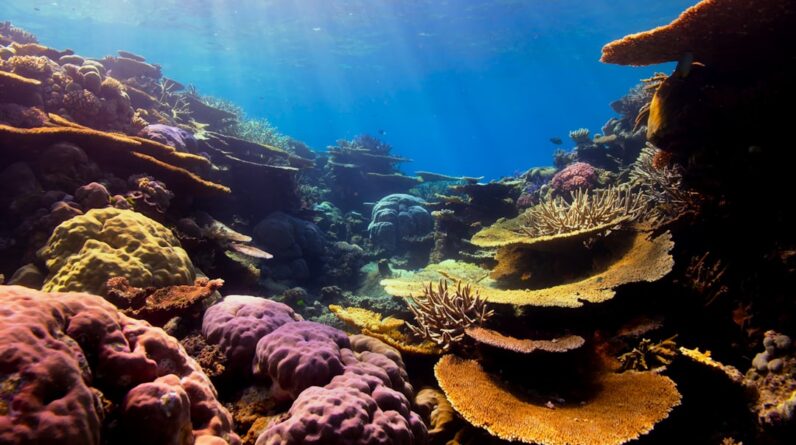
Beyond individual species, the effects of plastic pollution ripple through entire ecosystems. Coral reefs, which are vital to marine biodiversity, are suffering from the impacts of plastic waste. When plastics accumulate on reefs, they can smother corals and hinder their growth.
As you reflect on the interconnectedness of life in the ocean, it becomes clear that the health of marine ecosystems is jeopardized by our reliance on plastic. The loss of biodiversity not only affects marine life but also disrupts the balance of ecosystems that humans depend on for food and livelihoods.
The Human Health Risks of Plastic Pollution

While the focus on plastic pollution often centers on its environmental impact, it’s crucial to recognize the potential risks it poses to human health as well. As you consume seafood caught in polluted waters, you may unknowingly be ingesting microplastics and harmful chemicals associated with plastic degradation. Research has shown that these microplastics can accumulate in human tissues, raising concerns about their long-term effects on health.
You might wonder what these implications could mean for your well-being and that of future generations. Moreover, the chemicals used in the production of plastics—such as bisphenol A (BPA) and phthalates—have been linked to various health issues, including hormonal disruptions and increased risks of certain cancers. As you consider your own exposure to these substances through everyday items like food containers and personal care products, it becomes evident that plastic pollution is not just an environmental issue; it is a public health crisis waiting to unfold.
Addressing this problem requires a comprehensive understanding of how plastic affects both our planet and our bodies.
Government and Corporate Responsibility
As you contemplate solutions to the plastic pollution crisis, it’s essential to consider the roles that governments and corporations play in this issue. Governments have a responsibility to implement policies that regulate plastic production and waste management. Many countries are beginning to take action by banning single-use plastics or implementing stricter recycling regulations.
However, progress is often slow and inconsistent. You may find yourself wondering what more can be done at the legislative level to hold corporations accountable for their plastic footprint. Corporations also bear a significant responsibility in addressing plastic pollution.
Many companies continue to prioritize convenience over sustainability, producing excessive amounts of single-use plastics without considering their environmental impact. As a consumer, you have the power to influence corporate behavior by supporting businesses that prioritize sustainable practices. By choosing products with minimal packaging or those made from biodegradable materials, you can send a message that sustainability matters.
It’s crucial for both governments and corporations to recognize their roles in combating plastic pollution and work collaboratively toward innovative solutions.
The Role of Individuals in Reducing Plastic Waste
While systemic change is vital in addressing plastic pollution, individual actions also play a crucial role in mitigating this crisis. You have the power to make conscious choices in your daily life that can significantly reduce your plastic consumption. Simple steps like carrying reusable bags when shopping or opting for a stainless steel water bottle instead of single-use plastic can make a difference.
Each small action contributes to a larger movement toward sustainability. Moreover, educating yourself and others about the impacts of plastic pollution can amplify your efforts. By sharing information with friends and family or participating in community clean-up events, you can raise awareness about the importance of reducing plastic waste.
As you engage with your community, consider advocating for local policies that promote recycling and waste reduction initiatives. Your voice matters, and collective action at the individual level can lead to meaningful change.
Innovations in Plastic Alternatives and Recycling

In recent years, there has been a surge of innovation aimed at developing alternatives to traditional plastics and improving recycling processes. As you explore these advancements, you may find hope in the creativity and ingenuity being applied to tackle this crisis. Biodegradable materials made from natural sources—such as plant-based plastics—are gaining traction as viable alternatives to conventional plastics.
These materials break down more easily in the environment, reducing their long-term impact. Additionally, advancements in recycling technology are making it possible to recycle plastics more efficiently than ever before. Innovations such as chemical recycling allow for plastics to be broken down into their original monomers, enabling them to be reused indefinitely without degrading quality.
As you consider these developments, it’s clear that there is potential for a more sustainable future if we embrace these innovations and support their implementation on a larger scale.
Global Efforts to Combat Plastic Pollution
The fight against plastic pollution is not limited to individual actions; it is a global movement that requires collaboration across borders. International organizations and coalitions are working tirelessly to address this issue on a larger scale. Initiatives like the United Nations’ Clean Seas campaign aim to engage governments, businesses, and individuals in efforts to reduce marine litter and promote sustainable practices worldwide.
You may also be inspired by grassroots movements that have emerged around the globe, uniting communities in their fight against plastic pollution. From beach clean-ups to advocacy campaigns pushing for policy changes, these efforts demonstrate the power of collective action. As you learn about these global initiatives, consider how they resonate with your own values and how you can contribute to this worldwide effort.
Steps for Taking Action in Your Community
Taking action against plastic pollution starts at home and within your community. You can begin by organizing or participating in local clean-up events at parks or beaches to remove litter from natural spaces. These activities not only help beautify your surroundings but also raise awareness about the importance of keeping our environment clean.
Additionally, consider advocating for local policies that promote recycling programs or bans on single-use plastics within your community. Engaging with local government representatives or attending town hall meetings can amplify your voice and encourage others to join the cause. By fostering discussions around sustainability and environmental responsibility within your community, you can inspire others to take action as well.
In conclusion, addressing the growing crisis of plastic pollution requires a multifaceted approach involving individuals, corporations, governments, and global organizations alike. By understanding the impact of plastic on marine life and human health, recognizing responsibilities at various levels, embracing innovations in alternatives and recycling, and taking action within your community, you can contribute to meaningful change. The time for action is now; together we can work toward a cleaner, healthier planet for future generations.
In a related article on Live Life with a Cause, the importance of planting trees in combating deforestation is discussed. The article highlights how planting trees can help restore ecosystems, provide habitats for wildlife, and mitigate the effects of climate change. To learn more about the crucial role of trees in saving the Earth from global warming, visit How Does Planting Trees Help Deforestation?. These articles emphasize the urgent need for action to address environmental issues and protect our planet for future generations.
FAQs
What is the current situation with plastic pollution in our oceans?
Plastic pollution in our oceans is a growing crisis, with an estimated 8 million tons of plastic entering the ocean every year. This has led to the formation of massive garbage patches, harming marine life and ecosystems.
How does plastic pollution affect marine life?
Marine animals often mistake plastic for food, leading to ingestion and potential harm or death. Additionally, plastic pollution can entangle marine animals, leading to injuries and fatalities.
What are the long-term effects of plastic pollution on the environment?
Plastic pollution can have long-term effects on the environment, including disrupting ecosystems, releasing harmful chemicals, and contributing to climate change.
What can individuals do to help combat plastic pollution?
Individuals can help combat plastic pollution by reducing their use of single-use plastics, properly disposing of plastic waste, and supporting policies and initiatives aimed at reducing plastic pollution.
What are some global initiatives to address plastic pollution?
Several global initiatives have been launched to address plastic pollution, including the United Nations’ Clean Seas campaign and the Ocean Cleanup project. These initiatives aim to reduce plastic pollution and clean up existing plastic waste in the oceans.