
As you delve into the intricate relationship between nature and climate change, the concept of a carbon sink emerges as a vital player in the global effort to mitigate greenhouse gas emissions. A carbon sink refers to any system that absorbs more carbon dioxide from the atmosphere than it releases, effectively acting as a buffer against climate change. This natural process is crucial in maintaining the balance of carbon in our environment, and it plays a significant role in regulating the Earth’s climate.
Understanding carbon sinks is essential for anyone interested in environmental science, sustainability, or climate policy, as they represent both a challenge and an opportunity in our fight against global warming. In particular, forests are among the most effective carbon sinks on the planet. They not only absorb carbon dioxide during photosynthesis but also store it in their biomass and soil.
As you explore this topic further, you will discover how forests contribute to the health of our planet and why their preservation is critical for future generations. The urgency of addressing climate change has never been more pronounced, and recognizing the importance of carbon sinks is a crucial step toward developing effective strategies for reducing atmospheric carbon levels.
Key Takeaways
- Forests play a crucial role in absorbing and storing greenhouse gases, making them important carbon sinks.
- Trees and plants sequester carbon through the process of photosynthesis, where they absorb carbon dioxide and release oxygen.
- Protecting and restoring forests is essential for maintaining and increasing their capacity to sequester carbon.
- Deforestation has a significant impact on carbon sequestration, as it reduces the ability of forests to absorb and store carbon.
- Strategies for enhancing forests as carbon sinks include reforestation, afforestation, and sustainable forest management practices.
The Role of Forests in Absorbing Greenhouse Gases
Forests play an indispensable role in absorbing greenhouse gases, particularly carbon dioxide, which is one of the primary culprits behind climate change. As you consider the vast expanses of trees that cover significant portions of the Earth’s surface, it becomes clear that these ecosystems are not just beautiful landscapes; they are powerful allies in our quest for a sustainable future. Through the process of photosynthesis, trees take in carbon dioxide from the atmosphere and convert it into oxygen, releasing it back into the air while storing carbon in their trunks, branches, leaves, and roots.
This natural process helps to mitigate the effects of climate change by reducing the concentration of greenhouse gases in the atmosphere. Moreover, forests are not just passive absorbers of carbon; they actively contribute to the regulation of local and global climates. By maintaining humidity levels and influencing weather patterns, forests create microclimates that can further enhance their ability to sequester carbon.
As you reflect on the interconnectedness of ecosystems, it becomes evident that protecting forests is not merely an environmental concern but a necessity for human survival. The health of our forests directly impacts air quality, biodiversity, and even water resources, making their role in absorbing greenhouse gases all the more critical.
How Trees and Plants Sequester Carbon

The process by which trees and plants sequester carbon is both fascinating and complex. When you observe a tree, you might see just its physical presence, but beneath that exterior lies a sophisticated system of growth and energy conversion. During photosynthesis, trees absorb sunlight through their leaves and use it to convert carbon dioxide from the air into glucose—a form of sugar that serves as food for the plant.
This process not only fuels the tree’s growth but also leads to the storage of carbon in various forms throughout its structure. The larger and older a tree becomes, the more carbon it can store, making mature forests particularly valuable as carbon sinks. In addition to trees, other plants also contribute to carbon sequestration.
Grasses, shrubs, and even aquatic plants play a role in capturing carbon dioxide from the atmosphere. The soil itself is another critical component of this process; it can store significant amounts of carbon through organic matter derived from decaying plant material. As you consider these various elements, it becomes clear that a diverse range of plant life is essential for maximizing carbon sequestration efforts.
The more varied an ecosystem is, the more resilient it becomes to changes and disturbances, further enhancing its ability to absorb and store carbon over time.
The Importance of Protecting and Restoring Forests
Protecting and restoring forests is paramount for several reasons, not least of which is their role as carbon sinks. As you contemplate the future of our planet, consider how deforestation and degradation threaten these vital ecosystems. When forests are cut down or damaged, not only is their capacity to sequester carbon diminished, but the carbon stored within them is often released back into the atmosphere, exacerbating climate change.
Therefore, safeguarding existing forests and investing in restoration projects are essential steps toward achieving global climate goals. Moreover, protecting forests goes beyond just carbon sequestration; it also supports biodiversity and ecosystem health. Forests are home to countless species of plants and animals, many of which are endangered due to habitat loss.
By prioritizing forest conservation, you are also advocating for the preservation of biodiversity that is crucial for maintaining ecological balance. Restoration efforts can revitalize degraded areas, allowing ecosystems to recover and thrive once again. As you engage with this topic, consider how your actions—whether through advocacy, education, or sustainable practices—can contribute to the protection and restoration of these invaluable resources.
The Impact of Deforestation on Carbon Sequestration
Deforestation poses a significant threat to global efforts aimed at reducing atmospheric carbon levels. When trees are removed from a forested area, not only does that region lose its ability to absorb carbon dioxide, but the act of cutting down trees often releases stored carbon back into the atmosphere. This dual impact makes deforestation one of the most pressing environmental issues of our time.
As you reflect on this reality, consider how agricultural expansion, urban development, and logging practices contribute to this alarming trend. The consequences of deforestation extend beyond just carbon emissions; they also disrupt local ecosystems and contribute to soil erosion and water cycle alterations. When trees are removed, the soil loses its protective cover, making it more susceptible to erosion by wind and water.
This degradation can lead to decreased soil fertility and increased sedimentation in waterways, further harming aquatic ecosystems. As you think about these interconnected issues, it becomes clear that addressing deforestation is not merely an environmental concern but a multifaceted challenge that requires comprehensive solutions.
Strategies for Enhancing Forests as Carbon Sinks
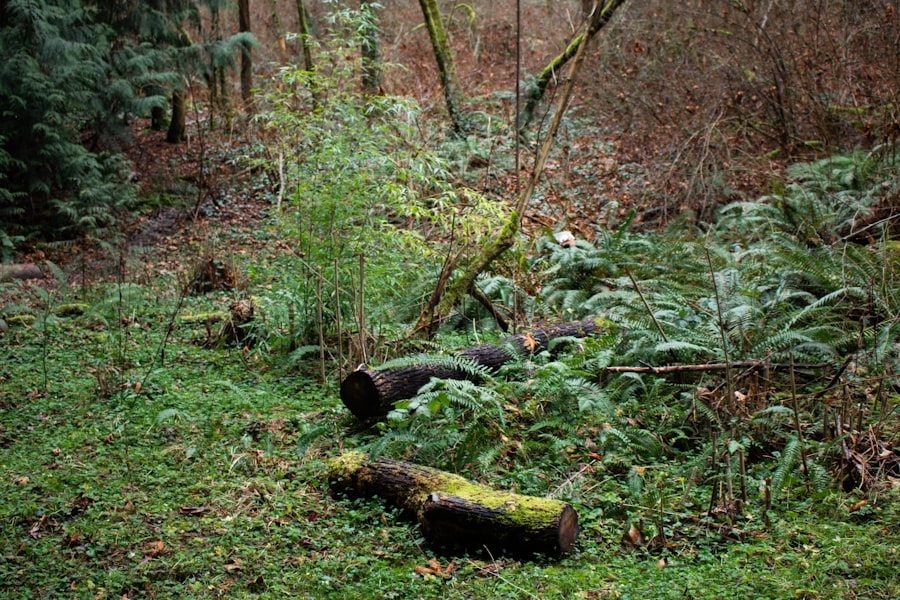
To enhance forests as effective carbon sinks, a variety of strategies can be employed. One approach involves reforestation—planting trees in areas where forests have been cut down or degraded. This not only helps restore lost ecosystems but also increases overall carbon storage capacity over time.
As you consider reforestation efforts, think about how community involvement can play a crucial role in their success. Engaging local populations in tree-planting initiatives fosters a sense of ownership and responsibility toward forest conservation. Another strategy involves improving forest management practices to optimize carbon sequestration potential.
Sustainable forestry techniques can help maintain healthy forests while allowing for responsible timber harvesting. Practices such as selective logging minimize damage to surrounding trees and promote biodiversity within forest ecosystems. Additionally, implementing agroforestry—integrating trees into agricultural landscapes—can enhance both food production and carbon storage simultaneously.
As you explore these strategies further, consider how innovative approaches can lead to a more sustainable future for both forests and human communities.
The Role of Forest Management in Carbon Sequestration
Effective forest management is essential for maximizing the potential of forests as carbon sinks. You may wonder what constitutes good forest management practices; it encompasses a range of activities aimed at maintaining forest health while balancing ecological integrity with economic needs. This includes monitoring tree growth rates, assessing biodiversity levels, and implementing practices that promote resilience against pests and diseases.
By prioritizing these aspects, forest managers can ensure that forests continue to thrive as vital carbon sinks. Moreover, adaptive management strategies allow for flexibility in response to changing environmental conditions or new scientific findings. As climate change continues to impact ecosystems worldwide, being able to adjust management practices accordingly becomes increasingly important.
Engaging with local communities in decision-making processes can also enhance forest management efforts by incorporating traditional knowledge and fostering stewardship among those who rely on these resources for their livelihoods. As you reflect on these practices, consider how collaborative approaches can lead to more effective outcomes for both forests and society.
Future Challenges and Opportunities for Forests as Carbon Sinks
Looking ahead, forests face numerous challenges that could impact their ability to function as effective carbon sinks. Climate change itself poses significant threats through increased temperatures, altered precipitation patterns, and more frequent extreme weather events such as wildfires and storms. These changes can weaken forest health and reduce their capacity for carbon sequestration over time.
As you contemplate these challenges, think about how proactive measures—such as investing in research on climate-resilient tree species—can help mitigate some of these risks. However, alongside these challenges lie opportunities for innovation and collaboration in forest conservation efforts. Advances in technology offer new tools for monitoring forest health and assessing carbon storage potential more accurately than ever before.
Additionally, international agreements aimed at reducing emissions often include provisions for forest conservation and restoration initiatives. By participating in global efforts like REDD+ (Reducing Emissions from Deforestation and Forest Degradation), countries can work together toward shared goals while recognizing the importance of forests as critical components in combating climate change. In conclusion, understanding the role of forests as carbon sinks is essential for anyone concerned about our planet’s future.
By recognizing their importance in absorbing greenhouse gases and supporting biodiversity, you can appreciate why protecting and restoring these ecosystems is crucial for mitigating climate change impacts. Through effective management strategies and collaborative efforts at local and global levels, we can enhance forests’ capacity to sequester carbon while ensuring their health for generations to come.
If you are interested in learning more about the importance of healthy forests and their role in preventing floods, check out the article Preventing Floods by Massive Tree Planting. This article discusses how planting trees can help mitigate the impact of floods and protect communities and ecosystems. It complements the information provided in The Carbon Sink by highlighting another crucial benefit of maintaining healthy forest ecosystems.
FAQs
What is a carbon sink?
A carbon sink is a natural or artificial reservoir that absorbs and stores carbon dioxide from the atmosphere. Forests are one of the most important natural carbon sinks.
How do forests absorb greenhouse gases?
Forests absorb greenhouse gases through the process of photosynthesis, in which trees and plants take in carbon dioxide from the atmosphere and convert it into oxygen while storing the carbon in their biomass and soil.
Why are forests important for mitigating climate change?
Forests play a crucial role in mitigating climate change by absorbing and storing large amounts of carbon dioxide, thus helping to reduce the concentration of greenhouse gases in the atmosphere.
How much carbon do forests absorb?
It is estimated that forests absorb about 2.4 billion metric tons of carbon dioxide each year, which is roughly one-third of the carbon dioxide released from burning fossil fuels.
What are some threats to the carbon sink capacity of forests?
Deforestation, wildfires, and degradation of forest ecosystems due to human activities are major threats to the carbon sink capacity of forests. When forests are destroyed or degraded, the stored carbon is released back into the atmosphere.
How can we protect and enhance the carbon sink capacity of forests?
Protecting existing forests, reforesting degraded areas, and implementing sustainable forest management practices are key strategies for protecting and enhancing the carbon sink capacity of forests. Additionally, reducing deforestation and promoting afforestation and reforestation efforts can help increase the carbon sequestration potential of forests.