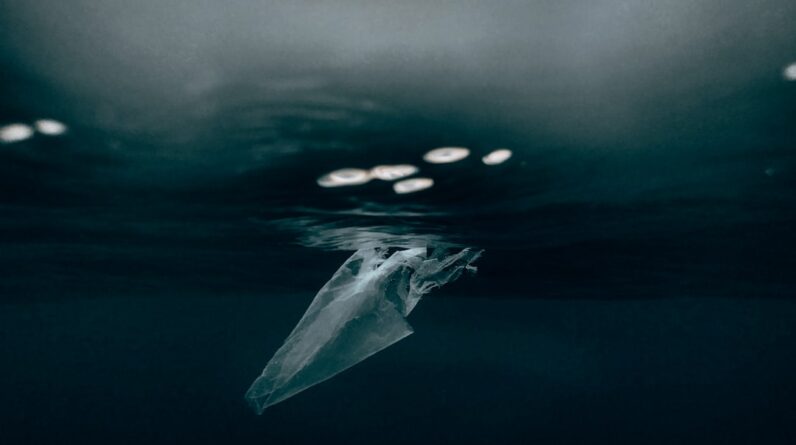
As you gaze out at the vast expanse of the ocean, it’s easy to overlook the hidden dangers lurking beneath the surface. Ocean plastic pollution has become a pressing global issue, affecting marine life, ecosystems, and even human health. Each year, millions of tons of plastic waste find their way into the oceans, creating a toxic environment for countless species.
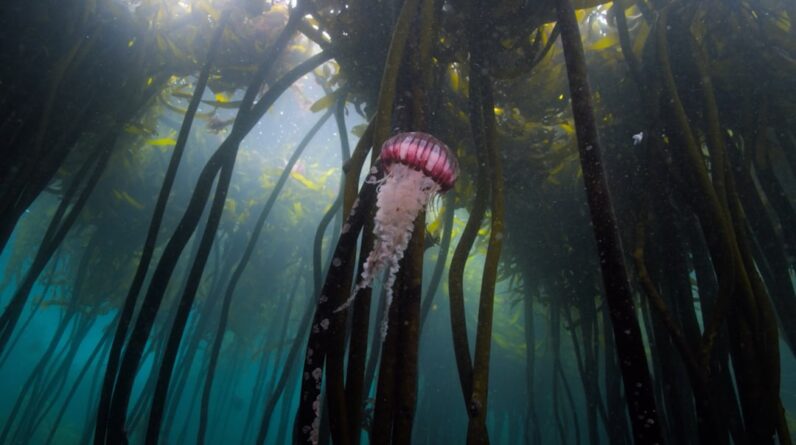
The impact is profound; marine animals often mistake plastic for food, leading to ingestion that can cause injury or death. Sea turtles, for instance, are known to consume plastic bags, mistaking them for jellyfish, while seabirds often feed their chicks plastic debris, which can lead to starvation and malnutrition. The consequences of this pollution extend beyond individual species.
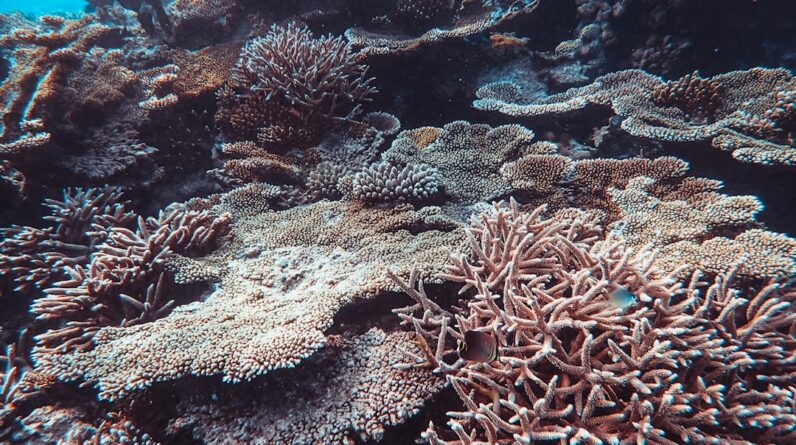
Entire ecosystems are disrupted as the balance of marine life is altered. Coral reefs, which serve as vital habitats for many marine organisms, are particularly vulnerable. The presence of plastics can lead to diseases in corals and hinder their growth.
Moreover, the degradation of these ecosystems can have cascading effects on fisheries and coastal communities that rely on healthy oceans for their livelihoods. As you consider the broader implications, it becomes clear that ocean plastic pollution is not just an environmental issue; it is a socio-economic challenge that demands urgent attention.
Key Takeaways
- Ocean plastic pollution has a detrimental impact on marine life, ecosystems, and human health.
- Single-use plastics play a significant role in contributing to ocean plastic pollution due to their widespread use and improper disposal.
- Microplastics, tiny plastic particles, contribute to ocean pollution and pose a threat to marine organisms and the food chain.
- Plastic packaging is a major contributor to ocean pollution due to its high production and disposal rates.
- Fishing gear and nets contribute to ocean plastic pollution, posing a threat to marine life and ecosystems.
The Role of Single-Use Plastics
Single-use plastics are a significant contributor to the ocean’s plastic crisis. These items, designed to be used once and discarded, include everything from plastic straws and cutlery to shopping bags and food wrappers. Their convenience has made them ubiquitous in modern life, but this convenience comes at a steep environmental cost.
As you navigate through your daily routine, consider how often you encounter single-use plastics and how easily they are discarded without a second thought. This throwaway culture has led to an alarming increase in plastic waste, much of which ends up in landfills or, worse yet, in our oceans. The challenge with single-use plastics lies not only in their prevalence but also in their durability.
Unlike organic materials that decompose over time, plastics can take hundreds of years to break down. When they do eventually degrade, they fragment into smaller pieces rather than disappearing entirely. This persistence means that single-use plastics contribute significantly to the overall volume of plastic pollution in the ocean.
As you reflect on your consumption habits, consider the impact of choosing reusable alternatives. By opting for items like metal straws or cloth shopping bags, you can play a part in reducing the demand for single-use plastics and help mitigate their harmful effects on marine environments.
The Contribution of Microplastics
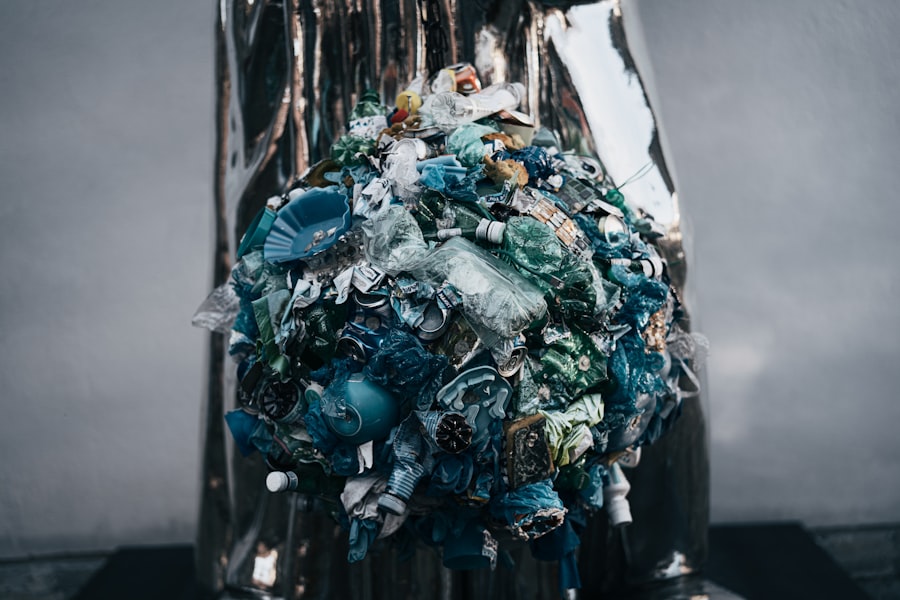
Microplastics are another insidious form of ocean pollution that has garnered increasing attention in recent years. These tiny plastic particles, measuring less than five millimeters in diameter, originate from various sources, including the breakdown of larger plastic items and the shedding of synthetic fibers from clothing during washing. As you wash your clothes or use personal care products containing microbeads, you may unknowingly contribute to this growing problem.
Once released into the water system, microplastics can be ingested by marine organisms ranging from plankton to fish, entering the food chain and posing risks to both wildlife and human health. The implications of microplastics extend beyond immediate environmental concerns. Research has shown that these particles can absorb harmful chemicals from the surrounding water, which may then be transferred to the organisms that ingest them.
As you consider your own dietary choices, it’s essential to recognize that microplastics have been found in seafood consumed by humans. This raises alarming questions about food safety and the long-term health effects of consuming contaminated marine life. Addressing the issue of microplastics requires collective action—from reducing plastic use to improving waste management systems—ensuring that future generations inherit a cleaner ocean.
The Problem with Plastic Packaging
Plastic packaging is another major contributor to ocean plastic pollution that cannot be overlooked. In a world driven by consumerism, packaging plays a crucial role in product marketing and preservation. However, much of this packaging is designed for single use and is often discarded without consideration for its environmental impact.
As you shop for groceries or online products, take a moment to think about the amount of plastic packaging that accompanies your purchases. From food containers to bubble wrap, these materials frequently end up in landfills or oceans after serving their brief purpose. The problem with plastic packaging lies not only in its volume but also in its design.
Many packaging materials are not recyclable or biodegradable, leading to an accumulation of waste in our environment. As you become more aware of this issue, consider supporting brands that prioritize sustainable packaging solutions. By choosing products with minimal or eco-friendly packaging, you can help drive demand for more responsible practices within the industry.
Your purchasing decisions can influence companies to rethink their packaging strategies and contribute to a reduction in ocean plastic pollution.
The Role of Fishing Gear and Nets
Fishing gear and nets represent a significant yet often overlooked source of ocean plastic pollution. Abandoned or lost fishing equipment—commonly referred to as “ghost gear”—continues to trap marine life long after it has been discarded. As you contemplate the impact of commercial fishing practices on ocean health, consider how these materials contribute to the ongoing cycle of pollution.
Ghost nets can ensnare fish, sea turtles, and even marine mammals, leading to injury or death as they struggle to escape. The issue is compounded by the fact that fishing gear is typically made from durable plastics designed to withstand harsh marine conditions. This durability means that once lost or abandoned, these materials can persist in the ocean for decades, causing ongoing harm to marine ecosystems.
As you engage with seafood consumption or support fishing industries, advocate for responsible practices that minimize gear loss and promote recovery efforts for abandoned equipment. By raising awareness about this issue, you can help foster a more sustainable approach to fishing that protects both marine life and ocean health.
The Impact of Industrial Pollution
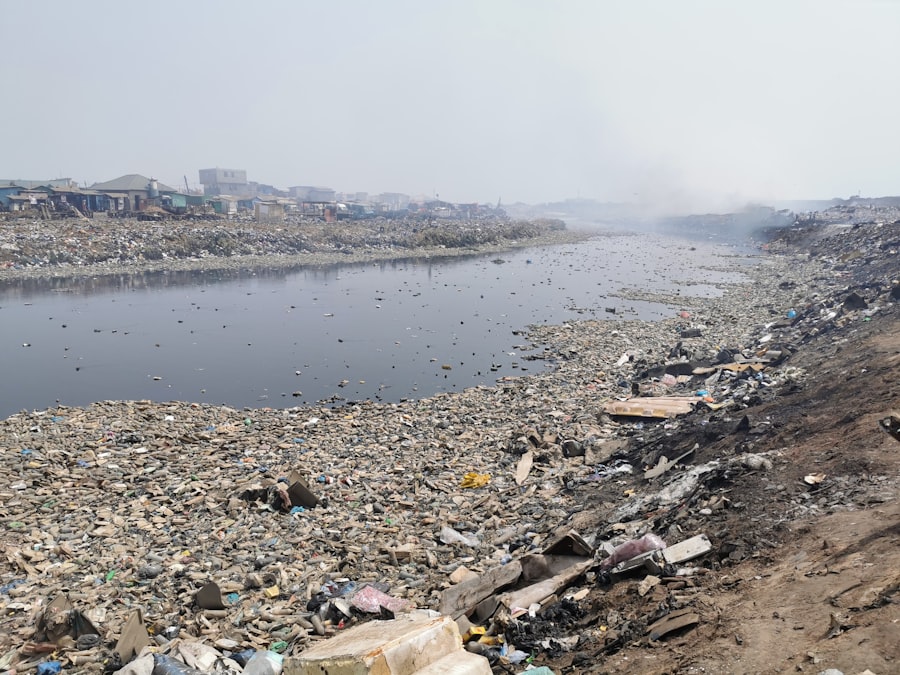
Industrial pollution is another critical factor contributing to ocean plastic pollution that often goes unnoticed. Factories and manufacturing plants discharge waste into waterways, which can include plastic particles and other harmful substances. As you consider the broader implications of industrial activity on the environment, it’s essential to recognize how these practices can lead to significant contamination of our oceans.
The release of industrial waste not only contributes to plastic pollution but also introduces toxic chemicals that can harm marine life and disrupt ecosystems. Moreover, industrial activities often prioritize profit over environmental responsibility, leading to lax regulations and insufficient waste management practices. As you reflect on your role as a consumer and citizen, consider advocating for stricter regulations on industrial waste disposal and supporting companies committed to sustainable practices.
By holding industries accountable for their environmental impact, you can contribute to a collective effort aimed at reducing industrial pollution and protecting our oceans from further degradation.
The Role of Consumer Behavior
Your behavior as a consumer plays a pivotal role in shaping the landscape of ocean plastic pollution. Every purchase decision you make sends a message about what products are acceptable and desirable in today’s market. As you navigate through stores or browse online shops, consider how your choices impact the environment.
Opting for products with minimal packaging or those made from sustainable materials can significantly reduce your contribution to plastic waste. Moreover, your voice matters when it comes to advocating for change within industries and communities. By supporting initiatives aimed at reducing plastic use and promoting recycling programs, you can help create a culture that values sustainability over convenience.
Engaging with local organizations focused on environmental conservation can also amplify your impact as you work alongside others who share your commitment to protecting our oceans from plastic pollution.
Solutions to Combat Ocean Plastic Pollution
Addressing ocean plastic pollution requires a multifaceted approach that involves individuals, communities, industries, and governments working together toward sustainable solutions. One effective strategy is promoting education and awareness about the impacts of plastic pollution on marine ecosystems. By sharing information with friends and family or participating in community clean-up events, you can help foster a culture of responsibility regarding plastic use.
Additionally, supporting policies aimed at reducing single-use plastics and encouraging recycling initiatives is crucial for long-term change. Governments can implement bans on certain types of plastics or incentivize businesses to adopt more sustainable practices through grants or tax breaks. As you engage with local policymakers or participate in advocacy efforts, your voice can help drive meaningful change at a larger scale.
Ultimately, combating ocean plastic pollution requires collective action and commitment from all sectors of society. By making conscious choices in your daily life and advocating for systemic change, you can contribute to a healthier ocean for future generations. Together, we can work toward solutions that protect marine life and preserve the beauty of our oceans for years to come.
In a related article on Live Life with a Cause, the importance of reforestation in helping combat global warming is discussed. The article highlights how planting trees can have a significant impact on reducing carbon dioxide levels in the atmosphere and improving overall environmental health. To learn more about the benefits of reforestation, visit Live Life with a Cause.
FAQs
What is ocean plastic pollution?
Ocean plastic pollution refers to the accumulation of plastic debris in the ocean, which has a detrimental impact on marine life, ecosystems, and human health.
What are the main sources of ocean plastic pollution?
The main sources of ocean plastic pollution include inadequate waste management, littering, industrial activities, and the improper disposal of plastic products.
How does ocean plastic pollution affect marine life?
Ocean plastic pollution can harm marine life through ingestion, entanglement, and habitat destruction. Marine animals can mistake plastic debris for food, leading to internal injuries and even death.
What are the real villains of ocean plastic pollution?
The real villains of ocean plastic pollution are the inadequate waste management systems, lack of recycling infrastructure, and the overproduction and overconsumption of single-use plastic products.
What can be done to address ocean plastic pollution?
Addressing ocean plastic pollution requires a combination of measures, including improved waste management, increased recycling efforts, the development of alternative materials, and consumer behavior change. Additionally, international cooperation and policy interventions are crucial in tackling this global issue.