



When you think about your laundry routine, it’s easy to overlook the environmental consequences of washing your clothes. Each time you toss a load into the washing machine, you may be contributing to a larger ecological footprint than you realize. The process of laundering not only consumes significant amounts of water and energy but also releases various pollutants into the environment.
From the water used in washing to the energy required for drying, every step in the laundry process has an impact on our planet. Moreover, the materials that make up your clothing can also play a significant role in environmental degradation. Many fabrics, especially synthetic ones, are derived from petroleum products and are not biodegradable.
This means that when these garments are washed, they can shed microfibers that enter our waterways, contributing to pollution. The cumulative effect of countless laundry loads across the globe can lead to substantial environmental harm, making it essential for you to consider how your laundry habits affect the planet.
Key Takeaways
- Laundry contributes to environmental impact through water and energy usage
- Microplastics and harmful chemicals in laundry detergents can pollute waterways
- There is a direct connection between laundry and ocean pollution
- Sustainable laundry practices can reduce environmental impact
- Eco-friendly laundry detergent options can help minimize pollution
Microplastics and Chemicals in Laundry Detergents
One of the most pressing issues related to laundry is the release of microplastics and harmful chemicals from detergents. Microplastics are tiny plastic particles that can originate from synthetic fabrics like polyester and nylon. When you wash these materials, they shed microfibers that are too small to be filtered out by wastewater treatment plants, ultimately making their way into rivers, lakes, and oceans.
This not only poses a threat to aquatic life but can also enter the food chain, affecting human health. In addition to microplastics, many conventional laundry detergents contain a cocktail of chemicals that can be harmful to both the environment and your health. Ingredients such as phosphates, surfactants, and fragrances can contribute to water pollution and may disrupt aquatic ecosystems.
These chemicals can lead to algal blooms in water bodies, which deplete oxygen levels and harm fish and other marine organisms. By understanding the impact of these substances, you can make more informed choices about the products you use in your laundry routine.
The Connection Between Laundry and Ocean Pollution

The connection between laundry practices and ocean pollution is often overlooked, yet it is a significant contributor to the degradation of marine environments. As microfibers from synthetic clothing enter waterways, they can accumulate in oceans, where they pose a threat to marine life. Fish and other aquatic organisms often mistake these tiny particles for food, leading to ingestion that can cause physical harm or even death.
This not only affects individual species but can also disrupt entire ecosystems. Furthermore, the chemicals found in traditional laundry detergents can have devastating effects on marine habitats. When these substances enter the ocean, they can alter water chemistry and harm sensitive species such as corals and shellfish.
The cumulative impact of laundry-related pollution is a growing concern for environmentalists and scientists alike. By recognizing this connection, you can take steps to mitigate your own contribution to ocean pollution through more sustainable laundry practices.
Sustainable Laundry Practices
Adopting sustainable laundry practices is essential for reducing your environmental impact. One of the simplest changes you can make is to wash your clothes less frequently. Many items, such as jeans or sweaters, do not need to be washed after every wear.
By extending the time between washes, you can significantly reduce the amount of water and energy consumed in your laundry routine. Additionally, consider adjusting your washing machine settings. Washing with cold water instead of hot can save energy and reduce greenhouse gas emissions associated with heating water.
You might also want to opt for shorter wash cycles when possible, as this can further decrease water usage without compromising cleanliness. By being mindful of how you wash your clothes, you can contribute to a more sustainable future.
Eco-Friendly Laundry Detergent Options
Switching to eco-friendly laundry detergents is another effective way to lessen your environmental footprint. Many brands now offer biodegradable options that are free from harmful chemicals and synthetic fragrances. These products are designed to clean effectively while minimizing their impact on aquatic ecosystems.
By choosing eco-friendly detergents, you not only protect the environment but also create a healthier home for yourself and your family. In addition to traditional liquid or powder detergents, consider exploring alternatives such as laundry strips or pods made from plant-based ingredients. These options often come with minimal packaging and are designed to dissolve easily in water, reducing waste.
By making a conscious choice to use eco-friendly products, you can play a part in promoting sustainability within the laundry industry.
Tips for Reducing Microplastic Pollution from Laundry
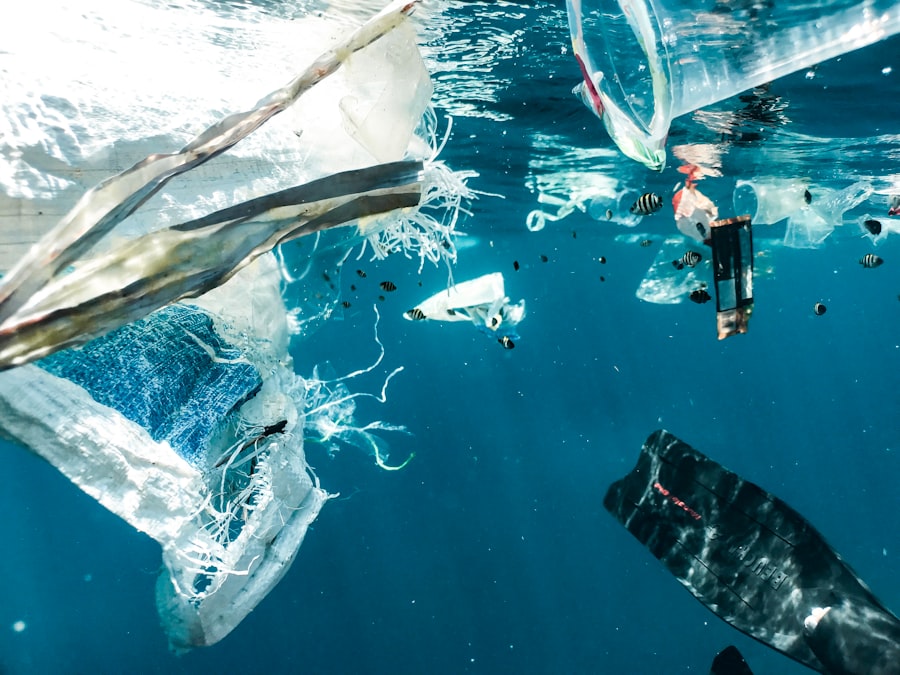
Reducing microplastic pollution from your laundry is crucial for protecting aquatic ecosystems. One effective strategy is to invest in a microfiber filter for your washing machine. These filters are designed to capture microfibers during the wash cycle, preventing them from entering waterways.
By installing one of these devices, you can significantly reduce the number of microplastics released into the environment with each load of laundry. Another practical tip is to wash synthetic fabrics less frequently and at lower temperatures. As mentioned earlier, many items do not require washing after every wear.
Additionally, washing on a gentle cycle can help minimize fiber shedding. You might also consider using a Guppyfriend bag or similar product designed to capture microfibers during washing. These bags provide an extra layer of protection against microplastic pollution while allowing you to continue enjoying your favorite synthetic garments.
The Importance of Properly Disposing of Laundry Waste
Proper disposal of laundry waste is an often-overlooked aspect of sustainable practices. When you discard old clothing or textiles, they can end up in landfills where they may take years or even decades to decompose. This not only contributes to landfill overflow but also leads to further environmental degradation as synthetic materials break down into microplastics over time.
To combat this issue, consider donating or recycling your old clothes instead of throwing them away. Many organizations accept used textiles for resale or repurposing, giving them a second life while keeping them out of landfills. Additionally, some retailers offer recycling programs where you can return worn-out clothing for proper disposal or recycling.
By being mindful of how you dispose of laundry waste, you can help reduce its impact on the environment.
How Individuals Can Make a Difference in Reducing Ocean Pollution from Laundry
As an individual, your choices matter when it comes to reducing ocean pollution from laundry practices. Every small action contributes to a larger movement toward sustainability and environmental protection. By adopting eco-friendly laundry habits—such as using biodegradable detergents, washing less frequently, and properly disposing of waste—you can significantly lessen your impact on marine ecosystems.
Moreover, spreading awareness about the connection between laundry practices and ocean pollution can inspire others to make similar changes in their routines. Engage with friends and family about sustainable practices and share information on social media platforms to reach a wider audience. By fostering a community focused on environmental responsibility, you can amplify your efforts and contribute to a collective movement toward cleaner oceans and healthier ecosystems.
In conclusion, while doing laundry may seem like a mundane task, it carries significant implications for our environment—especially our oceans. By understanding the impact of microplastics and chemicals in detergents, adopting sustainable practices, and making conscious choices about product disposal, you have the power to make a difference. Your actions today can lead to a cleaner planet tomorrow, ensuring that future generations inherit a healthier world.
If you’re looking for more ways to combat environmental issues like pollution, consider reading