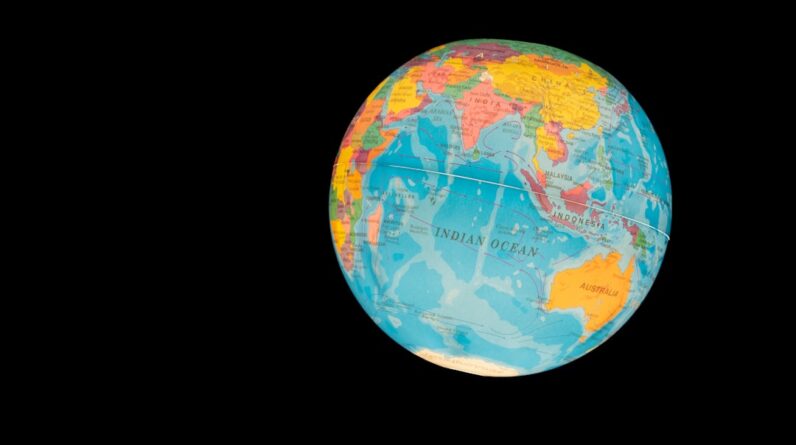
When you think about the air you breathe, it’s easy to overlook the vast oceans that play a crucial role in producing the oxygen essential for life on Earth. Approximately 70% of the planet’s surface is covered by water, and these expansive bodies are not just a habitat for countless species; they are also a vital source of the oxygen that sustains you and billions of other living organisms. In fact, it is estimated that the oceans contribute around 50% to 80% of the oxygen in the atmosphere.
This staggering figure highlights the oceans’ significance in maintaining the delicate balance of our ecosystem. The importance of ocean-generated oxygen extends beyond mere survival; it is intricately linked to climate regulation, weather patterns, and even the health of terrestrial ecosystems. The oxygen produced by oceanic processes helps to mitigate carbon dioxide levels in the atmosphere, acting as a natural buffer against climate change.
As you breathe in the fresh air, remember that a significant portion of that oxygen has traveled from the depths of the ocean, where complex biological processes are at work. Understanding this connection is vital for appreciating the oceans’ role in sustaining life on Earth.
Key Takeaways
- Ocean-generated oxygen is crucial for sustaining life on Earth, as it provides about half of the planet’s oxygen supply.
- Phytoplankton, through the process of photosynthesis, play a key role in producing oxygen in the ocean, making them essential for the health of marine ecosystems and the planet as a whole.
- Climate change is causing a decline in ocean oxygen levels, primarily due to rising water temperatures and changes in ocean circulation patterns, posing a serious threat to marine life and the balance of the Earth’s atmosphere.
- Human activities such as pollution, overfishing, and coastal development are putting additional pressure on ocean-generated oxygen, further endangering marine ecosystems and the global oxygen supply.
- The decline in ocean oxygen levels can lead to widespread negative impacts on marine life, including the loss of biodiversity, disruptions to food chains, and the spread of oxygen-deprived “dead zones” in the ocean.
The Role of Phytoplankton in Oxygen Production
At the heart of oceanic oxygen production lies phytoplankton, microscopic organisms that float near the surface of the water. These tiny powerhouses are often referred to as the “lungs of the ocean” due to their remarkable ability to photosynthesize, converting sunlight into energy while releasing oxygen as a byproduct. As you explore the oceans, consider how these minuscule plants are responsible for producing more than half of the oxygen you breathe.
Their presence is not only essential for your survival but also for the overall health of marine ecosystems. Phytoplankton thrive in nutrient-rich waters, where they form the foundation of the marine food web. They serve as a primary food source for a variety of marine organisms, from tiny zooplankton to large whales.
The intricate relationship between phytoplankton and marine life underscores their importance beyond oxygen production. As you delve deeper into this topic, you will discover how changes in phytoplankton populations can have cascading effects on marine biodiversity and, ultimately, on your own well-being.
The Impact of Climate Change on Ocean Oxygen Levels

As you navigate through discussions about climate change, it becomes increasingly clear that its effects extend far beyond rising temperatures and melting ice caps. One significant consequence is the alteration of ocean oxygen levels, which are being affected by warming waters and increased stratification. Warmer temperatures can lead to reduced solubility of oxygen in seawater, meaning that less oxygen is available for marine life.
This phenomenon poses a serious threat to both aquatic ecosystems and your own health, as declining oxygen levels can disrupt food chains and lead to dead zones where life cannot thrive. Moreover, climate change is causing shifts in ocean currents and nutrient distribution, which can further impact phytoplankton growth and, consequently, oxygen production. As you consider these changes, it’s essential to recognize that the oceans are not static; they are dynamic systems that respond to environmental shifts.
The interplay between climate change and ocean oxygen levels is complex, but understanding this relationship is crucial for developing effective strategies to mitigate its impacts.
The Threats to Ocean-Generated Oxygen
While phytoplankton play a vital role in generating oxygen, they face numerous threats that jeopardize their ability to thrive. Pollution from agricultural runoff, plastic waste, and industrial discharges introduces harmful substances into marine environments, disrupting the delicate balance necessary for phytoplankton growth. As you reflect on your own consumption habits, consider how your choices may contribute to this pollution and its far-reaching consequences for ocean health.
Additionally, overfishing and habitat destruction further exacerbate the challenges faced by phytoplankton populations. When marine ecosystems are disrupted, it can lead to imbalances that hinder phytoplankton’s ability to flourish. As you engage with this topic, think about how protecting marine habitats and promoting sustainable fishing practices can help safeguard not only phytoplankton but also the entire oceanic ecosystem that relies on them for survival.
The Connection Between Ocean Oxygen and Marine Life
The relationship between ocean-generated oxygen and marine life is profound and multifaceted. As you explore this connection, you will find that healthy oxygen levels are essential for supporting diverse marine species. Fish, crustaceans, and other aquatic organisms depend on sufficient oxygen to survive and thrive.
When oxygen levels drop due to environmental stressors or human activities, it can lead to significant declines in fish populations and other marine life. Moreover, the decline in marine biodiversity has implications for your own food security and economic stability. Many coastal communities rely on fishing as a primary source of income and sustenance.
As you consider the interconnectedness of these systems, it becomes evident that protecting ocean-generated oxygen is not just an environmental issue; it is also a matter of social justice and economic resilience.
The Potential Consequences of Declining Ocean Oxygen Levels

As you contemplate the potential consequences of declining ocean oxygen levels, it’s essential to recognize that these changes can have far-reaching effects on both marine ecosystems and human societies. One immediate concern is the proliferation of hypoxic or anoxic zones—areas where oxygen levels are so low that most marine life cannot survive. These dead zones can expand rapidly due to nutrient pollution and climate change, leading to mass die-offs of fish and other organisms.
The implications extend beyond ecological collapse; they can also disrupt local economies dependent on fishing and tourism. As fish populations dwindle and ecosystems become unbalanced, communities may face economic hardships and food insecurity. You may find yourself reflecting on how these changes could impact your own life or those around you, emphasizing the urgent need for action to address declining ocean oxygen levels.
Efforts to Protect and Restore Ocean Oxygen Levels
In light of these challenges, various efforts are underway to protect and restore ocean-generated oxygen levels. Conservation organizations, governments, and local communities are collaborating to implement sustainable practices aimed at reducing pollution and preserving marine habitats. As you learn about these initiatives, consider how your own actions can contribute to these efforts—whether through supporting sustainable seafood choices or advocating for policies that prioritize ocean health.
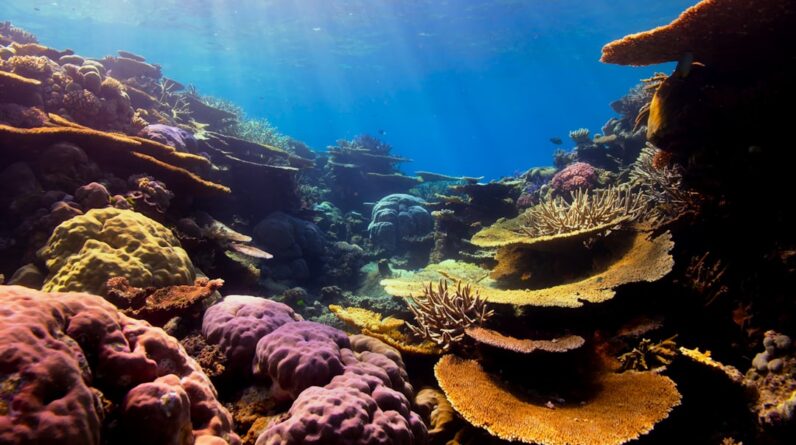
Restoration projects focused on coastal ecosystems such as mangroves, seagrasses, and coral reefs are also gaining momentum. These habitats not only provide critical support for marine life but also enhance oxygen production by fostering healthy phytoplankton populations. By participating in or supporting such initiatives, you can play a role in safeguarding the oceans’ ability to generate oxygen for future generations.
The Need for Global Awareness and Action on Ocean-Generated Oxygen
As you reflect on the importance of ocean-generated oxygen and its intricate connections to climate change, marine life, and human well-being, it becomes clear that global awareness and action are paramount. Educating yourself and others about these issues is a crucial first step toward fostering a collective sense of responsibility for ocean health. By sharing knowledge and advocating for sustainable practices within your community, you can help raise awareness about the significance of protecting our oceans.
Moreover, engaging with policymakers at local, national, and international levels can amplify your voice in advocating for stronger protections for marine ecosystems. As you consider your role in this global movement, remember that every action counts—whether it’s reducing plastic use, supporting conservation efforts, or simply spreading awareness about the vital role oceans play in sustaining life on Earth. Together, we can work toward a future where ocean-generated oxygen continues to nourish our planet and all its inhabitants.
In addition to the crucial role that oceans play in generating oxygen, it is also important to consider the impact of deforestation on our environment. A related article on this topic discusses the importance of stopping forest burning to save trees and animals. By preventing deforestation and promoting tree planting initiatives, we can help mitigate the effects of climate change and preserve our planet’s biodiversity. To learn more about this important issue, visit Stop Forest Burning: Save Trees and Animals.
FAQs
What is ocean-generated oxygen?
Ocean-generated oxygen refers to the oxygen produced by marine plants, particularly phytoplankton, through the process of photosynthesis. This oxygen is essential for the survival of marine life and also contributes significantly to the oxygen levels in the Earth’s atmosphere.
How does the ocean generate oxygen?
Marine plants, particularly phytoplankton, use sunlight, carbon dioxide, and water to produce oxygen through the process of photosynthesis. This oxygen is then released into the water and eventually diffuses into the atmosphere.
Why is ocean-generated oxygen important?
Ocean-generated oxygen is crucial for the survival of marine life and also plays a significant role in maintaining the balance of oxygen in the Earth’s atmosphere. It is estimated that marine plants, particularly phytoplankton, are responsible for producing about 50-85% of the oxygen in the Earth’s atmosphere.
How does human activity impact ocean-generated oxygen?
Human activities such as pollution, overfishing, and climate change can have detrimental effects on marine ecosystems, including the health of marine plants. This can lead to a decrease in ocean-generated oxygen and disrupt the balance of oxygen in the Earth’s atmosphere.
What can be done to protect ocean-generated oxygen?
Protecting marine ecosystems, reducing pollution, and addressing climate change are crucial steps in preserving ocean-generated oxygen. Sustainable fishing practices and the conservation of marine habitats can also help maintain the health of marine plants and the production of oxygen in the ocean.