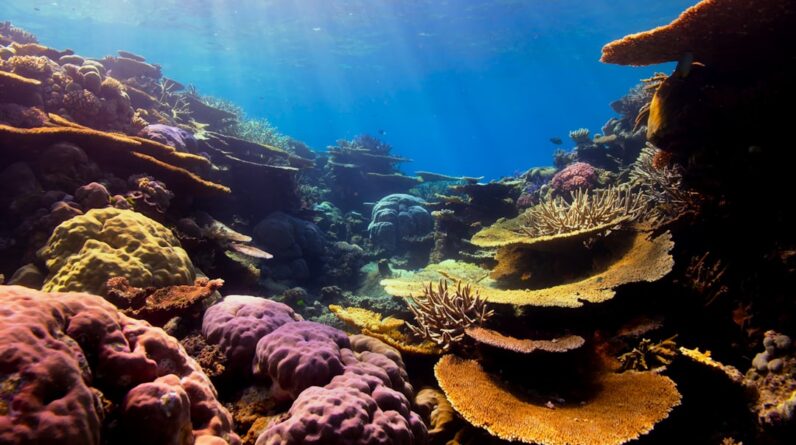
Biodiversity is the intricate tapestry of life that encompasses the variety of species, ecosystems, and genetic diversity on our planet. It is not merely a collection of different organisms; rather, it is the foundation upon which all life depends. You may not realize it, but biodiversity plays a crucial role in maintaining the balance of ecosystems, providing essential services such as pollination, nutrient cycling, and climate regulation.
The more diverse an ecosystem is, the more resilient it becomes to changes and disturbances, whether they be natural or human-induced. This resilience is vital for sustaining the resources you rely on, from clean air and water to food and medicine. Moreover, biodiversity enriches your life in countless ways.
It contributes to cultural identity, inspires art and literature, and offers recreational opportunities that enhance your well-being. The loss of biodiversity can lead to a cascade of negative effects, threatening not only the survival of various species but also the health of ecosystems that support human life. As you navigate through your daily life, consider how interconnected you are with the natural world.
Every time you enjoy a meal, breathe fresh air, or take a walk in a park, you are experiencing the benefits of biodiversity firsthand. Protecting this wealth of life is not just an environmental issue; it is a matter of survival for future generations.
Key Takeaways
- Biodiversity is crucial for the health of ecosystems and the survival of species, including humans.
- Deforestation has a devastating impact on biodiversity, leading to habitat loss and species extinction.
- Reforestation plays a vital role in restoring biodiversity by replenishing lost habitats and creating new ones.
- Reforestation supports ecosystems by improving soil health, regulating water cycles, and sequestering carbon.
- Reforestation contributes to wildlife conservation by providing essential habitats for a wide range of species.
Deforestation and its Impact on Biodiversity
Deforestation is one of the most pressing environmental issues facing our planet today. As forests are cleared for agriculture, urban development, and logging, vast areas of habitat are destroyed, leading to a dramatic decline in biodiversity. When you think about deforestation, consider the countless species that lose their homes and food sources.
This loss not only threatens individual species but also disrupts entire ecosystems, leading to imbalances that can have far-reaching consequences. The intricate relationships between plants, animals, and microorganisms are severed, resulting in a decline in ecosystem services that you may take for granted. The impact of deforestation extends beyond the immediate loss of trees and wildlife.
It contributes to climate change by releasing stored carbon dioxide into the atmosphere, exacerbating global warming and altering weather patterns. As temperatures rise and precipitation patterns shift, the habitats that remain may no longer be suitable for many species. You may notice changes in local wildlife populations or even the disappearance of familiar plants and animals from your surroundings.
The ripple effects of deforestation can be felt in your community as well, as local economies that depend on healthy ecosystems for tourism, fishing, and agriculture begin to falter.
The Role of Reforestation in Restoring Biodiversity

Reforestation is a powerful tool in the fight against biodiversity loss. By replanting trees in areas that have been deforested or degraded, you can help restore habitats for countless species. This process not only brings back the trees but also revitalizes the entire ecosystem.
As new trees grow, they provide shelter and food for wildlife, allowing populations to recover and thrive once more. You may find it inspiring to know that reforestation efforts can lead to the return of species that had previously vanished from an area, creating a more balanced and diverse environment. In addition to restoring habitats, reforestation plays a critical role in enhancing genetic diversity among plant and animal populations.
When you plant a variety of native species in reforestation projects, you create a mosaic of habitats that can support different organisms. This diversity is essential for resilience against diseases and environmental changes. As you engage with reforestation initiatives, whether through volunteering or supporting local projects, you contribute to a larger movement aimed at healing our planet’s ecosystems and ensuring a sustainable future for all living beings.
How Reforestation Supports Ecosystems
Reforestation does more than just replace lost trees; it revitalizes entire ecosystems that have been disrupted by human activity. When you participate in or support reforestation efforts, you are helping to restore the complex web of interactions that exist within an ecosystem. Trees play a vital role in regulating water cycles by absorbing rainfall and releasing moisture back into the atmosphere through transpiration.
This process helps maintain local climates and supports other plant and animal life. As forests are restored, you may notice improvements in local water quality and availability. Furthermore, reforested areas can act as corridors for wildlife movement, allowing animals to migrate between fragmented habitats.
This connectivity is crucial for maintaining genetic diversity and enabling species to adapt to changing environmental conditions. You might find it fascinating how these corridors facilitate not only animal movement but also the dispersal of seeds and pollen among plants. By supporting reforestation initiatives, you are contributing to the creation of healthier ecosystems that benefit both wildlife and human communities alike.
Reforestation and Wildlife Conservation
Wildlife conservation is intricately linked to reforestation efforts. As you consider the plight of endangered species around the world, it becomes clear that habitat loss is one of the primary drivers of their decline. Reforestation provides a pathway for recovery by restoring critical habitats where these species can thrive once again.
For instance, many birds rely on specific tree species for nesting and feeding; by planting these trees back into their native environments, you help create safe havens for them. Moreover, reforestation can enhance biodiversity hotspots—areas with an exceptionally high number of endemic species—by providing suitable habitats for these unique organisms. You may be surprised to learn that some reforestation projects focus specifically on planting native species that are crucial for local wildlife.
By prioritizing these plants, you contribute to the conservation of not just individual species but entire ecosystems that have evolved over millennia. Your involvement in such initiatives can make a significant difference in preserving the rich tapestry of life on Earth.
The Social and Economic Benefits of Reforestation

Reforestation offers numerous social and economic benefits that extend beyond environmental restoration. When you engage with reforestation projects, you are also investing in your community’s future. Healthy forests provide resources such as timber, fruits, nuts, and medicinal plants that can support local economies.
By promoting sustainable practices within these projects, you help ensure that communities can benefit from their natural resources without depleting them. Additionally, reforestation can create job opportunities in areas such as forestry management, conservation work, and ecotourism. As communities become involved in these initiatives, they often experience a renewed sense of purpose and connection to their environment.
You may find it rewarding to see how reforestation efforts can foster community engagement and collaboration while also addressing issues like poverty and food security. By supporting these initiatives, you contribute not only to environmental health but also to social well-being.
Challenges and Solutions in Reforestation Efforts
Despite its many benefits, reforestation faces several challenges that must be addressed to ensure its success. One significant hurdle is the need for adequate funding and resources to implement large-scale projects effectively. You may be aware that many regions lack the financial support necessary for comprehensive reforestation efforts.
Additionally, there can be conflicts over land use between agricultural interests and conservation goals, making it difficult to find common ground. However, innovative solutions are emerging to tackle these challenges head-on. Collaborative approaches involving local communities, governments, NGOs, and private sectors can create synergies that enhance reforestation efforts.
You might be inspired by initiatives that focus on agroforestry—integrating trees into agricultural landscapes—which not only restores biodiversity but also improves crop yields and soil health. By fostering partnerships and promoting sustainable land-use practices, you can play a role in overcoming obstacles to successful reforestation.
The Future of Reforestation and Biodiversity Conservation
Looking ahead, the future of reforestation and biodiversity conservation holds great promise if we act decisively now. As awareness grows about the importance of healthy ecosystems for human survival, more individuals and organizations are stepping up to support reforestation initiatives worldwide. You may find it encouraging to see how technology is being harnessed to monitor forest health through satellite imagery and data analysis, allowing for more effective planning and implementation of reforestation projects.
Moreover, global movements aimed at combating climate change are increasingly recognizing the role of forests in carbon sequestration and biodiversity preservation. As you engage with these movements—whether through advocacy or direct action—you contribute to a collective effort that prioritizes both environmental health and social equity. The future depends on your commitment to fostering a world where biodiversity thrives alongside human development.
By championing reforestation efforts today, you help pave the way for a sustainable tomorrow where both nature and humanity can flourish together.
If you are interested in learning more about the advantages of planting trees for climate change, check out this insightful article here. It discusses how tree planting can help combat climate change and its positive impact on the environment. Additionally, if you want to understand the detrimental effects of forest burning on trees and animals, be sure to read this informative piece here. It sheds light on the importance of preventing forest fires to protect biodiversity.
FAQs
What is reforestation?
Reforestation is the process of planting trees in areas where forests have been depleted or destroyed, with the goal of restoring the natural balance of biodiversity and ecosystem services.
How does reforestation restore the natural balance of biodiversity?
Reforestation helps restore the natural balance of biodiversity by providing habitat for a wide variety of plant and animal species. Trees and forests support a complex web of life, and their restoration can help bring back species that may have been displaced or endangered by deforestation.
What are the benefits of reforestation for biodiversity?
Reforestation can help increase the overall biodiversity of an area by providing habitat for a wide variety of plant and animal species. This can lead to improved ecosystem services, such as pollination, soil fertility, and water regulation.
How does reforestation contribute to climate change mitigation?
Reforestation plays a crucial role in mitigating climate change by absorbing carbon dioxide from the atmosphere and storing it in the trees and soil. This helps reduce the concentration of greenhouse gases in the atmosphere, which can help slow the pace of global warming.
What are some challenges associated with reforestation efforts?
Challenges associated with reforestation efforts include securing land for planting, selecting appropriate tree species for the specific ecosystem, and ensuring the long-term survival of the newly planted trees. Additionally, reforestation efforts may face obstacles such as invasive species, climate change, and human activities.