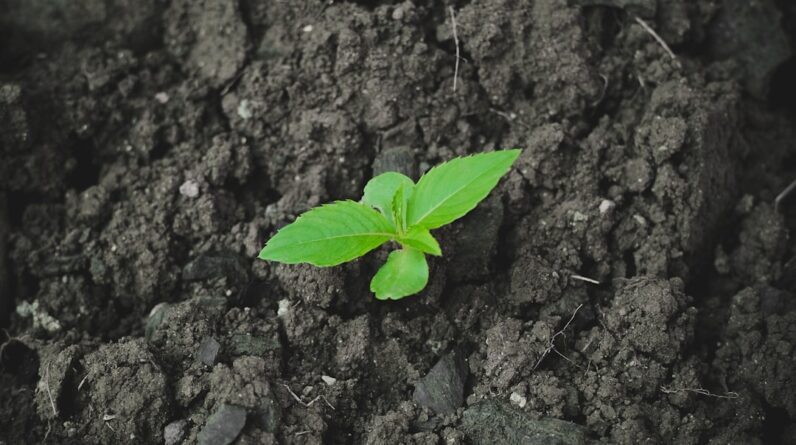
Reforestation is a critical process that involves replanting trees in areas where forests have been depleted or destroyed. You may not realize it, but forests play an essential role in maintaining ecological balance, supporting wildlife, and providing resources for human survival. The importance of reforestation cannot be overstated, as it serves as a remedy for the extensive deforestation that has occurred over the years due to urbanization, agriculture, and logging.
By understanding the significance of reforestation, you can appreciate how it contributes to the health of our planet and the well-being of future generations. When you think about reforestation, consider its multifaceted benefits. It not only helps restore habitats for countless species but also aids in soil conservation and water cycle regulation.
Trees act as natural air filters, absorbing carbon dioxide and releasing oxygen, which is vital for life on Earth. As you delve deeper into the topic, you will discover that reforestation is not merely about planting trees; it is about restoring ecosystems and creating a sustainable environment for all living beings. The act of reforesting can also foster a sense of community and responsibility, as individuals and groups come together to contribute to a common goal.
Key Takeaways
- Reforestation is crucial for restoring and maintaining healthy ecosystems, combating climate change, and preserving biodiversity.
- Reforestation plays a vital role in conserving and restoring biodiversity by providing habitats for a wide range of plant and animal species.
- Reforestation helps mitigate climate change by absorbing carbon dioxide from the atmosphere and reducing greenhouse gas emissions.
- Successful reforestation projects have shown significant improvements in ecosystem health, water quality, and wildlife populations.
- Challenges in reforestation efforts include deforestation, land degradation, lack of funding, and the need for community involvement and support.
The Role of Reforestation in Biodiversity Conservation
Biodiversity is the variety of life on Earth, encompassing the different species of plants, animals, and microorganisms that inhabit our planet. You might be surprised to learn that forests are home to over 80% of terrestrial biodiversity. When you engage in reforestation efforts, you are directly contributing to the conservation of this rich tapestry of life.
By restoring forests, you help create habitats for endangered species and promote genetic diversity, which is crucial for resilience against diseases and environmental changes. As you explore the connection between reforestation and biodiversity conservation, consider how diverse ecosystems provide essential services such as pollination, pest control, and nutrient cycling. These services are vital for agriculture and food security, which ultimately affect your own well-being.
When you support reforestation initiatives, you are not only helping to protect wildlife but also ensuring that ecosystems remain functional and productive. This interconnectedness highlights the importance of your role in fostering biodiversity through reforestation efforts.
Reforestation and Climate Change Mitigation

Climate change is one of the most pressing challenges facing humanity today, and reforestation plays a pivotal role in mitigating its effects. As you may know, trees absorb carbon dioxide from the atmosphere, acting as carbon sinks that help reduce greenhouse gas concentrations. By participating in reforestation projects, you contribute to this natural process of carbon sequestration, which is essential for combating climate change.
The more trees we plant, the more carbon we can capture, ultimately leading to a healthier planet. Moreover, reforestation can help regulate local climates by influencing temperature and precipitation patterns. When you consider the impact of deforestation on climate extremes—such as droughts and floods—you begin to understand how vital it is to restore forested areas.
Reforestation not only helps stabilize the climate but also enhances resilience against climate-related disasters. By supporting these initiatives, you are taking an active role in creating a more sustainable future for yourself and generations to come.
Success Stories: How Reforestation Projects are Restoring Ecosystems
Across the globe, numerous reforestation projects have demonstrated remarkable success in restoring ecosystems and revitalizing communities. One inspiring example is the Bonn Challenge, an international effort aimed at restoring 150 million hectares of deforested and degraded land by 2020. As you learn about these initiatives, you will find that they often involve local communities working together to plant native tree species that are well-suited to their environment.
This collaborative approach not only enhances biodiversity but also empowers individuals to take ownership of their natural resources. Another notable success story is the Green Belt Movement in Kenya, founded by Nobel laureate Wangari Maathai. This grassroots initiative has led to the planting of over 51 million trees since its inception in 1977.
You may find it inspiring that this movement has not only focused on reforestation but has also addressed issues such as women’s empowerment and sustainable development. By engaging local communities in tree planting and environmental education, the Green Belt Movement has created a lasting impact on both ecosystems and livelihoods.
Challenges and Obstacles in Reforestation Efforts
Despite the numerous benefits of reforestation, there are significant challenges that hinder progress in this vital area. One major obstacle is the lack of funding and resources for large-scale reforestation projects. You may be surprised to learn that many initiatives struggle to secure financial support, which limits their ability to reach their full potential.
Additionally, competing land uses—such as agriculture or urban development—often pose challenges to finding suitable areas for reforestation. Another challenge lies in ensuring the survival and growth of newly planted trees. You might not realize that factors such as invasive species, pests, and climate variability can threaten young saplings.
To overcome these obstacles, it is essential to adopt a holistic approach that includes careful planning, monitoring, and community involvement. By addressing these challenges head-on, you can contribute to more effective reforestation efforts that yield long-term benefits for both ecosystems and communities.
The Social and Economic Benefits of Reforestation

Reforestation offers a wealth of social and economic benefits that extend beyond environmental restoration. When you consider the potential for job creation in forestry and related industries, it becomes clear that reforestation can stimulate local economies. By investing in tree planting initiatives, communities can generate income through sustainable timber production, ecotourism, and non-timber forest products such as fruits and nuts.
This economic diversification can enhance resilience against market fluctuations and provide livelihoods for families. Moreover, reforestation can improve social cohesion by bringing people together around a common goal. You may find it heartening to know that many successful projects involve local communities working collaboratively to restore their environment.
This sense of shared purpose fosters connections among individuals and strengthens community bonds. As you engage with reforestation efforts, you contribute not only to environmental health but also to social well-being and economic stability.
The Future of Reforestation: Innovations and Technology
As we look toward the future of reforestation, innovations and technology are playing an increasingly important role in enhancing the effectiveness of these efforts. You may be intrigued by advancements such as drone technology, which allows for efficient mapping of deforested areas and precise planting of seeds or saplings. This method can significantly reduce labor costs and increase planting success rates, making it an attractive option for large-scale reforestation projects.
Additionally, genetic research is paving the way for improved tree species selection that can better withstand changing climate conditions. You might find it fascinating that scientists are developing tree varieties with enhanced growth rates or resistance to pests and diseases. By harnessing these innovations, you can support more resilient reforestation initiatives that adapt to the challenges posed by climate change while maximizing ecological benefits.
How Individuals Can Contribute to Reforestation Efforts
You might be wondering how you can make a difference in the fight against deforestation and support reforestation efforts in your own community or beyond. One simple yet impactful way is by participating in local tree-planting events or volunteering with organizations dedicated to reforestation initiatives. By getting involved firsthand, you not only contribute to restoring ecosystems but also inspire others to take action.
Another way you can support reforestation is by making conscious choices in your daily life. Consider purchasing products from companies that prioritize sustainable practices or support reforestation projects through their business models. Additionally, you can advocate for policies that promote forest conservation and restoration at local or national levels.
By raising awareness about the importance of reforestation among your friends and family, you can help create a ripple effect that encourages more people to get involved. In conclusion, reforestation is a vital process with far-reaching implications for biodiversity conservation, climate change mitigation, social cohesion, and economic stability. As you reflect on your role in this global effort, remember that every action counts—whether it’s planting a tree or supporting sustainable practices in your community.
Together, we can work towards a greener future where forests thrive once again.
A related article to How Reforestation Projects are Reviving Entire Ecosystems can be found on livelifewithacause.org. This article discusses the importance of combatting global warming through massive tree planting initiatives. By planting trees on a large scale, we can help mitigate the effects of climate change and restore balance to our planet’s ecosystems. This article provides valuable insights into the role that reforestation plays in addressing environmental challenges and creating a more sustainable future for all.
FAQs
What is reforestation?
Reforestation is the process of planting trees in areas where forests have been depleted or destroyed. It aims to restore the ecological balance and improve the environment.
How do reforestation projects revive entire ecosystems?
Reforestation projects revive entire ecosystems by restoring biodiversity, improving soil quality, regulating water cycles, and providing habitats for various species. Trees also absorb carbon dioxide, helping to mitigate climate change.
What are the benefits of reforestation projects?
Reforestation projects provide numerous benefits, including carbon sequestration, improved air and water quality, enhanced biodiversity, and the creation of sustainable livelihoods for local communities.
Where are reforestation projects taking place?
Reforestation projects are taking place in various regions around the world, including areas affected by deforestation, wildfires, and other environmental disturbances.
What are some successful examples of reforestation projects?
Successful examples of reforestation projects include the Atlantic Forest Reforestation Project in Brazil, the Great Green Wall initiative in Africa, and the Million Trees NYC project in the United States. These projects have demonstrated the positive impact of reforestation on ecosystems and communities.