Reforestation plays a crucial role in enhancing soil resilience, a term that refers to the ability of soil to recover from disturbances and maintain its essential functions. When you think about the health of our planet, it’s easy to overlook the significance of soil. However, healthy soil is the foundation of ecosystems, agriculture, and even urban environments.
Reforestation helps restore this foundation by replenishing tree cover, which in turn stabilizes the soil structure. Trees act as natural barriers against erosion, preventing the loss of topsoil that is rich in nutrients. This is particularly important in areas that have suffered from deforestation or degradation due to human activities.
Moreover, reforestation contributes to the overall health of the environment by improving water retention in the soil. When trees are planted, their roots create a network that holds soil particles together, reducing runoff and allowing water to seep into the ground. This not only helps maintain moisture levels but also supports the growth of other plants and organisms that rely on healthy soil.
As you consider the broader implications of reforestation, it becomes clear that restoring tree cover is not just about planting trees; it’s about revitalizing entire ecosystems and ensuring that soil can continue to support life.
Key Takeaways
- Reforestation is crucial for enhancing soil resilience and combating erosion, desertification, and loss of biodiversity.
- Trees play a vital role in building soil health by preventing soil erosion, improving water retention, and enhancing nutrient cycling.
- Fungi and microorganisms are essential for reforestation as they help in nutrient cycling, soil structure improvement, and disease suppression.
- Successful reforestation requires techniques such as agroforestry, assisted natural regeneration, and proper species selection to ensure long-term soil health.
- Case studies show that reforestation projects have a positive impact on soil resilience by restoring degraded land, improving water quality, and enhancing biodiversity.
How Trees Contribute to Building Soil Health
Trees are vital players in the complex web of soil health. Their roots penetrate deep into the ground, breaking up compacted layers and creating channels for air and water to flow. This process enhances soil aeration and drainage, which are essential for the survival of various organisms that inhabit the soil.
As you observe a thriving forest, you may notice how trees not only provide shade and shelter but also contribute to a rich underground ecosystem. The organic matter from fallen leaves and decomposing wood adds nutrients back into the soil, enriching it and promoting biodiversity. In addition to improving soil structure and nutrient content, trees also play a significant role in carbon sequestration.
By absorbing carbon dioxide from the atmosphere during photosynthesis, trees help mitigate climate change while simultaneously enriching the soil with organic carbon. This dual benefit underscores the importance of trees in maintaining a balanced ecosystem. As you engage with nature, consider how each tree contributes not just to its immediate surroundings but also to the global effort of combating environmental degradation.
The Role of Fungi and Microorganisms in Reforestation Projects
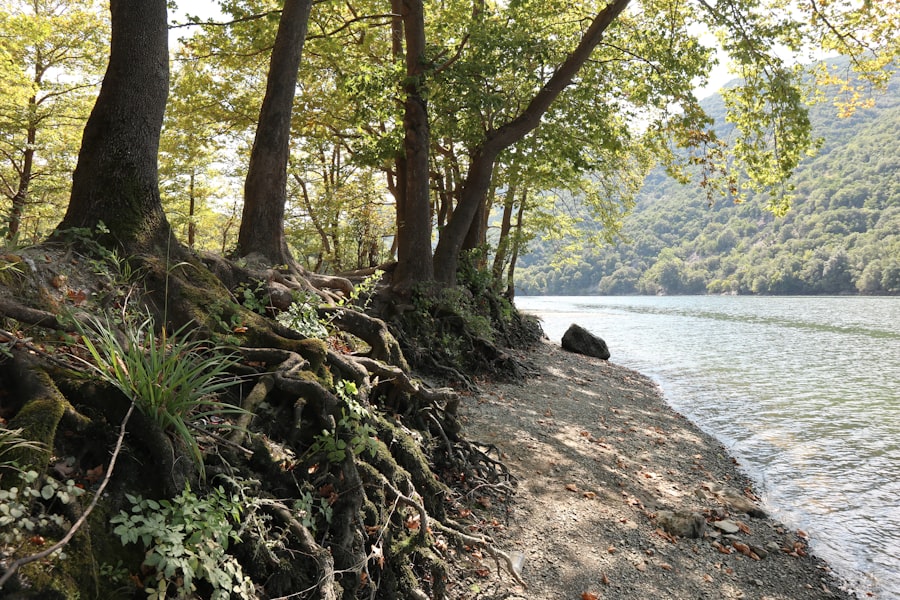
While trees are often the stars of reforestation efforts, fungi and microorganisms are the unsung heroes working tirelessly beneath the surface. These microscopic organisms form symbiotic relationships with tree roots, enhancing nutrient uptake and improving overall soil health. Mycorrhizal fungi, for instance, extend their hyphae into the soil, increasing the surface area available for absorption.
This partnership allows trees to access essential nutrients like phosphorus and nitrogen more efficiently than they could on their own. As you delve deeper into the world of soil biology, you’ll discover that microorganisms also play a pivotal role in breaking down organic matter. Bacteria and other microbes decompose dead plant material, releasing nutrients back into the soil and making them available for new growth.
This process not only enriches the soil but also fosters a diverse community of organisms that contribute to its resilience. Understanding this intricate relationship between trees, fungi, and microorganisms can inspire you to appreciate the complexity of ecosystems and the importance of preserving them through reforestation.
Techniques and Strategies for Successful Reforestation
Successful reforestation requires careful planning and execution. One effective strategy is selecting native tree species that are well-adapted to local conditions. By choosing trees that naturally thrive in a specific area, you increase the likelihood of survival and growth.
Native species often have established relationships with local fauna and flora, which can enhance biodiversity and promote a healthier ecosystem overall. As you consider participating in reforestation efforts, think about how your choices can impact not just individual trees but entire communities of plants and animals. Another important technique is implementing agroforestry practices, which integrate trees into agricultural landscapes.
This approach not only helps restore degraded land but also provides farmers with additional sources of income through timber or fruit production. By combining agriculture with reforestation, you create a sustainable model that benefits both people and the environment. Engaging with local communities in these efforts can foster a sense of ownership and responsibility towards the land, ensuring that reforestation projects are maintained for years to come.
Case Studies of Reforestation Projects and their Impact on Soil Resilience
Examining successful reforestation projects can provide valuable insights into best practices and potential challenges. One notable example is the reforestation initiative in Ethiopia known as the Green Legacy Initiative. Launched in 2019, this ambitious project aims to plant billions of trees across the country to combat deforestation and restore degraded land.
Early results indicate significant improvements in soil quality and water retention, demonstrating how large-scale reforestation can enhance soil resilience on a national level. Another compelling case study is found in Costa Rica, where reforestation efforts have transformed previously deforested areas into thriving ecosystems. The country implemented payment for ecosystem services programs that incentivize landowners to restore forests on their properties.
As a result, not only has biodiversity increased, but so has soil health. The restoration of tree cover has led to improved water quality and reduced erosion, showcasing how targeted reforestation can yield tangible benefits for both the environment and local communities.
The Economic and Environmental Benefits of Reforestation for Soil Health

Reforestation is not just an environmental imperative; it also offers significant economic benefits. Healthy soils contribute to increased agricultural productivity, which can lead to higher yields for farmers. By investing in reforestation projects, you are essentially investing in sustainable agriculture that can support local economies while preserving natural resources.
The long-term benefits of improved soil health can outweigh initial costs, making reforestation a wise economic choice. Additionally, reforestation can enhance ecosystem services such as flood control, air purification, and carbon sequestration. These services have far-reaching implications for public health and climate stability.
As you consider your role in promoting reforestation efforts, think about how these initiatives can create jobs in forestry management, tourism, and conservation education. By supporting reforestation projects, you contribute not only to environmental restoration but also to economic resilience within communities.
Community Involvement and Engagement in Reforestation Efforts
Community involvement is essential for the success of reforestation initiatives. Engaging local populations fosters a sense of stewardship over natural resources and encourages sustainable practices. When communities participate in planting trees or maintaining forests, they develop a deeper connection to their environment.
This connection can lead to increased awareness about environmental issues and inspire collective action towards conservation. Moreover, educational programs that involve schools and local organizations can amplify community engagement in reforestation efforts. Workshops on tree planting techniques or discussions about the importance of biodiversity can empower individuals to take action in their own backyards.
As you explore ways to get involved, consider how your skills or interests can contribute to these educational initiatives, fostering a culture of environmental responsibility within your community.
The Future of Reforestation and Soil Resilience: Challenges and Opportunities
Looking ahead, the future of reforestation presents both challenges and opportunities. Climate change poses significant threats to forest ecosystems, making it imperative to adapt reforestation strategies accordingly. As temperatures rise and weather patterns shift, selecting resilient tree species becomes increasingly important.
You may find yourself at the forefront of innovative approaches that incorporate climate-smart practices into reforestation efforts. On the other hand, there is immense potential for technological advancements to enhance reforestation outcomes. Drones equipped with seed dispersal technology or remote sensing tools for monitoring forest health are just a few examples of how technology can revolutionize reforestation projects.
As you consider your role in this evolving landscape, think about how you can leverage these advancements while remaining committed to ecological principles. In conclusion, reforestation is a multifaceted endeavor that holds immense promise for enhancing soil resilience and overall environmental health. By understanding the intricate relationships between trees, soil organisms, and local communities, you can appreciate the profound impact that thoughtful reforestation efforts can have on our planet’s future.
Whether through direct involvement or advocacy for sustainable practices, your contributions can help pave the way for a healthier world for generations to come.
If you are interested in learning more about the importance of biodiversity in healthy forests, check out the article “Biodiversity Reservoir by Having Healthy Forest” on Live Life with a Cause. This article delves into how maintaining a diverse range of plant and animal species in forests can contribute to overall ecosystem health and resilience. It complements the discussion on reforestation projects and their role in building soil resilience.
FAQs
What is reforestation?
Reforestation is the process of planting trees in areas where forests have been depleted or destroyed. It is done to restore the ecological balance, improve air quality, and prevent soil erosion.
How do reforestation projects build soil resilience?
Reforestation projects build soil resilience by increasing the organic matter in the soil, improving soil structure, and enhancing its ability to retain water. The roots of trees also help to stabilize the soil and prevent erosion.
What are the benefits of building soil resilience through reforestation?
Building soil resilience through reforestation helps to improve soil fertility, support biodiversity, mitigate climate change, and enhance the overall health of ecosystems. It also contributes to sustainable land management and food security.
Where are reforestation projects commonly implemented?
Reforestation projects are commonly implemented in areas that have experienced deforestation, such as degraded forests, agricultural lands, and areas affected by wildfires or mining activities. They are also carried out in urban areas to improve green spaces and urban biodiversity.
What are some successful examples of reforestation projects building soil resilience?
Successful examples of reforestation projects building soil resilience include the restoration of degraded lands in the Amazon rainforest, the reforestation of mining sites in Australia, and the establishment of agroforestry systems in Africa. These projects have demonstrated the positive impact of reforestation on soil health and ecosystem restoration.