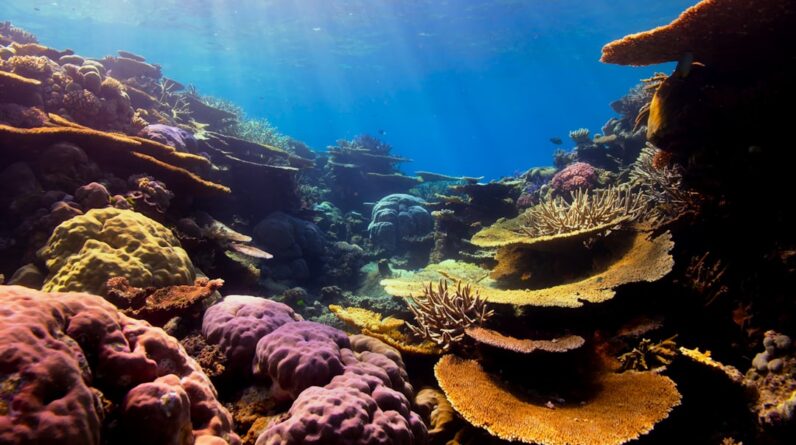
When you think about the sources of oxygen on our planet, your mind might immediately drift to lush forests or sprawling grasslands. However, the oceans play an equally vital role in producing the oxygen that sustains life on Earth. In fact, it is estimated that marine plants, particularly phytoplankton, contribute to around 50% of the oxygen we breathe.
This remarkable contribution underscores the importance of ocean oxygen producers in maintaining the delicate balance of our atmosphere and supporting life both in and out of the water. As you delve deeper into the significance of these oceanic producers, you begin to appreciate their role in regulating carbon dioxide levels. Through the process of photosynthesis, these organisms absorb carbon dioxide and release oxygen, acting as a natural buffer against climate change.
By understanding this relationship, you can see how crucial it is to protect these marine ecosystems. The health of our oceans directly impacts air quality and climate stability, making ocean oxygen producers not just vital for marine life but for humanity as a whole.
Key Takeaways
- Ocean oxygen producers are crucial for maintaining the balance of oxygen and carbon dioxide in the atmosphere, supporting marine life, and regulating the climate.
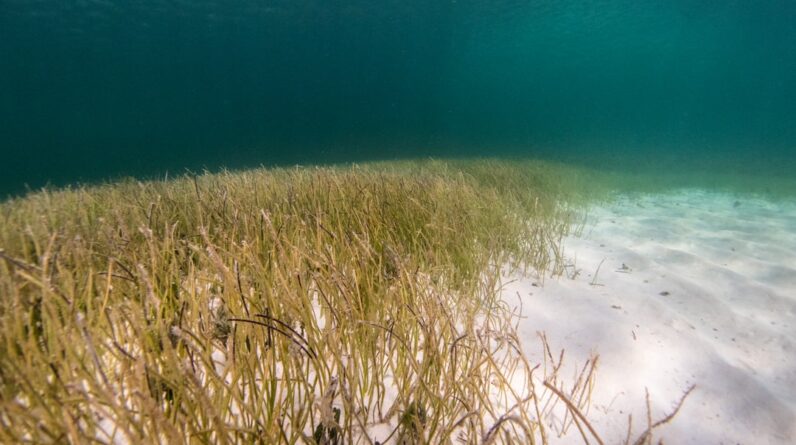
- Ocean oxygen producers come in a wide variety of forms, including phytoplankton, algae, and seagrass, each playing a unique role in the marine ecosystem.
- Ocean oxygen producers are essential for providing food and habitat for a wide range of marine species, contributing to the overall health and biodiversity of the ocean.
- Threats to ocean oxygen producers, such as pollution, climate change, and habitat destruction, pose significant risks to the stability of marine ecosystems and the health of the planet.
- The beauty of ocean oxygen producers can be captured through photography, showcasing the stunning colors, shapes, and diversity of these vital marine organisms.
The Diversity of Ocean Oxygen Producers
The ocean is a vast and diverse environment, home to a wide array of oxygen-producing organisms. Among the most prominent are phytoplankton, microscopic plants that float near the surface of the water. These tiny powerhouses come in various shapes and sizes, from diatoms with their intricate silica shells to dinoflagellates that can exhibit bioluminescence.
As you explore the diversity of these organisms, you realize that they are not only essential for oxygen production but also form the foundation of the marine food web. In addition to phytoplankton, seaweeds and seagrasses also contribute significantly to oxygen production. Kelp forests, for instance, are some of the most productive ecosystems on Earth, providing habitat for countless marine species while generating substantial amounts of oxygen.
As you learn about these different types of ocean oxygen producers, you begin to appreciate the intricate relationships they share with one another and their environments. This diversity is not just fascinating; it is essential for the resilience and health of marine ecosystems.
The Role of Ocean Oxygen Producers in the Ecosystem

Ocean oxygen producers play a multifaceted role in marine ecosystems that extends far beyond oxygen generation. They serve as the primary producers in the oceanic food chain, forming the base upon which countless species depend for survival. As you consider this role, you recognize that without these organisms, entire ecosystems would collapse, leading to a domino effect that could threaten biodiversity and disrupt food sources for larger marine animals.
Moreover, these producers contribute to nutrient cycling within the ocean. Through their growth and decay, they help recycle essential nutrients like nitrogen and phosphorus, which are crucial for sustaining other marine life. As you reflect on this process, it becomes clear that ocean oxygen producers are not merely passive contributors; they actively shape their environment and influence the health of marine habitats.
Their presence ensures a balanced ecosystem where various species can thrive, highlighting their importance in maintaining ecological integrity.
Threats to Ocean Oxygen Producers
Despite their critical role in our planet’s health, ocean oxygen producers face numerous threats that jeopardize their existence. Climate change is perhaps the most pressing issue, as rising sea temperatures and ocean acidification disrupt the delicate balance of marine ecosystems. As you consider these changes, you realize that they can lead to harmful algal blooms and a decline in phytoplankton populations, ultimately reducing oxygen production and harming marine life.
Pollution also poses a significant threat to these vital organisms. Nutrient runoff from agriculture can lead to eutrophication, where excessive nutrients cause algal blooms that deplete oxygen levels in the water. This phenomenon creates dead zones where marine life cannot survive.
As you contemplate these challenges, it becomes evident that human activities have far-reaching consequences on ocean health. Protecting ocean oxygen producers requires a concerted effort to mitigate pollution and combat climate change.
The Beauty of Ocean Oxygen Producers
Beyond their ecological significance, ocean oxygen producers possess an undeniable beauty that captivates those who venture into their realm. The vibrant colors of phytoplankton can create stunning displays in the water, especially during blooms when they multiply rapidly. These natural phenomena can transform coastal waters into breathtaking shades of green or blue, reminding you of the wonders hidden beneath the surface.
Kelp forests are another striking example of nature’s artistry. Towering kelp canopies sway gracefully with ocean currents, creating an underwater landscape that is both enchanting and vital for marine life. As you explore these underwater gardens, you can’t help but feel a sense of awe at the intricate ecosystems they support.
The beauty of ocean oxygen producers serves as a reminder of the importance of preserving these environments for future generations to enjoy.
Conservation Efforts for Ocean Oxygen Producers

Recognizing the importance of ocean oxygen producers has led to various conservation efforts aimed at protecting these vital organisms and their habitats. Marine protected areas (MPAs) have been established in many regions to safeguard critical ecosystems from overfishing and pollution. As you learn about these initiatives, you see how they provide a refuge for diverse marine life while allowing ocean oxygen producers to thrive.
In addition to MPAs, there are ongoing research projects focused on understanding and monitoring phytoplankton populations and their responses to environmental changes. By studying these organisms, scientists can develop strategies to mitigate threats and promote resilience within marine ecosystems. As you reflect on these conservation efforts, it becomes clear that collective action is essential for ensuring the survival of ocean oxygen producers and maintaining the health of our oceans.
The Future of Ocean Oxygen Producers
The future of ocean oxygen producers hangs in a delicate balance as they face ongoing challenges from climate change and human activity. However, there is hope as awareness grows about their importance and the need for sustainable practices. As you consider what lies ahead, you realize that innovative solutions are being explored to protect these vital organisms and their habitats.
One promising avenue is the development of sustainable aquaculture practices that minimize environmental impact while supporting local economies. By promoting responsible farming techniques for seaweeds and other marine plants, we can enhance oxygen production while providing food and resources for communities. As you envision this future, it becomes evident that collaboration between scientists, policymakers, and local communities will be crucial in safeguarding ocean oxygen producers for generations to come.
Capturing Ocean Oxygen Producers Through Photography
Photography offers a unique way to appreciate and raise awareness about ocean oxygen producers and their beauty. Through your lens, you can capture stunning images of vibrant phytoplankton blooms or the mesmerizing movement of kelp forests swaying in the currents. These photographs not only showcase the aesthetic appeal of these organisms but also serve as powerful tools for education and advocacy.
As you embark on this photographic journey, consider how your images can inspire others to appreciate and protect these vital ecosystems. Sharing your work on social media or in exhibitions can help raise awareness about the importance of ocean oxygen producers and the threats they face. By capturing their beauty through photography, you contribute to a broader conversation about conservation and inspire action to protect our oceans for future generations.
In conclusion, ocean oxygen producers are indispensable components of our planet’s health and well-being. Their ability to generate oxygen, support marine ecosystems, and regulate climate makes them vital players in maintaining ecological balance. However, they face numerous threats that require urgent attention and action.
By understanding their importance, appreciating their beauty, and participating in conservation efforts, you can play a role in ensuring a sustainable future for these remarkable organisms and the oceans they inhabit.
If you are interested in learning more about the importance of oxygen producers like trees and plants, you may want to check out this article on the disadvantages of planting trees for climate change. It discusses the potential drawbacks of tree planting initiatives and offers a different perspective on how to combat climate change. It is crucial to understand the complexities of environmental conservation efforts to make informed decisions about how to best protect our planet.
FAQs
What are ocean oxygen producers?
Ocean oxygen producers are organisms such as phytoplankton, algae, and marine plants that produce oxygen through the process of photosynthesis. These organisms play a crucial role in maintaining the balance of oxygen in the Earth’s atmosphere.
Why are ocean oxygen producers important?
Ocean oxygen producers are important because they are responsible for producing a significant portion of the oxygen in the Earth’s atmosphere. They also form the base of the marine food web, providing food and energy for a wide variety of marine organisms.
What are some examples of ocean oxygen producers?
Some examples of ocean oxygen producers include diatoms, cyanobacteria, seaweed, and seagrass. These organisms are found in various marine environments, from the surface of the ocean to the ocean floor.
How do ocean oxygen producers contribute to the health of the ocean ecosystem?
Ocean oxygen producers contribute to the health of the ocean ecosystem by providing oxygen for marine organisms to breathe and by serving as a food source for a wide variety of marine animals. They also play a role in regulating the Earth’s climate by absorbing carbon dioxide from the atmosphere.
What are some threats to ocean oxygen producers?
Some threats to ocean oxygen producers include pollution, climate change, and habitat destruction. These factors can negatively impact the health and abundance of ocean oxygen producers, which can have far-reaching effects on the entire marine ecosystem.